



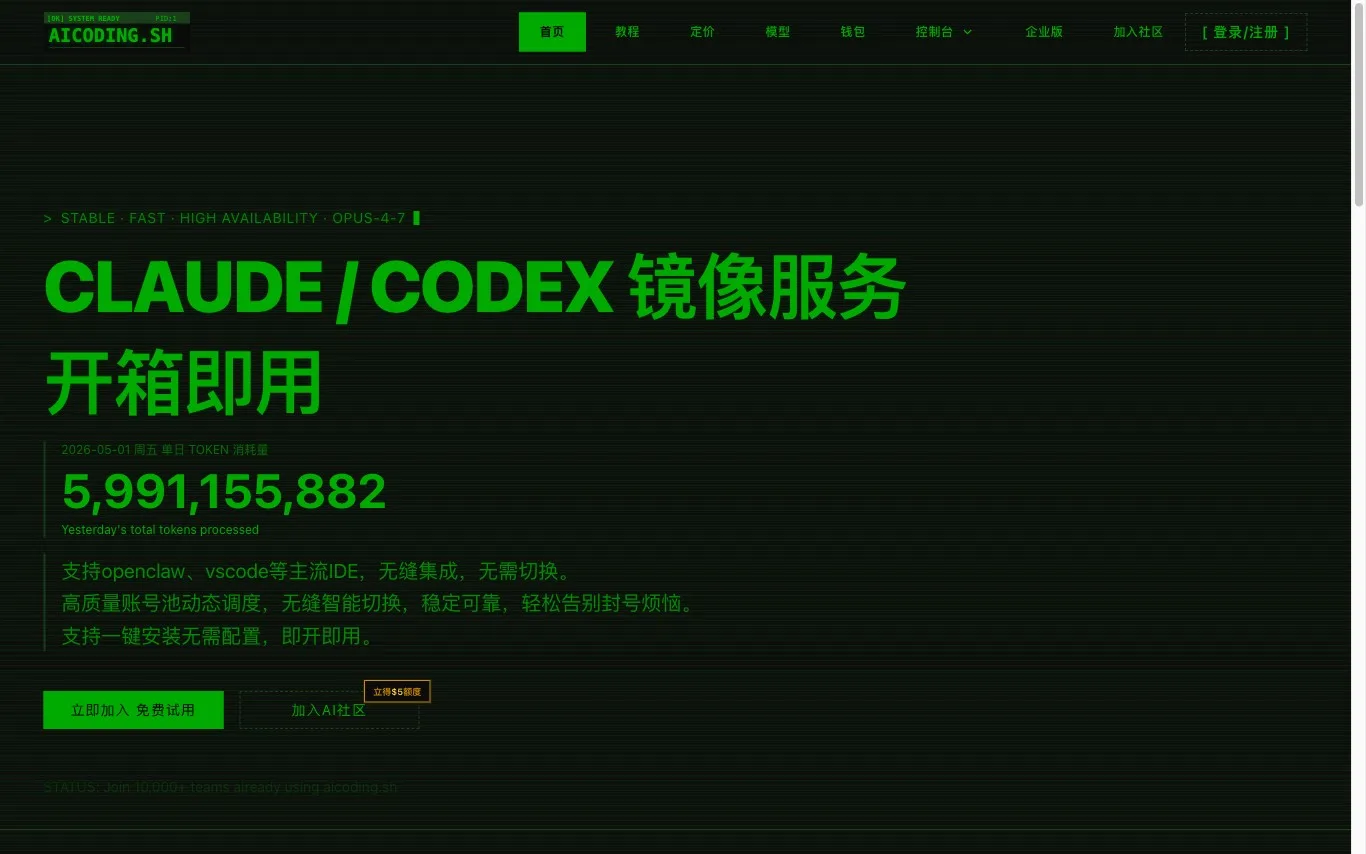
AICodeMirror is a shared service platform that provides stable access to Claude Code, Codex, and Gemini CLI for developers in China, offering subscription tiers and pay-as-you-go credits with multi-node failover and enterprise invoicing.
Coding Proxy · 13 tools
Best Coding Proxy Tools (2026)
Compare coding proxy tools that route AI coding assistants like Claude Code and Cursor to cheaper models, aggregate API keys, cap spending, and log every request.
All Coding Proxy tools


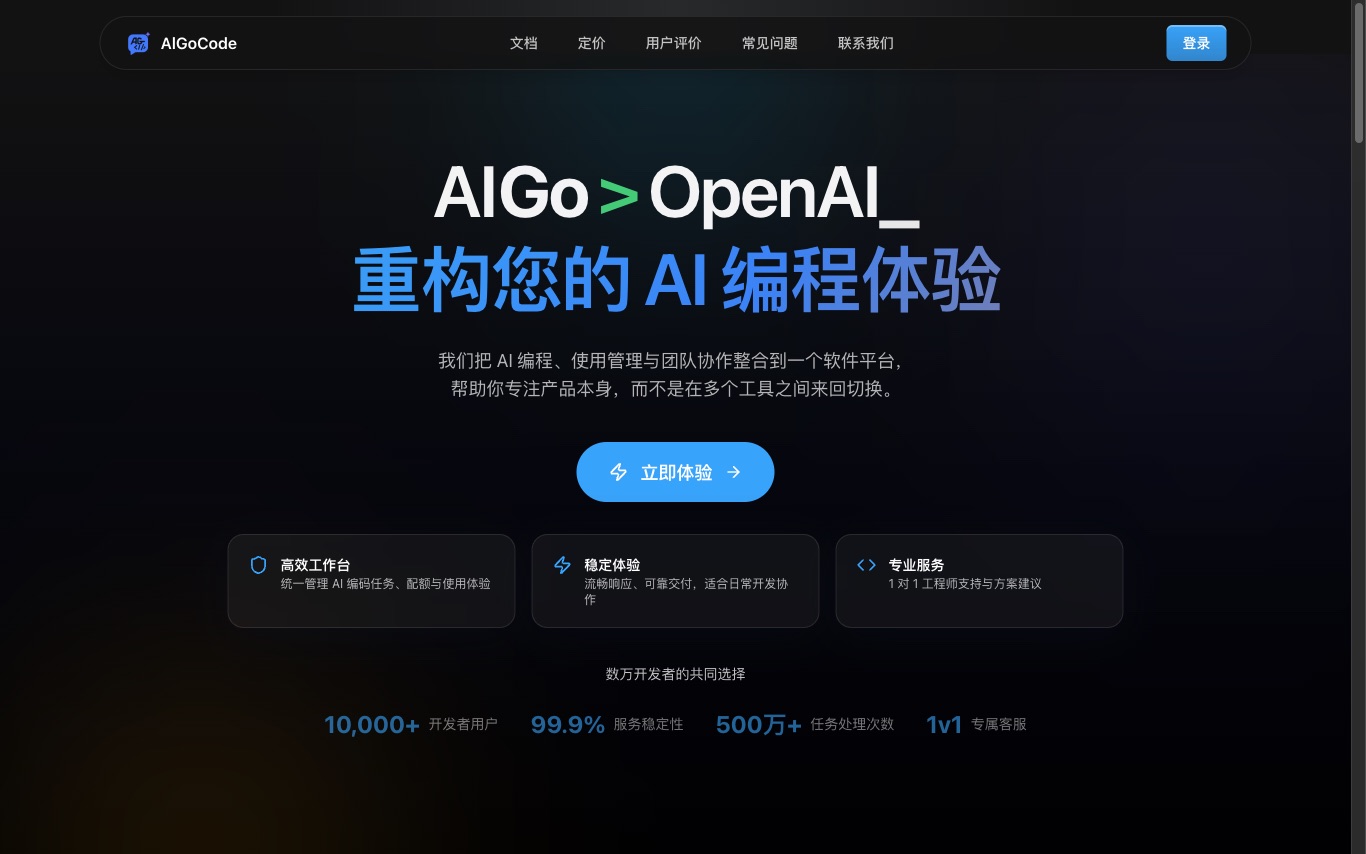
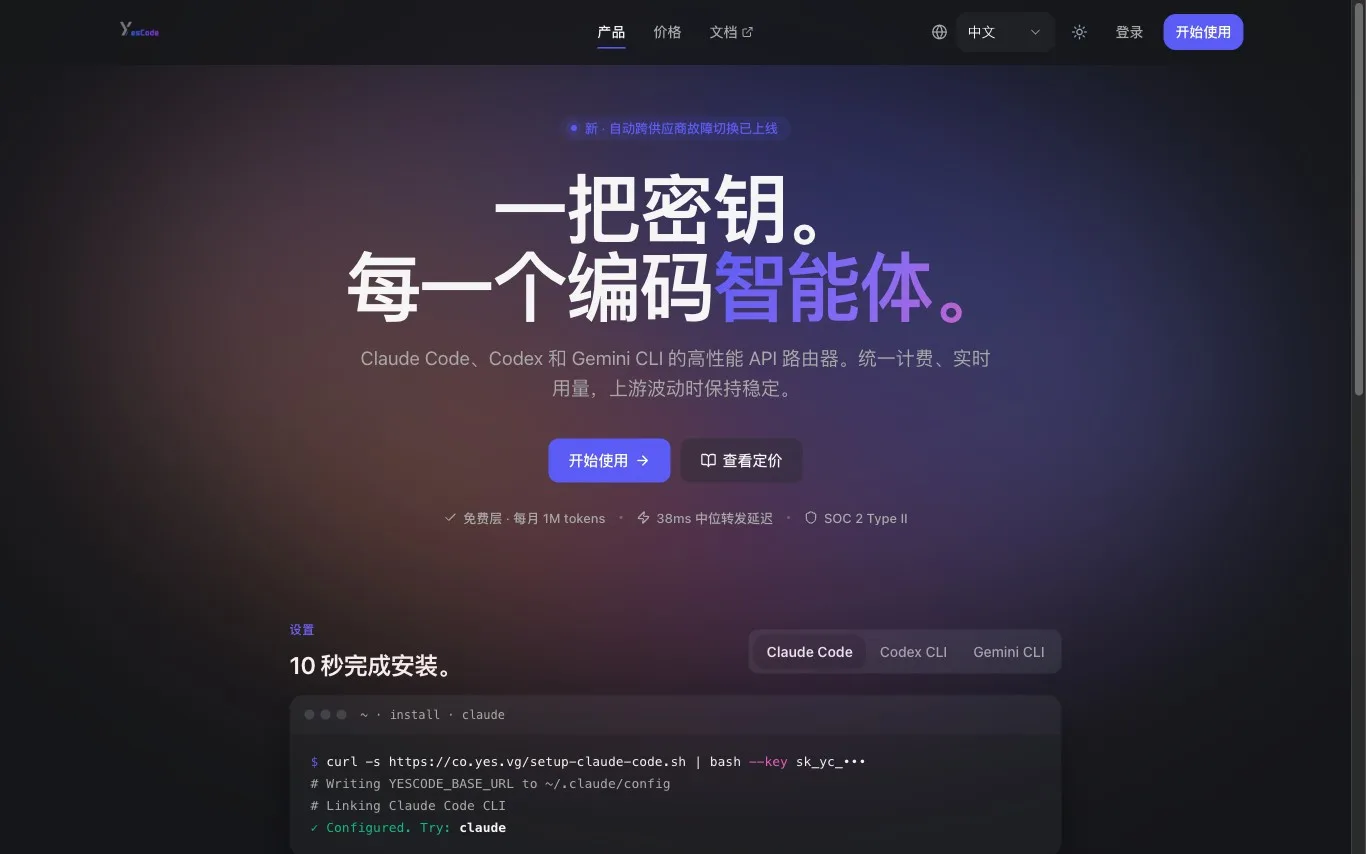
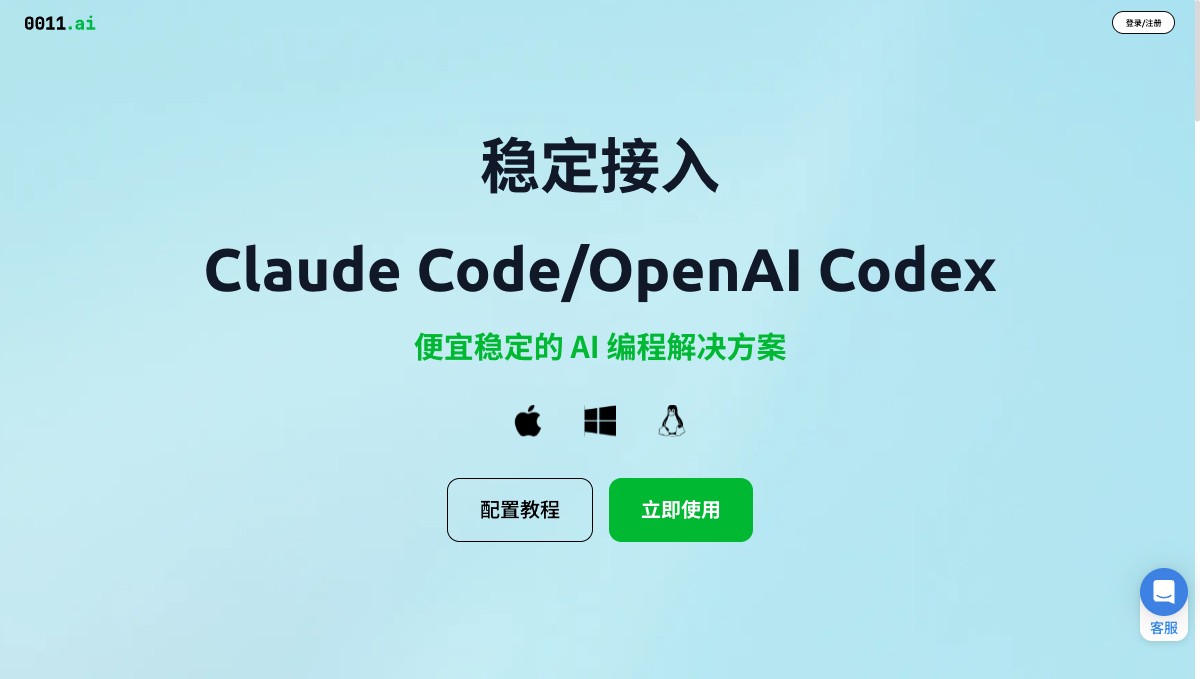
DragonCode provides a single account and unified endpoint to access Claude Code, Codex, and Gemini CLI. Pricing is per-token in CNY at rates lower than official, with full call logs and quick IDE setup.








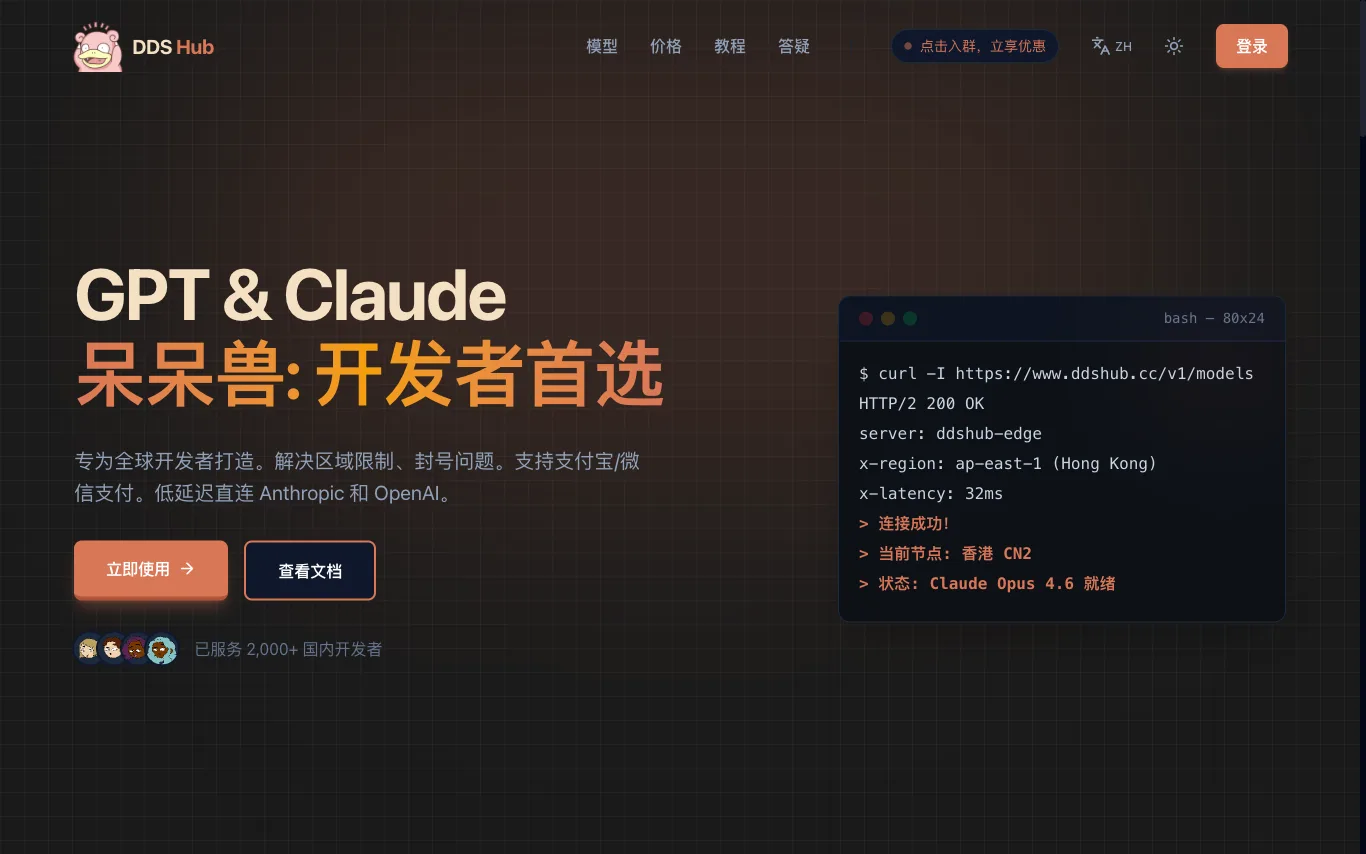

DDS Hub is an API relay service for Claude and GPT models built for developers in China. It routes requests through enterprise-grade static IPs on CN2 dedicated lines (Hong Kong / Tokyo), keeping latency under 50 ms without exposing the user's own IP — eliminating account-ban risk. Credits are billed 1 RMB = 1 USD at Anthropic's official token prices, purchased via Alipay or WeChat Pay.

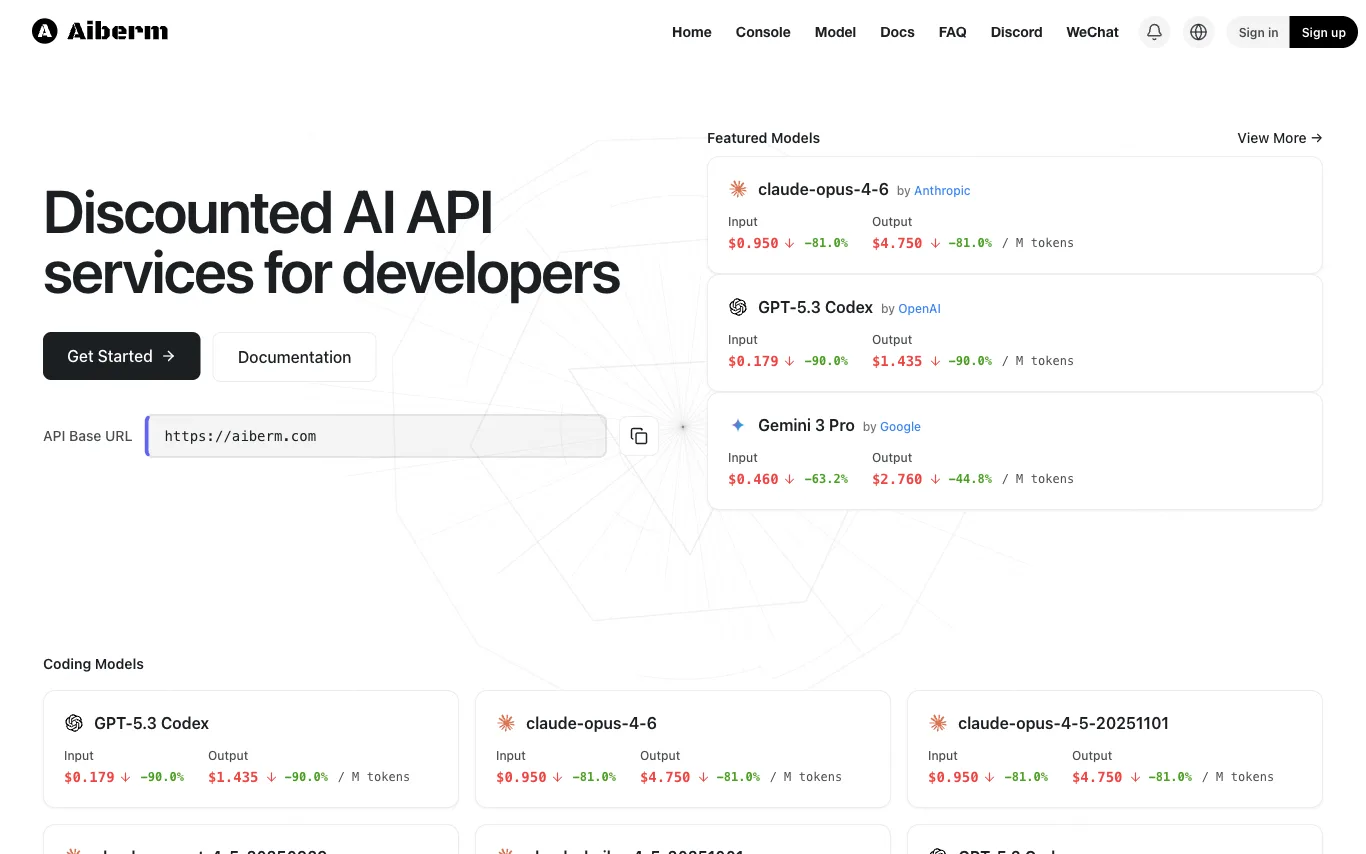

What is a coding proxy?
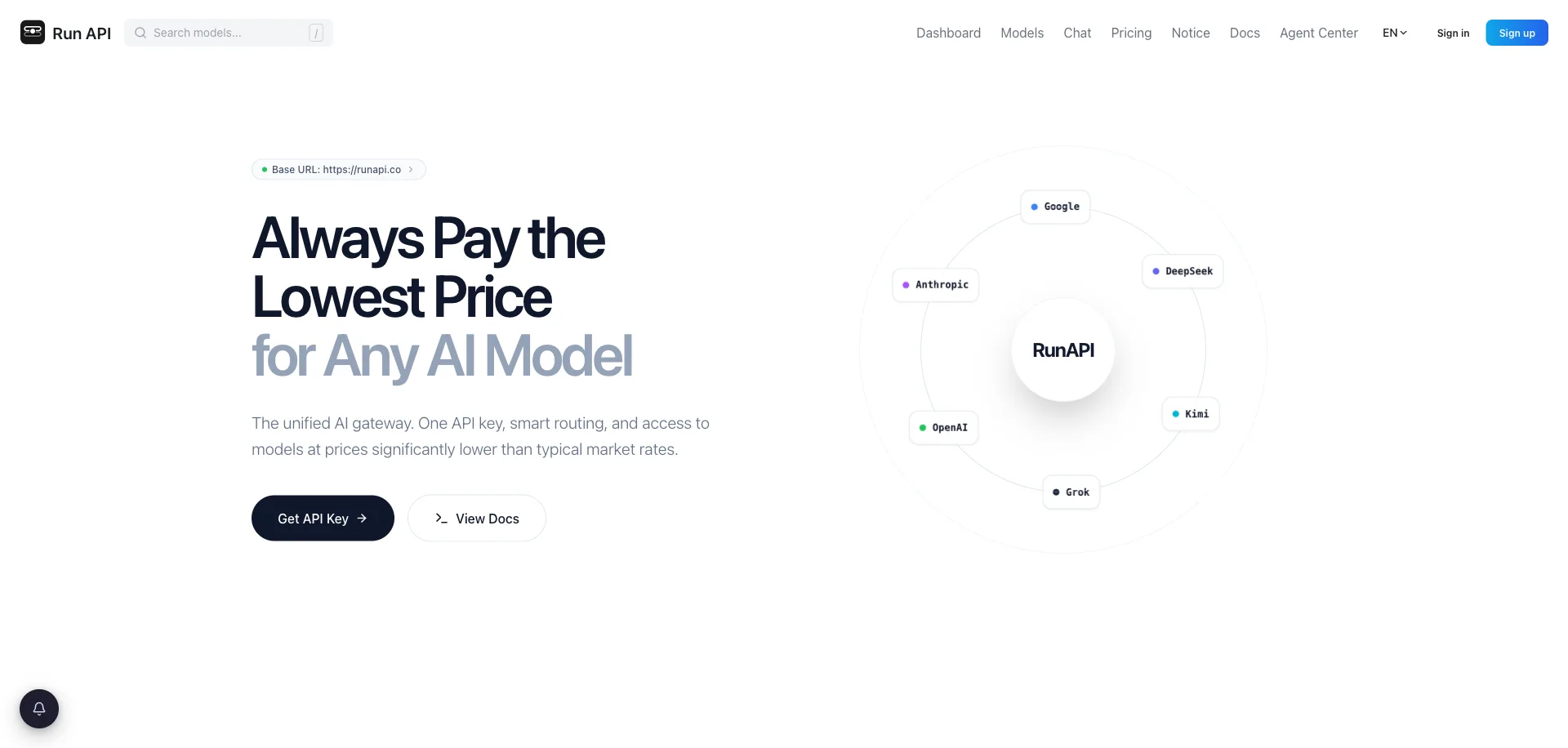
A coding proxy sits between an AI coding tool — Claude Code, Cursor, Cline, or an IDE plugin — and the model providers behind it, speaking the same OpenAI- or Anthropic-compatible API. It lets you swap in a different or cheaper model, pool many API keys, and enforce spend limits without changing the assistant itself. Many also log, cache, and rate-limit every request that passes through.
What coding proxies do
- Drop-in OpenAI- or Anthropic-compatible API endpoint
- Route requests to any model or provider
- Aggregate and rotate multiple API keys
- Per-key budgets, quotas, and rate limits
- Request logging, caching, and usage dashboards
- Fallback and load-balancing across backends
Who uses a coding proxy
01
Cut model costs
Point Claude Code or Cursor at cheaper models to lower per-token spend on the same workflow.
02
Self-hosted key gateway
Teams centralize provider keys behind one endpoint with quotas, rotation, and audit logs.
03
Access blocked models
Reach a model or provider through a relay when it is unavailable in your region or account.
04
Observe and debug agents
Inspect prompts, tokens, and latency for every call an AI coding agent makes.
How a coding proxy works
You point your coding assistant at the proxy's base URL instead of the provider's, using a key the proxy issues. The proxy receives each request, picks a backend model and real API key by your rules, forwards it, and streams the response back unchanged. Along the way it can log the call, count tokens, cache repeats, and retry on a different provider if one fails.