

AI Summarizer · 6 tools
Best AI Summarizer Tools (2026)
Compare AI summarizers that condense articles, PDFs, YouTube videos, research papers, and meeting transcripts into short summaries, key points, and TL;DRs.
All AI Summarizer tools


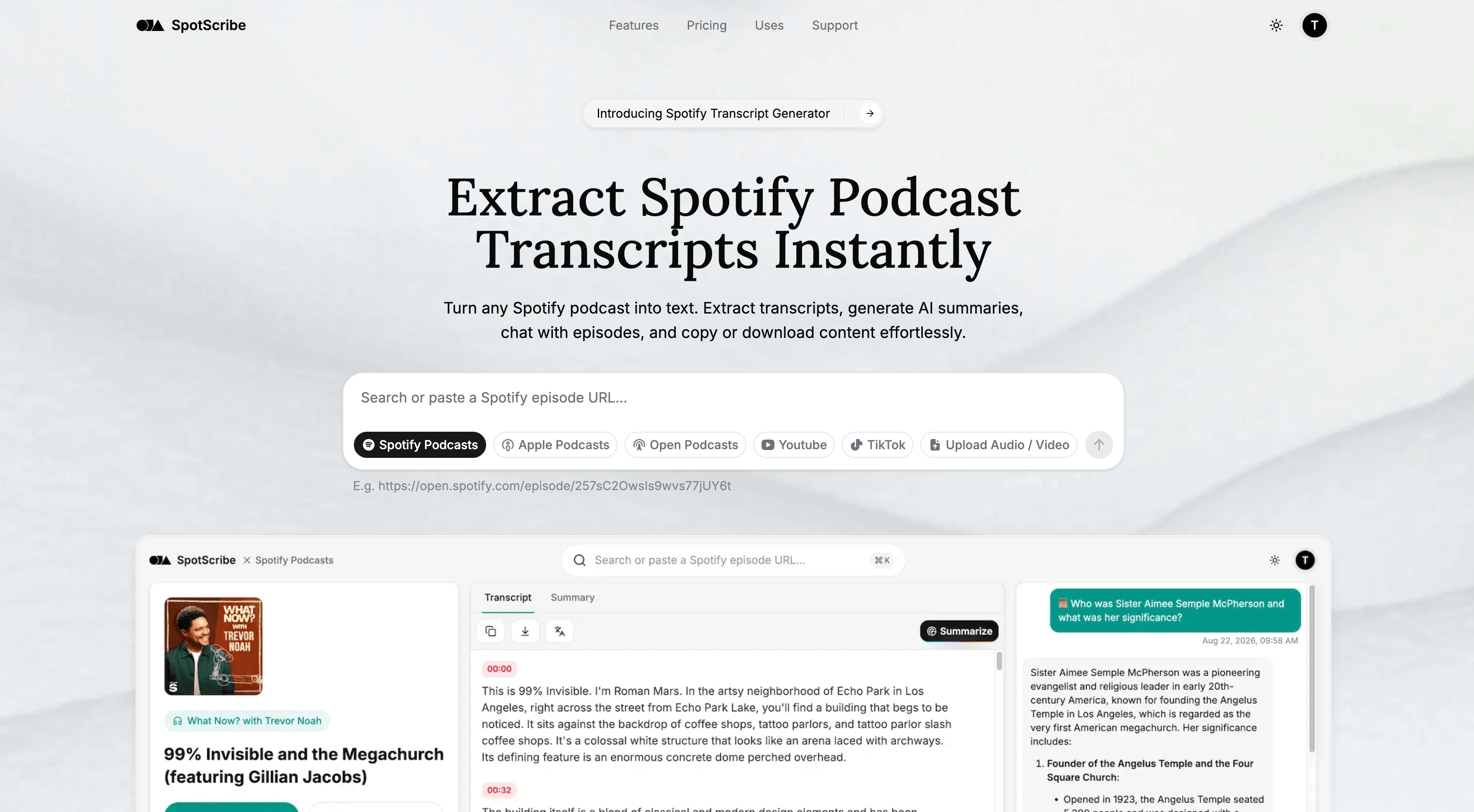

Extract Spotify Podcast Transcripts Instantly


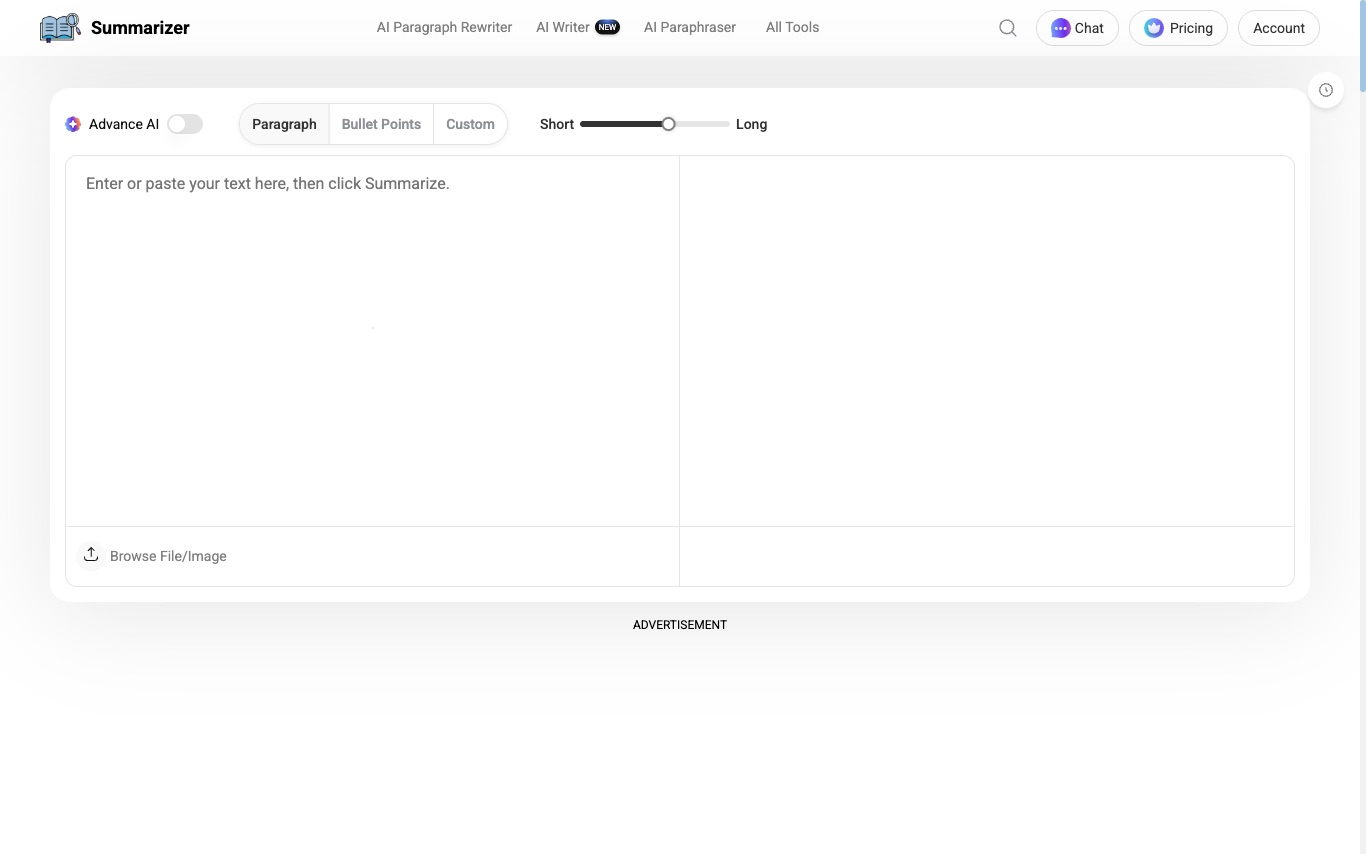

Summarizer is a free online summarizer. Paste text, upload a document, or provide a URL, and it returns a concise summary with key points for quick reading.




Redia is an AI-powered reading companion that transforms complex academic papers, PDFs, EPUBs, and web articles into clear summaries, highlights, and diagrams. It offers features like continuous reading filter, line-by-line alignment, and evidence-based AI discussion to enhance comprehension and research efficiency.
What is an AI summarizer?
An AI summarizer is a tool that reads long text — an article, PDF, transcript, or video — and produces a shorter version that keeps the main points. It uses a large language model to decide what matters and rewrite it as a paragraph, bullet list, or TL;DR. Some also answer questions or pull action items straight from the source.
What AI summarizers do
- Condense long articles, reports, and PDFs into summaries
- Summarize YouTube videos and audio from transcripts
- Output a TL;DR, bullet points, or key takeaways
- Adjustable summary length and reading level
- Extract action items, quotes, and named entities
- Chrome extension and API for bulk summarizing
Who uses AI summarizers
Students and researchers
Digest papers, textbooks, and lecture notes into study-ready notes and key points.
Professionals and teams
Turn meeting transcripts, reports, and long email threads into decisions and action items.
Readers and news followers
Get the gist of long articles, newsletters, and videos before committing time.
Content and SEO writers
Repurpose long-form content into TL;DRs, abstracts, and snippet-ready summaries.
How AI summarizers work
You paste text or a link, or upload a file, and the tool feeds the content to a large language model. The model identifies the central ideas and rewrites them compactly, either by pulling key sentences (extractive) or generating new wording (abstractive). Longer documents are split into chunks, summarized in pieces, then combined into one final summary.