 DR 8
DR 8
DMC
dmc.cc
A unified API for open-source AI models from China.
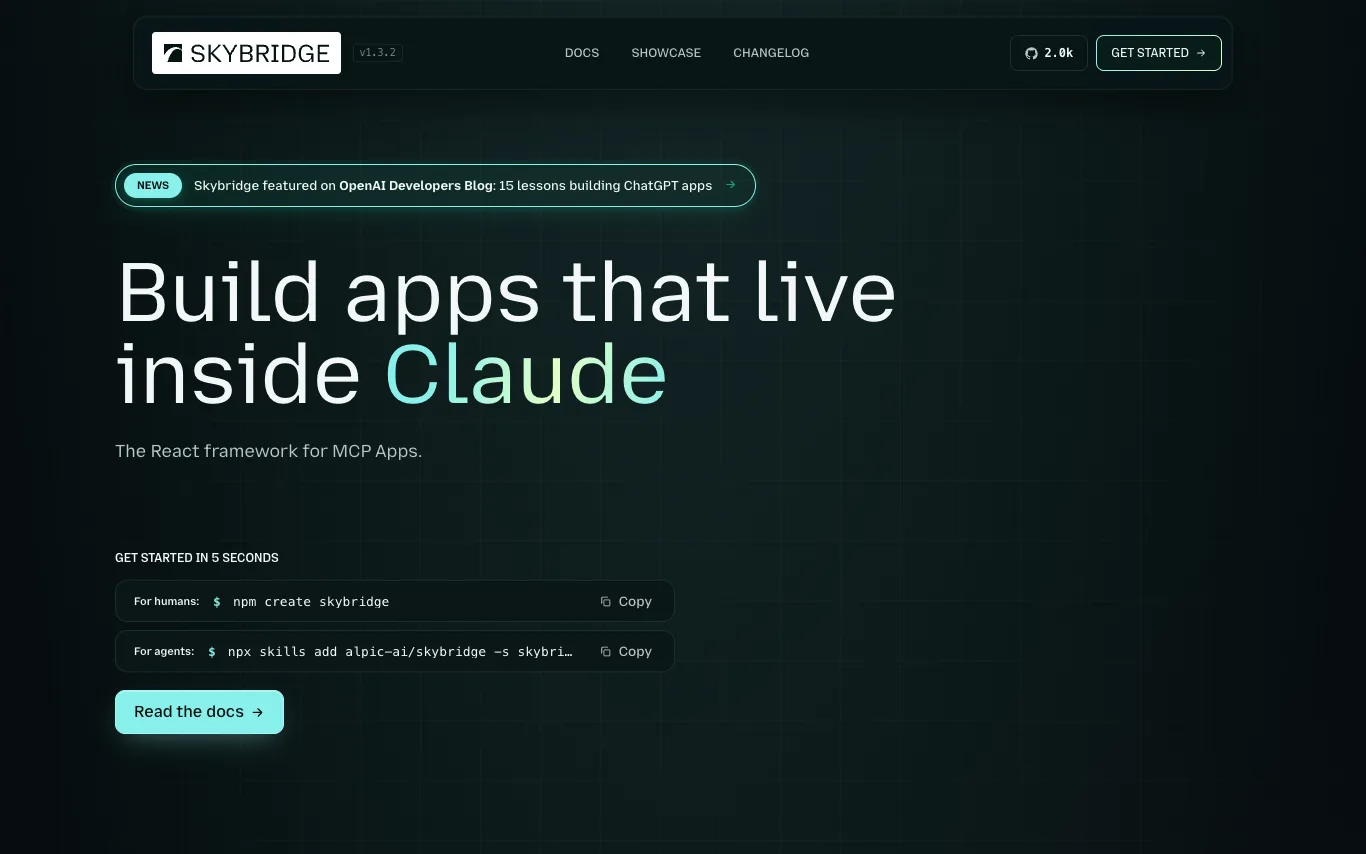
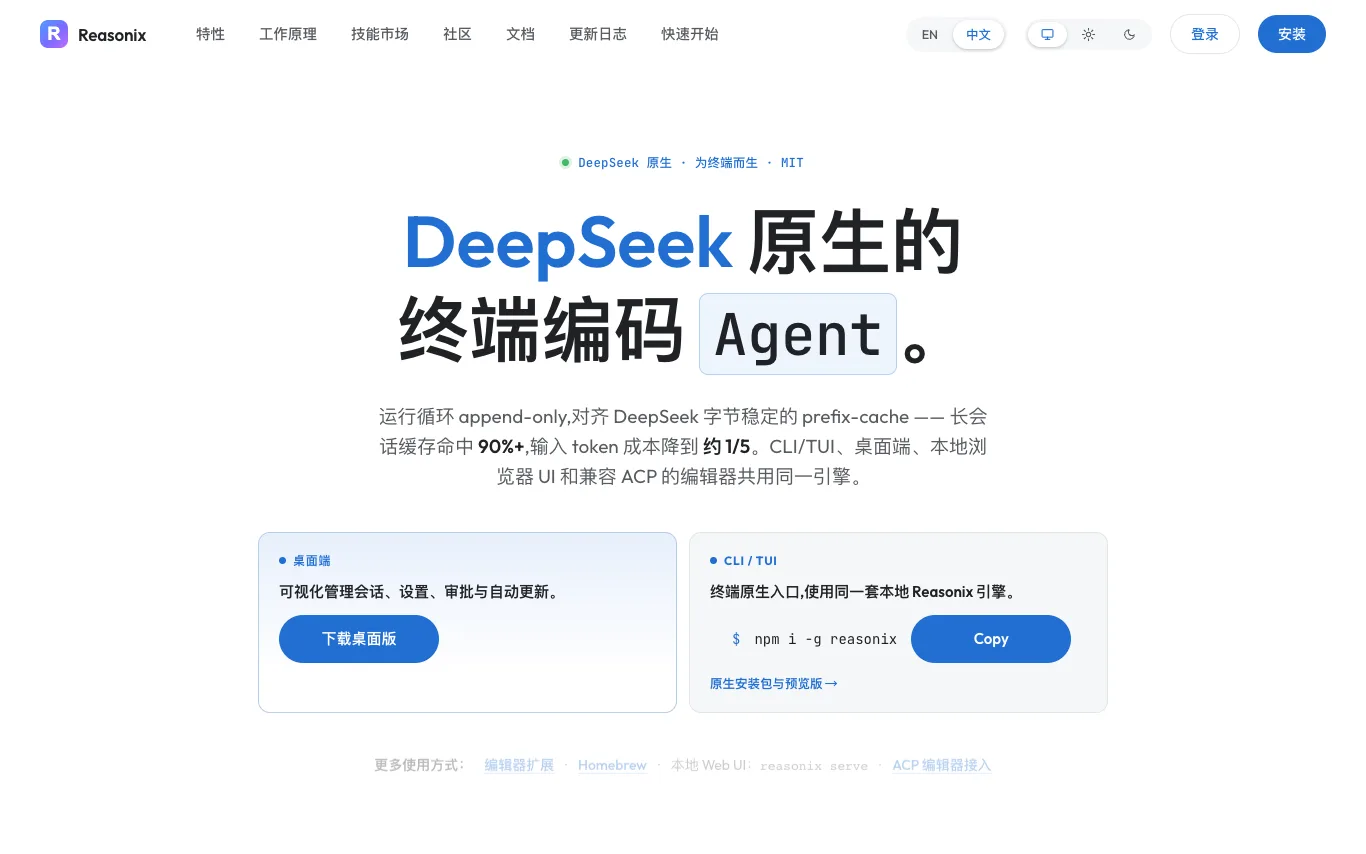
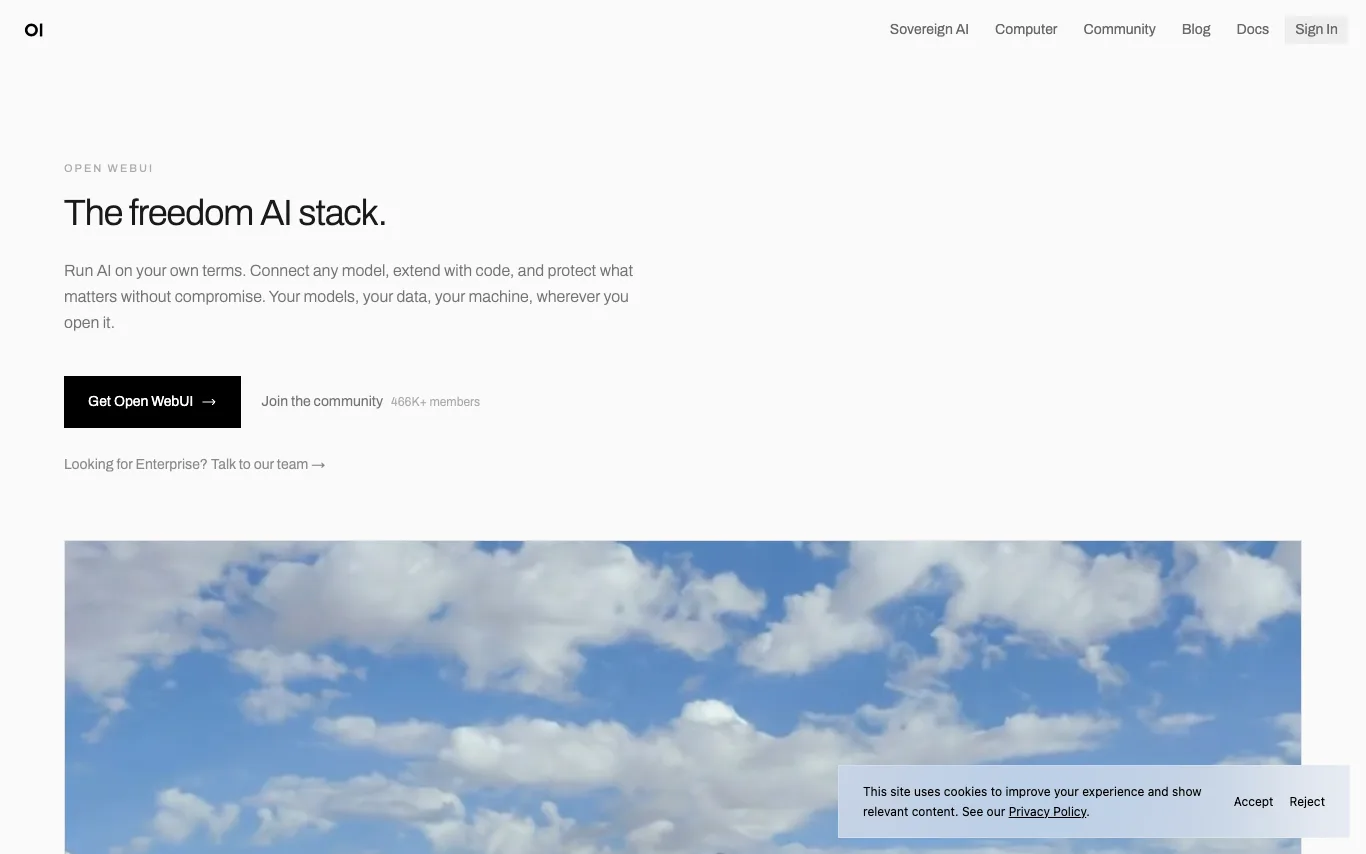
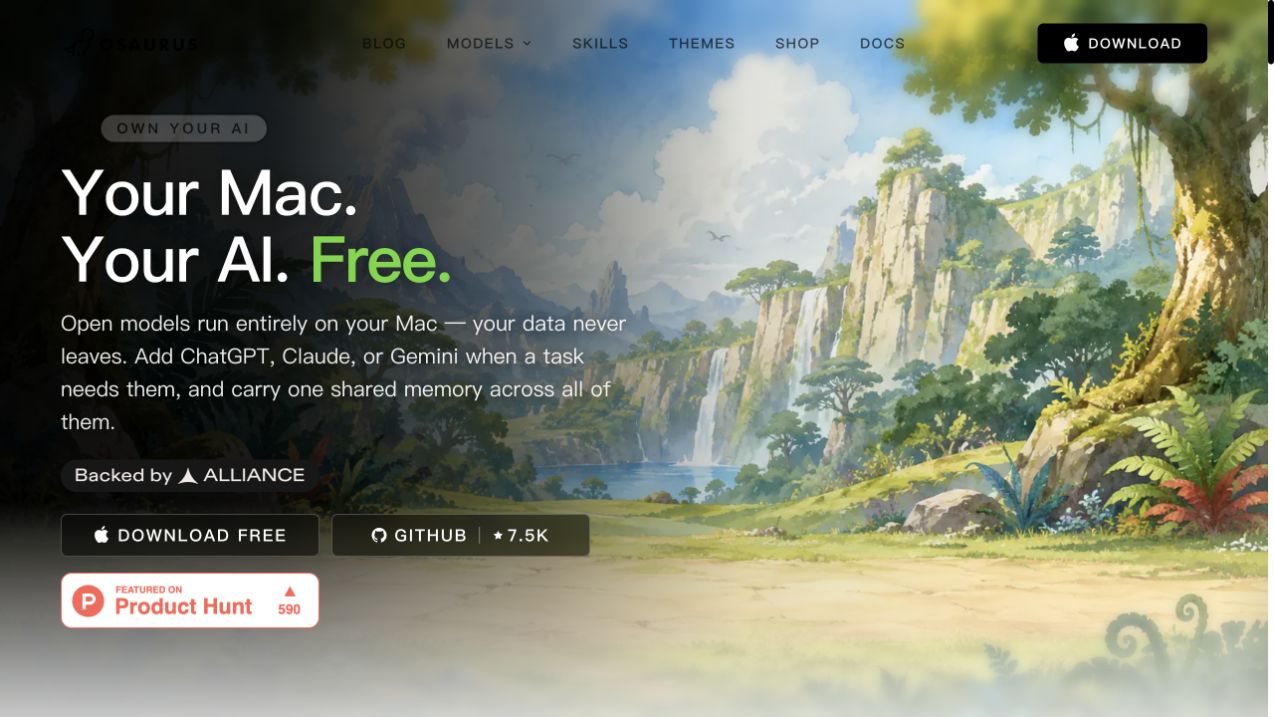
Open Source AI Models · 5 tools
Compare open-source AI models with public weights — open LLMs, image, speech, and multimodal models you can download, self-host, fine-tune, and run offline.
An open-source AI model is a trained model whose weights are published under a license that lets you download, run, and modify it yourself. Instead of calling a paid API, you host it on your own hardware or cloud and keep full control of data and cost. The category spans open LLMs like Llama, Mistral, Qwen, and DeepSeek, plus open image, speech, and embedding models.
Run models on your own servers to control data, latency, and cost.
Adapt an open base model to your data, tone, or a specialized task.
Inspect weights, reproduce results, and experiment with model internals.
Ship AI that runs locally on-device without an internet connection.
Open models are shared as weight files on hubs like Hugging Face, usually with a license spelling out what you may do. You load them with a runtime — llama.cpp, Ollama, vLLM, or Transformers — and run inference on CPU or GPU, optionally quantizing to fit smaller hardware. To specialize a model you fine-tune it on your own dataset, producing a new checkpoint you own.