


OpenRouter provides a unified API interface to 300+ large language models from 60+ providers, finding the best price and uptime for each prompt, with 70T monthly tokens and over 5M users globally.
AI Text API · 17 tools
Best AI Text API Tools (2026)
Compare AI text API providers for LLM chat, text generation, embeddings, speech-to-text, pricing, and free tiers.
All AI Text API tools




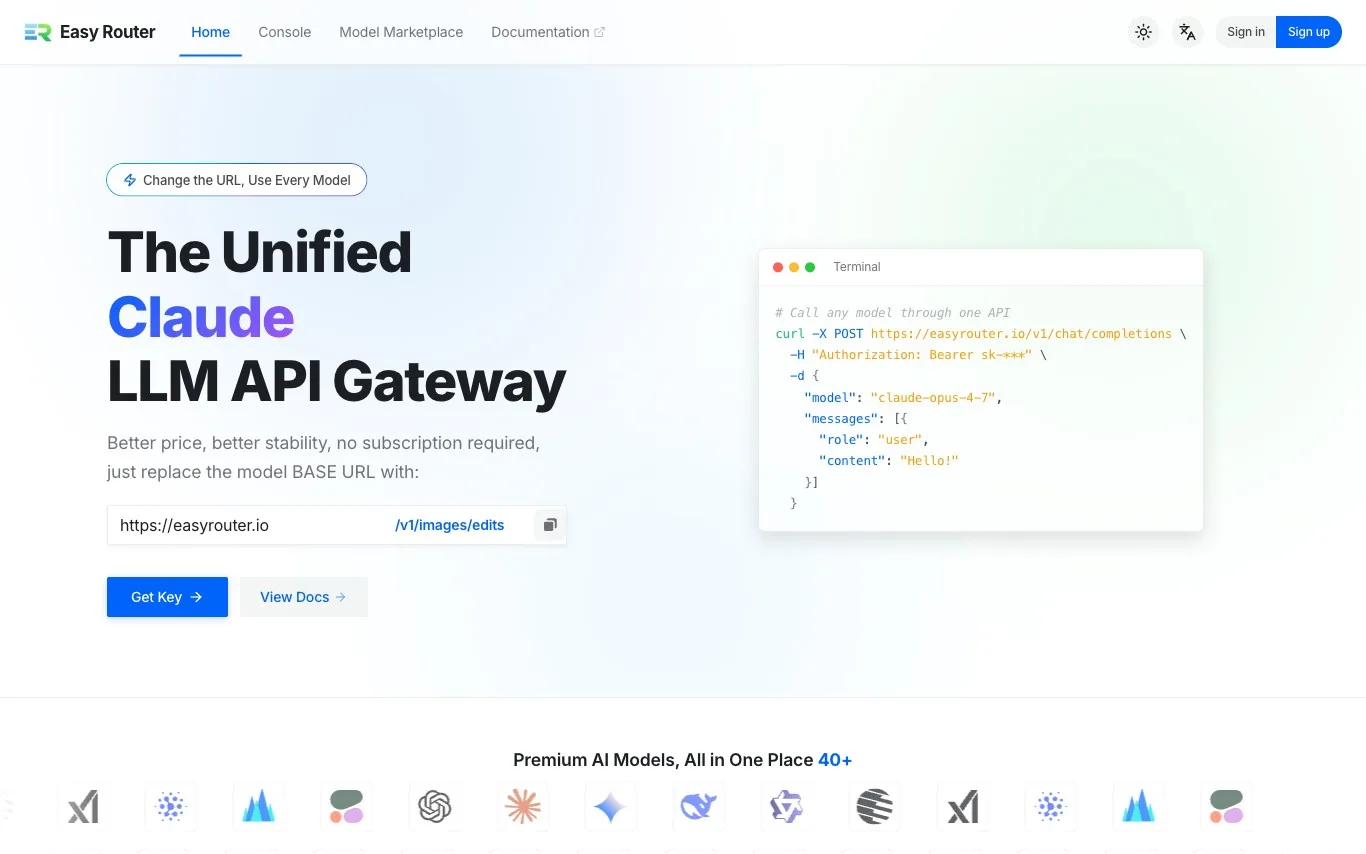

Easy Router is a unified AI API gateway providing OpenAI-compatible access to 40+ models including GPT, Claude, Gemini, DeepSeek, Midjourney, and Suno. Credits-based billing (no subscription), P99 <200ms, 99.9% SLA, and one-line URL swap to get started.


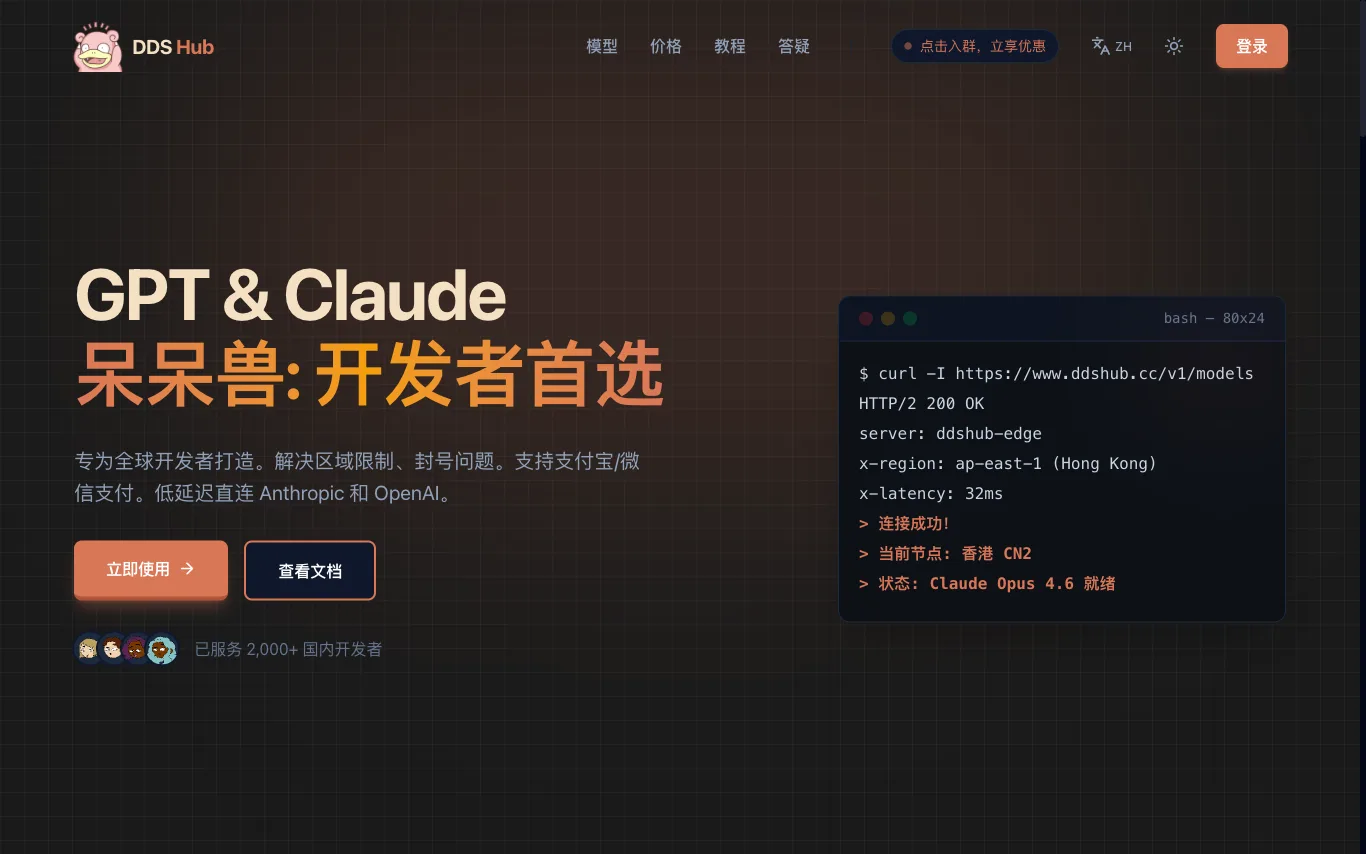

DDS Hub is an API relay service for Claude and GPT models built for developers in China. It routes requests through enterprise-grade static IPs on CN2 dedicated lines (Hong Kong / Tokyo), keeping latency under 50 ms without exposing the user's own IP — eliminating account-ban risk. Credits are billed 1 RMB = 1 USD at Anthropic's official token prices, purchased via Alipay or WeChat Pay.

What is an AI text API?
An AI text API lets developers add language features to apps over HTTP — text generation, chat, embeddings, and speech-to-text — without training models themselves. You send a request and get back generated text, a vector, or a transcript. Providers range from large LLM platforms to focused embedding or transcription APIs.
Core features to look for
- LLM chat and text-generation endpoints
- Text embeddings for search and RAG
- Speech-to-text and text-to-speech
- Streaming, function calling, and JSON output
- Usage-based pricing and rate limits
- SDKs, free tiers, and open-model options
Who uses AI text APIs, and how
01
LLM text generation
Add chat, summarization, or drafting to an app via a completion API.
02
Embeddings & search
Generate vectors for semantic search, RAG, and recommendations.
03
Speech APIs
Transcribe audio or synthesize voice with speech-to-text and TTS.
04
Free & pricing
Compare free tiers, per-token cost, rate limits, and open models.
How does an AI text API work?
AI text APIs host models on the provider's servers and expose them over HTTP. You send a prompt or audio with your API key, the model runs remotely, and the response returns as text, a vector, or a transcript — usually billed per token or per minute. SDKs and streaming make integration easier.