


ElevenLabs is a voice AI platform for creating lifelike speech, voice cloning, and building voice agents. It offers APIs and SDKs for developers to integrate voice capabilities into applications.
AI Voice Cloning · 9 tools
Best AI Voice Cloning Tools (2026)
Compare AI voice cloning tools that recreate a real voice from a short sample for narration, dubbing, multilingual text-to-speech, and voice preservation.
All AI Voice Cloning tools
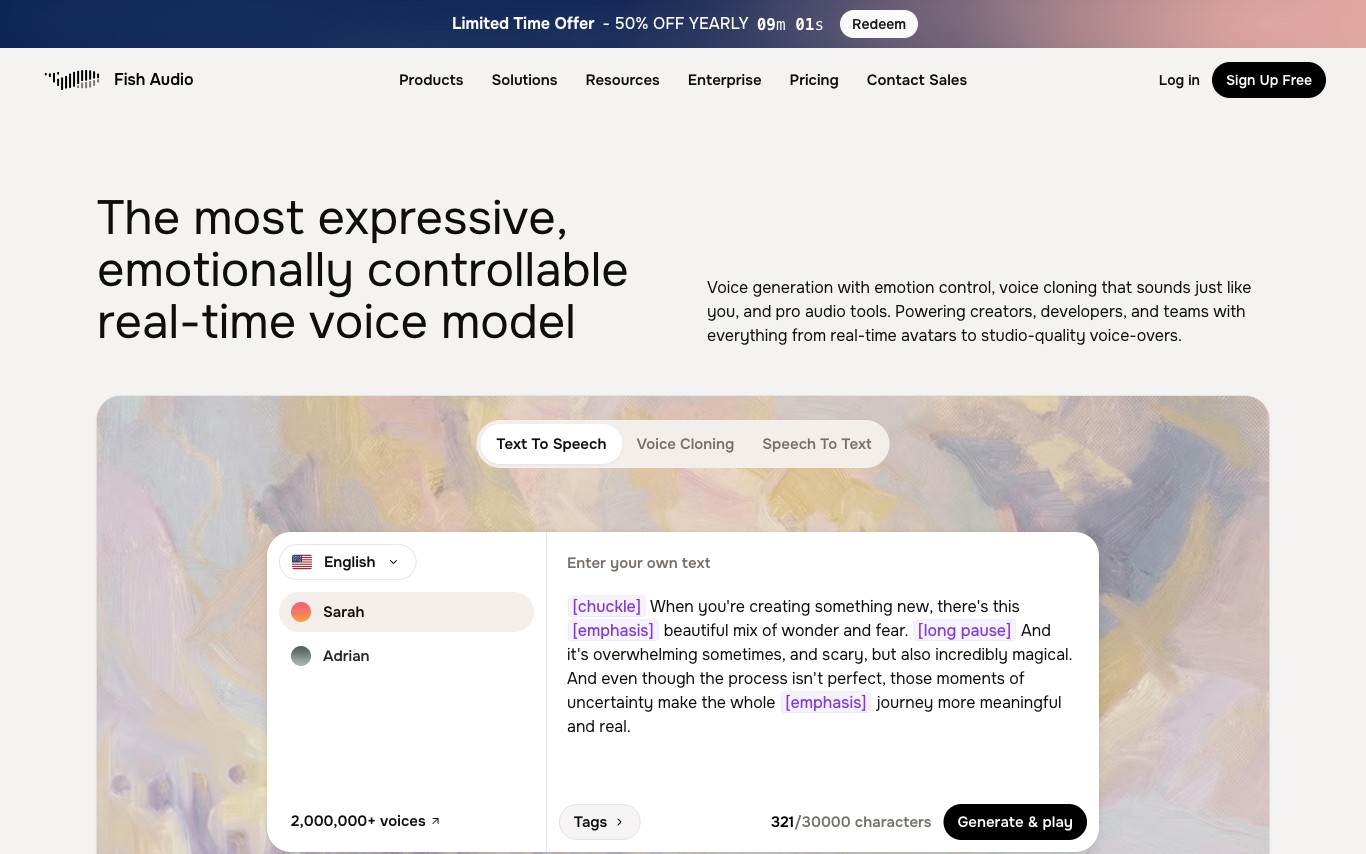

Fish Audio is an AI voice platform offering studio-grade text-to-speech and voice cloning. It supports 2,000,000+ community voices across 8 languages, with real-time streaming, emotion control, and a developer API — built for creators, developers, and production teams.
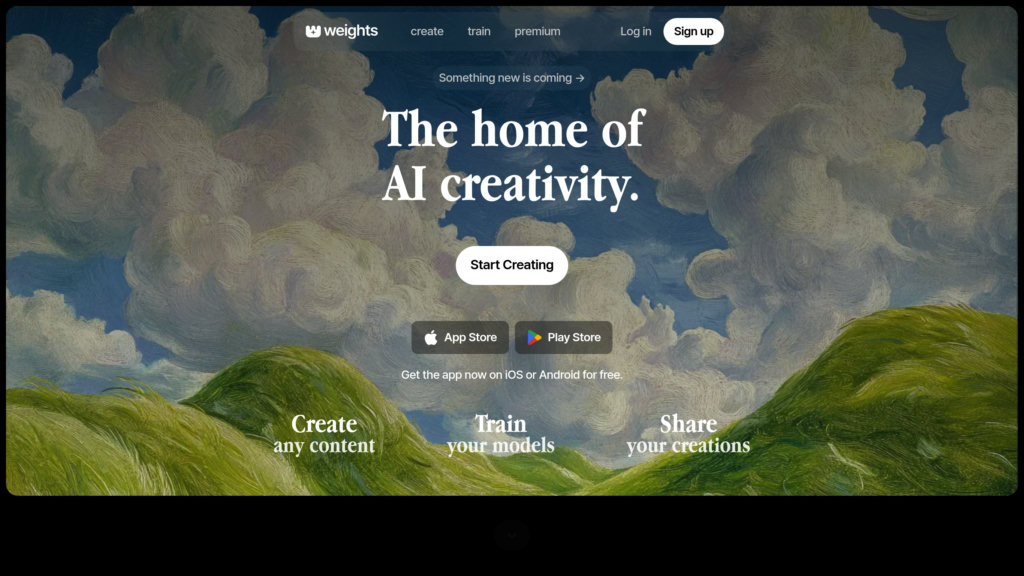

Weights.gg is a cloud-based creative AI platform where users train custom voice models from audio or video sources, produce AI-generated music covers, images, and videos, and interact with AI characters that retain conversation memory. Cross-device access and community content sharing are fully supported.
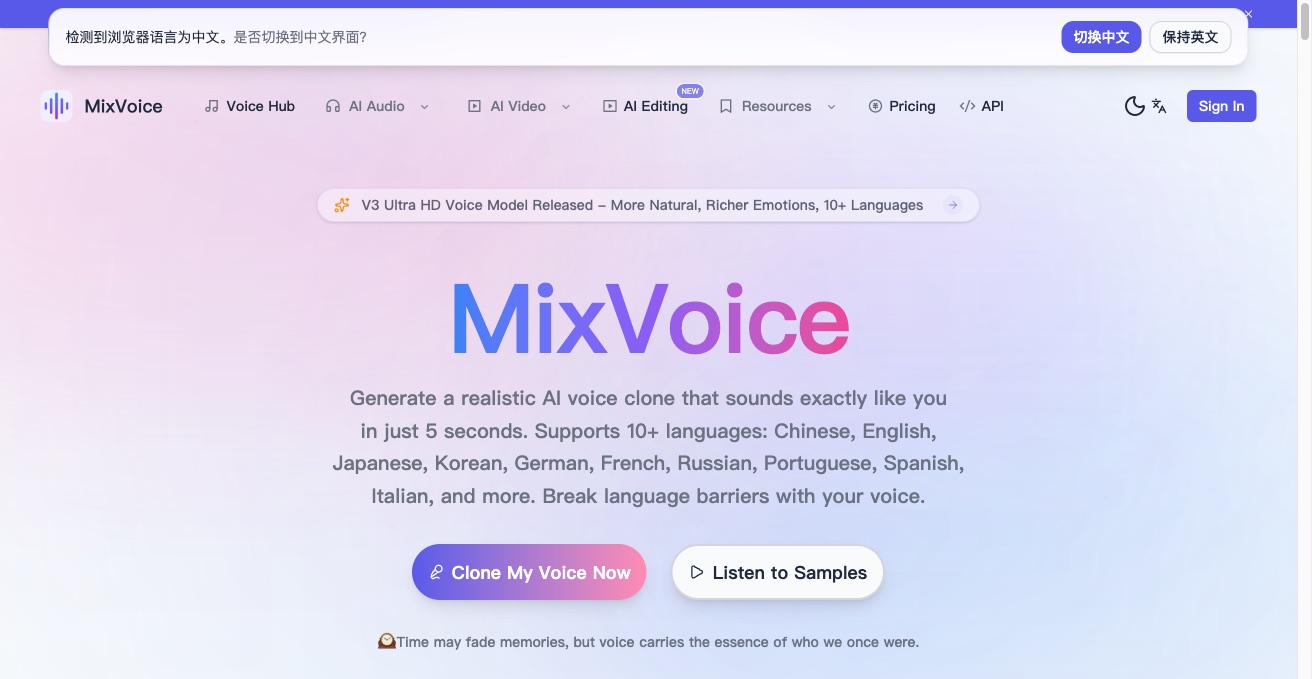

AI Clone Voice Free clones any voice from a short sample and uses the cloned model for text-to-speech. Free to use with no signup for creators and hobbyists.
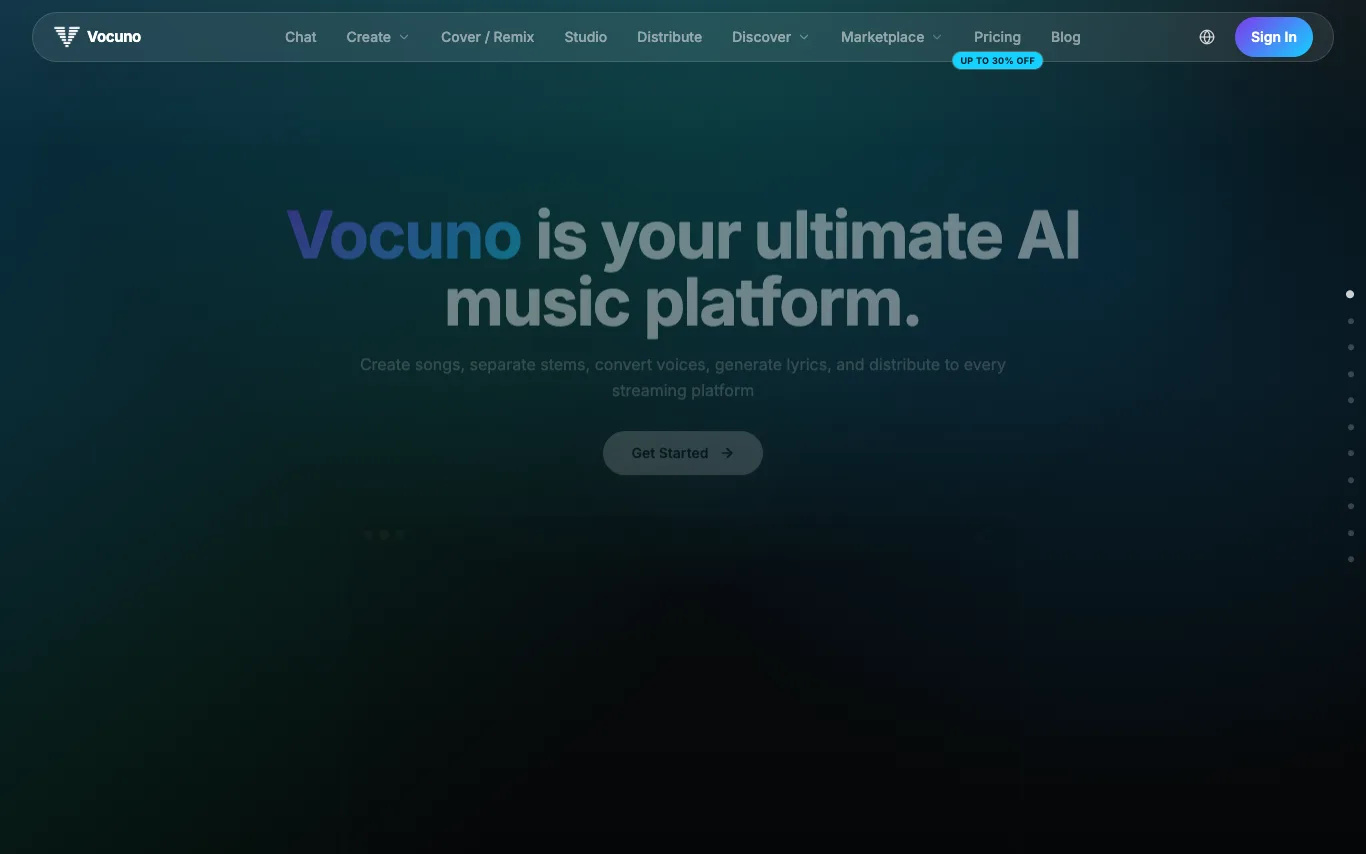

Vocuno is an AI music platform that offers tools for creating songs, separating stems, converting voices, generating lyrics, and distributing music to streaming platforms. It integrates multiple AI music models into one workflow, allowing creators to produce high-quality results without switching between different tools. Trusted by artists with over 5 million monthly listeners, Vocuno aims to streamline the music creation process.
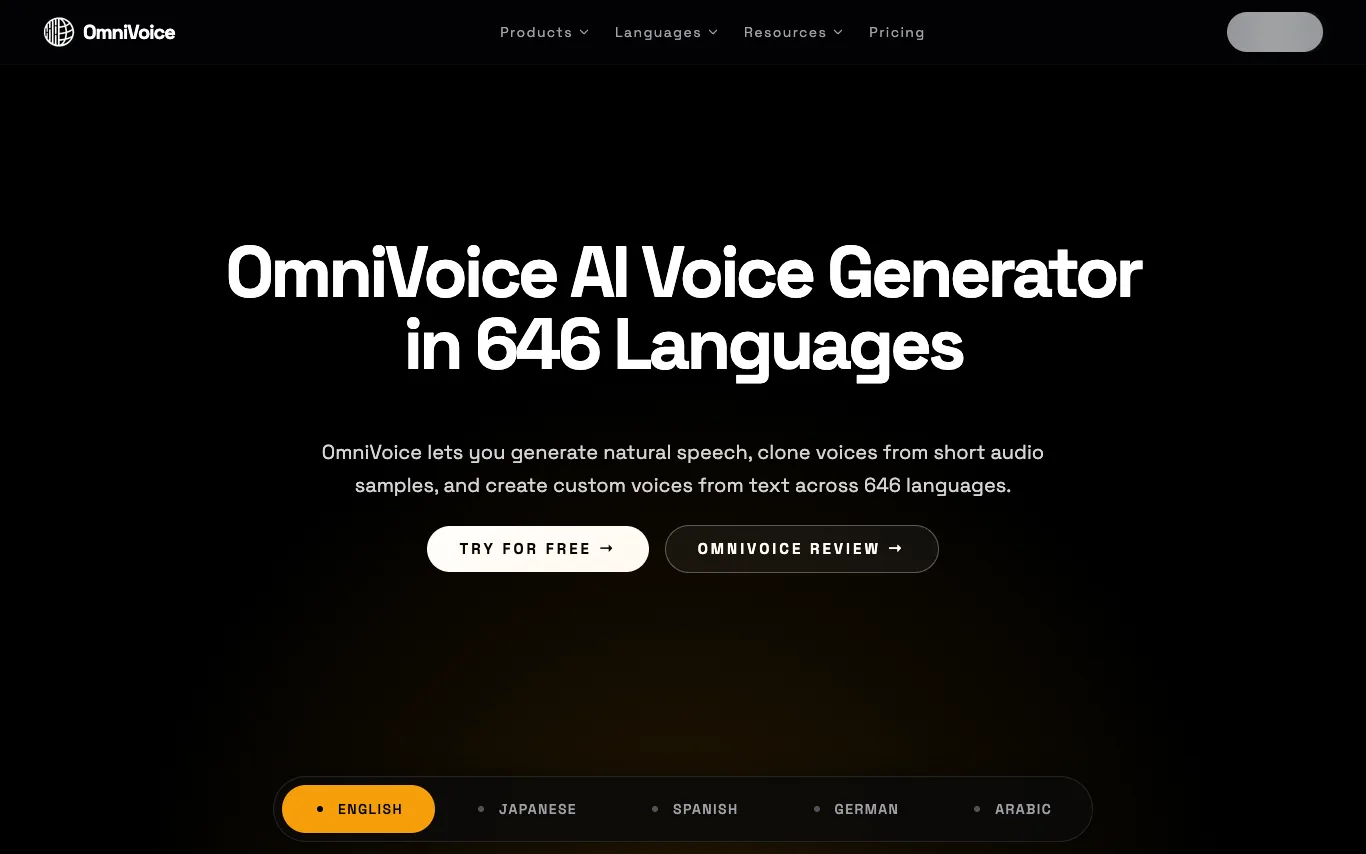

OmniVoice is a free, open-source AI voice generator that supports 646 languages. It converts text to natural-sounding speech, clones voices from a short audio sample (zero-shot Voice Cloning), or creates a voice from a text description alone (Voice Design). Developed by the k2-fsa research team and trained on 581,000 hours of open-source speech data. OmniVoice is released under Apache 2.0, free for personal and commercial use.
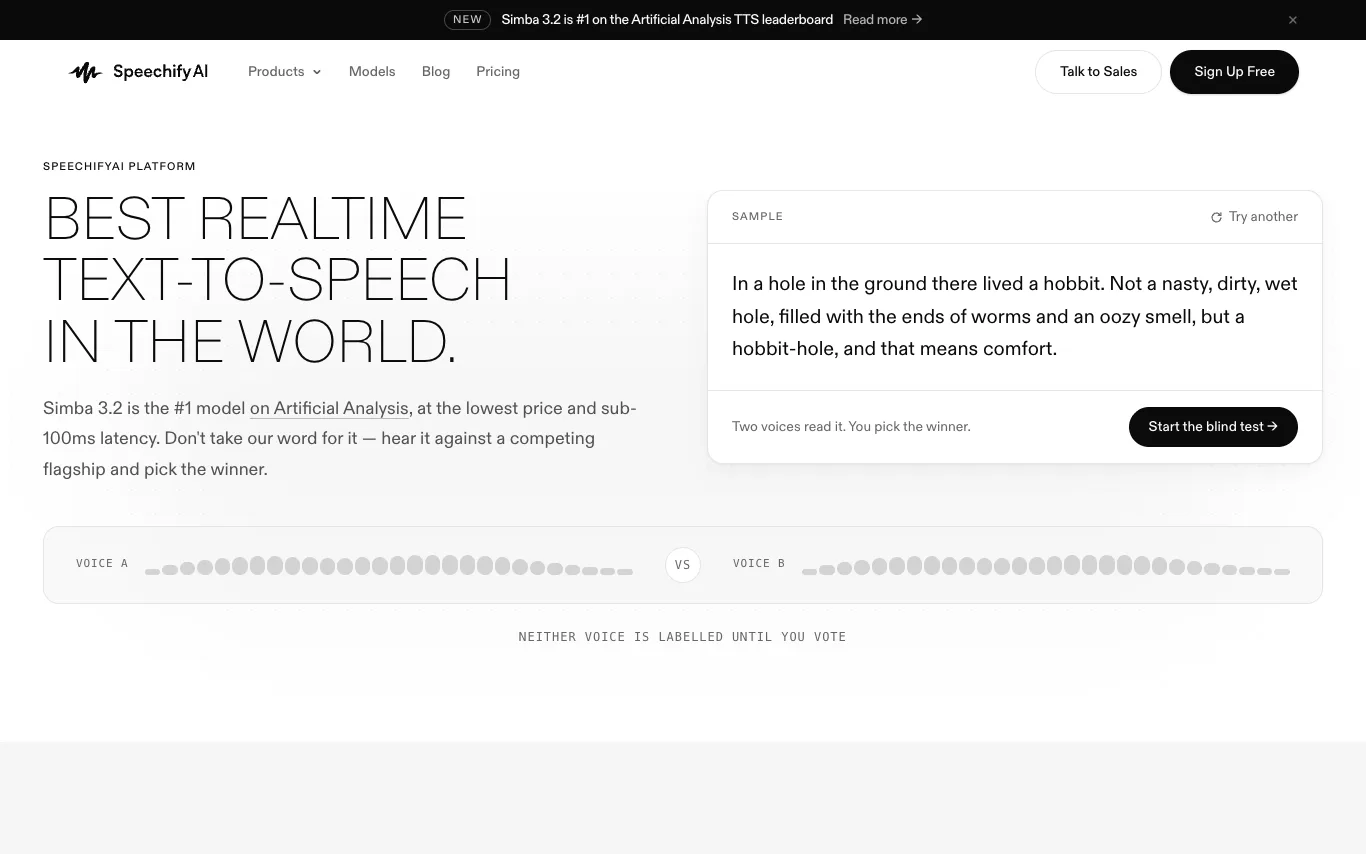

SpeechifyAI is a research lab advancing speech synthesis, voice cloning, and emotional expression. Its flagship model, Simba 3.2, is ranked #1 on Artificial Analysis TTS leaderboard, offering sub-100ms latency and low cost. The platform provides a single API for streaming, voice cloning, emotion control, and multilingual synthesis across 30+ locales.
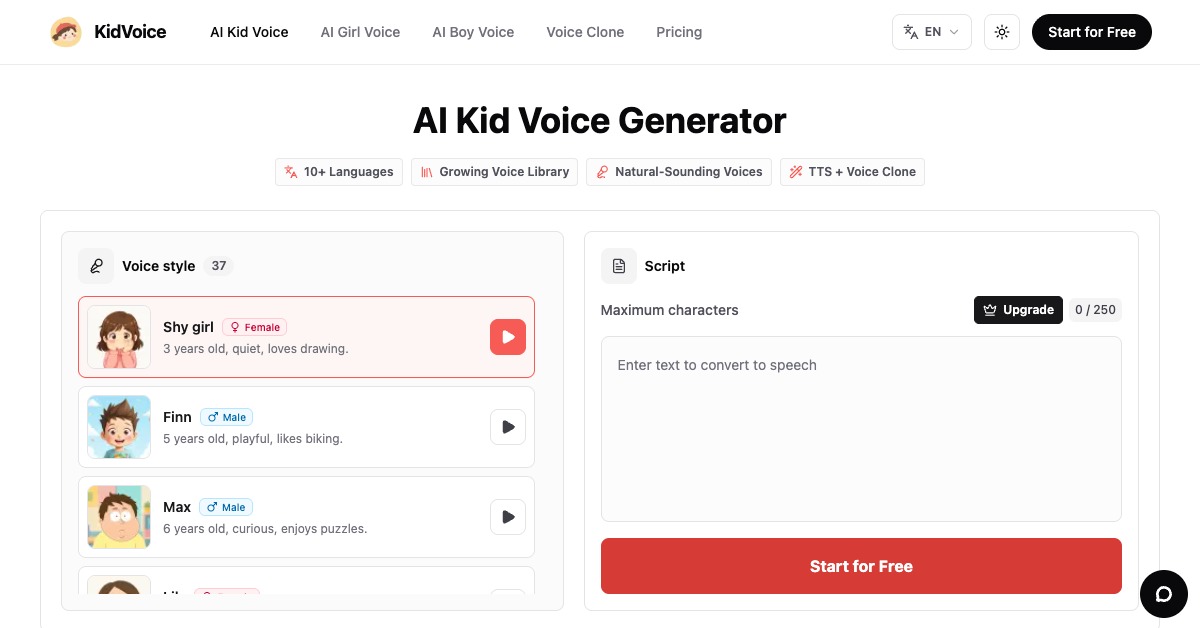

Our advanced voice generator creates authentic and engaging children's voices for all your creative projects.
What is AI voice cloning?
AI voice cloning creates a synthetic copy of a specific person's voice from a short audio sample, then makes that voice read any text you type. Modern systems capture timbre, accent, and speaking style, and some clone a voice from seconds of audio (zero-shot) rather than hours of recording. The result powers narration, dubbing, and personal voice assistants.
Key features of voice cloning tools
- Clone a voice from seconds of sample audio
- Text-to-speech playback in the cloned voice
- Cross-language cloning that keeps the original voice
- Emotion, pace, and emphasis controls
- Real-time voice conversion and voice changer mode
- API and SDK for apps and pipelines
Who uses AI voice cloning?
01
Content creators
Narrate videos, podcasts, and audiobooks without re-recording every time a script changes.
02
Localization and dubbing
Dub videos into other languages while keeping the original speaker's own voice.
03
Accessibility and voice preservation
Preserve a personal voice before medical loss, or restore it for everyday communication.
04
Developers and product teams
Add branded, consistent narration to apps, games, and phone systems through an API.
How AI voice cloning works
The system encodes a voice sample into a compact 'voice print' that captures its unique characteristics. A text-to-speech model then generates new speech conditioned on that voice print, so any words come out in the cloned voice. Zero-shot models do this from a few seconds, while higher-fidelity clones are trained on more of your recordings.