

AI API · 17 tools
Best AI API Tools (2026)
Compare AI APIs and model gateways for adding LLMs, image generation, speech, and embeddings to your app — from single-provider endpoints to unified multi-model platforms.
All AI API tools

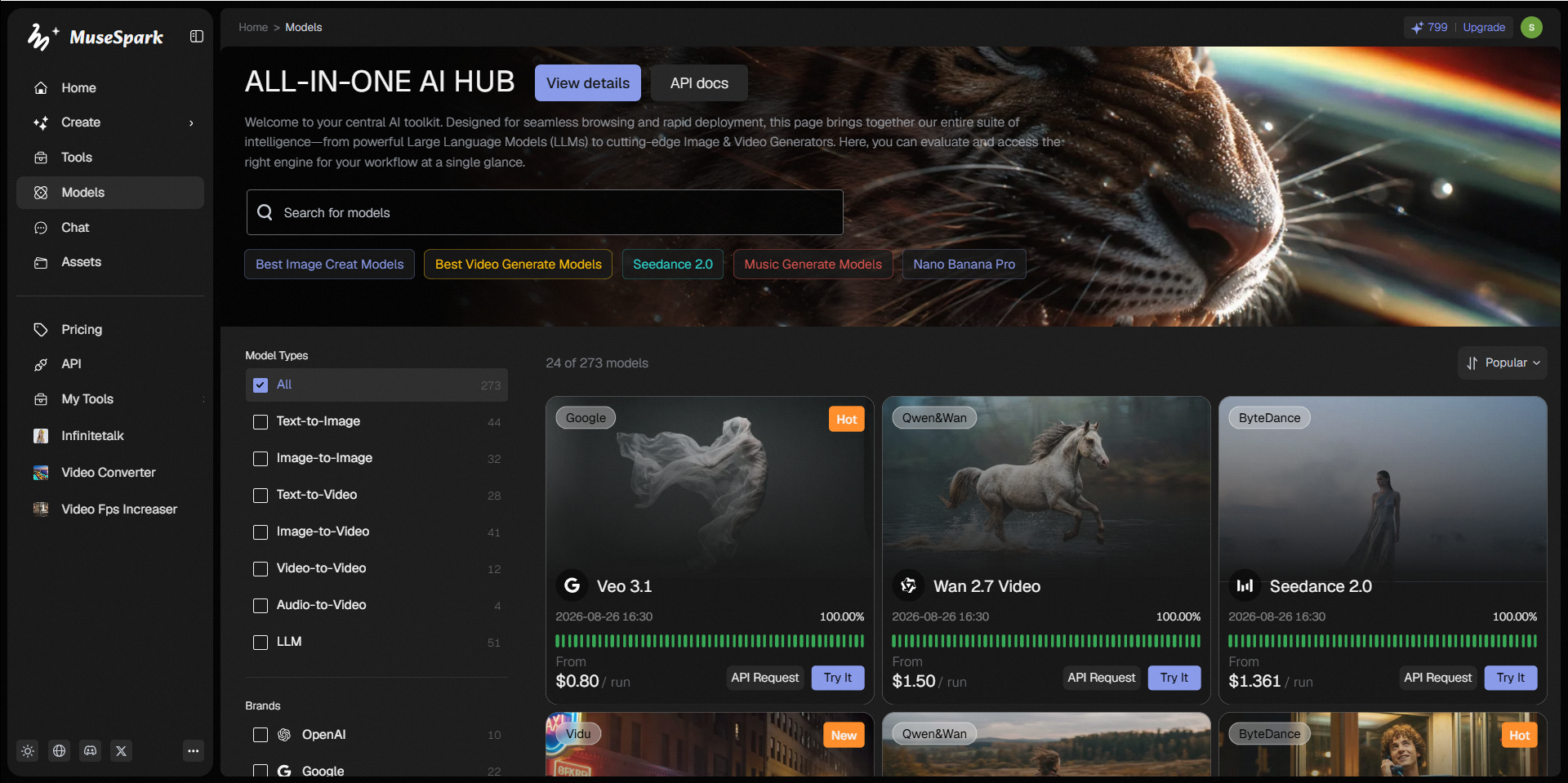

MuseSpark is an upcoming platform designed to provide online access and an API to a diverse range of artificial intelligence models. Its primary value proposition is enabling users to transform creative ideas into tangible outputs across various media types. The platform is structured to support the generation of content including images, videos, 3D models, audio, avatars, and text. It aims to serve creators, developers, and anyone looking to leverage advanced AI for content creation, offering access to models like Kling O3, Sora, and Flux.2. By offering a centralized hub for numerous AI models, MuseSpark allows users to experiment with different generative capabilities. This enables them to bring their inspirations to life, whether for artistic projects, digital media production, or exploring new creative possibilities.


TypeSafe AI is a San Francisco lab building System One models for automation. Its first public model, Jev, answers typed questions against a state and returns structured decisions code can act on.
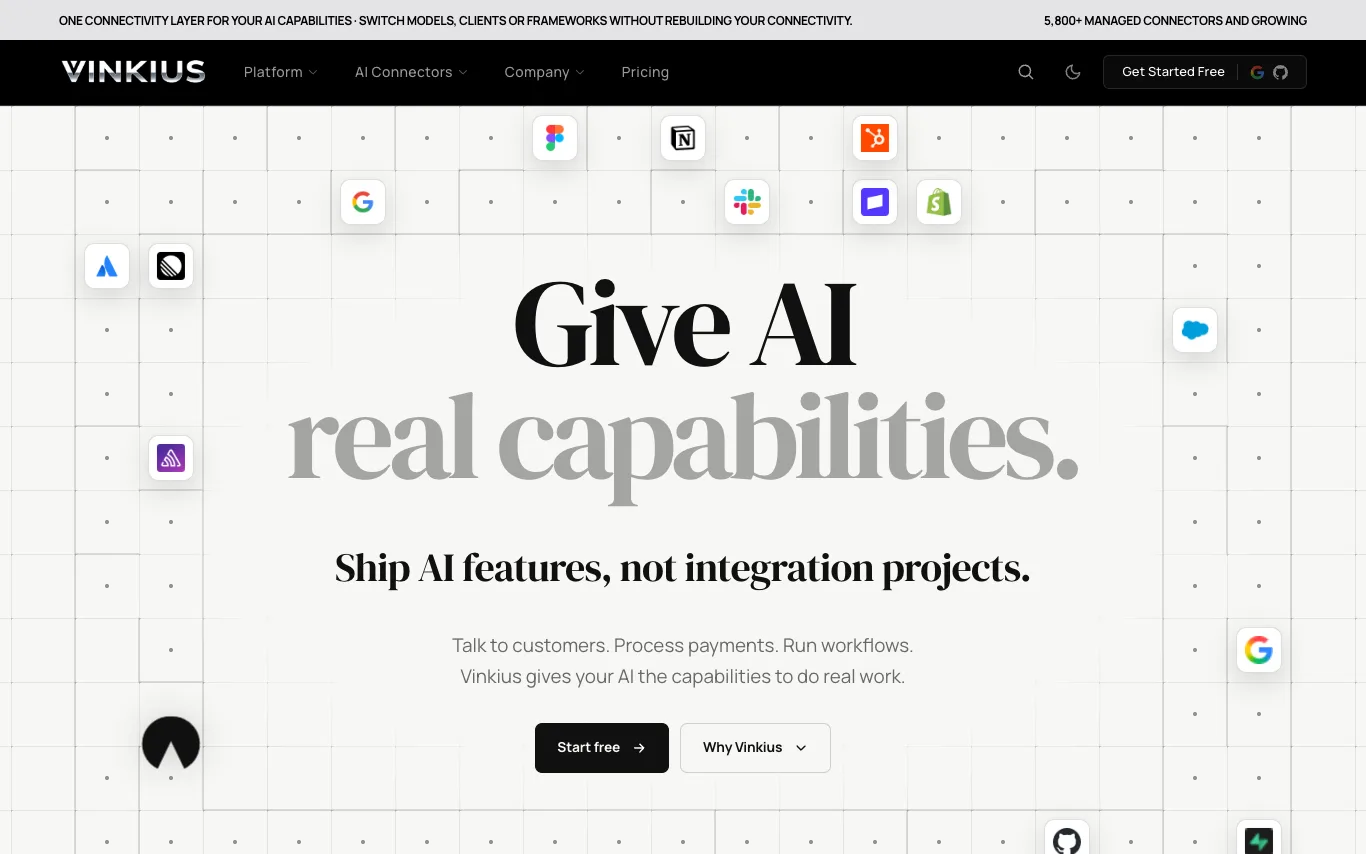

Vinkius is the AI Connectivity Cloud that provides a managed layer for AI capabilities. It offers over 5,800 prebuilt connectors to apps, APIs, databases, and SaaS tools, enabling AI agents to perform real tasks like customer communication, business operations, and data analytics. Vinkius hosts, secures, and maintains these connections, so developers can ship AI features without building or managing integration infrastructure. The platform supports MCP-compatible clients and works with models like Claude, GPT, and Gemini.
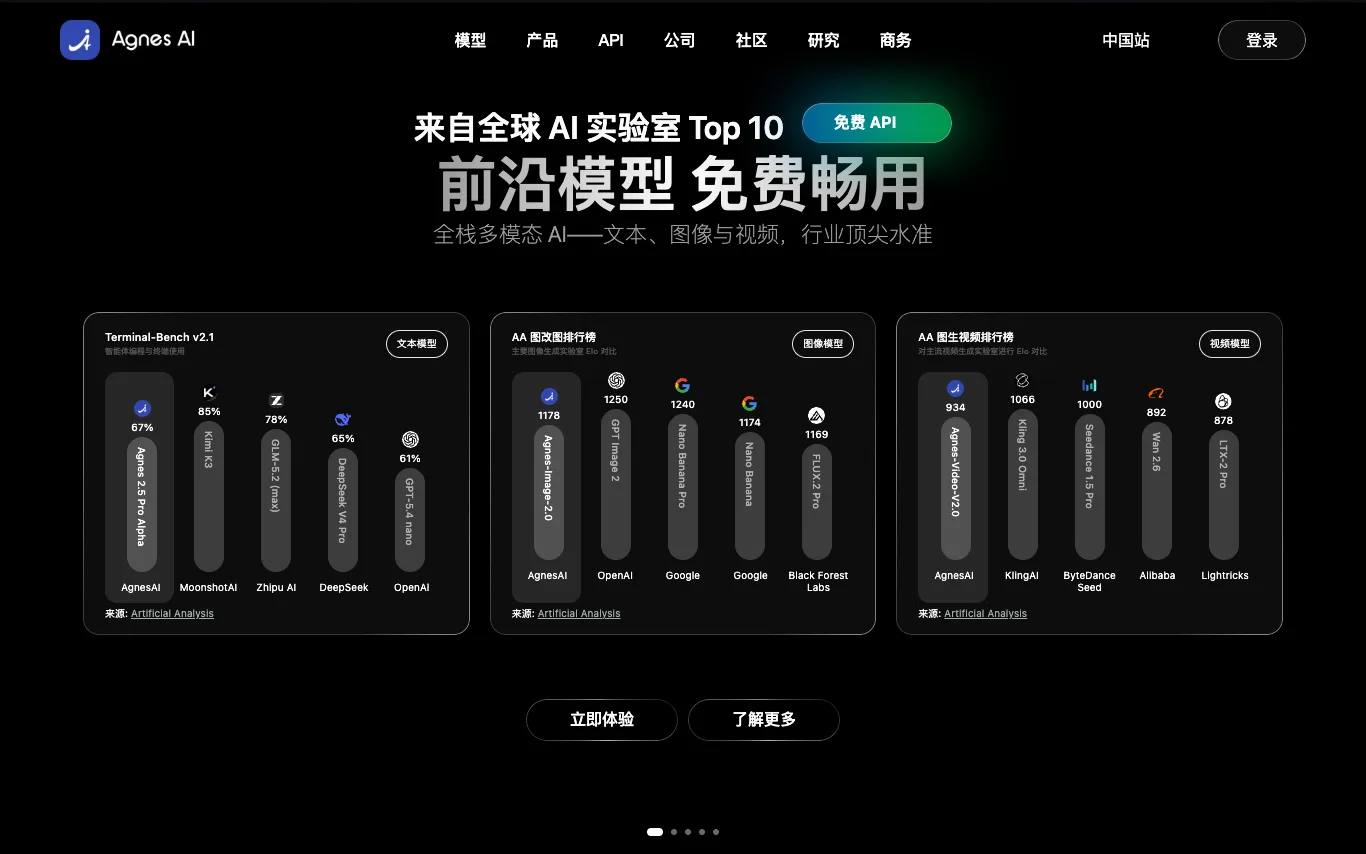

Agnes AI is an AI gateway, free AI API platform, and AI application ecosystem featuring Agnes, Echo, and Pavo. Get free AI API credits, create a free AI API key, use free AI API tokens, and access free AI API models for chatbots, AI agents, content tools, image generation, roleplay, productivity, and intelligent workflows. Build and use scalable generative AI across apps through one unified platform.
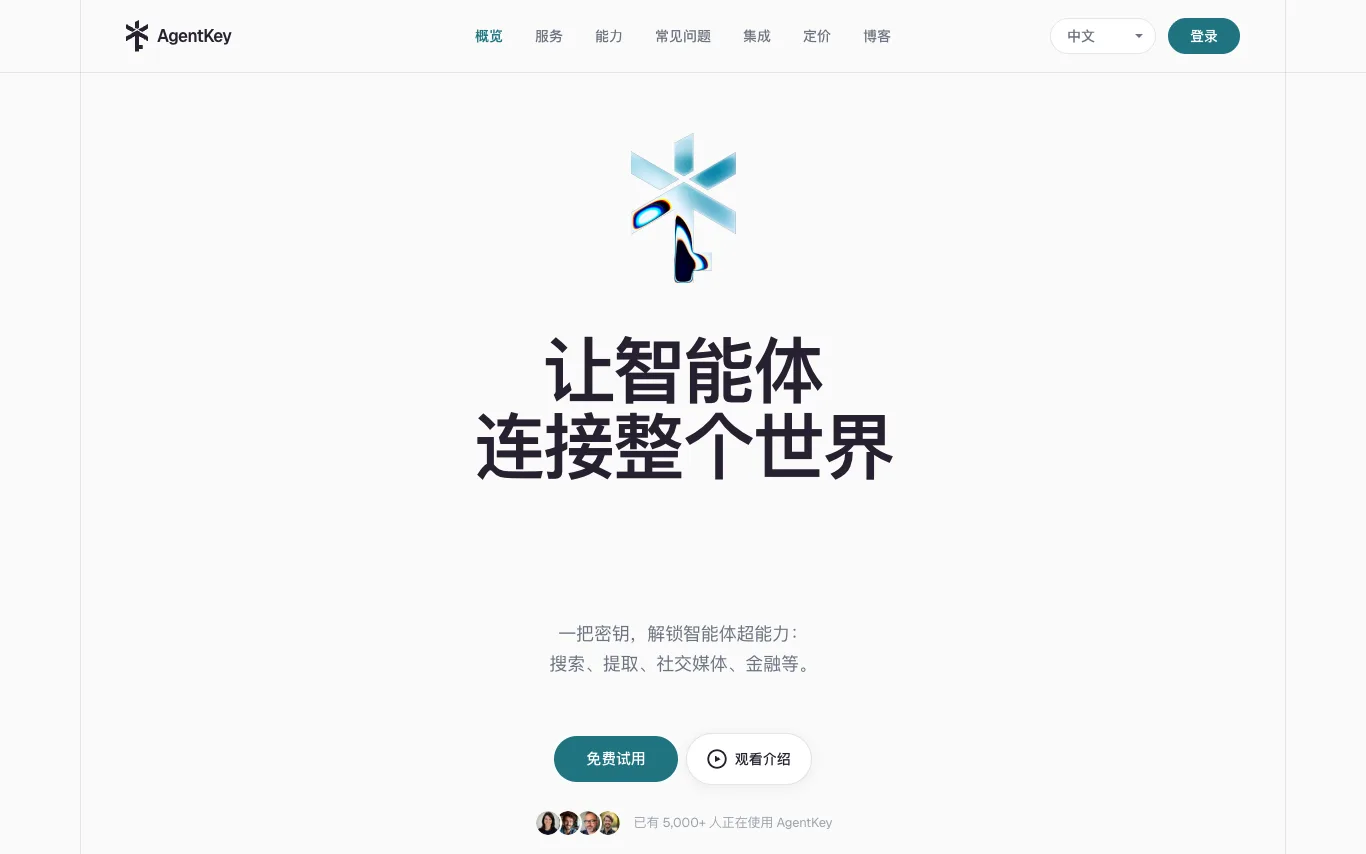

AgentKey is a data-access layer that gives AI agents live access to the outside world through a single MCP install. It supports multiple agents including Claude Code, Codex, Cursor, Windsurf, Gemini CLI, and more. With one subscription, agents can access search, extraction, social media, and finance data from providers like Brave, Tavily, Serper, Firecrawl, X/Twitter, Reddit, YouTube, and Yahoo Finance. AgentKey simplifies integration and billing, allowing agents to act on real-time data.
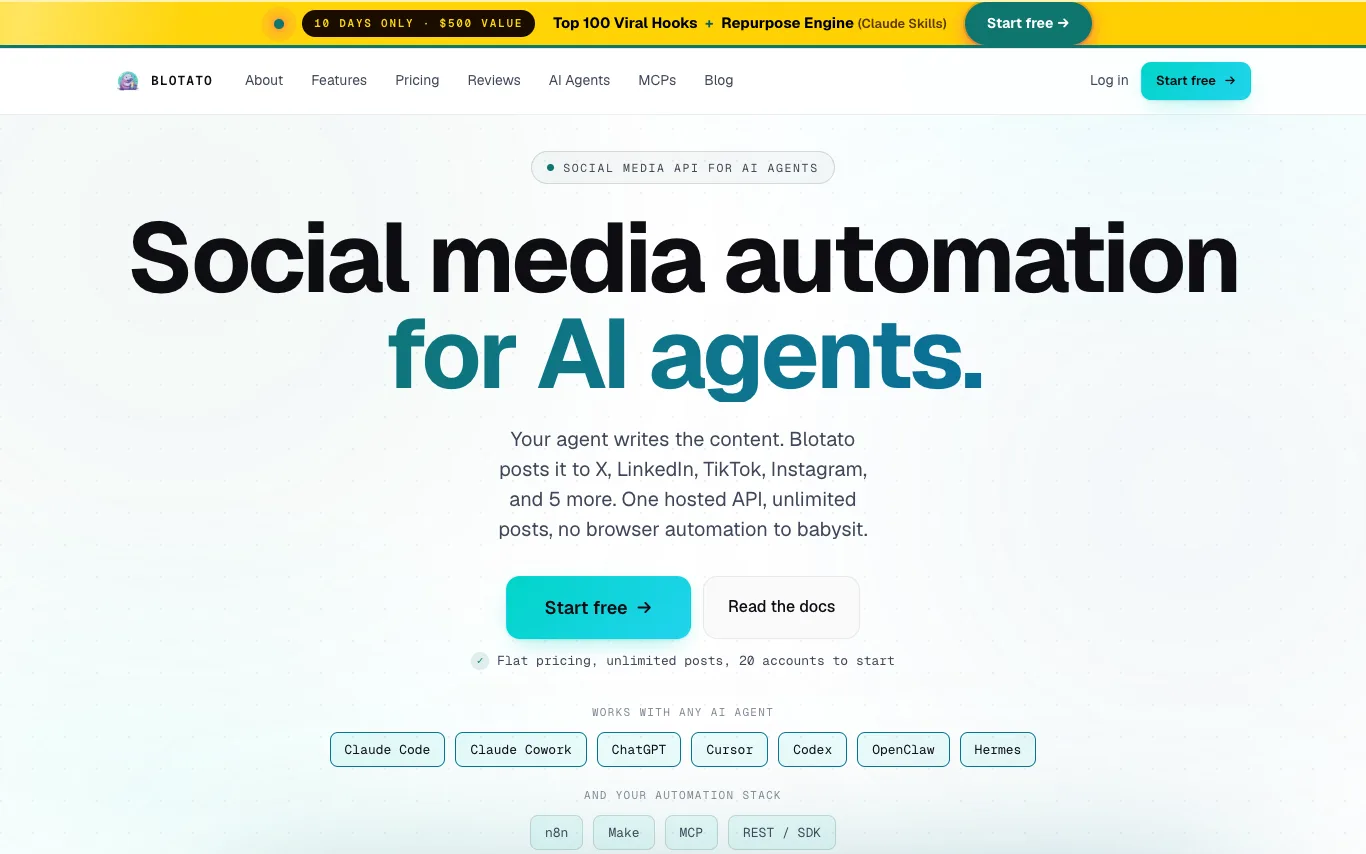

Blotato is an AI-powered social media automation platform with a native API and MCP. It allows users to create, schedule, and publish content to multiple platforms like X, LinkedIn, TikTok, Instagram, and more. The platform offers features such as viral templates, an AI writer trained on viral posts, repurposing tools, visual engine for carousels and faceless videos, cross-posting, AI coach, calendar, and API/MCP integration. It integrates with AI agents like Claude, ChatGPT, and automation tools like n8n and Make.


ZooData is an agent-native commerce intelligence API providing clean JSON data for AI agents. It offers real-time product data, market analysis, and competitor lookup across Amazon and TikTok Shop. With 500M+ tracked products and 2+ years of historical data, ZooData delivers structured, decision-ready insights. The platform is designed for integration with AI frameworks like LangChain, CrewAI, and Claude MCP.
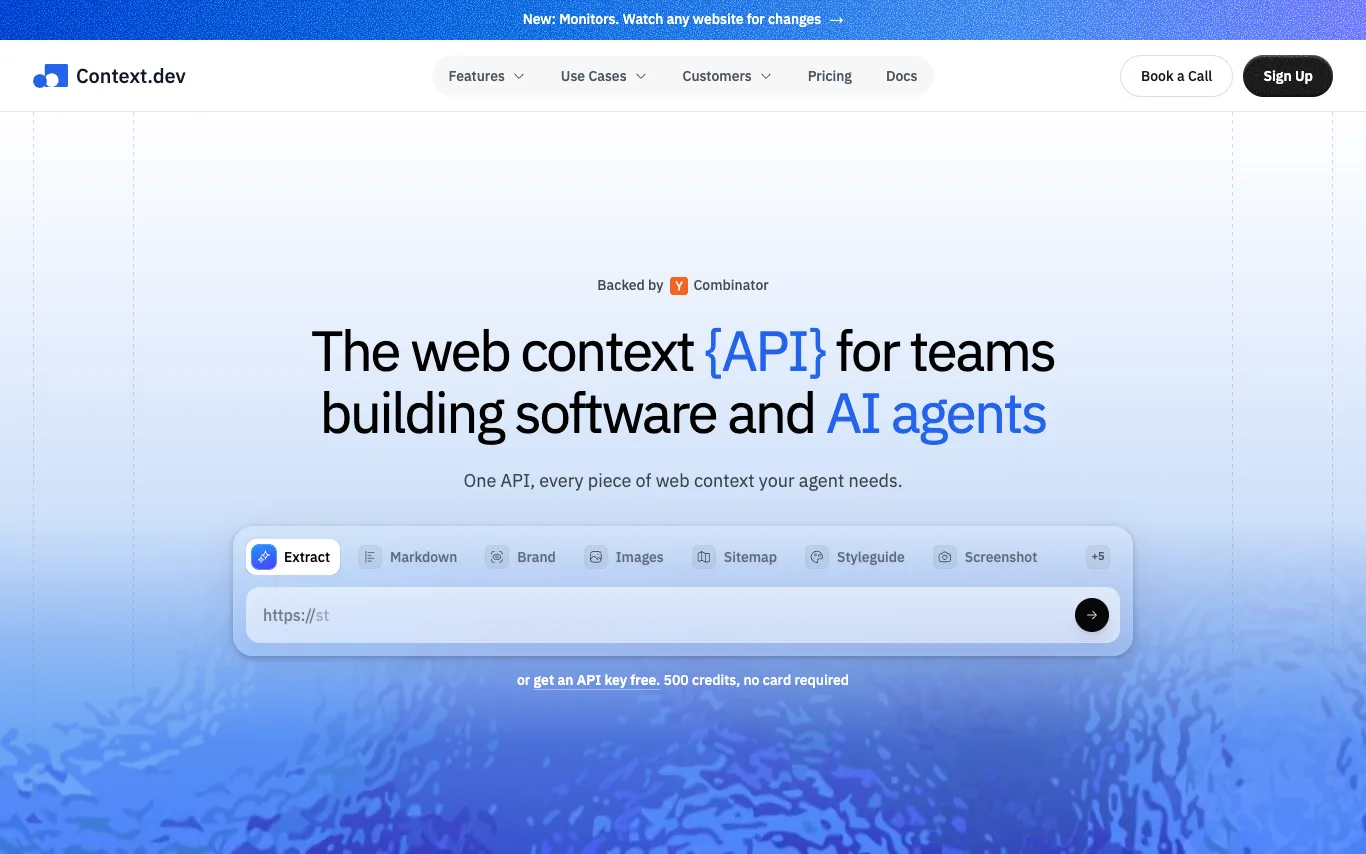

Context.dev is a web scraping API designed for AI agents and software teams. It provides a single REST API to scrape any URL into clean Markdown, crawl entire websites, extract structured data using JSON Schema, retrieve brand data, styleguides, product listings, screenshots, and more. The service is backed by Y Combinator and used by companies like Super.com, Mintlify, and Similarweb. It offers a free tier with 500 credits and no credit card required.


AnySearch is a privacy-first search infrastructure designed for AI agents. It provides anonymous access to search results, smart routing to optimize queries, and structured output for easy integration. With native API, MCP, and Skill support, AnySearch enables developers to build agentic applications that respect user privacy.
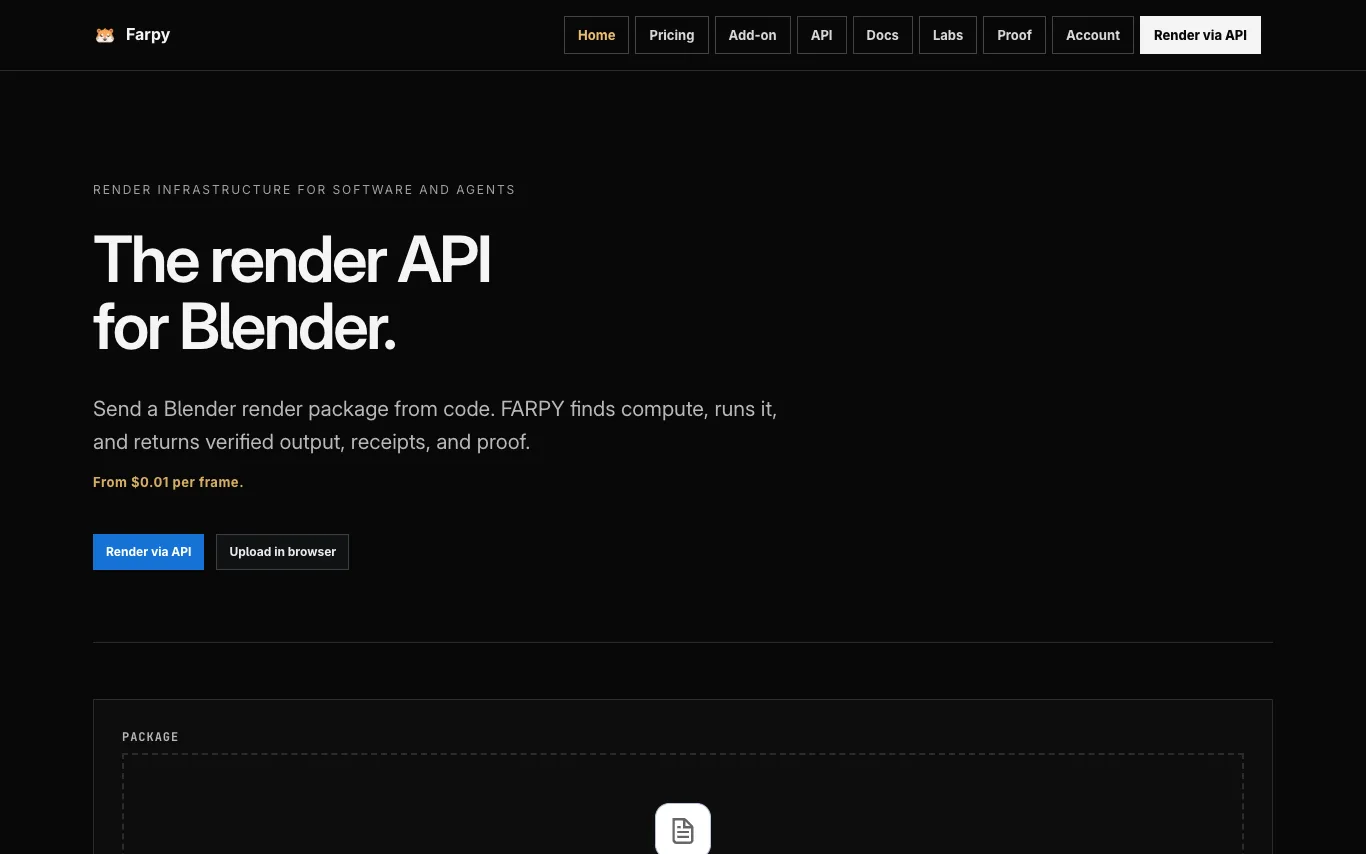

FARPY runs compute workloads and returns verified artifacts, benchmark records, execution receipts, and inspectable results. It is a render infrastructure for software and agents, offering a public API to upload, submit, track, download, and verify Blender renders. Pricing starts from $0.01 per frame, and users pay only for what renders. Uploaded .blend files are not sold, not used for AI training, and are deleted after download.
What is an AI API?
An AI API is an HTTP endpoint you send a request to — a prompt, image, or audio — and get back a model's output, so you can add AI features without training or hosting models yourself. You authenticate with an API key and pay per token or per request. Some are single-provider (OpenAI, Anthropic, Google); others are gateways that route one request across many models.
What AI APIs offer
- REST and streaming endpoints for chat, image, and audio
- One API key routing across many model providers
- Token-based, pay-as-you-go pricing with usage dashboards
- Official SDKs for Python, JavaScript, and more
- Function calling, structured output, and tool use
- Rate limits, fallbacks, and OpenAI-compatible schemas
Who uses AI APIs
App developers
Add chat, summarization, or vision to a product without running your own model infrastructure.
Teams comparing models
Test GPT, Claude, Gemini, and open models behind one gateway to pick the best fit per task.
Cost and reliability optimizers
Route requests to cheaper or faster models and fail over automatically when a provider goes down.
Agent and automation builders
Wire function calling and tool use into agents, workflows, and backend jobs.
How AI APIs work
Your app sends an HTTPS request with an API key and a JSON payload — the prompt plus parameters like model and temperature — to the provider's endpoint. The model runs inference on their servers and returns the result, either all at once or streamed token by token. Gateways sit in front of several providers, translating one request format (often OpenAI-compatible) to whichever model you target and metering usage for billing.