


Best AI API Tools (2026)
Compare AI APIs and model gateways for adding LLMs, image generation, speech, and embeddings to your app — from single-provider endpoints to unified multi-model platforms.

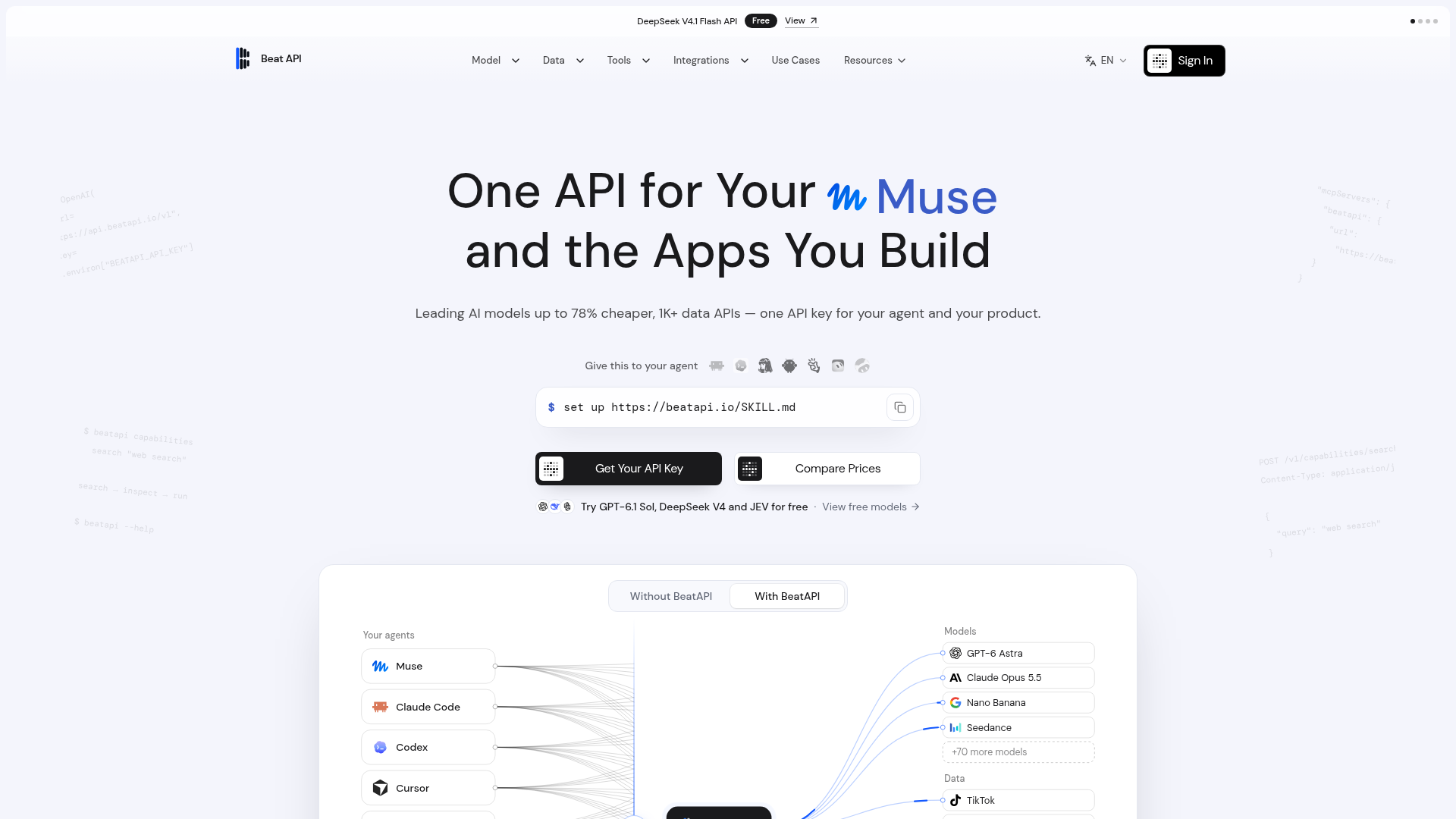

AI models, social data and web tools for agents and apps, through one API key.
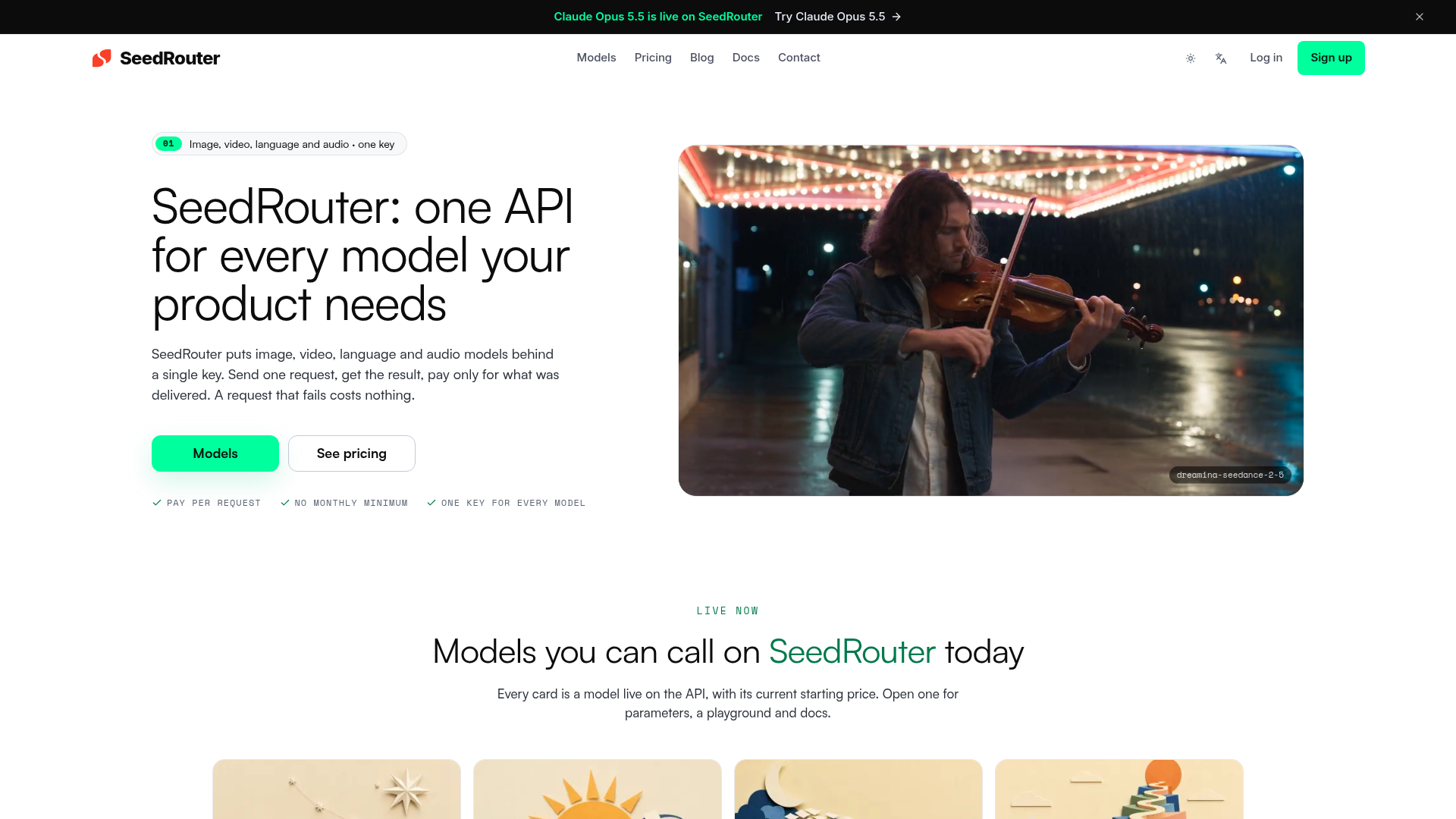

SeedRouter provides a unified API platform designed to simplify the integration of various artificial intelligence models into products. It offers a single API key to access a wide range of image, video, language, and audio models, ensuring developers only pay for successful requests and delivered results, eliminating costs for failed attempts. The platform is built to make adding AI capabilities a deliberate choice rather than a speculative guess. It offers clear model access, allowing users to review model capabilities, parameters, and pricing before writing any code. SeedRouter also enables flexible model choices, allowing developers to switch between different model families like GPT, Claude, or Gemini, or even between image and video models, without needing to rewrite their underlying stack. By centralizing access and standardizing the request shape, SeedRouter ensures that integrations are robust and production-ready. This approach helps product teams efficiently explore and deploy advanced AI functionalities, from generating high-resolution images and videos to leveraging large language models with extensive context windows, all through a consistent and reliable interface.

Access multiple AI models through one unified API, reducing integration complexity and accelerating AI application development.
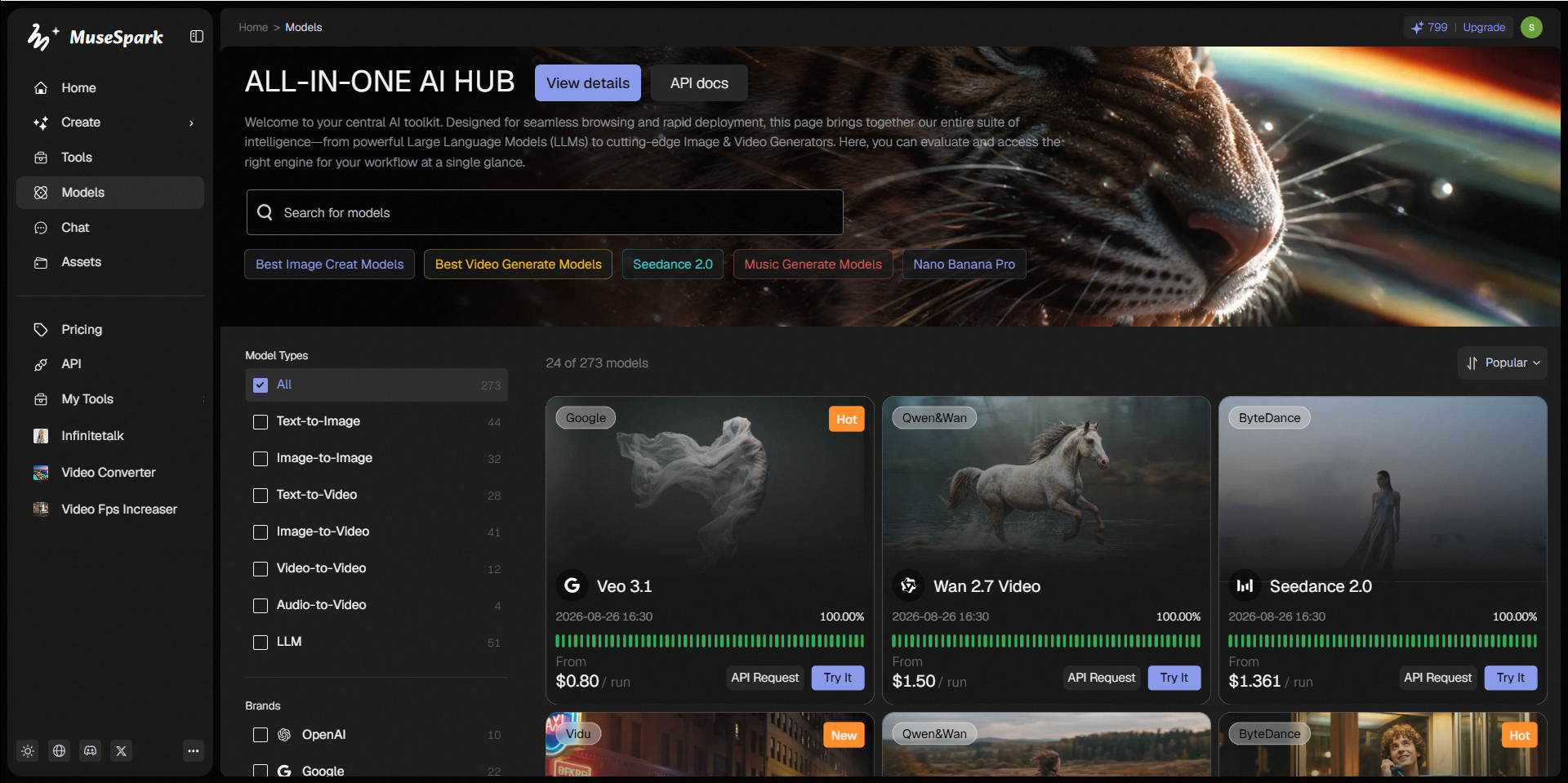

MuseSpark is an upcoming platform designed to provide online access and an API to a diverse range of artificial intelligence models. Its primary value proposition is enabling users to transform creative ideas into tangible outputs across various media types. The platform is structured to support the generation of content including images, videos, 3D models, audio, avatars, and text. It aims to serve creators, developers, and anyone looking to leverage advanced AI for content creation, offering access to models like Kling O3, Sora, and Flux.2. By offering a centralized hub for numerous AI models, MuseSpark allows users to experiment with different generative capabilities. This enables them to bring their inspirations to life, whether for artistic projects, digital media production, or exploring new creative possibilities.
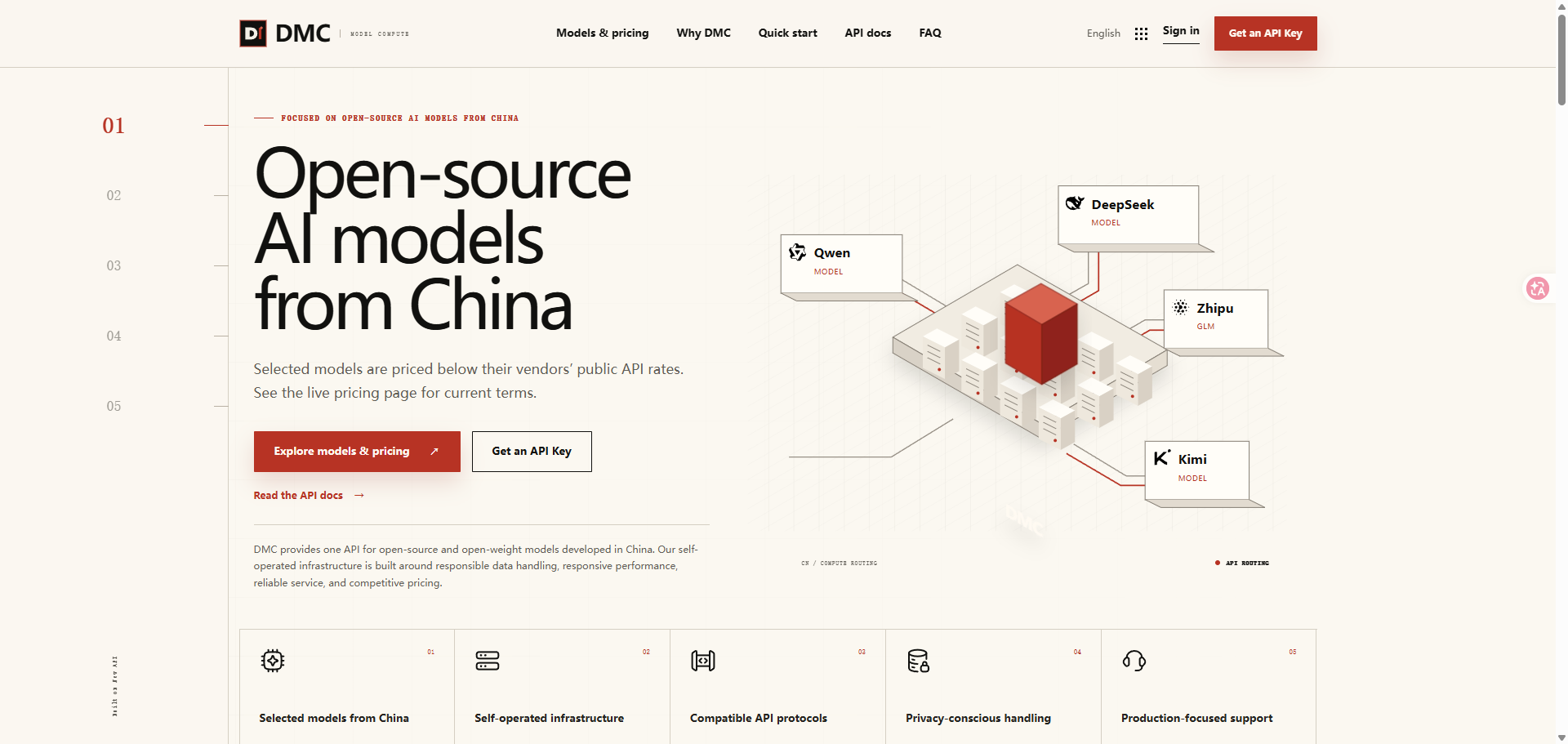

A unified API for open-source AI models from China.
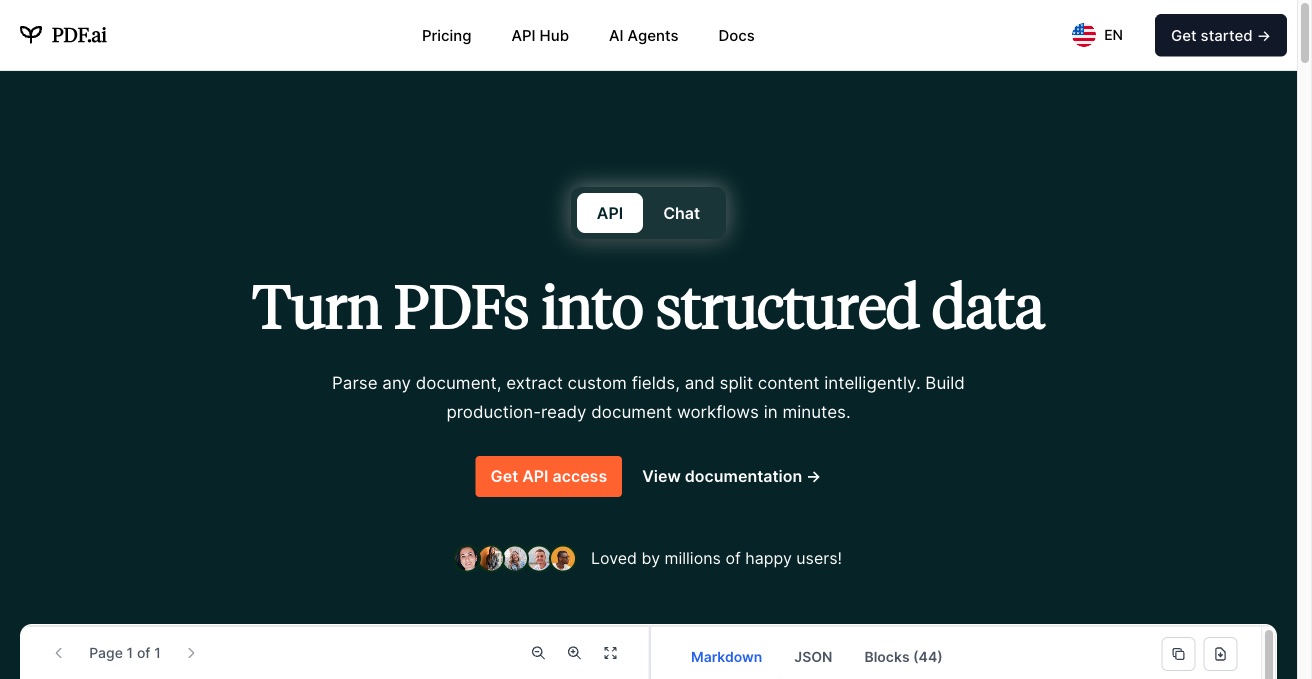

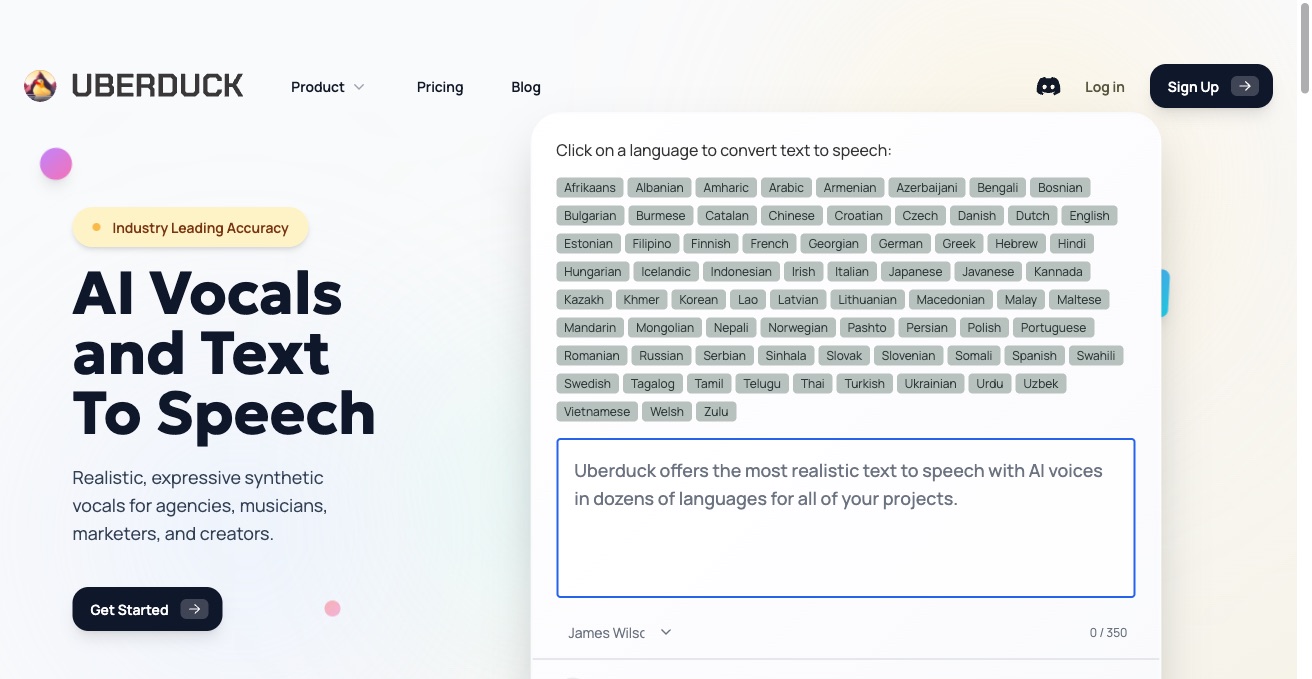

Uberduck is an AI vocals and text-to-speech platform. Produce TTS, singing performances, and custom voice models with a large library and a developer API.
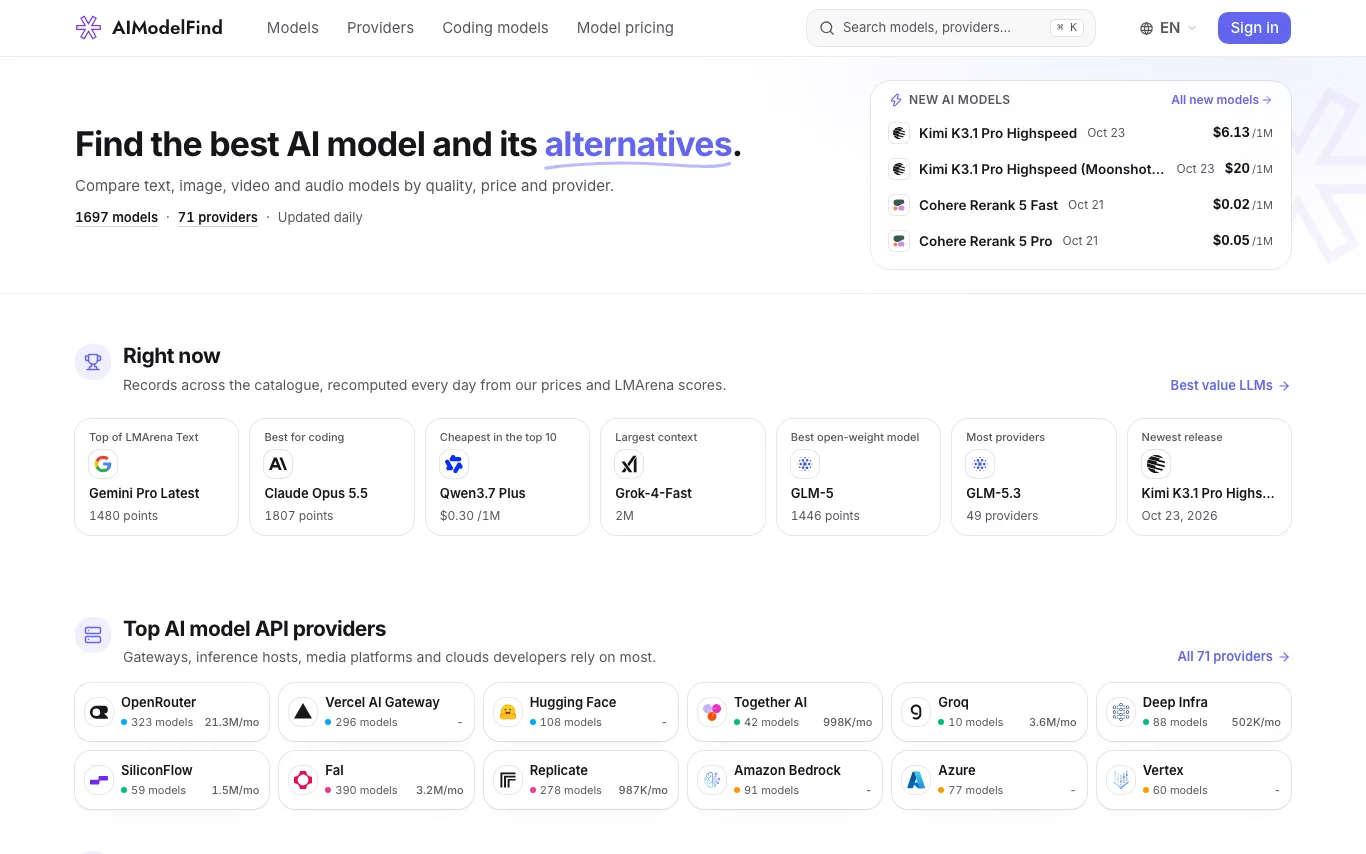

AIModelFind is a free directory of text, image, video and audio AI models that lists every provider selling each model with its price, updated daily.
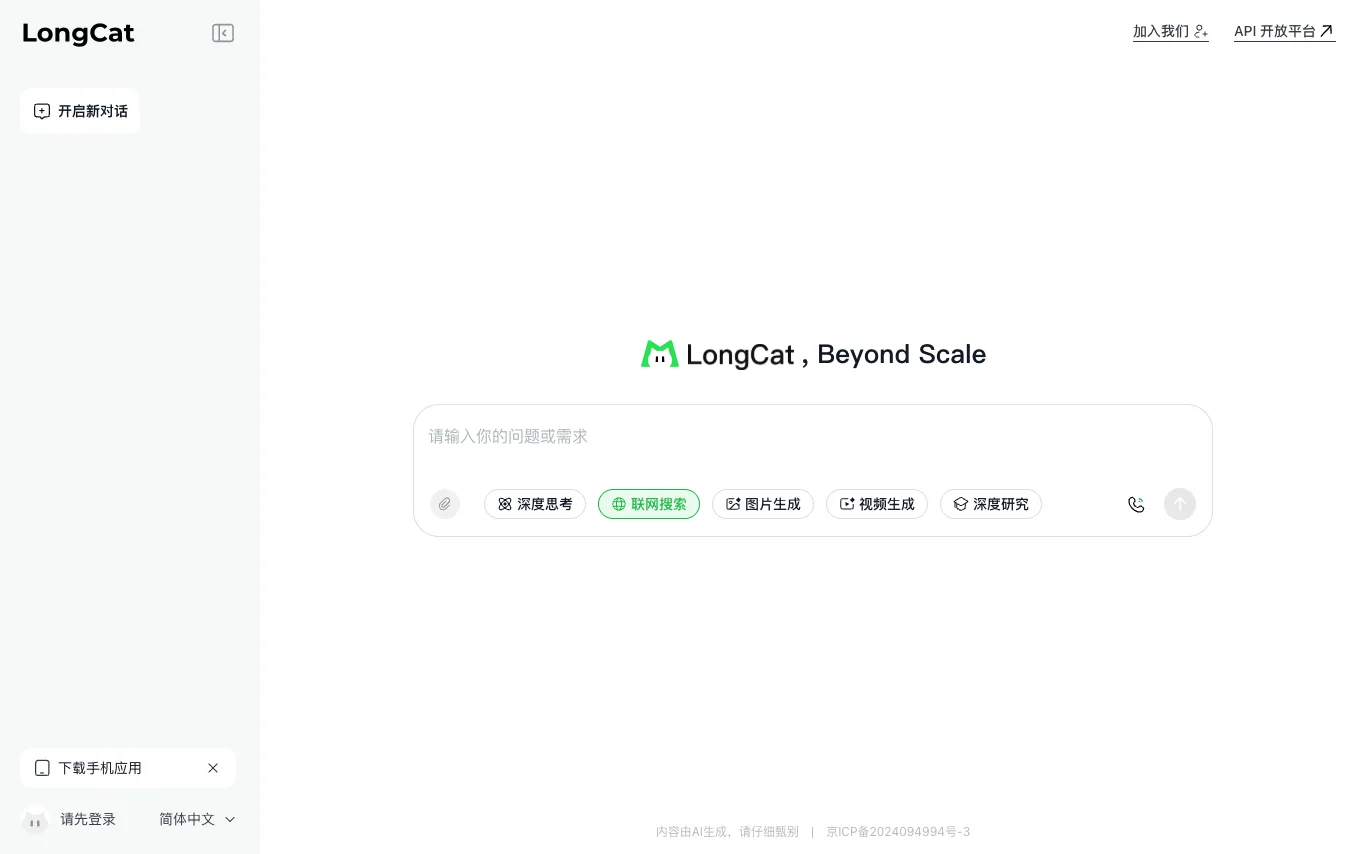

LongCat AI is an AI-powered chat platform that offers a new chat interface and an API platform. The service emphasizes a 'Beyond Scale' approach, suggesting advanced capabilities. Users can start new chats, download the app, and log in to access features. The platform also provides an API for developers. Content generated is AI-generated and should be reviewed carefully.
Related categories
What is an AI API?
An AI API is an HTTP endpoint you send a request to — a prompt, image, or audio — and get back a model's output, so you can add AI features without training or hosting models yourself. You authenticate with an API key and pay per token or per request. Some are single-provider (OpenAI, Anthropic, Google); others are gateways that route one request across many models.
What AI APIs offer
- REST and streaming endpoints for chat, image, and audio
- One API key routing across many model providers
- Token-based, pay-as-you-go pricing with usage dashboards
- Official SDKs for Python, JavaScript, and more
- Function calling, structured output, and tool use
- Rate limits, fallbacks, and OpenAI-compatible schemas
Who uses AI APIs
App developers
Add chat, summarization, or vision to a product without running your own model infrastructure.
Teams comparing models
Test GPT, Claude, Gemini, and open models behind one gateway to pick the best fit per task.
Cost and reliability optimizers
Route requests to cheaper or faster models and fail over automatically when a provider goes down.
Agent and automation builders
Wire function calling and tool use into agents, workflows, and backend jobs.
How AI APIs work
Your app sends an HTTPS request with an API key and a JSON payload — the prompt plus parameters like model and temperature — to the provider's endpoint. The model runs inference on their servers and returns the result, either all at once or streamed token by token. Gateways sit in front of several providers, translating one request format (often OpenAI-compatible) to whichever model you target and metering usage for billing.