


Perplexity is an AI-powered answer engine that combines real-time web search with LLM reasoning to deliver cited, up-to-date answers. Pro adds access to frontier models and advanced research modes.
AI Search Engine · 13 tools
Best AI Search Engine Tools (2026)
Compare AI search engines that answer questions in plain language with cited sources — from Perplexity-style research assistants to real-time answer engines and free ChatGPT search alternatives.
All AI Search Engine tools



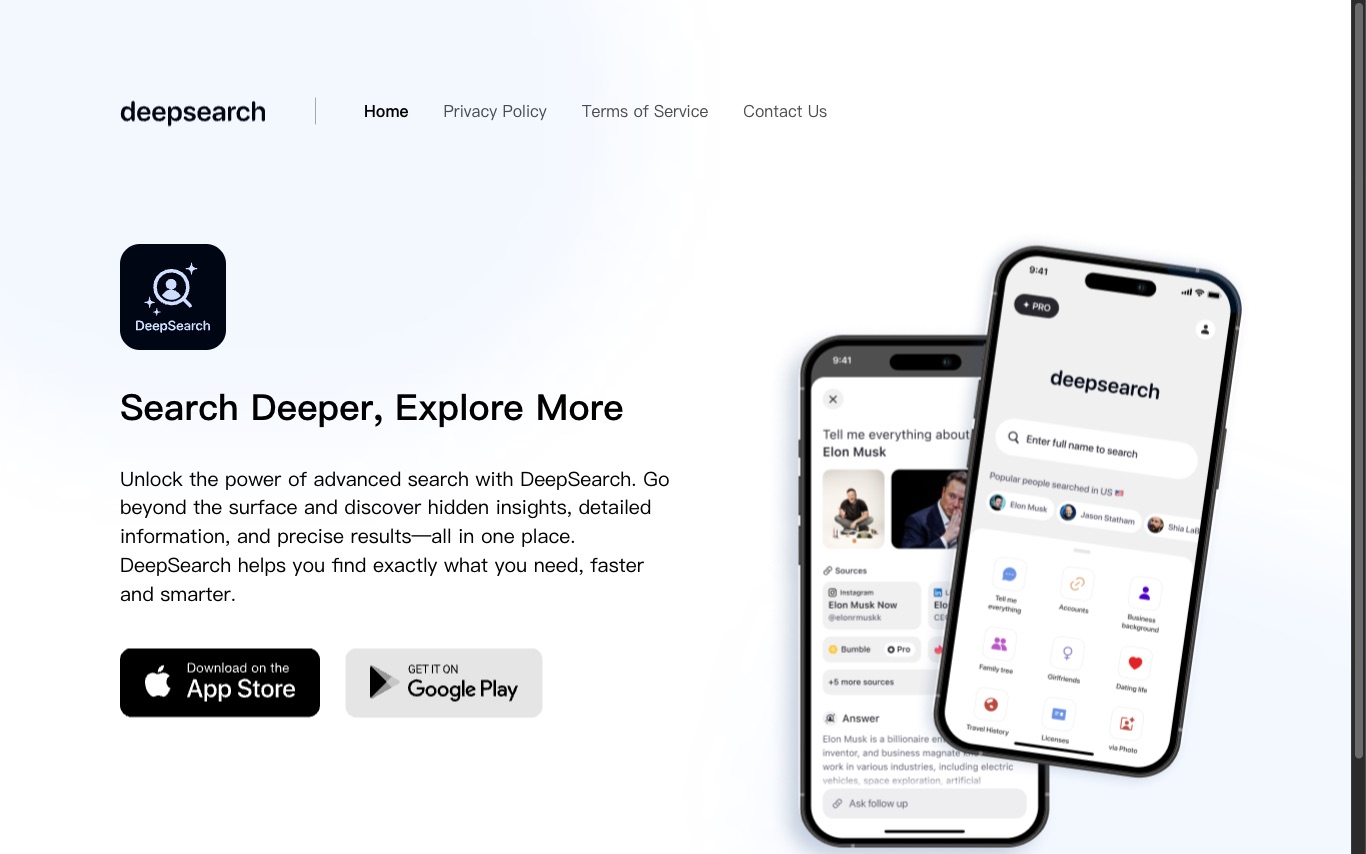

DeepSearch is an online search tool aimed at deeper discovery. It advertises advanced search that surfaces hidden insights and precise results from across the web.

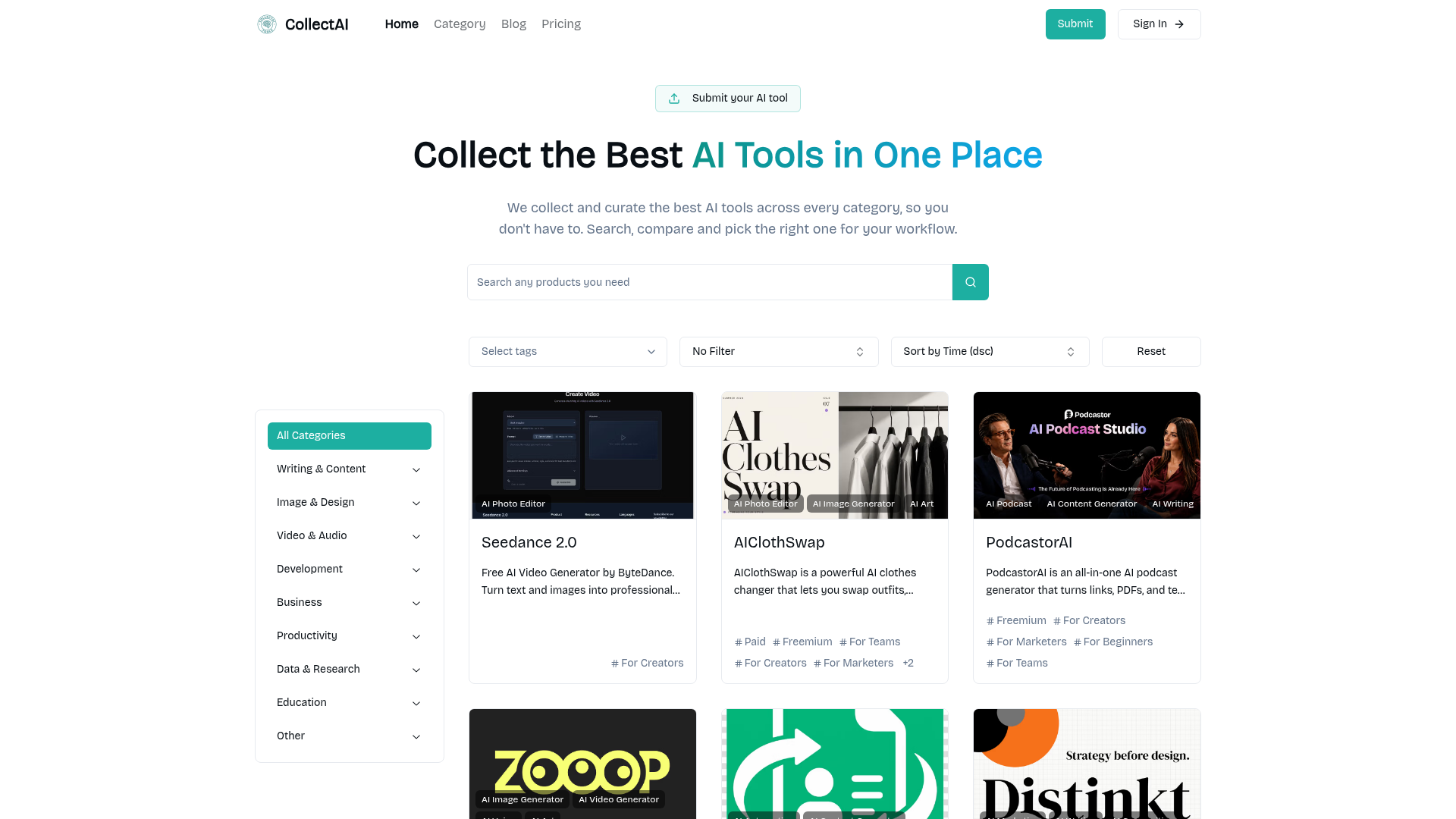

We collect and curate the best AI tools across every category, so you don't have to.


AgentKey is a data-access layer that gives AI agents live access to the outside world through a single MCP install. It supports multiple agents including Claude Code, Codex, Cursor, Windsurf, Gemini CLI, and more. With one subscription, agents can access search, extraction, social media, and finance data from providers like Brave, Tavily, Serper, Firecrawl, X/Twitter, Reddit, YouTube, and Yahoo Finance. AgentKey simplifies integration and billing, allowing agents to act on real-time data.
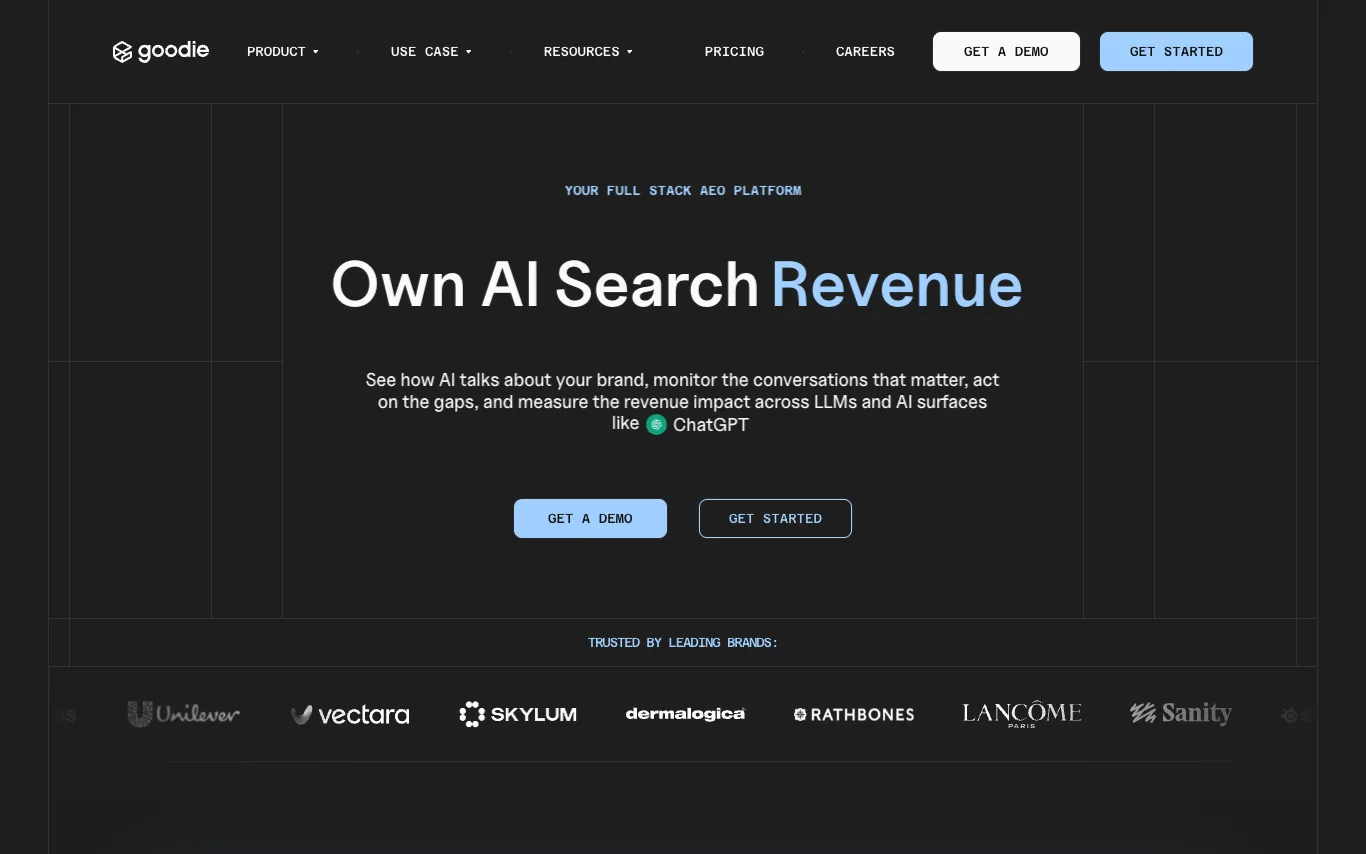

Goodie is an AI Search Visibility and Answer Engine Optimization (AEO) platform that helps brands monitor, analyze, and optimize their presence across leading AI search platforms. It tracks brand presence in real time, offers competitor analysis, and provides actionable content optimization recommendations through a centralized hub. Leading brands across finance, retail, SaaS, and beyond use Goodie to dominate AI search, scale their presence, and measure the revenue growth that follows.


Mention Network is an AI visibility solution for Shopify resellers. It checks whether AI assistants like ChatGPT, Gemini, Claude, and Google AI Mode name your store when shoppers ask where to buy a product. It provides a health score across 40 signals, identifies why you're not picked, and offers one-click fixes inside Shopify admin. The first product check and audit are free, no credit card required.
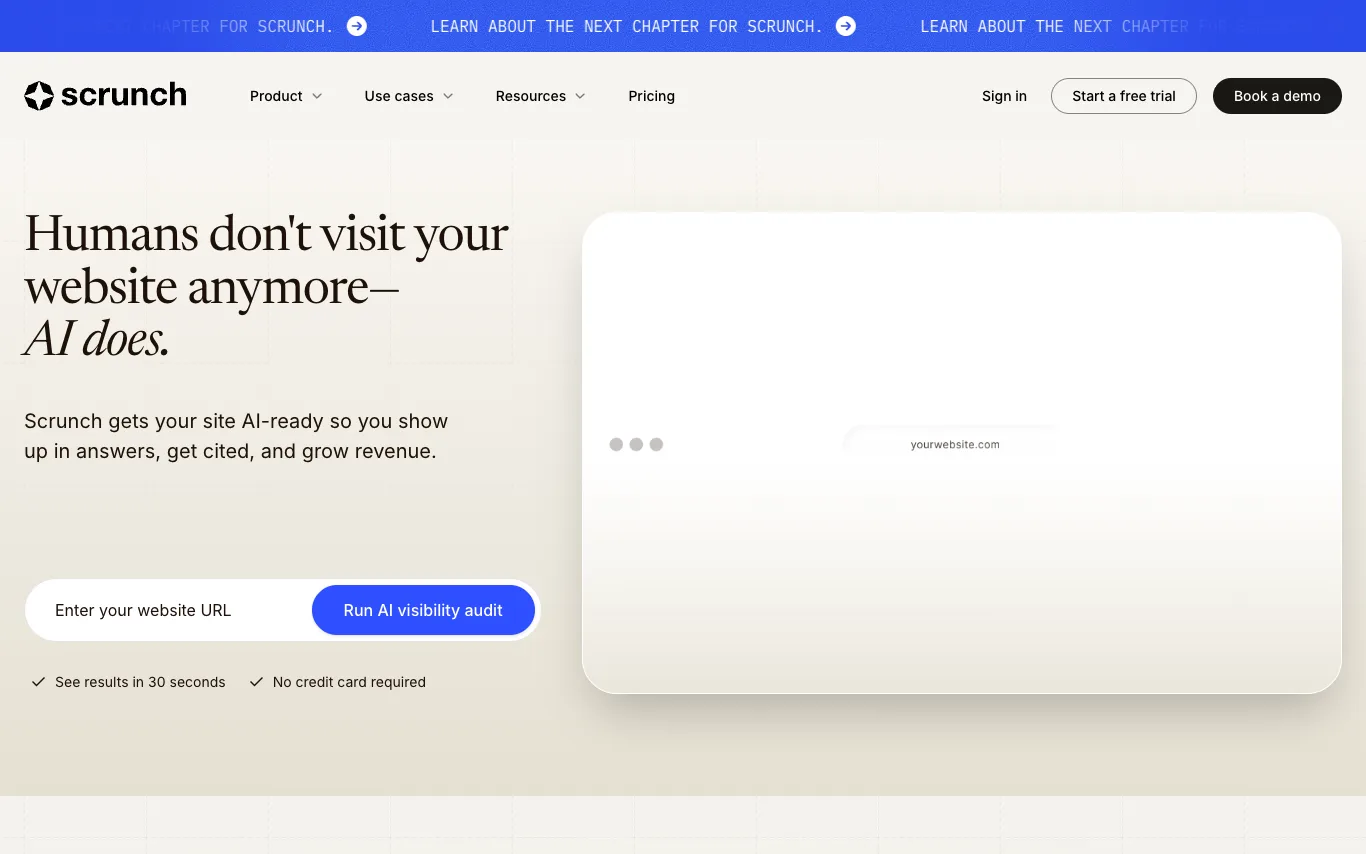

Scrunch is an AI customer experience platform that helps businesses monitor their brand presence in AI search, analyze and optimize their websites, and deliver content directly to AI agents. It offers tools like Agent Experience Platform (AXP), Agent Traffic, Site Maps, Monitoring & Citations, Insights, Shopping, and AI Search Trends. Scrunch is trusted by over 500 companies and agencies.


AnySearch is a privacy-first search infrastructure designed for AI agents. It provides anonymous access to search results, smart routing to optimize queries, and structured output for easy integration. With native API, MCP, and Skill support, AnySearch enables developers to build agentic applications that respect user privacy.
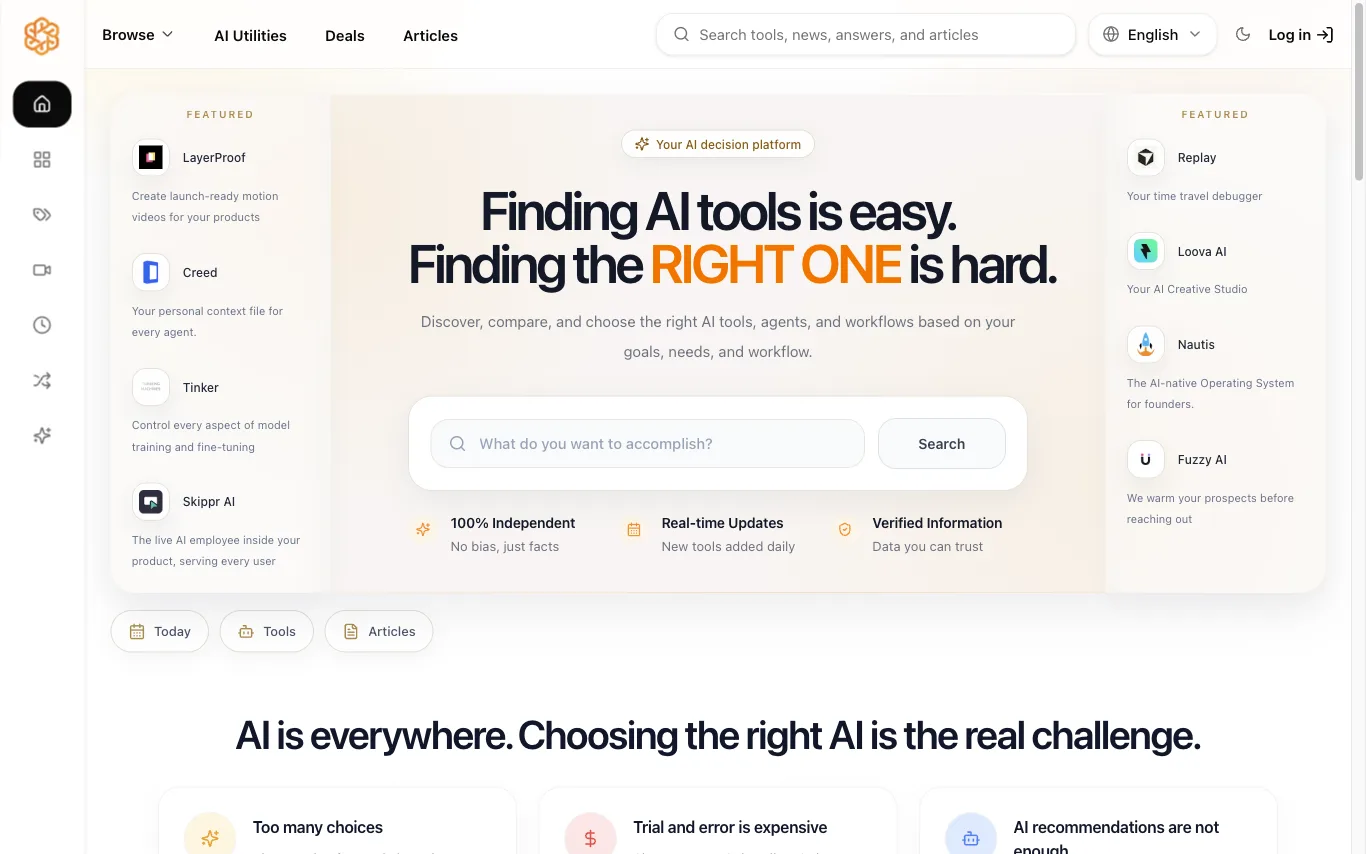

What is an AI search engine?
An AI search engine answers your question directly in plain language instead of returning a list of blue links. It reads live web pages in real time, writes a synthesized answer, and cites the sources it pulled from so you can check them. Examples range from Perplexity and ChatGPT Search to Google's AI Overviews and open-source answer engines.
What AI search engines do
- Direct written answers instead of ten blue links
- Inline citations linking back to source pages
- Live web retrieval for current, up-to-date results
- Follow-up threads that carry earlier questions forward
- Focus modes for academic papers, video, or social
- Comparison answers that weigh several sources at once
Who uses AI search engines
01
Research and fact-checking
Get a synthesized answer with citations you can open and verify before trusting it.
02
Students and academics
Search scholarly papers and pull cited summaries for essays, literature reviews, and study.
03
Professionals and analysts
Gather current market, legal, or technical facts fast without opening a dozen tabs.
04
Everyday quick answers
Ask conversational questions and get a clear reply instead of scanning search results.
How AI search engines work
When you ask a question, the engine runs live web searches and retrieves the most relevant pages. A large language model then reads those pages and writes an answer grounded in what it found, attaching citations to each claim. This retrieval-augmented approach keeps replies current and traceable, unlike a chatbot answering from memory alone.