

AI Video API · 14 tools
Best AI Video API Tools (2026)
Compare AI video APIs for text-to-video generation, AI avatars and talking-head clips, programmatic editing, dubbing, and lip-sync you call from code.
All AI Video API tools



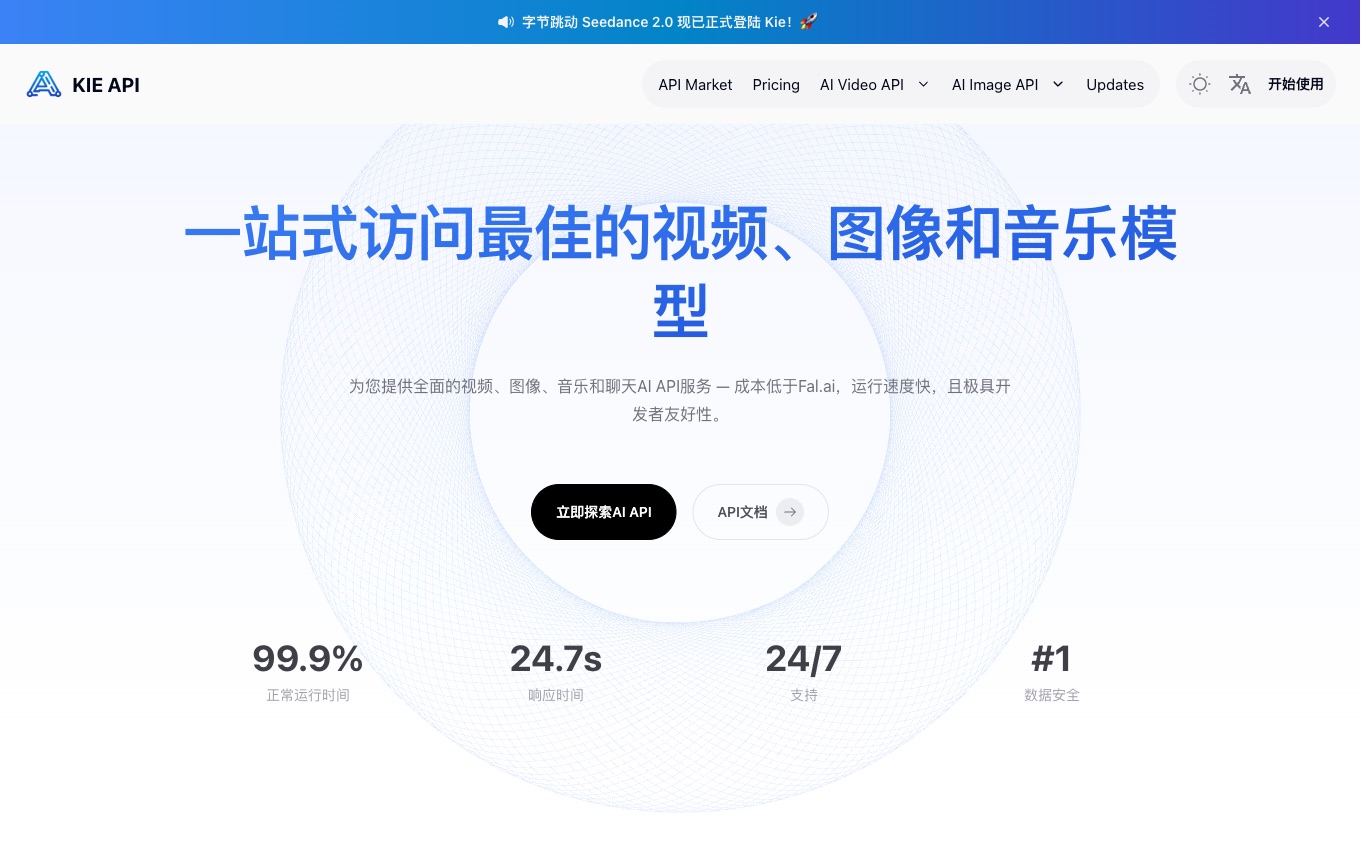
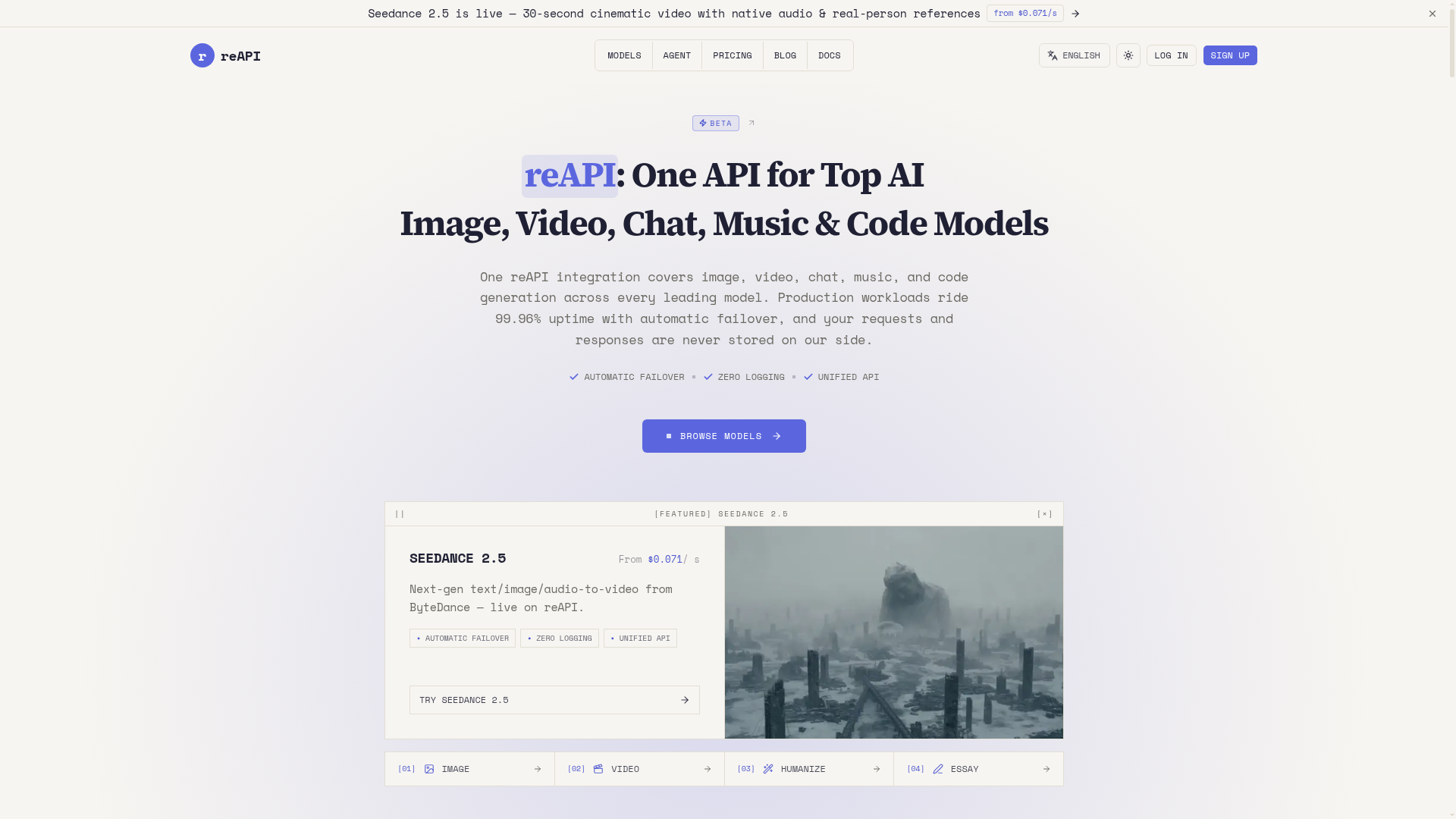
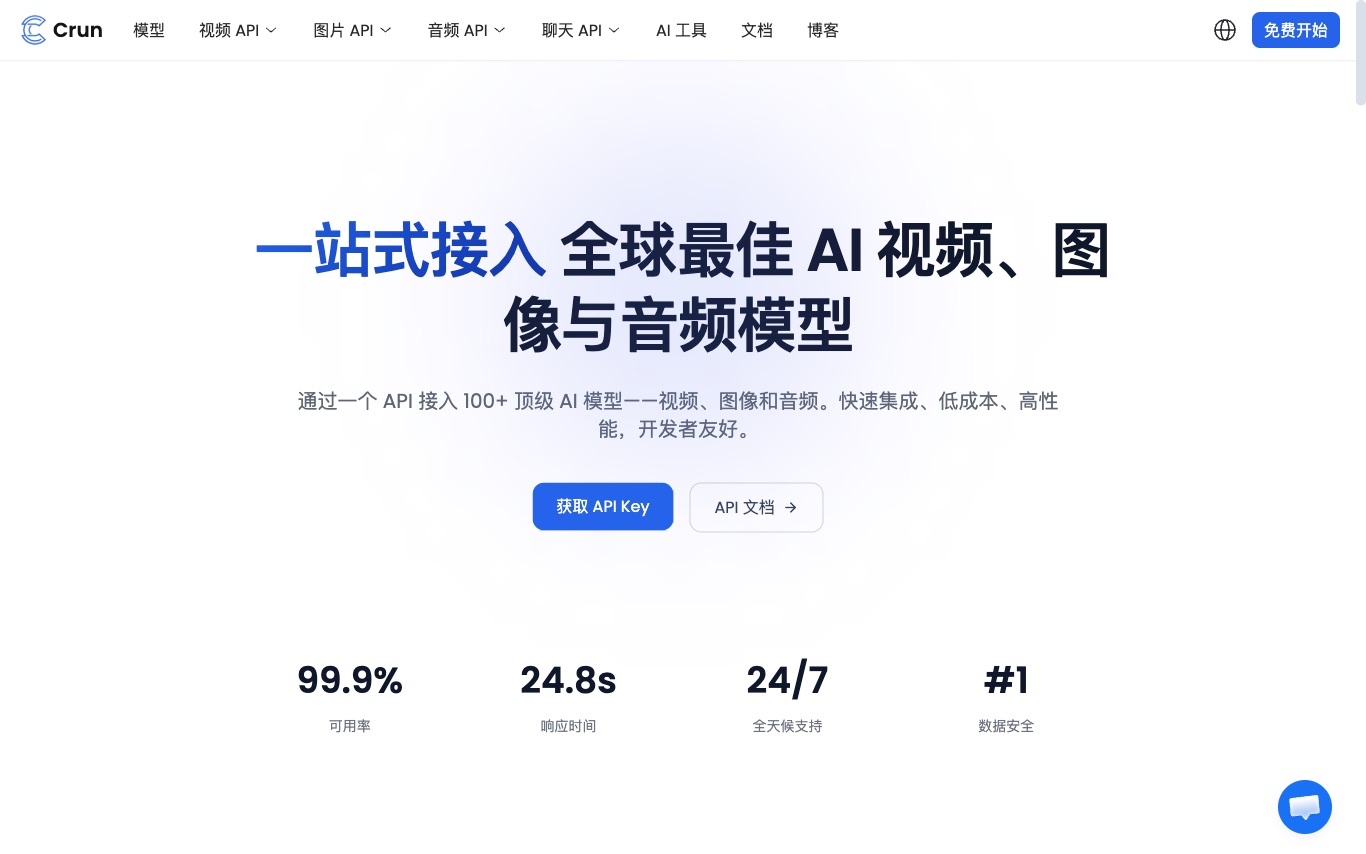
WaveSpeedAI is a unified platform hosting 1000+ AI image, video and audio models — including Seedance, WAN, Kling, nano-banana and Qwen — exposed through a single API with per-call pricing.







What is an AI video API?
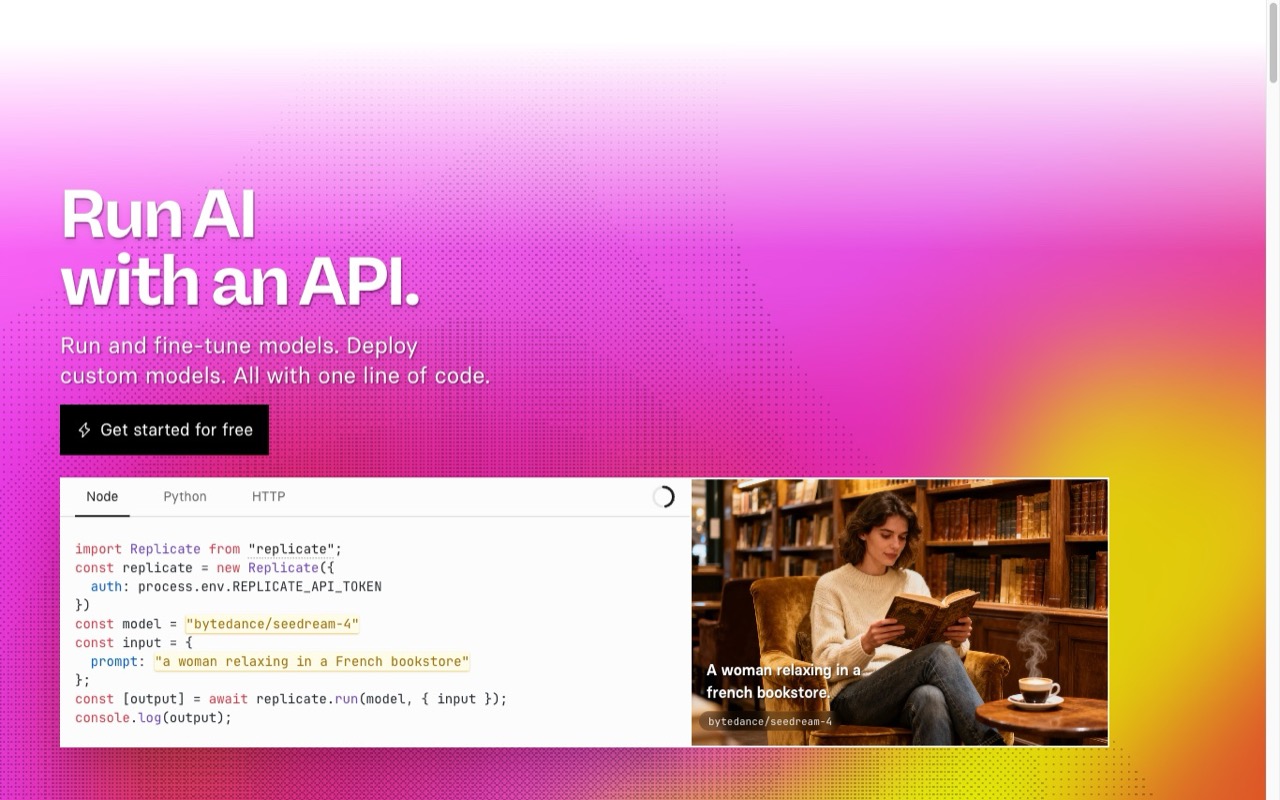
An AI video API is a developer endpoint that generates or edits video programmatically, so your code sends a request — a text prompt, a script, an image, or a source clip — and receives a finished video back. They cover text-to-video generation, AI avatars and talking-head presenters, automated editing, dubbing, and lip-sync, powered by models like Runway, Luma, Veo, and Kling. Instead of running a GPU pipeline yourself, you call a hosted service and poll or receive a webhook when the render is done.
What AI video APIs can do
- Text-to-video and image-to-video generation from a prompt
- AI avatar and talking-head presenters from a script
- Programmatic editing: trim, caption, overlay, and compose
- Automated dubbing and lip-sync across many languages
- Async render jobs with polling or webhook callbacks
- Usage-based pricing by output seconds and resolution
Who uses AI video APIs
Product and app builders
Add generated clips, avatars, or auto-editing to your app without owning GPU infrastructure.
Marketing and ad automation
Mass-produce personalized video ads, social clips, and product videos from templates and data.
Localization and dubbing teams
Translate, dub, and lip-sync existing footage into many languages at scale.
Workflow and pipeline engineers
Wire video rendering into CMS, CRM, or automation pipelines triggered by events.
How AI video APIs work
You send an authenticated HTTP request describing the video you want — a prompt, script, avatar choice, or an edit timeline — and the service queues a render job. Because generation takes time, the API returns a job ID, then you poll its status or receive a webhook when the finished MP4 is ready to download from a URL. Pricing is usually metered by output seconds, resolution, or model, and rate limits cap how many jobs run at once.