




DeepL is an AI translation service that provides accurate translations for text, documents, and websites. It supports 30+ languages with API access for developers.
Best AI Translator Tools (2026)
Compare AI translators for documents, websites, video subtitles, and live speech — from quick text tools to DeepL alternatives that localize across 100+ languages.


Phrase is an enterprise localization platform combining AI & machine translation, translation management, software localization, and multimedia localization. It integrates with GitHub, WordPress, Figma, and more.


Wordvice AI is a free multilingual AI writing assistant. It offers proofreading, paraphrasing, translation, summarization, and academic editing for students and researchers.

Vozo AI is a free AI video translator and dubbing tool. Translate and dub videos into dozens of languages with lip sync, voice cloning, and subtitle export.
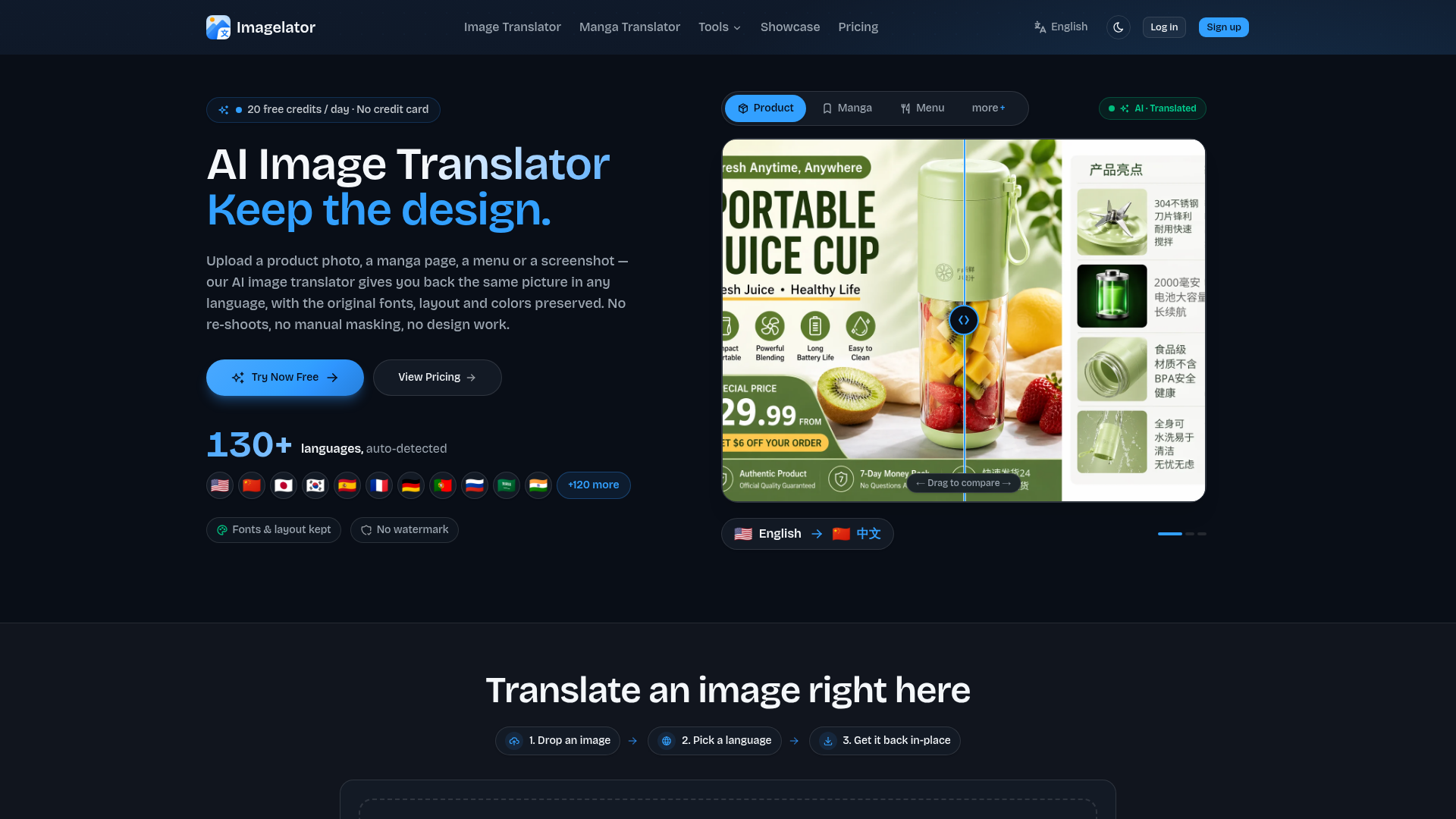

Imagelator translates text in your images across 130+ languages in one click while preserving the original layout, fonts, and style. Built for e-commerce, manga, screenshots, and everyday photos.
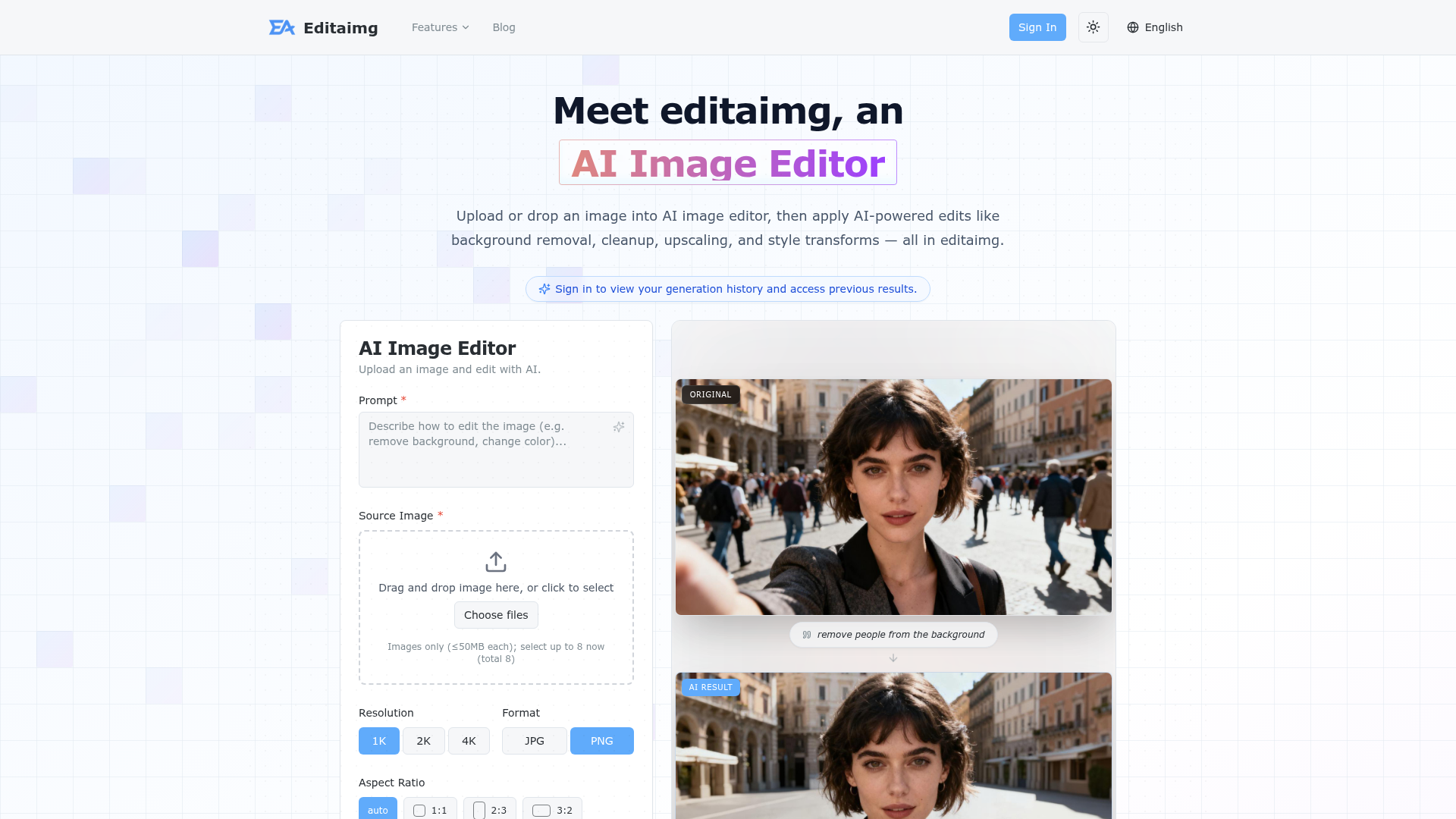

Upload, edit, and transform images with AI-powered tools for background removal, cleanup, upscaling, and style transform
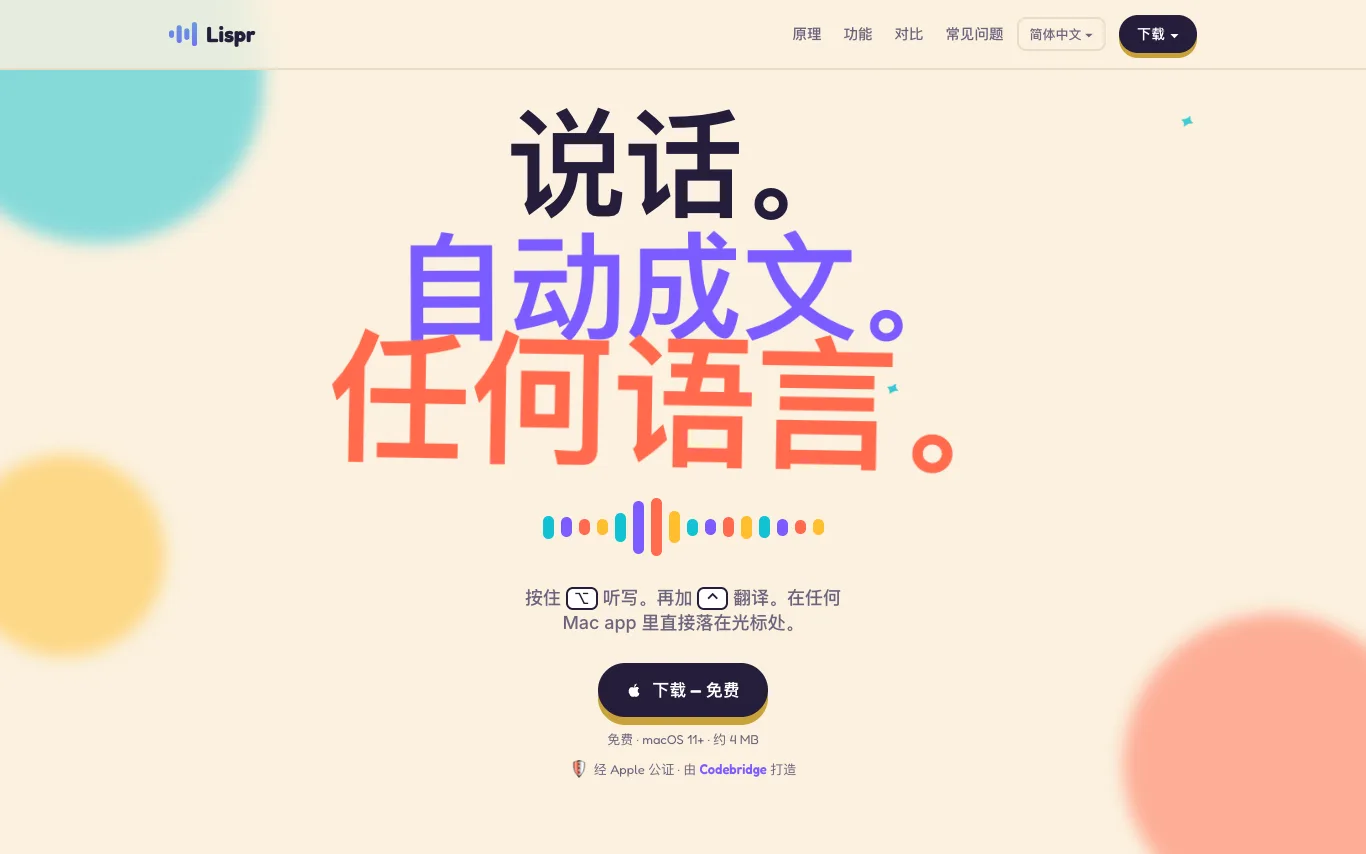

Lispr is a free macOS app for voice dictation and translation. Hold the Option key to dictate in your language, add Control to translate into another. Text appears at your cursor in any app. It supports ~99 languages for dictation and 32 for translation, with ~0.2s dictation and ~0.5s translation speed. The app is ~4 MB, requires no account, and is notarized by Apple.


Redia is an AI-powered reading companion that transforms complex academic papers, PDFs, EPUBs, and web articles into clear summaries, highlights, and diagrams. It offers features like continuous reading filter, line-by-line alignment, and evidence-based AI discussion to enhance comprehension and research efficiency.

Related categories
What is an AI translator?
An AI translator converts text, speech, or documents from one language to another using neural machine translation (NMT) and, increasingly, large language models. Unlike word-for-word tools, it reads the whole sentence for context, so idioms, tone, and grammar carry over more naturally. The category spans quick text boxes, full document and website localization, live voice interpreting, and video subtitle translation.
What AI translators can do
- Context-aware neural translation across 100+ language pairs
- Translate documents keeping layout, fonts, and formatting intact
- Real-time speech and conversation interpreting
- Video and subtitle translation with timing preserved
- Tone, formality, and glossary controls for consistency
- Website and app localization via API or plugin
Who uses AI translators
01
Everyday text and travel
Look up a phrase, read a foreign page, or hold a conversation abroad.
02
Document and business translation
Convert contracts, reports, and manuals while preserving layout and terminology.
03
Media and subtitles
Translate video captions, YouTube subtitles, and audio for global audiences.
04
Product and website localization
Localize apps, stores, and marketing copy for new markets through APIs.
How AI translation works
Neural machine translation encodes your sentence into a numerical representation of its meaning, then decodes it into the target language word by word. Models trained on billions of aligned sentence pairs learn grammar and phrasing instead of swapping single words, and LLM-based translators add reasoning about context, tone, and ambiguity. Glossaries and custom training nudge the output toward your preferred terms.