

AI Image Generator · 99 tools
Best AI Image Generator Tools (2026)
Compare AI image generators for text-to-image, image-to-image, product shots, style control, free credits, and API access.
All AI Image Generator tools
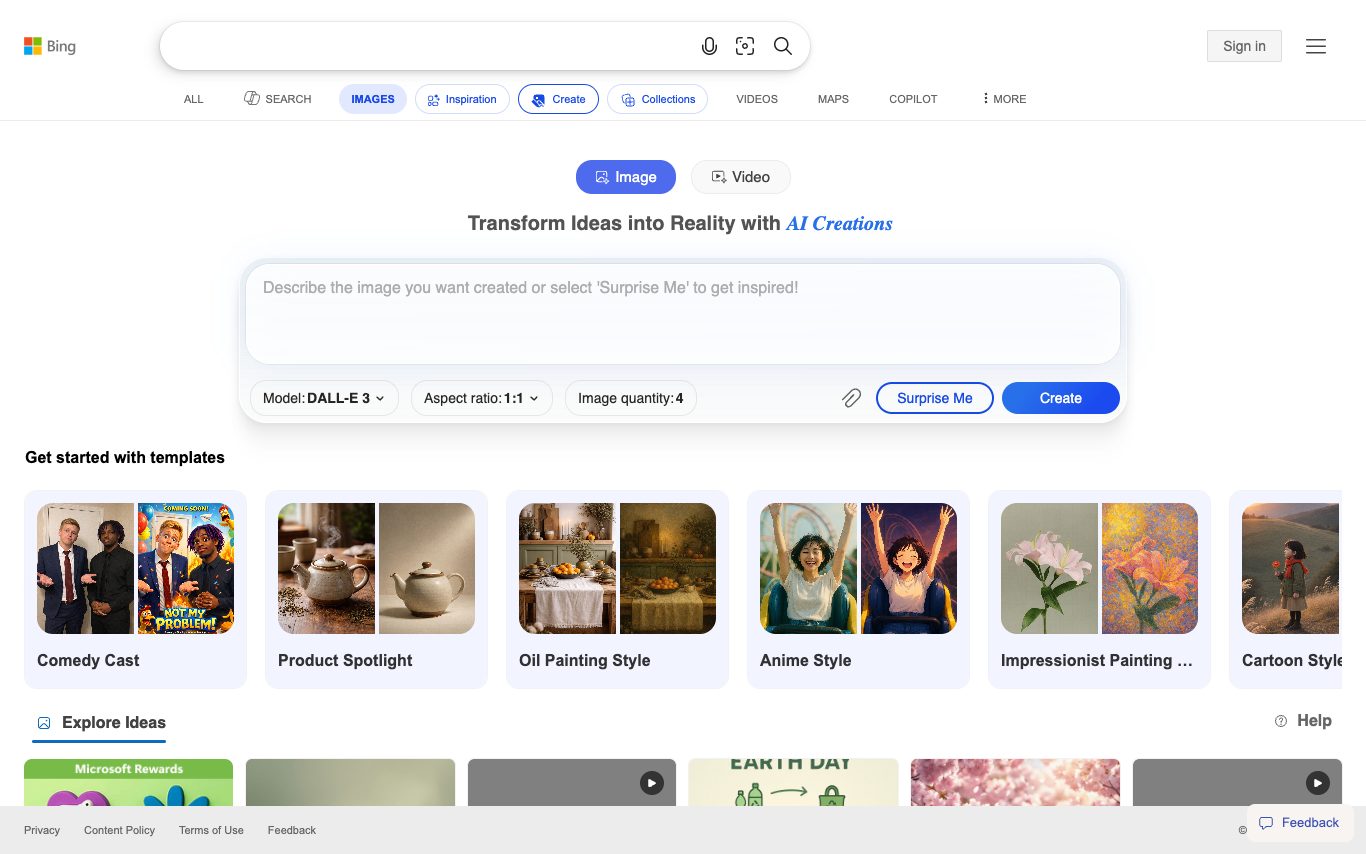

Bing Image Creator is Microsoft Bing's free AI image generator, powered by OpenAI's DALL-E. Users sign in with a Microsoft account, describe an image, and receive high-quality results with daily boost credits.
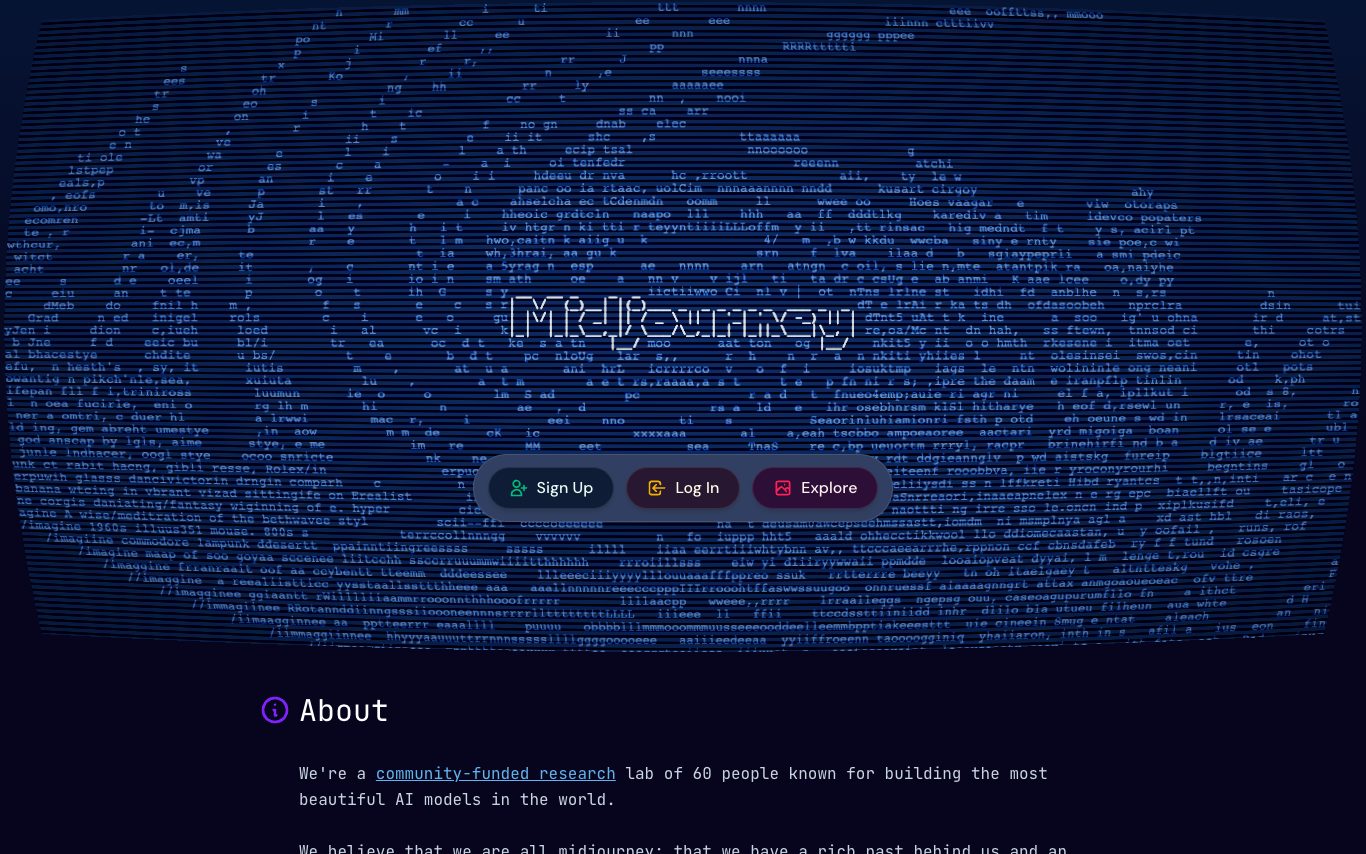
Midjourney is an independent research lab whose text-to-image model is one of the most widely used AI art tools. It is accessed through a web app and Discord, with a focus on strong aesthetics, style coherence, and creative exploration.

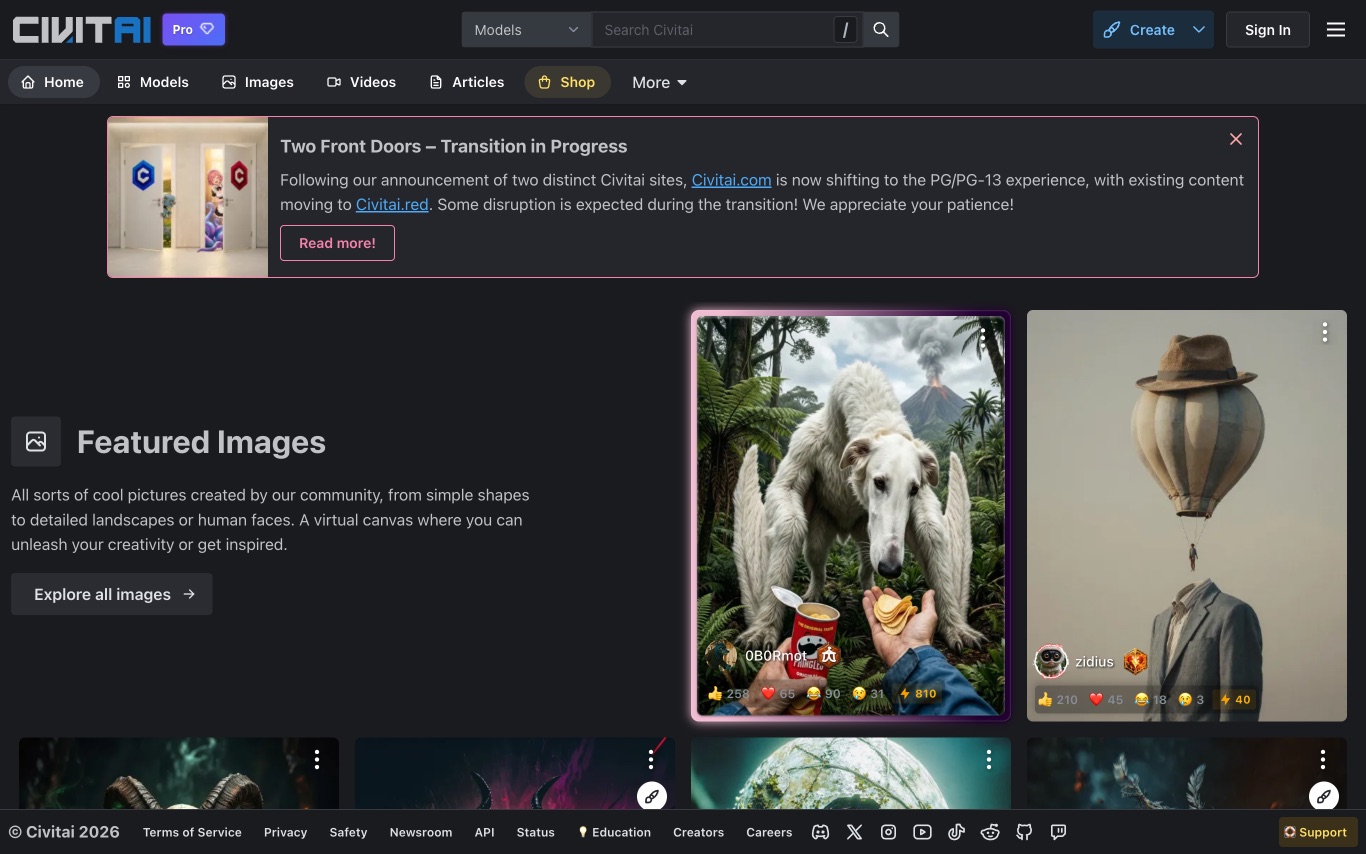


Leonardo.Ai is a generative AI platform for creating images, art, and video assets. It offers developer APIs and team tools for marketing and design workflows.
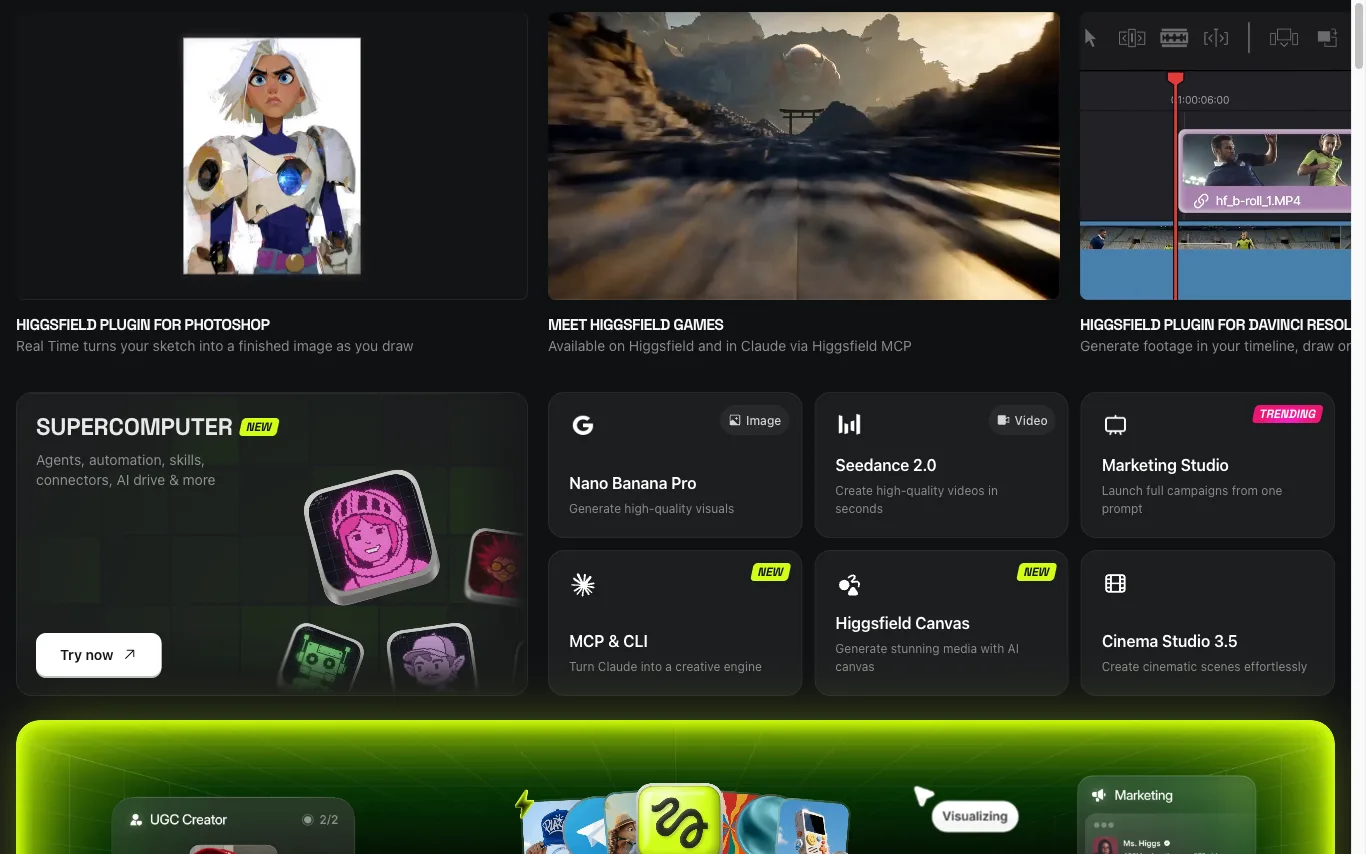

Higgsfield is an AI creative studio for generating cinematic videos and images from text prompts or reference images, with support for consistent AI characters and plugins for Photoshop and DaVinci Resolve.



What is an AI image generator?
An AI image generator creates original images from a text prompt or a reference image, using diffusion or similar models. It can produce art, photos, logos, product shots, and edits in many styles. Tools range from general text-to-image generators to focused ones for product photos, avatars, or upscaling.
Core features to look for
- Text-to-image from a written prompt
- Image-to-image and inpainting edits
- Style, aspect ratio, and resolution control
- Negative prompts and seeds for consistency
- Commercial-use rights and licensing options
- Free credits, or model choice and API
Who uses AI image generators, and how
Text-to-image art
Create illustrations, concept art, and social visuals from a prompt.
Image-to-image & edits
Restyle a photo, extend it, or edit parts with inpainting.
Product & marketing
Generate product shots, ads, and thumbnails with brand control.
Free & API
Compare free credits, watermarks, and API access for apps.
How does an AI image generator work?
Most AI image generators use diffusion models trained on huge image-text datasets. They start from noise and denoise it step by step, guided by your prompt, until an image emerges. Extra controls — negative prompts, seeds, reference images — steer style, composition, and consistency.