

AI Research · 10 tools
Best AI Research Tools (2026)
Compare AI research tools for literature reviews, academic search, citation-backed answers, paper summaries, data extraction, and deep research reports — from Elicit-style assistants to Consensus.
All AI Research tools



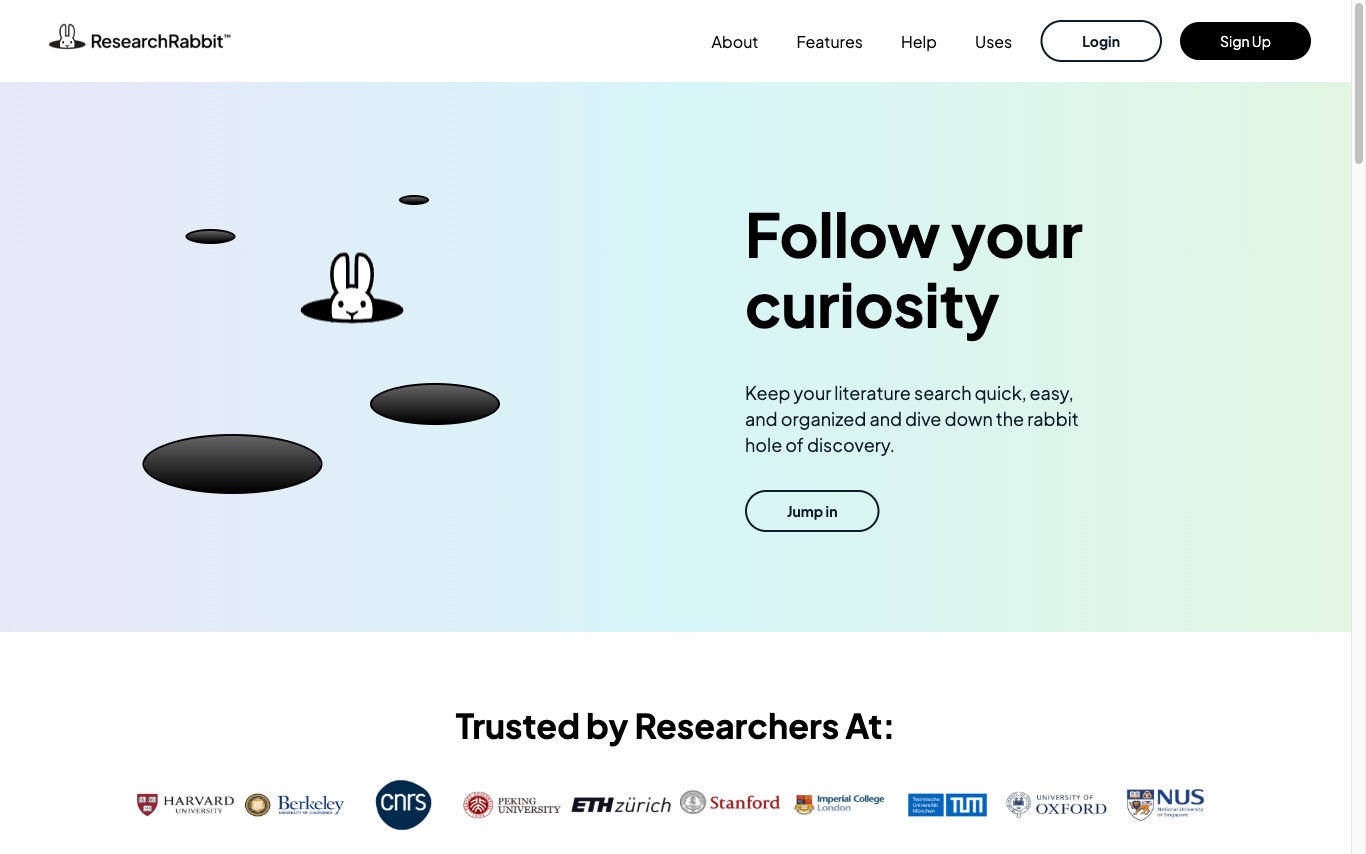

ResearchRabbit is a free research discovery tool for scientists and students. It surfaces related papers, visualizes author networks, and sends you updates when new work matches your collections.





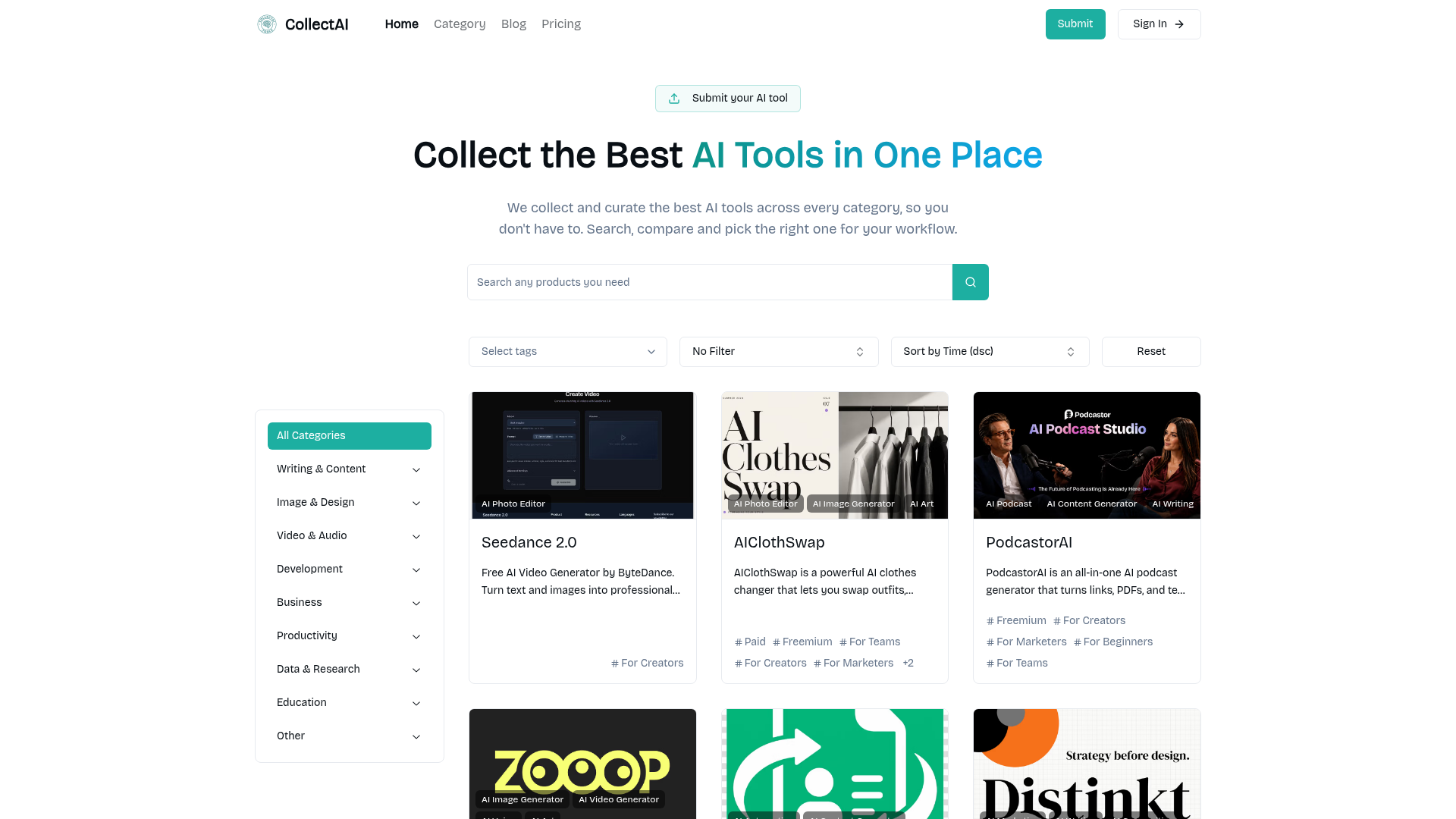

We collect and curate the best AI tools across every category, so you don't have to.


Pearl is a mathematical breakthrough that redefines the unit economics of AI: the same matrix multiplication that powers AI secures a monetary network at the same moment. It introduces Proof of Useful Work (PoUW) consensus, where every GPU cycle does double duty, securing a blockchain while performing AI inference. This creates a currency backed by the most valuable computation in the world.

What is an AI research tool?
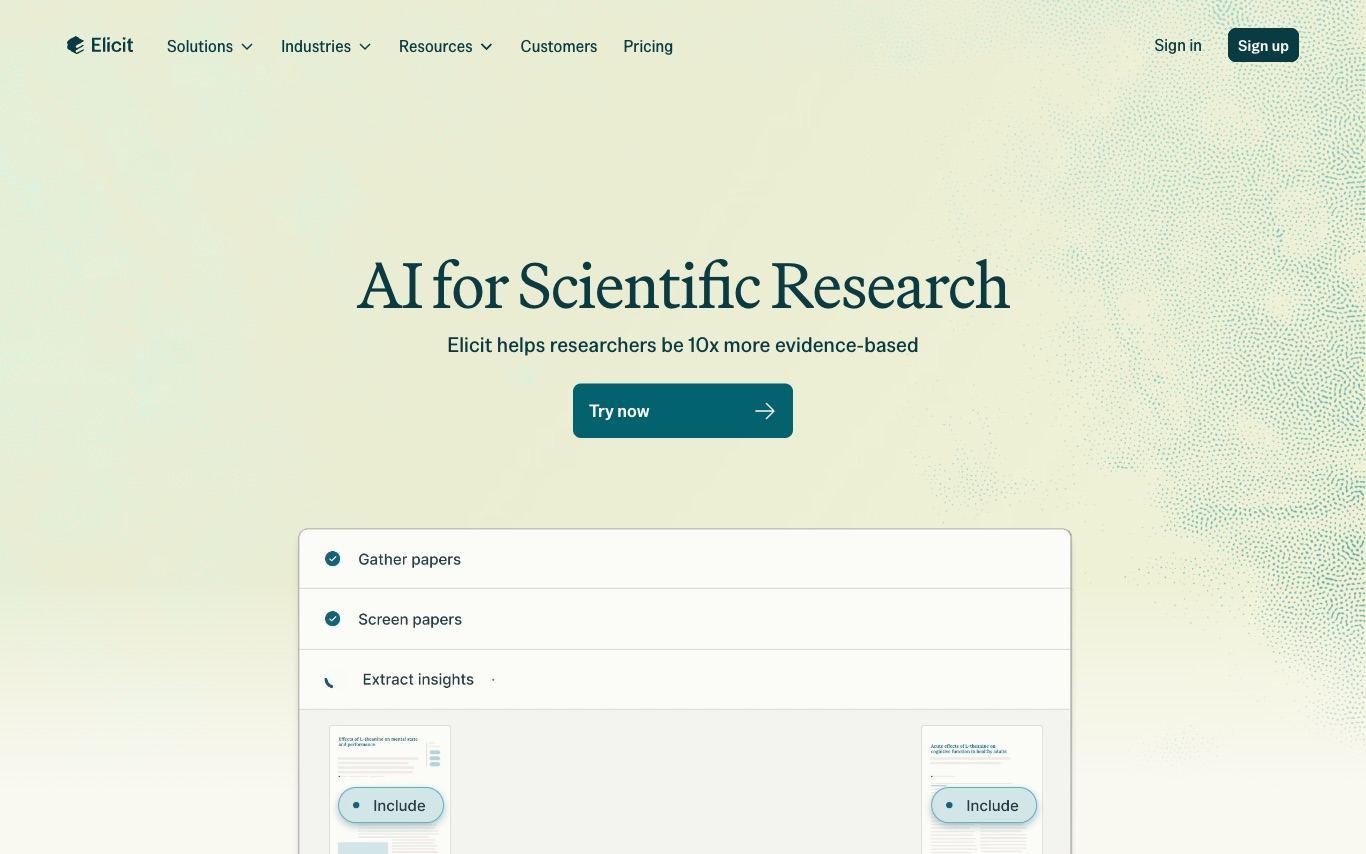
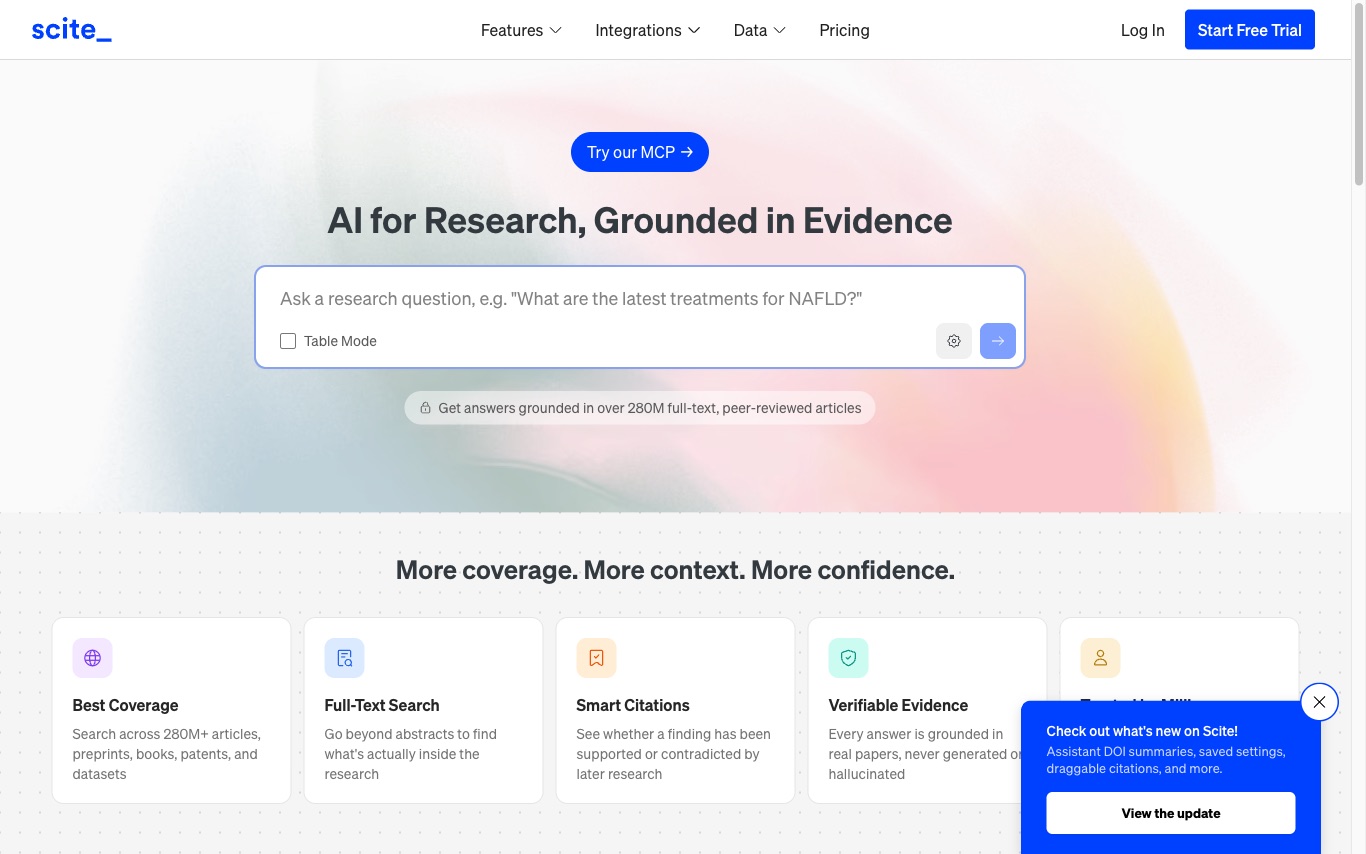
An AI research tool helps you find, read, and synthesize academic literature using large language models grounded on scholarly databases. Instead of keyword-matching like a search engine, it answers a research question in plain language, cites the papers behind each claim, and can summarize or extract data across many studies at once. They range from citation-backed search engines like Consensus and Semantic Scholar to structured review assistants like Elicit and deep-research agents that screen hundreds of papers into a report.
What AI research tools can do
- Semantic search across millions of peer-reviewed papers
- Plain-language answers with citations to source studies
- Extract methods, sample sizes, and outcomes into tables
- Summarize and chat with uploaded PDFs
- Deep-research agents that screen hundreds of papers
- Citation checks and reference management
Who uses AI research tools
Literature reviews
Find, screen, and synthesize dozens of studies into a structured review or comparison matrix.
Evidence-based answers
Get a citation-backed summary of what published research actually says on a specific question.
Reading and extraction
Chat with PDFs to pull methods, findings, and data from dense papers quickly.
Students and researchers
Speed up theses, grant proposals, and clinical or market research with traceable sources.
How AI research tools work
Most tools index scholarly databases and convert every paper into embeddings so they can match your question by meaning, not just keywords. A language model then reads the top-ranked papers and writes an answer or summary, linking each statement back to the study it came from. Deep-research modes add an agent that plans a search, screens hundreds of results, and compiles the shortlist into a report.