What is a no-code / low-code platform?

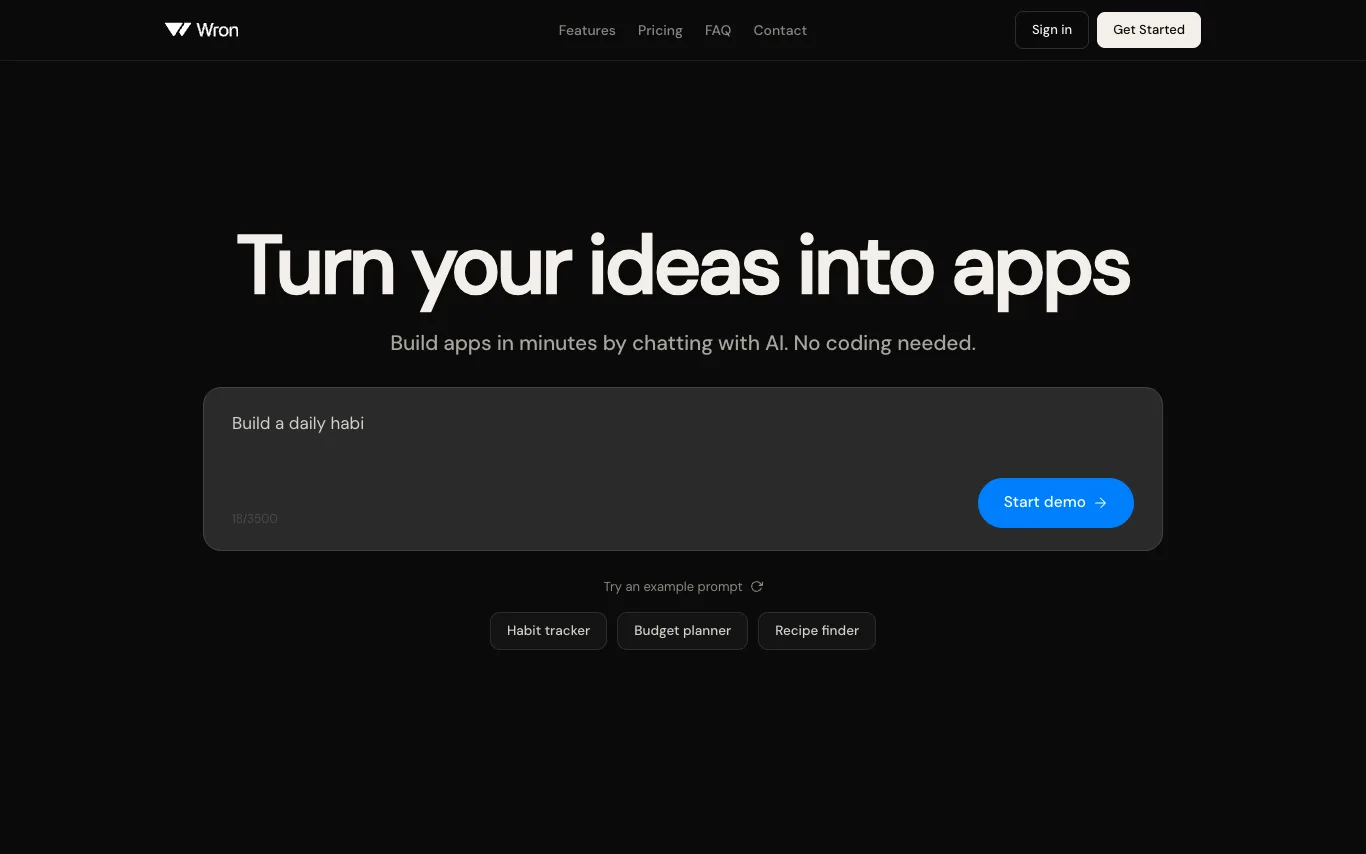
A no-code or low-code platform lets you build working software — web apps, internal tools, forms, databases, and automations — by dragging components and configuring logic visually instead of writing most of the code. No-code targets non-developers with fully visual builders, while low-code speeds up engineers by generating boilerplate and leaving room for custom code. Both connect to data sources and deploy the result as a real, hosted application.

What these platforms do

  • Drag-and-drop visual builder for UI and pages
  • Built-in or connected databases and tables
  • Workflow and automation logic without code
  • Prebuilt connectors to APIs and third-party apps
  • One-click hosting, publishing, and deployment
  • Custom code escape hatches for developers

Who uses no-code / low-code

01

Internal tools for operations

Teams build admin panels, dashboards, and CRUD apps on top of existing databases in days, not sprints.

02

Founders shipping an MVP

Non-technical founders launch a working product or marketplace to validate an idea before hiring engineers.

03

Business process automation

Operations and finance staff replace manual spreadsheets with automated workflows across their SaaS stack.

04

Enterprise dev acceleration

Engineering teams use low-code to ship departmental apps faster while keeping governance and custom code.

How no-code / low-code works

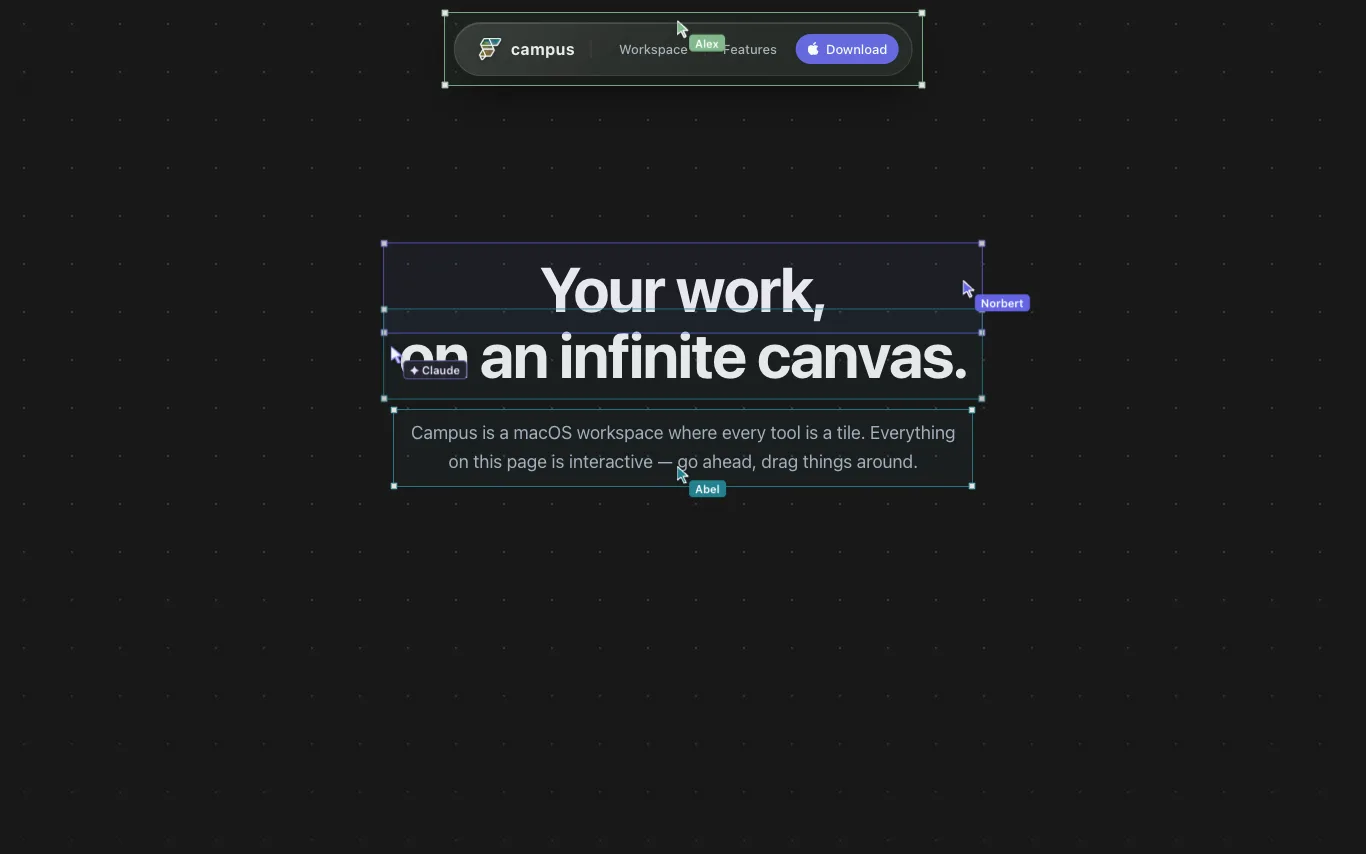
You assemble an app in a visual editor by dropping components onto a canvas and binding them to a database or API. Instead of hand-writing code, you configure logic through rules, formulas, and workflow steps, and the platform compiles that into a running app it hosts for you. Low-code tools add a code layer so developers can extend the generated app with scripts, custom components, or SQL.

No-code / low-code FAQ