 DR 23
DR 23
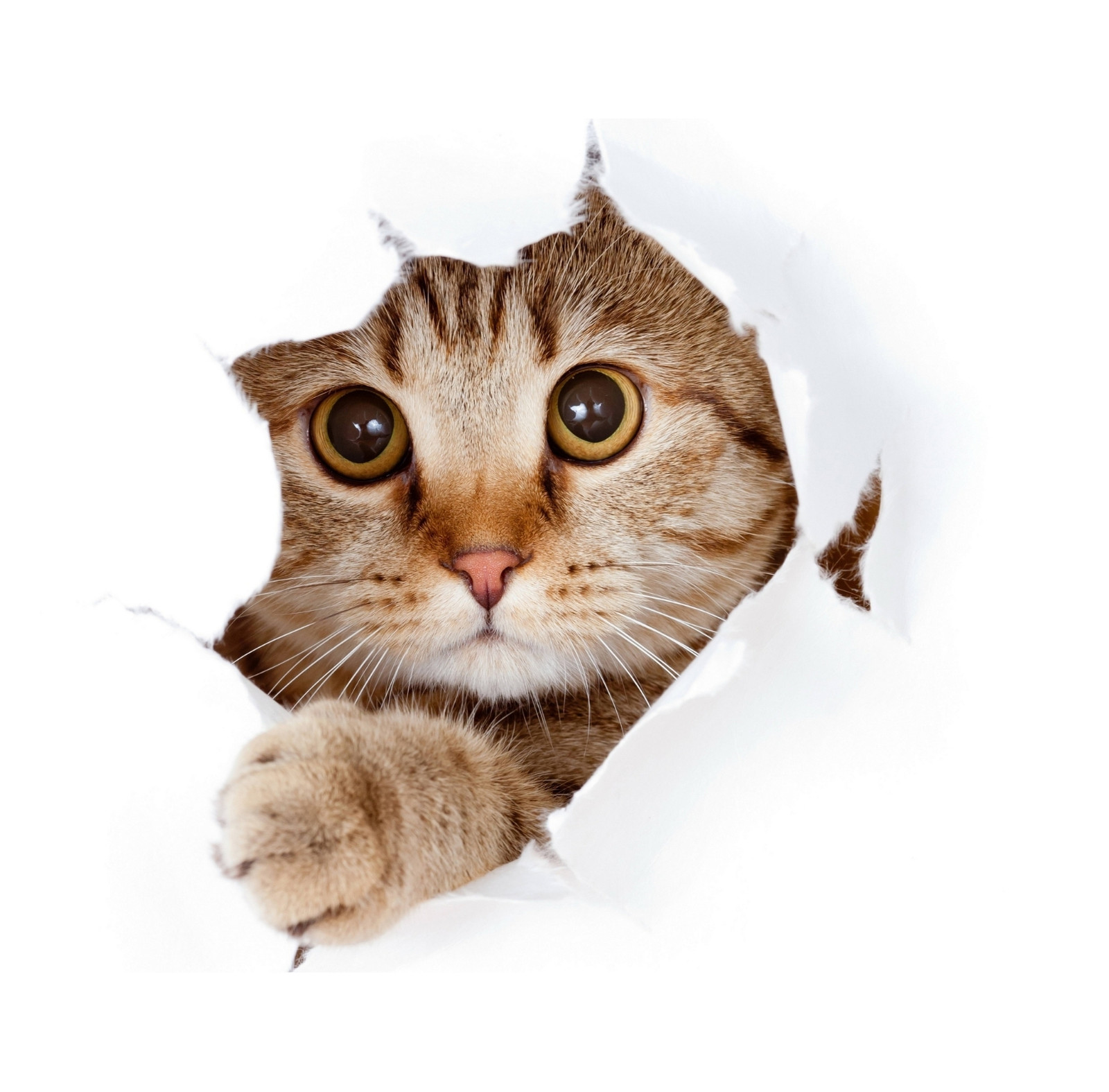
Furriq is a free AI-powered cat breed identifier that provides honest clues about a cat's likely breed influences based on visual analysis. Its primary value lies in offering an educational starting point for cat owners curious about their pet's heritage, without claiming definitive proof. Users upload a cat photo, and the AI examines over 40 visual markers such as coat pattern, color, face shape, and body structure. It's designed for cat owners who are curious about their cat's breed and are comfortable with 'likely' rather than 'certain' results. A key capability is its deliberate uncertainty, providing plausible breed influences as hypotheses rather than verdicts. This tool is ideal for those seeking to learn more about their cat's visual traits and potential breed connections. Users receive a clue report that highlights distinctive features and explains which breeds share those traits, fostering a more informed understanding of their cat's appearance.