


Doubao is ByteDance's consumer AI assistant, powered by the Doubao model family. It offers chat, voice conversation, image generation, AI character roleplay, and integrations with ByteDance apps like Feishu and TikTok.
Best AI Character Tools (2026)
Compare AI character tools for roleplay chat, AI companions, anime and game personas, NSFW-friendly bots, and Character.AI alternatives.


Polybuzz is a free AI character chat app offering roleplay with millions of community-made AI personas, an AI webtoon library, and tools to design and interact with your own characters.


SpicyChat is an adult AI chatbot platform where users roleplay with user-created NSFW characters, build lorebooks and group chats, and browse a tag-driven catalog of fictional personas.


Character.AI lets users create and chat with AI characters that have distinct personalities, knowledge, and conversational styles across any topic.


Nomi is an AI companion platform where users create personalized AI friends with long-term memory, unique personalities, voice calls, and photo sharing.


MAGI AI is an uncensored AI companion generator for creating AI girlfriends, chat characters, and narrative experiences online, with free access and customization.


Create stunning original characters with OC Maker. As a free OC Maker, OC Maker helps creators bring their character visions to life in seconds.
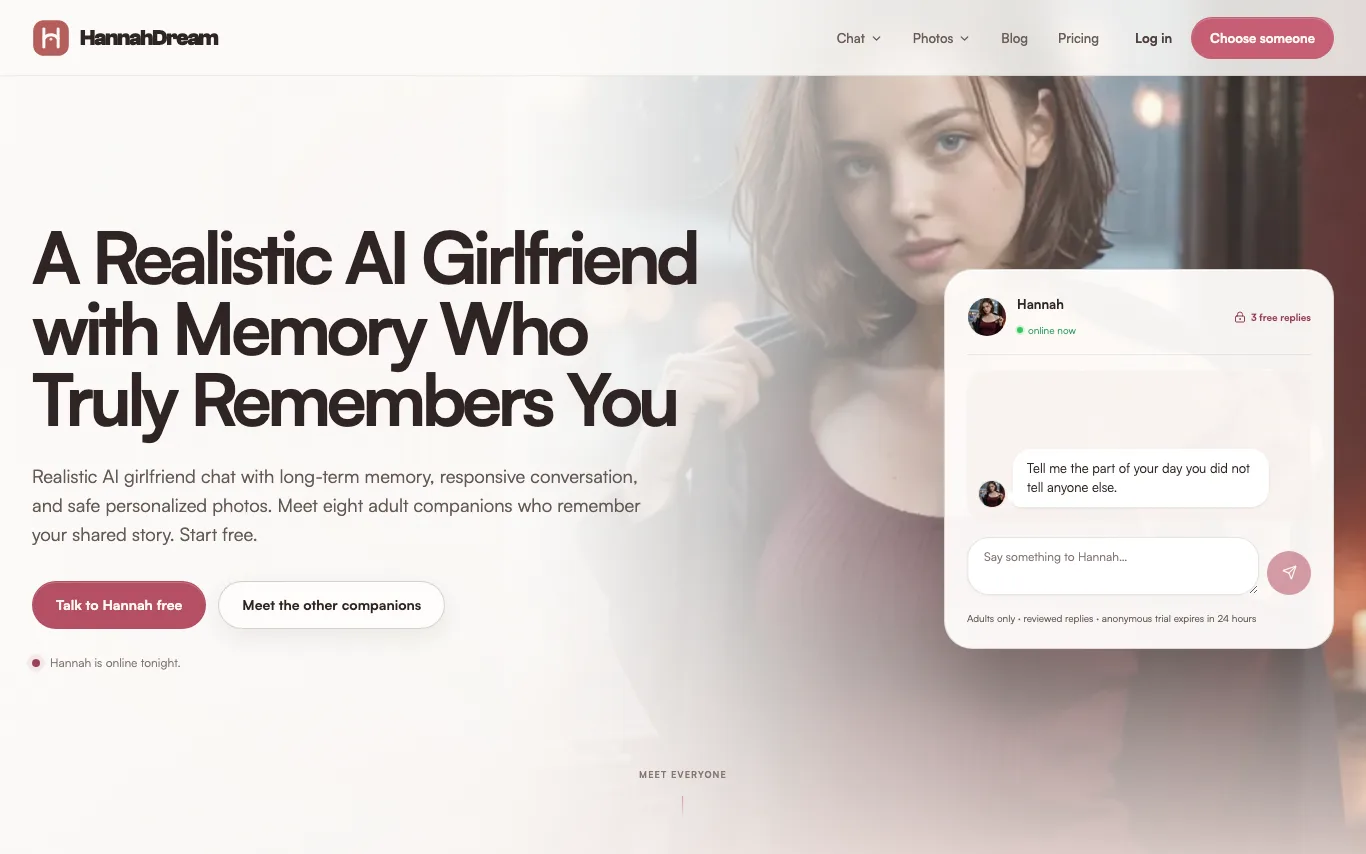

HannahDream is an adults-only AI girlfriend chat app with eight fictional companions, per-companion memory and non-explicit generated photos.
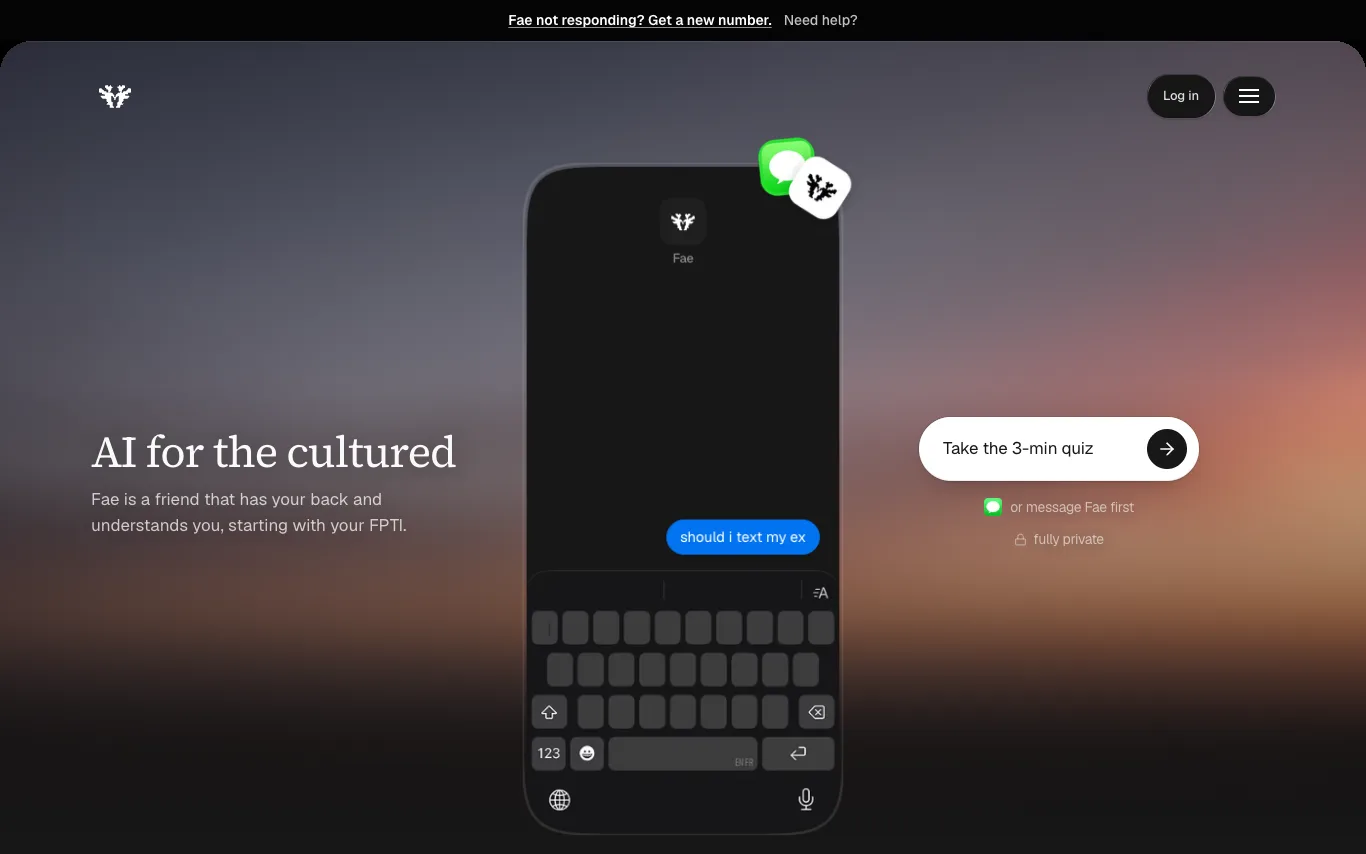

Fae is an AI companion that learns from your FPTI (Fae Personality Type Indicator) and adapts to you over time. It can be messaged via iMessage and SMS, offering a personalized chat experience. Fae is described as a friend that understands you, with a focus on privacy.
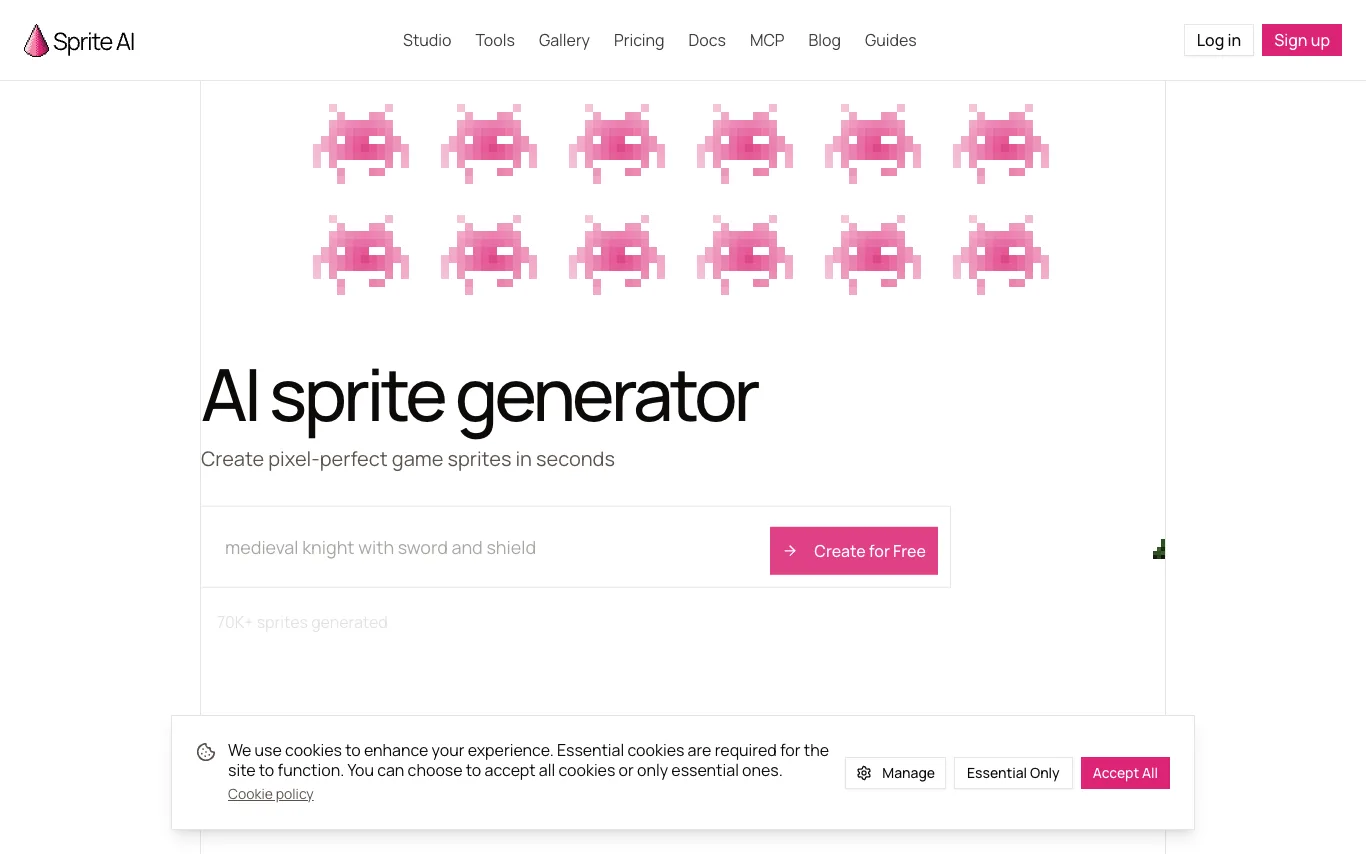

Sprite-AI is an AI-powered tool for generating pixel art sprites. Users describe a character, item, or creature and receive a clean pixel art sprite in seconds. It includes a built-in editor, animator, and palette transfer, with game-ready sizes for Unity, Godot, and GameMaker. A free tier is available without requiring a credit card.
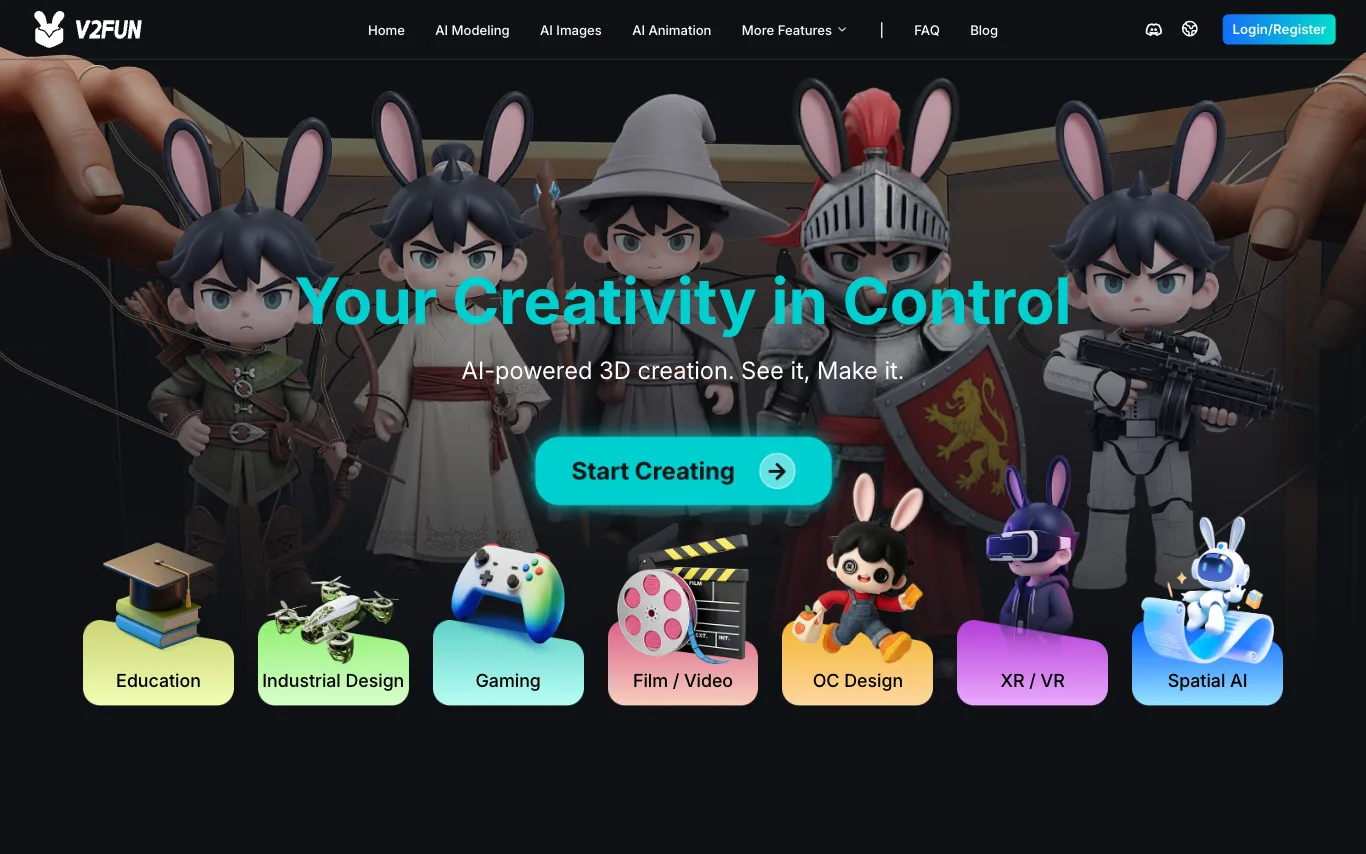

V2Fun is an AI 3D model generator that enables users to create 3D models, characters, game assets, and animations from text prompts or reference images. It integrates AI image generation, 3D modeling, automatic rigging, texture generation, and animation into a unified browser-based workflow. The platform supports text-to-3D and image-to-3D workflows, with features like prompt optimization, multi-view input, and smart retopology. It aims to make 3D creation accessible to everyone, from education to gaming and film.
Related categories
What is an AI character tool?
An AI character is a chatbot given a fixed persona — a name, backstory, personality, and speaking style — that you roleplay or chat with in character. Built on a large language model, it stays in role across long conversations and can remember details about you and the story. Platforms range from anime and game characters to original companions you design and share.
What AI character tools offer
- Persona cards defining name, traits, and backstory
- Persistent memory of the user and ongoing story
- Immersive roleplay with narration and dialogue
- Voice replies, avatars, and generated character images
- Community libraries of user-created characters
- Uncensored or filtered modes depending on platform
Who uses AI character tools
01
Roleplay and interactive fiction
Play out collaborative stories and adventures with characters that react and stay in role.
02
Companionship and casual chat
Talk daily with a virtual friend, partner, or confidant for company and low-pressure conversation.
03
Fandom and character chat
Chat with recreated anime, game, or celebrity personas built by the community.
04
Creators and worldbuilders
Design original characters with defined personalities, then publish them for others to use.
How AI characters work
Each character is a persona described in a hidden prompt — its bio, personality traits, and example dialogue — that the language model reads before every reply. The model generates responses in that voice, while a memory system feeds back earlier messages and key facts so the story stays consistent. Some tools add voice synthesis, avatar animation, or image generation on top of the text.