

Text to Speech AI · 22 tools
Best Text to Speech AI Tools (2026)
Compare text-to-speech AI for natural voiceover, video narration, audiobooks, voice cloning, multi-language voices, and free plans.
All Text to Speech AI tools


ElevenLabs is a voice AI platform for creating lifelike speech, voice cloning, and building voice agents. It offers APIs and SDKs for developers to integrate voice capabilities into applications.
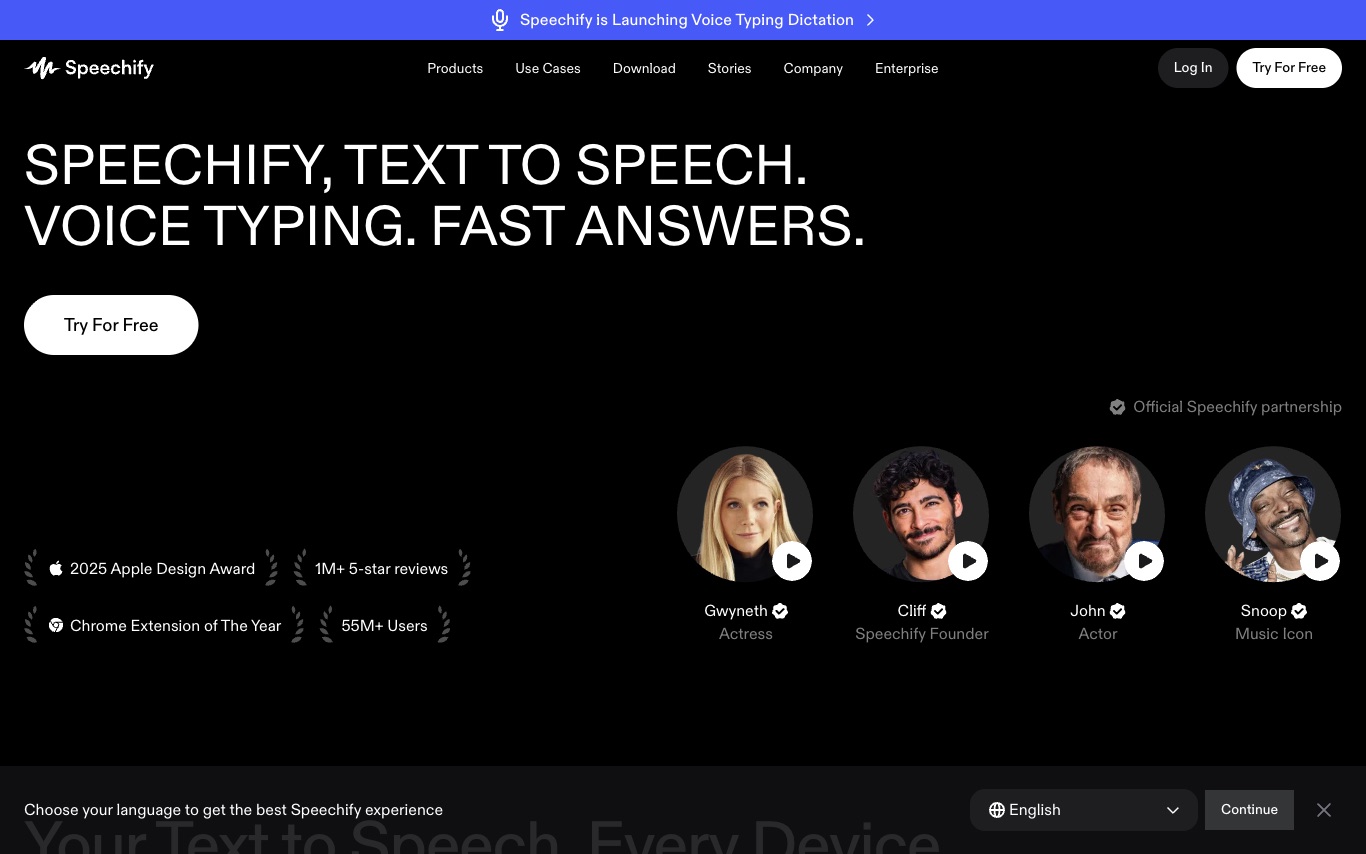

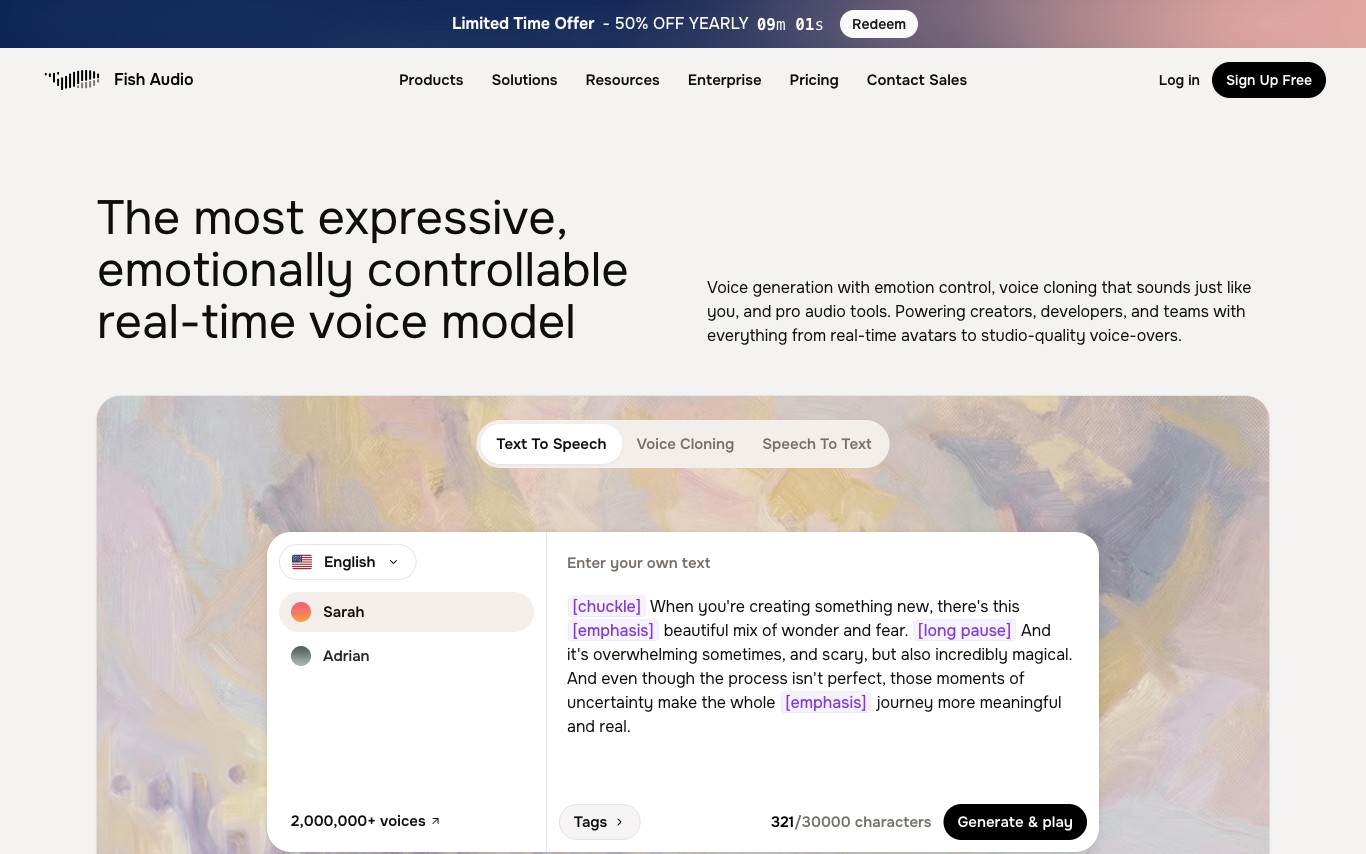

Fish Audio is an AI voice platform offering studio-grade text-to-speech and voice cloning. It supports 2,000,000+ community voices across 8 languages, with real-time streaming, emotion control, and a developer API — built for creators, developers, and production teams.
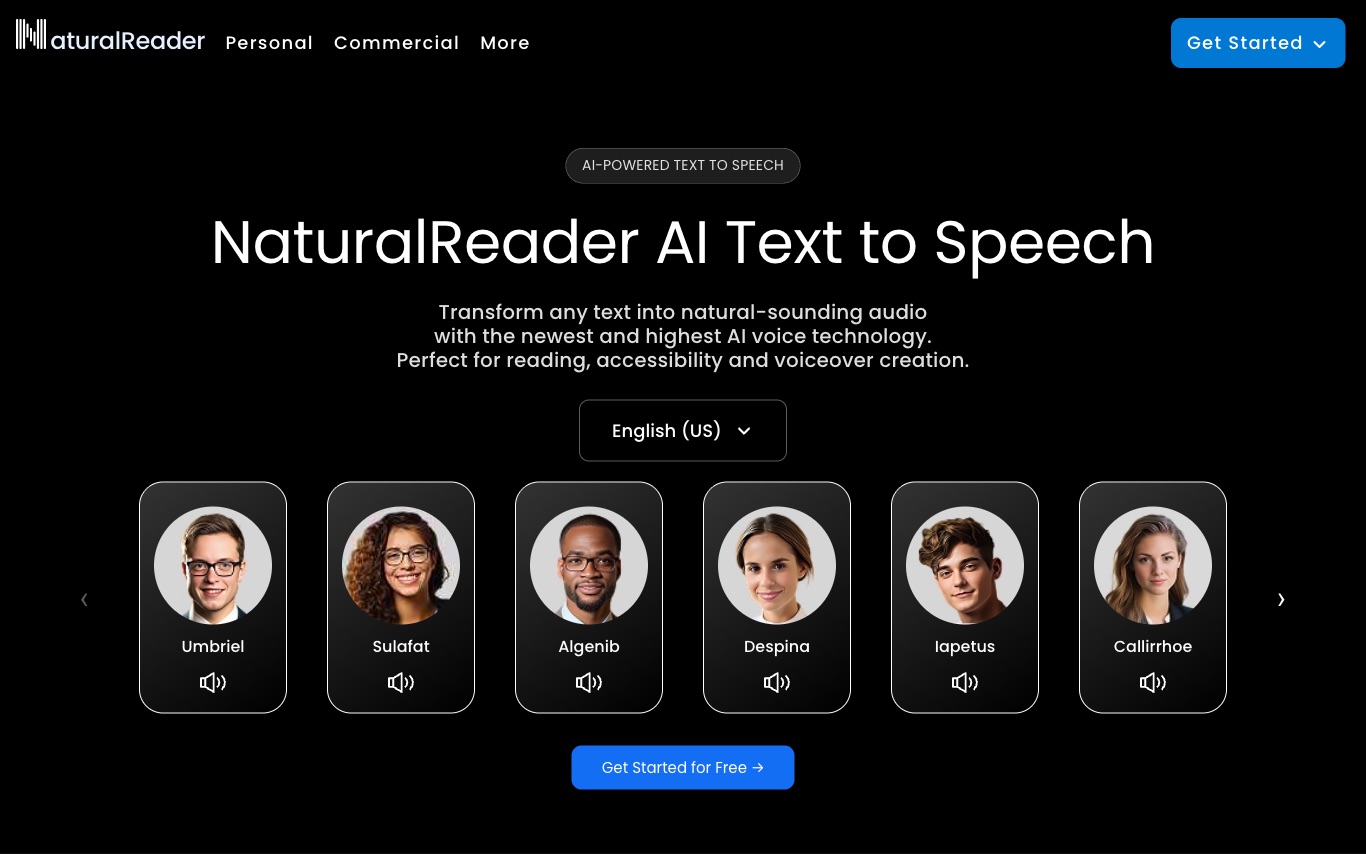

NaturalReader is a text-to-speech application that converts text, PDFs, and web pages into natural-sounding audio using AI voices—available online, as a mobile app, and with commercial licensing.




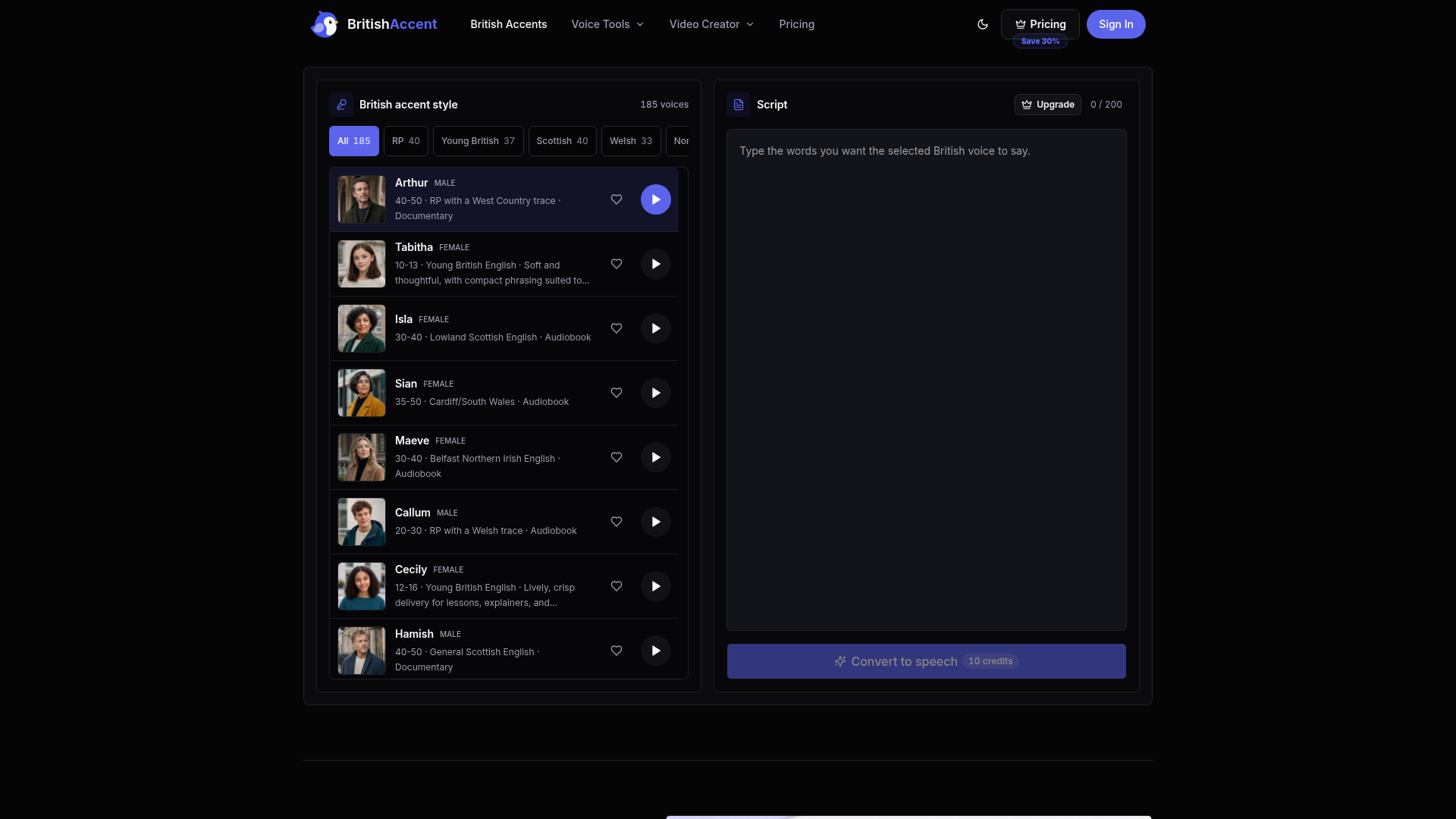

The British Accent Generator is an advanced text-to-speech tool designed to produce natural-sounding UK English audio. It offers a comprehensive selection of 185 distinct British voices, allowing users to create high-quality voiceovers and audio content with authentic regional accents. Users can easily browse the extensive voice library, which includes RP, young British, Scottish, Welsh, and Northern Irish styles. After selecting a suitable voice, scripts can be pasted into the generator, which then processes the text to create audio that matches the chosen delivery direction. The platform supports both male and female speaker profiles, each with unique characteristics and use cases. This tool is ideal for anyone needing British English narration for various projects, from educational materials and business presentations to video voiceovers and podcast drafts. It enables quick iteration and refinement of audio content, ensuring the final output has the desired British delivery and pronunciation.
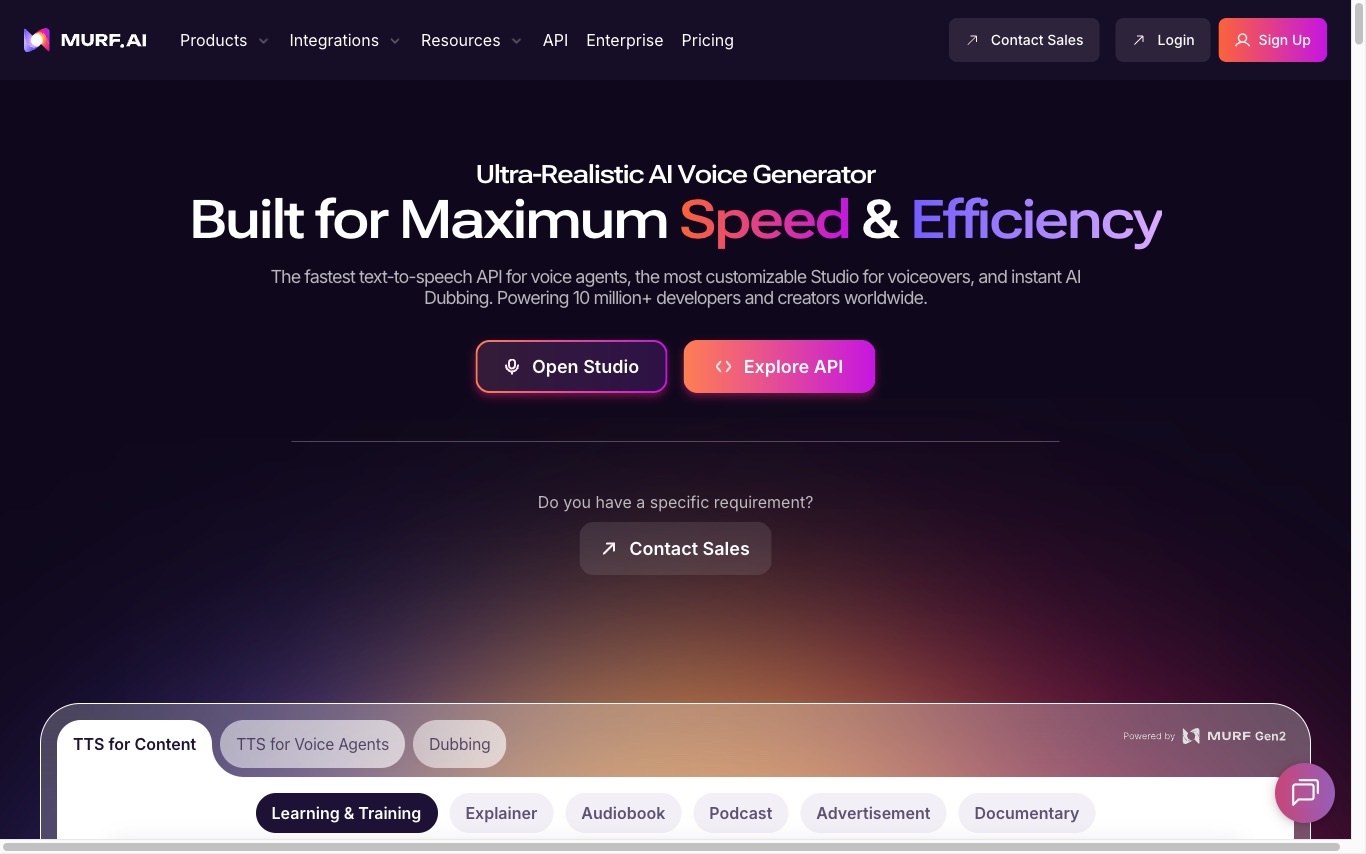

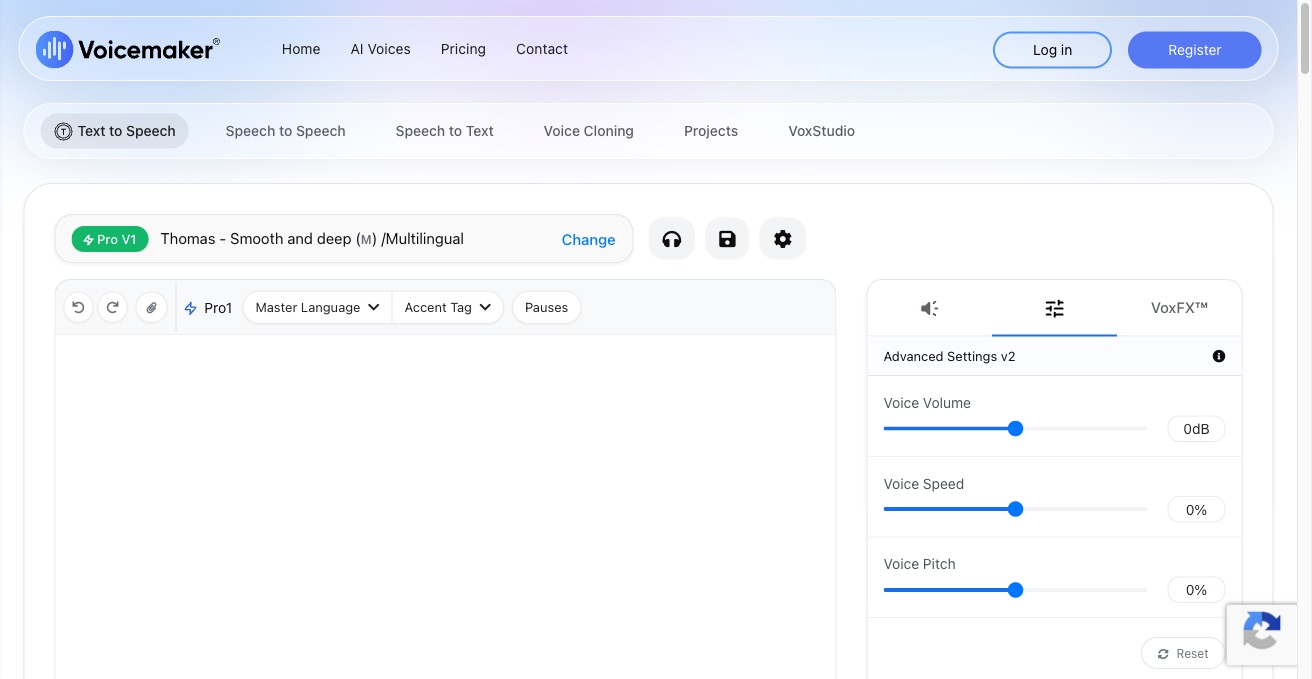

Voicemaker is a commercial-grade AI text-to-speech converter. Use neural voices, SSML controls, and bulk audio export for publishers, developers, and creators.
What is text-to-speech AI?
Text-to-speech AI turns written text into natural-sounding spoken audio using neural voice models, going well beyond the robotic voices of older systems. It can narrate videos, articles, and audiobooks, voice characters, or read content aloud for accessibility, in many languages and voices.
Core features to look for
- Natural neural voices across many languages
- Control over voice, accent, tone, speed, and emphasis
- Voice cloning from a short sample (some tools)
- SSML or an editor for pauses and pronunciation
- MP3/WAV export and an API for apps
- Free tier with character or usage limits
Who uses text-to-speech AI, and how
Video & podcast voiceover
Narrate YouTube videos, ads, and explainers without recording your own voice.
Audiobooks & articles
Turn long text into listenable audio for creators and readers.
Accessibility & reading
Read content aloud for users who prefer or need audio.
Apps & phone systems
Add spoken output to products, assistants, and IVR via API.
How does text-to-speech AI work?
Modern text-to-speech uses neural models trained on recorded human speech to predict how text should sound — its rhythm, intonation, and pronunciation — then synthesizes the audio waveform. Controls like SSML, or cloning from a voice sample, shape the accent, emotion, and pacing of the result.