

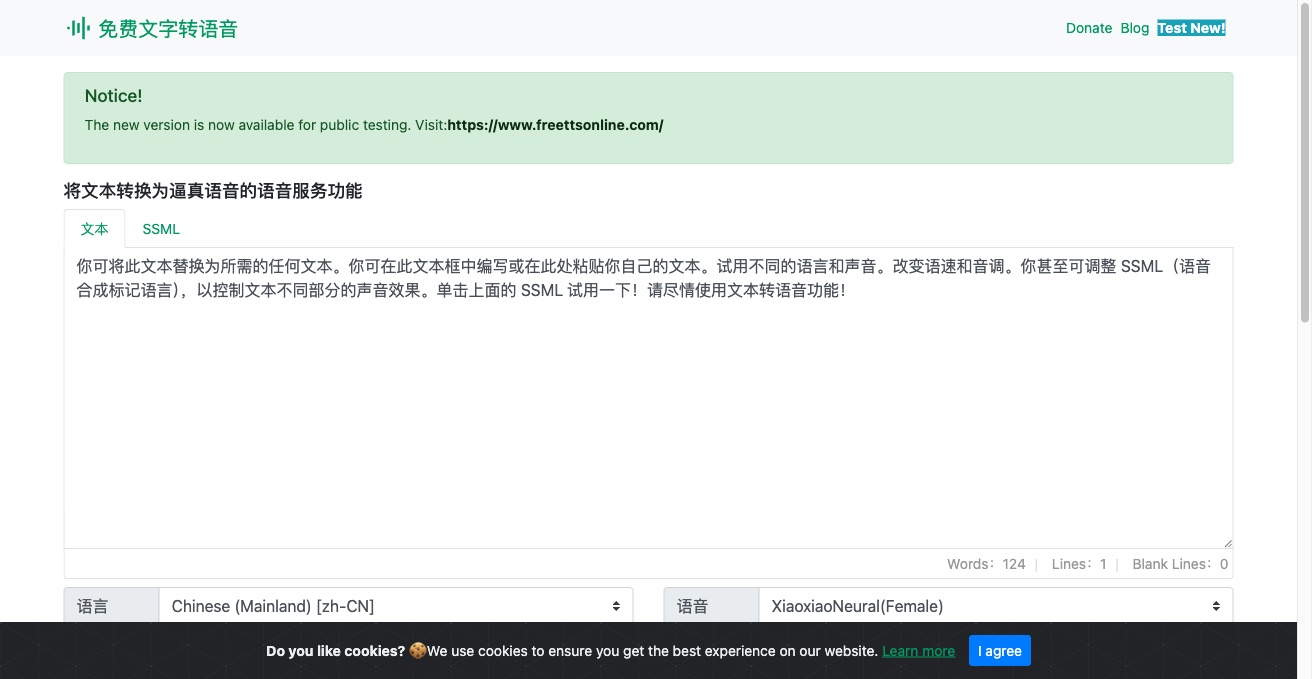

Text to Speech Online is a free Chinese-language TTS tool. Paste text, select a voice, and download a natural-sounding MP3 in seconds.
Text to Speech AI · 22 tools
Best Text to Speech AI Tools (2026)
Compare text-to-speech AI for natural voiceover, video narration, audiobooks, voice cloning, multi-language voices, and free plans.
All Text to Speech AI tools
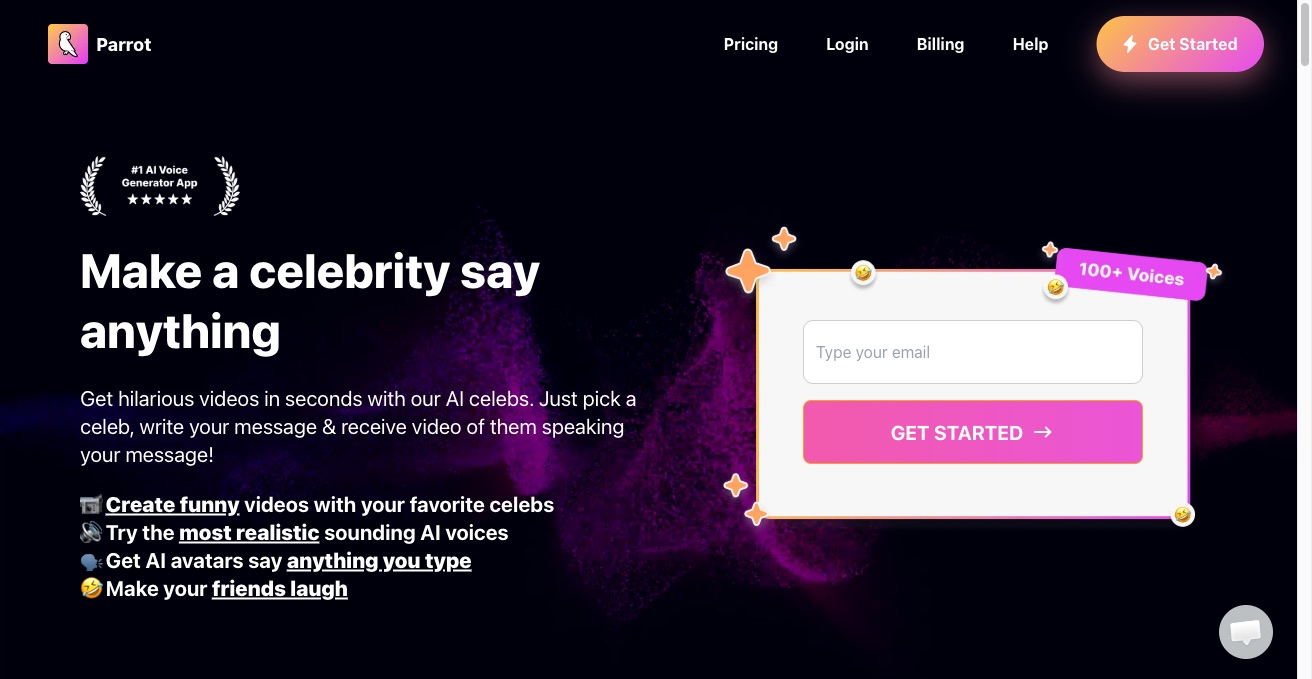


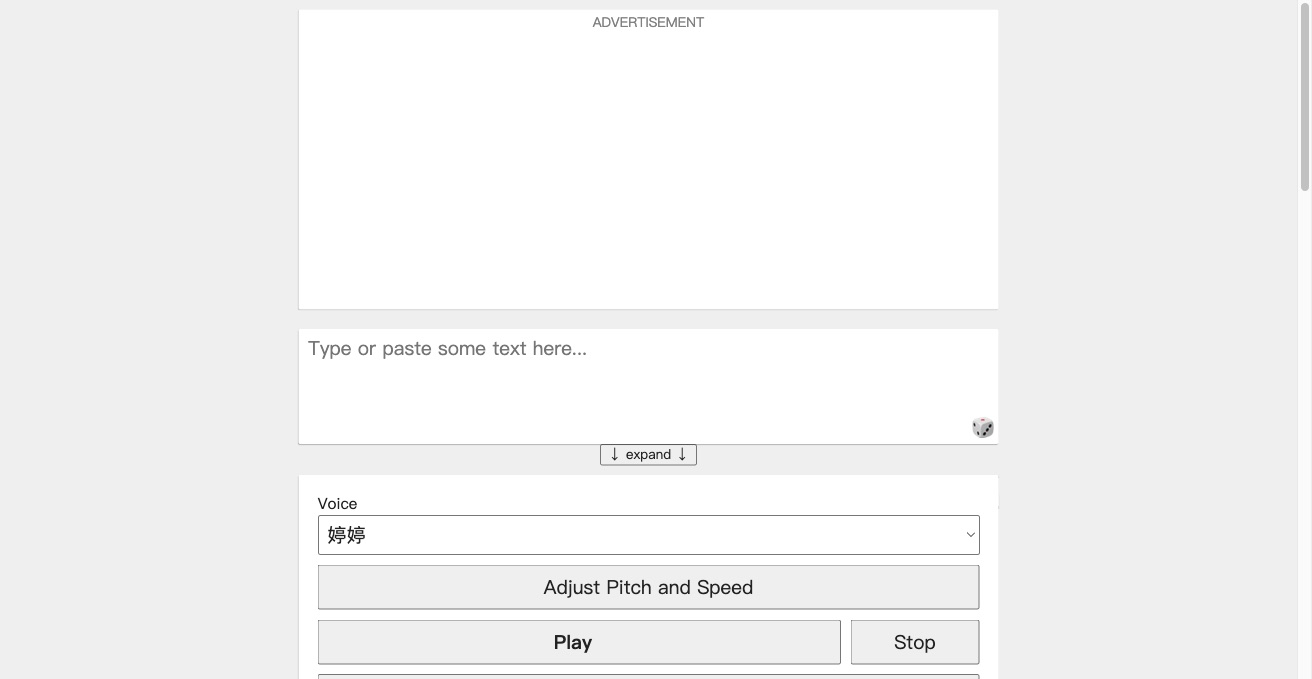

Voice Generator is a free online TTS tool. Enter text, choose a voice and language, and download natural-sounding audio without needing an account.
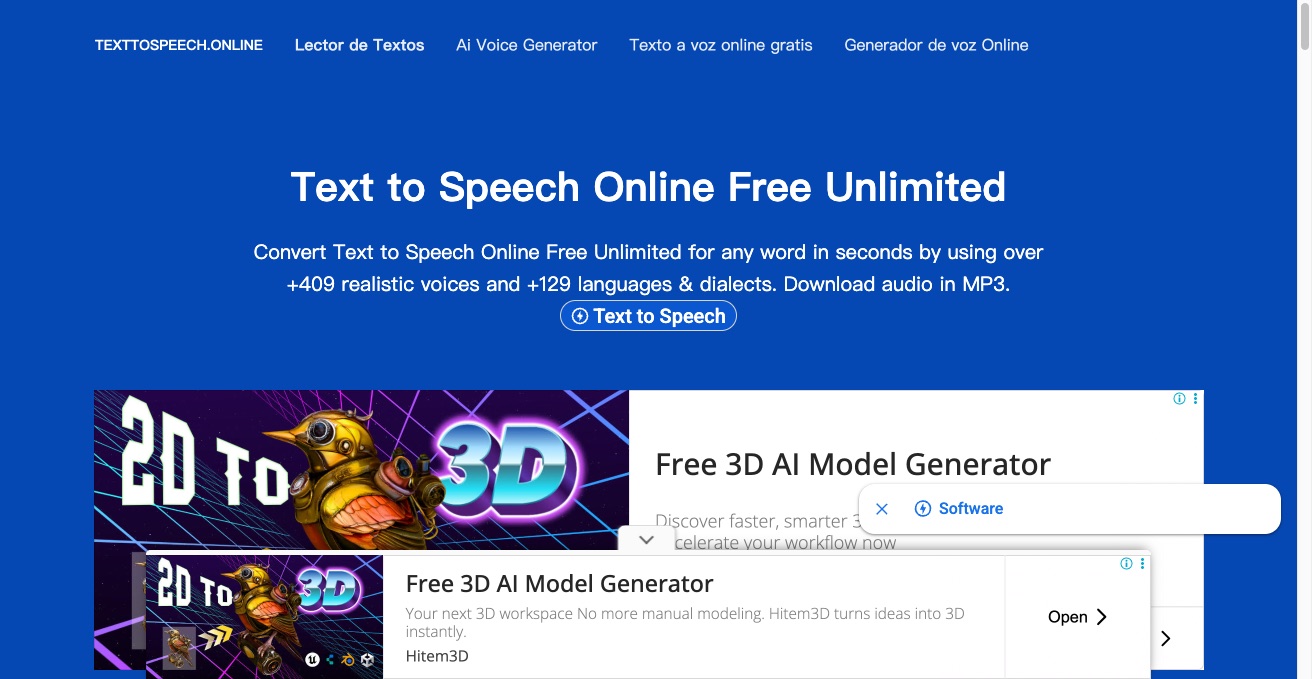

TextToSpeech Online is a free unlimited TTS tool. Convert long-form text into natural AI voice audio and download the result, with no character limits.
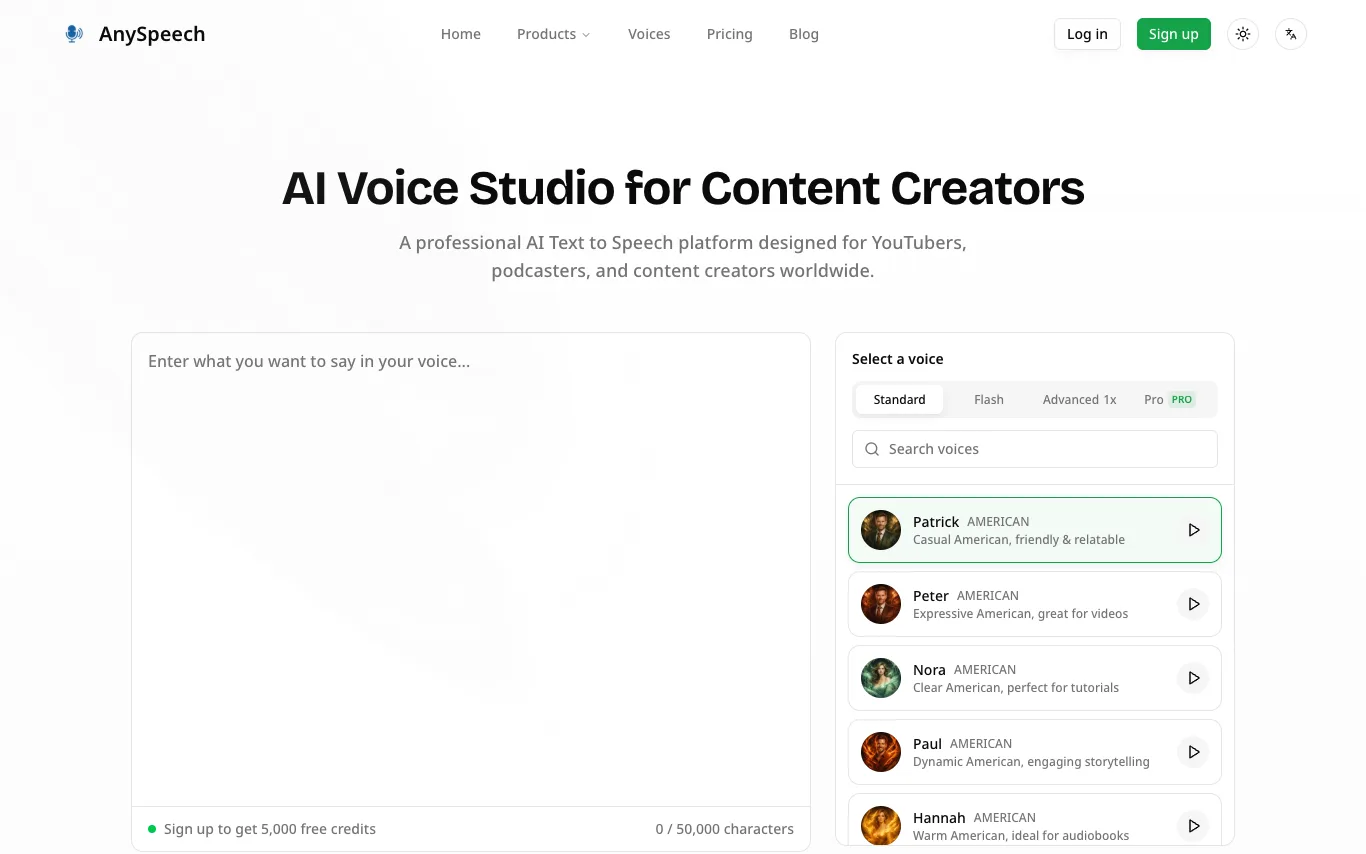

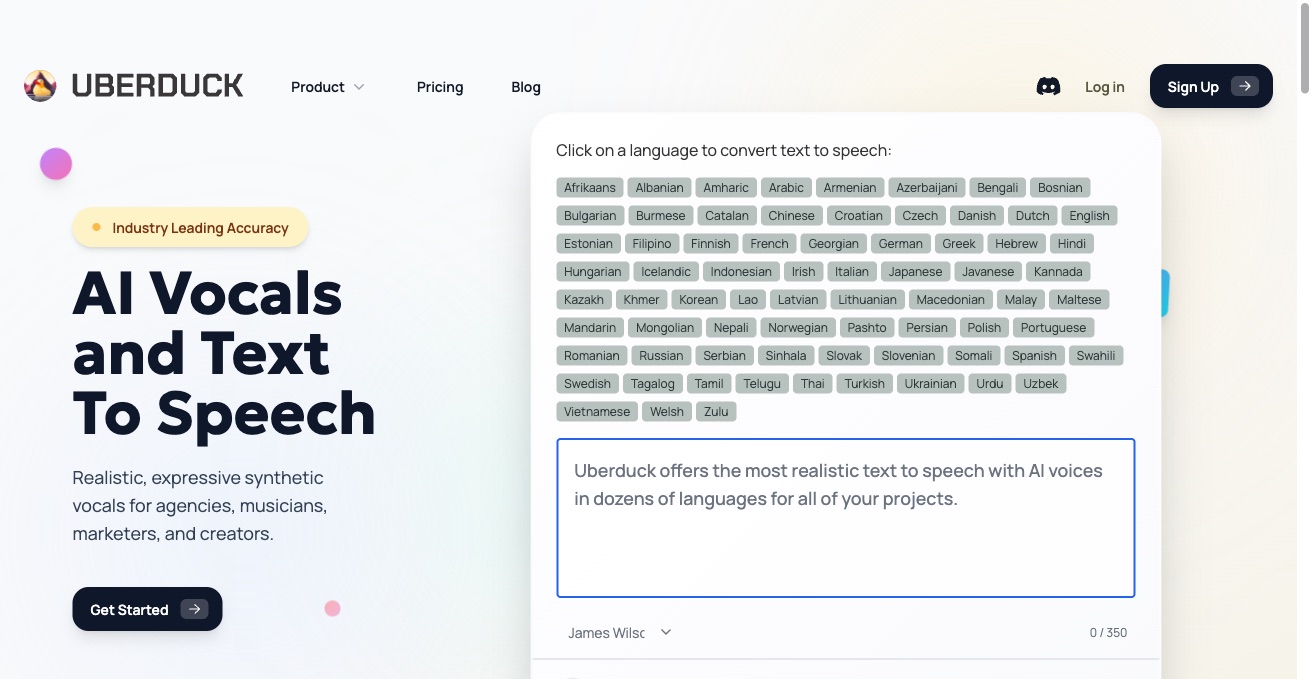
AnySpeech is a professional AI text-to-speech platform that transforms text into natural-sounding speech. It offers over 100 realistic voices across 50+ languages, suitable for YouTubers, podcasters, and content creators. Users can sign up to receive 5,000 free credits and start generating speech without needing a credit card. The platform provides a variety of voice options, including American, British, Australian, Spanish, French, and more, each with distinct characteristics for different use cases.
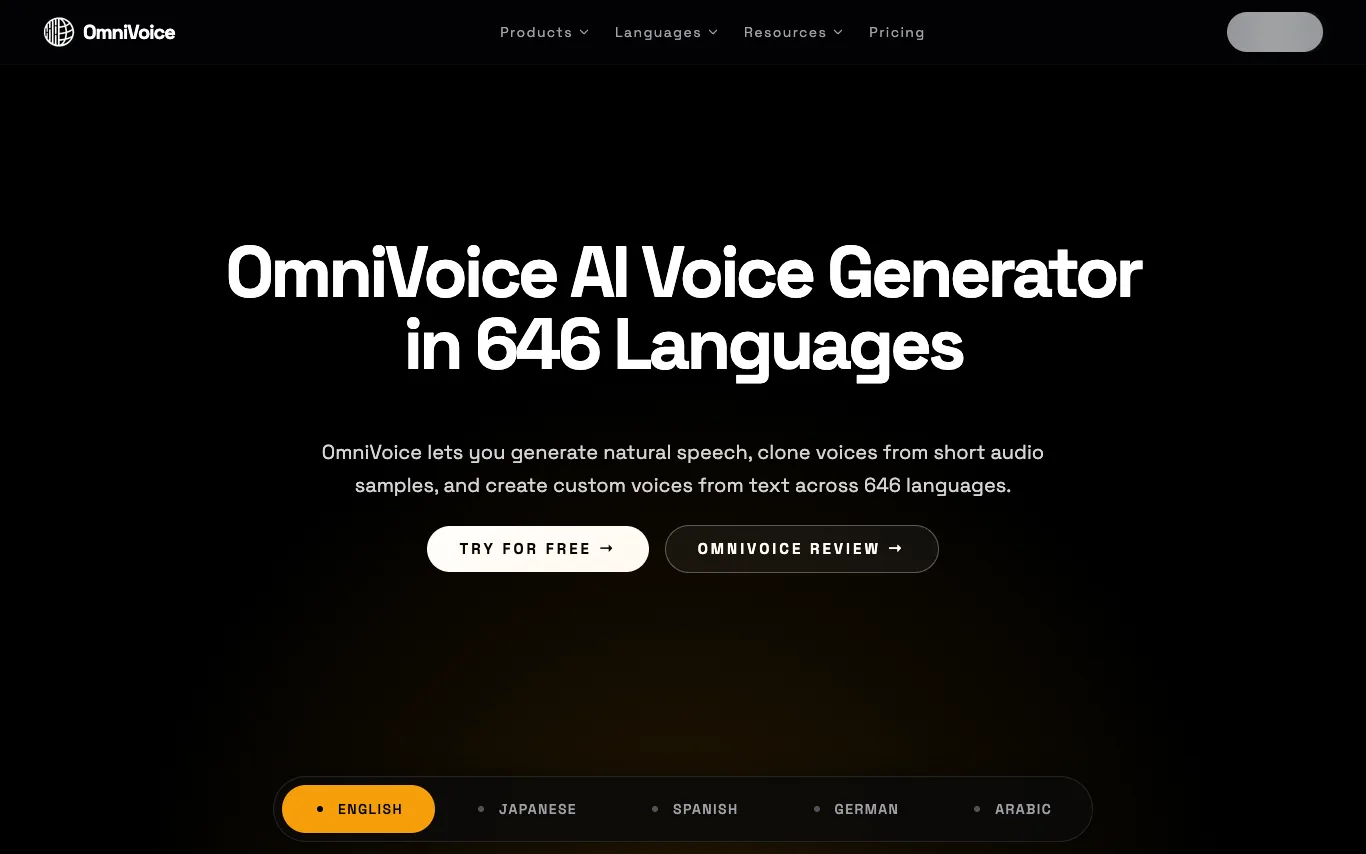

OmniVoice is a free, open-source AI voice generator that supports 646 languages. It converts text to natural-sounding speech, clones voices from a short audio sample (zero-shot Voice Cloning), or creates a voice from a text description alone (Voice Design). Developed by the k2-fsa research team and trained on 581,000 hours of open-source speech data. OmniVoice is released under Apache 2.0, free for personal and commercial use.
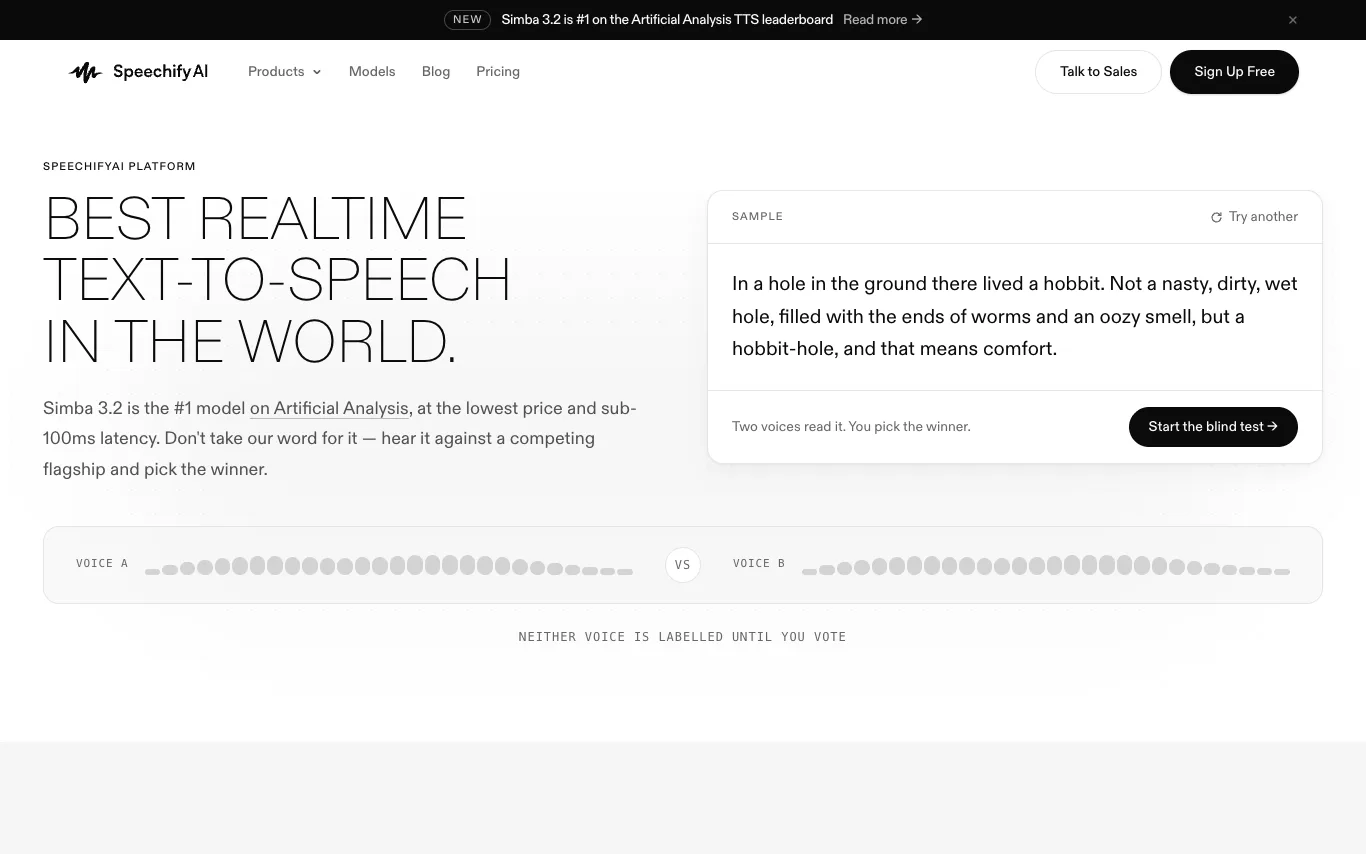

SpeechifyAI is a research lab advancing speech synthesis, voice cloning, and emotional expression. Its flagship model, Simba 3.2, is ranked #1 on Artificial Analysis TTS leaderboard, offering sub-100ms latency and low cost. The platform provides a single API for streaming, voice cloning, emotion control, and multilingual synthesis across 30+ locales.
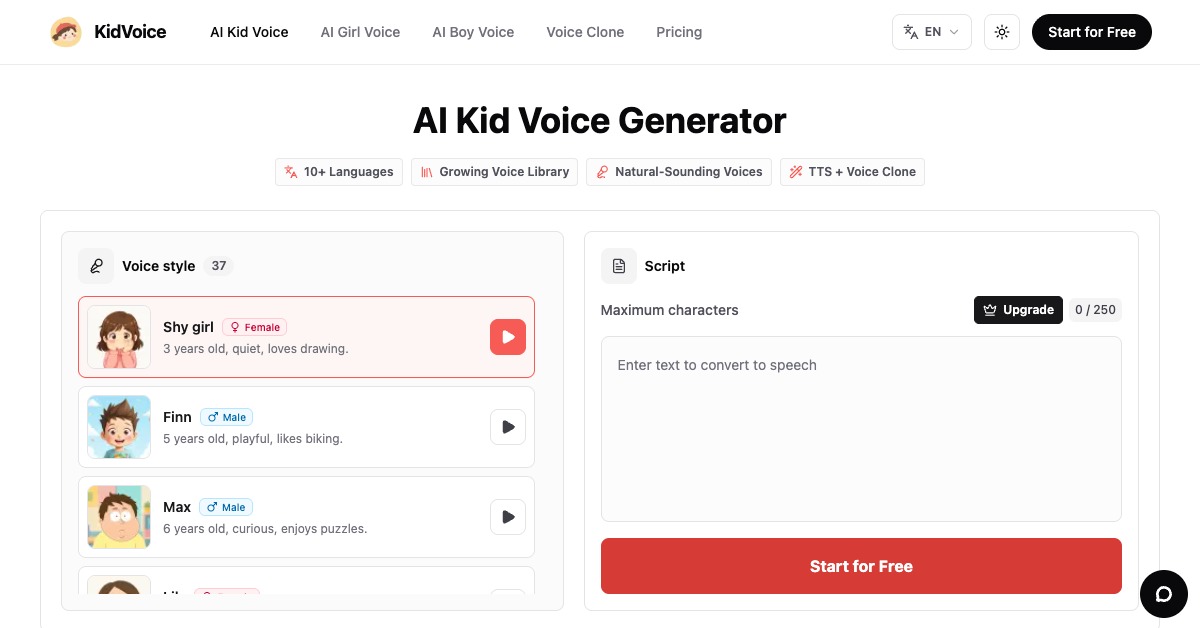

Our advanced voice generator creates authentic and engaging children's voices for all your creative projects.
What is text-to-speech AI?
Text-to-speech AI turns written text into natural-sounding spoken audio using neural voice models, going well beyond the robotic voices of older systems. It can narrate videos, articles, and audiobooks, voice characters, or read content aloud for accessibility, in many languages and voices.
Core features to look for
- Natural neural voices across many languages
- Control over voice, accent, tone, speed, and emphasis
- Voice cloning from a short sample (some tools)
- SSML or an editor for pauses and pronunciation
- MP3/WAV export and an API for apps
- Free tier with character or usage limits
Who uses text-to-speech AI, and how
01
Video & podcast voiceover
Narrate YouTube videos, ads, and explainers without recording your own voice.
02
Audiobooks & articles
Turn long text into listenable audio for creators and readers.
03
Accessibility & reading
Read content aloud for users who prefer or need audio.
04
Apps & phone systems
Add spoken output to products, assistants, and IVR via API.
How does text-to-speech AI work?
Modern text-to-speech uses neural models trained on recorded human speech to predict how text should sound — its rhythm, intonation, and pronunciation — then synthesizes the audio waveform. Controls like SSML, or cloning from a voice sample, shape the accent, emotion, and pacing of the result.