

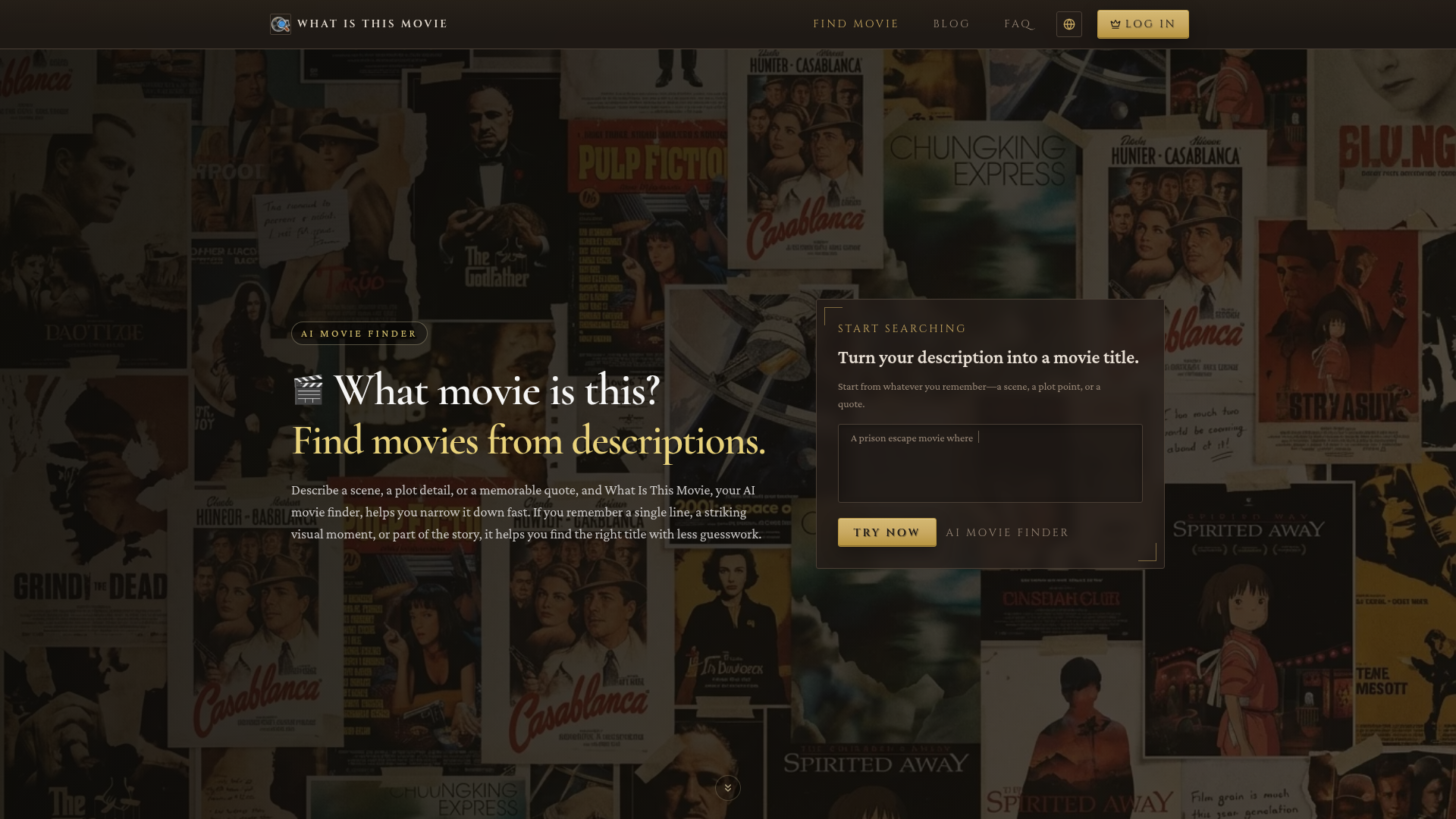

Find movies from descriptions, plot details, or memorable quotes using AI.
AI Search Engine · 13 tools
Best AI Search Engine Tools (2026)
Compare AI search engines that answer questions in plain language with cited sources — from Perplexity-style research assistants to real-time answer engines and free ChatGPT search alternatives.
All AI Search Engine tools
What is an AI search engine?
An AI search engine answers your question directly in plain language instead of returning a list of blue links. It reads live web pages in real time, writes a synthesized answer, and cites the sources it pulled from so you can check them. Examples range from Perplexity and ChatGPT Search to Google's AI Overviews and open-source answer engines.
What AI search engines do
- Direct written answers instead of ten blue links
- Inline citations linking back to source pages
- Live web retrieval for current, up-to-date results
- Follow-up threads that carry earlier questions forward
- Focus modes for academic papers, video, or social
- Comparison answers that weigh several sources at once
Who uses AI search engines
01
Research and fact-checking
Get a synthesized answer with citations you can open and verify before trusting it.
02
Students and academics
Search scholarly papers and pull cited summaries for essays, literature reviews, and study.
03
Professionals and analysts
Gather current market, legal, or technical facts fast without opening a dozen tabs.
04
Everyday quick answers
Ask conversational questions and get a clear reply instead of scanning search results.
How AI search engines work
When you ask a question, the engine runs live web searches and retrieves the most relevant pages. A large language model then reads those pages and writes an answer grounded in what it found, attaching citations to each claim. This retrieval-augmented approach keeps replies current and traceable, unlike a chatbot answering from memory alone.