



Bluesminds is an enterprise AI intelligence platform that connects data, applies AI, and enables decision-making. It deploys autonomous AI agents for complex tasks, offers decision intelligence, and operates a sovereign, air-gappable network across 29 regions. Trusted by 500+ enterprise organizations, it powers 2.4B+ decisions with 99.99% uptime.
AI API · 17 tools
Best AI API Tools (2026)
Compare AI APIs and model gateways for adding LLMs, image generation, speech, and embeddings to your app — from single-provider endpoints to unified multi-model platforms.
All AI API tools
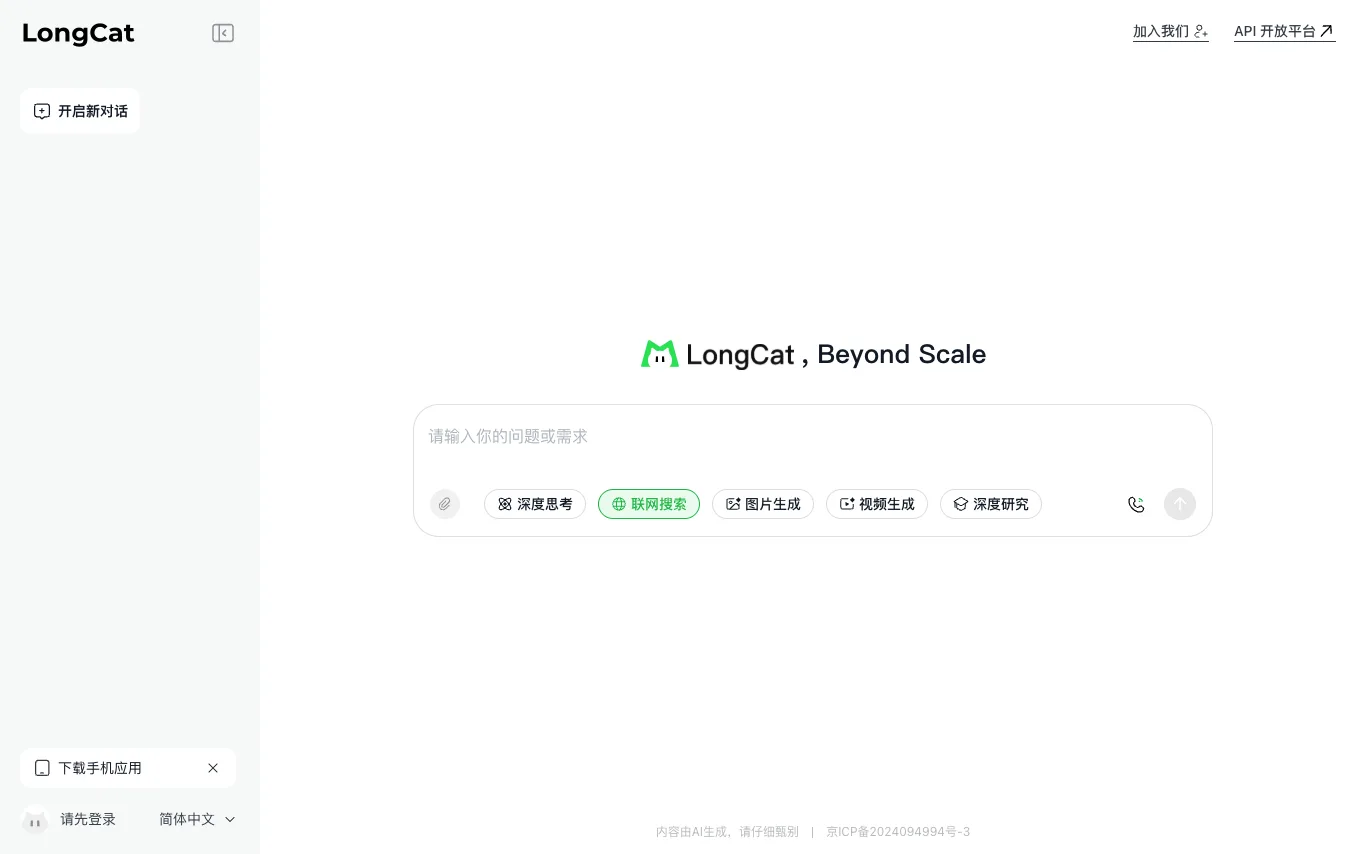

LongCat AI is an AI-powered chat platform that offers a new chat interface and an API platform. The service emphasizes a 'Beyond Scale' approach, suggesting advanced capabilities. Users can start new chats, download the app, and log in to access features. The platform also provides an API for developers. Content generated is AI-generated and should be reviewed carefully.
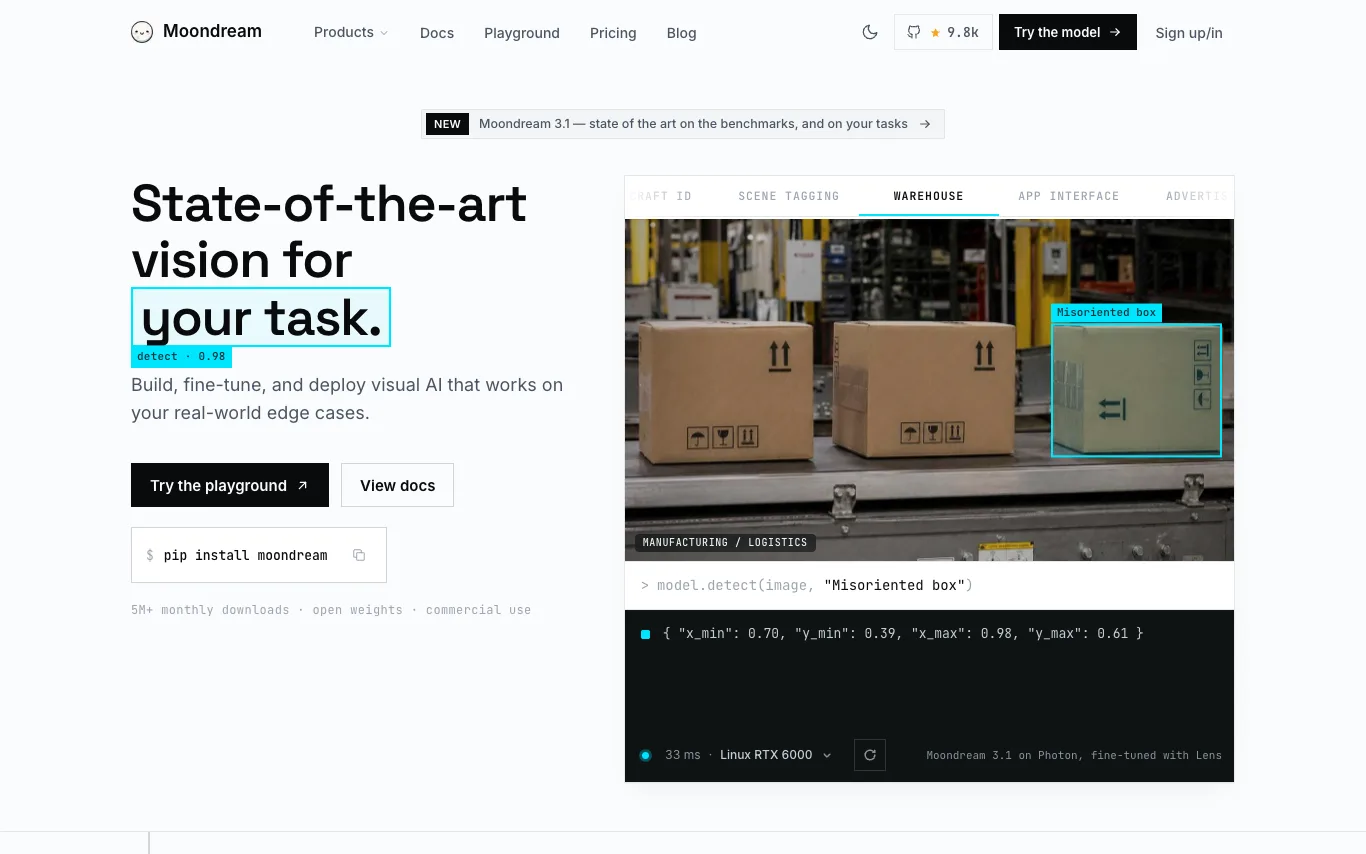

Moondream is a fast and powerful vision model offering state-of-the-art performance for detection, captioning, and segmentation. It provides open models with commercial-friendly licenses, a fine-tuning platform called Lens, and an inference engine called Photon for efficient deployment. Moondream Cloud offers hosted inference with an OpenAI-compatible API. The platform is designed to be flexible, running on various hardware from edge devices to data centers.
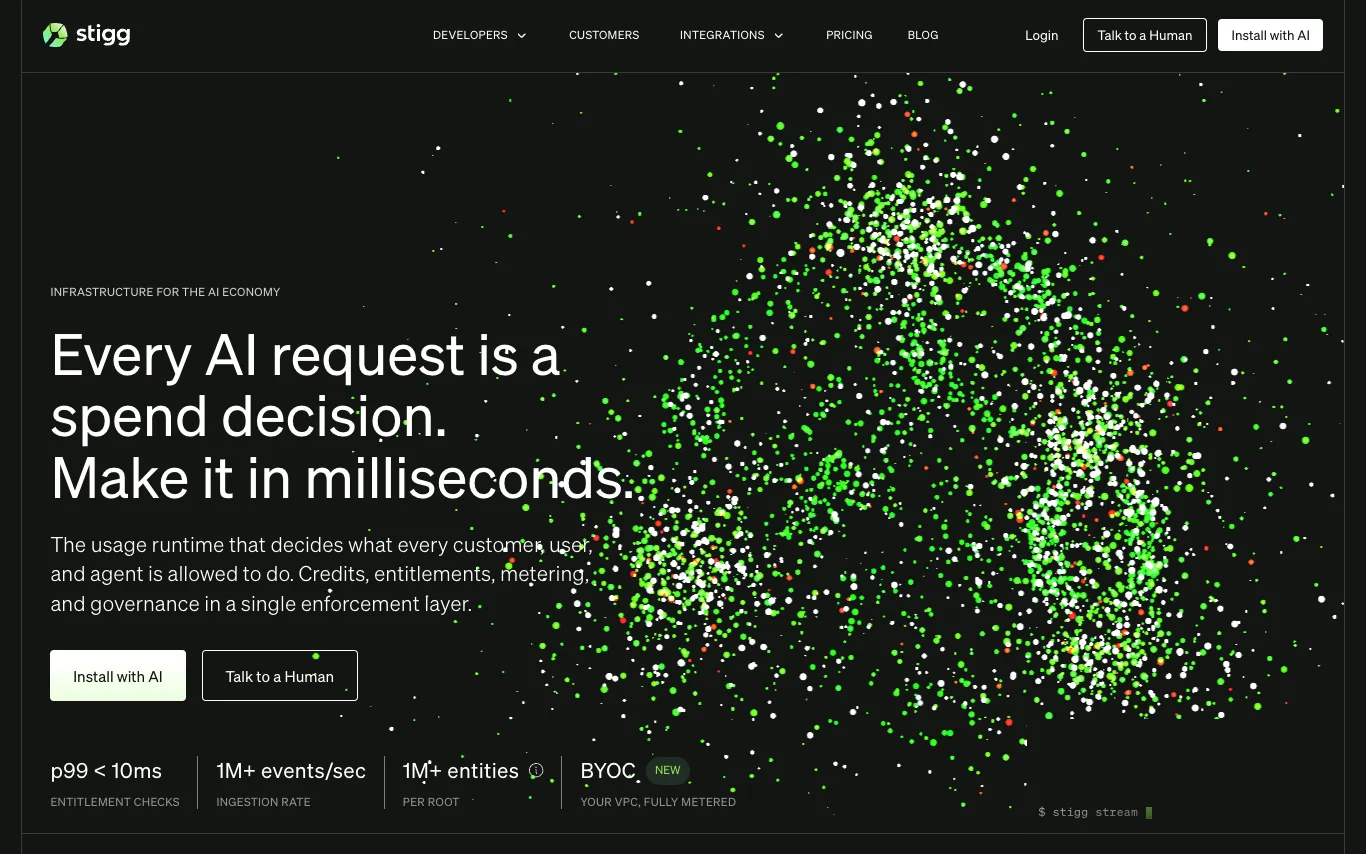

Stigg is a usage runtime for AI products. It meters usage, manages entitlements, and monetizes AI features in real time, without building billing infrastructure. It provides a single enforcement layer for credits, entitlements, metering, and governance. Stigg is trusted by engineering teams operating at scale and complexity.

Humalike provides behavioral infrastructure for humanlike AI agents, offering APIs, models, and benchmarks. It includes seven behavioral components—turn-taking, norms, persona, theory of mind, social observability, social memory, and social signals—that are model, use-case, and stack agnostic. These components are designed for both 1:1 and group interactions, enabling agents to feel human in various scenarios such as gaming, coworking, therapy, companionship, education, humanoids, and communities. Humalike emphasizes trust with SOC 2 Type II and ISO 27001 compliance in progress, and offers a free tier with $20 in credits for new accounts.
What is an AI API?
An AI API is an HTTP endpoint you send a request to — a prompt, image, or audio — and get back a model's output, so you can add AI features without training or hosting models yourself. You authenticate with an API key and pay per token or per request. Some are single-provider (OpenAI, Anthropic, Google); others are gateways that route one request across many models.
What AI APIs offer
- REST and streaming endpoints for chat, image, and audio
- One API key routing across many model providers
- Token-based, pay-as-you-go pricing with usage dashboards
- Official SDKs for Python, JavaScript, and more
- Function calling, structured output, and tool use
- Rate limits, fallbacks, and OpenAI-compatible schemas
Who uses AI APIs
01
App developers
Add chat, summarization, or vision to a product without running your own model infrastructure.
02
Teams comparing models
Test GPT, Claude, Gemini, and open models behind one gateway to pick the best fit per task.
03
Cost and reliability optimizers
Route requests to cheaper or faster models and fail over automatically when a provider goes down.
04
Agent and automation builders
Wire function calling and tool use into agents, workflows, and backend jobs.
How AI APIs work
Your app sends an HTTPS request with an API key and a JSON payload — the prompt plus parameters like model and temperature — to the provider's endpoint. The model runs inference on their servers and returns the result, either all at once or streamed token by token. Gateways sit in front of several providers, translating one request format (often OpenAI-compatible) to whichever model you target and metering usage for billing.