


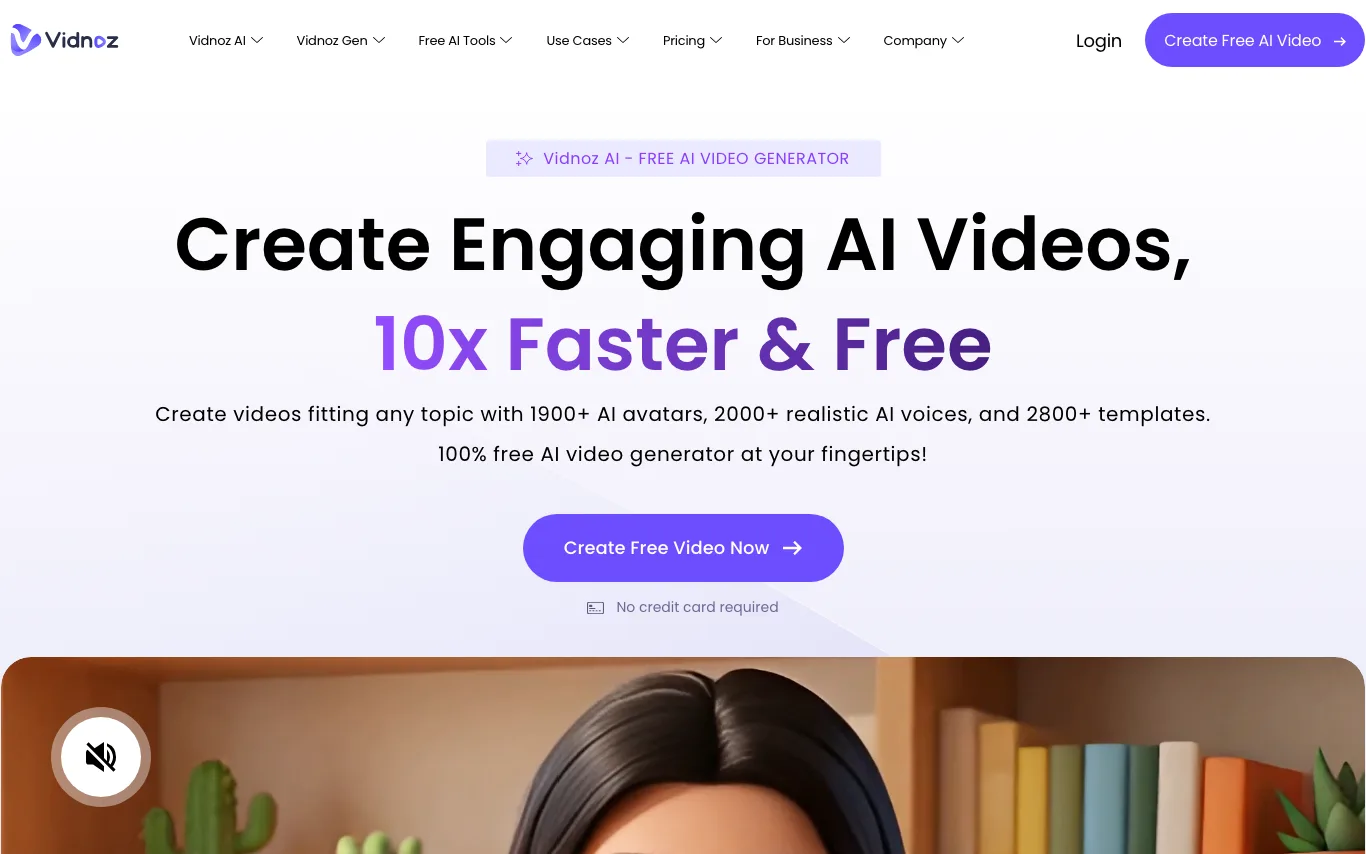

Vidnoz is an AI video generator offering avatars, talking photos, face swap, and voice cloning. Used for marketing, training, and social videos with a generous free tier.
Best AI Voice Cloning Tools (2026)
Compare AI voice cloning tools that recreate a real voice from a short sample for narration, dubbing, multilingual text-to-speech, and voice preservation.
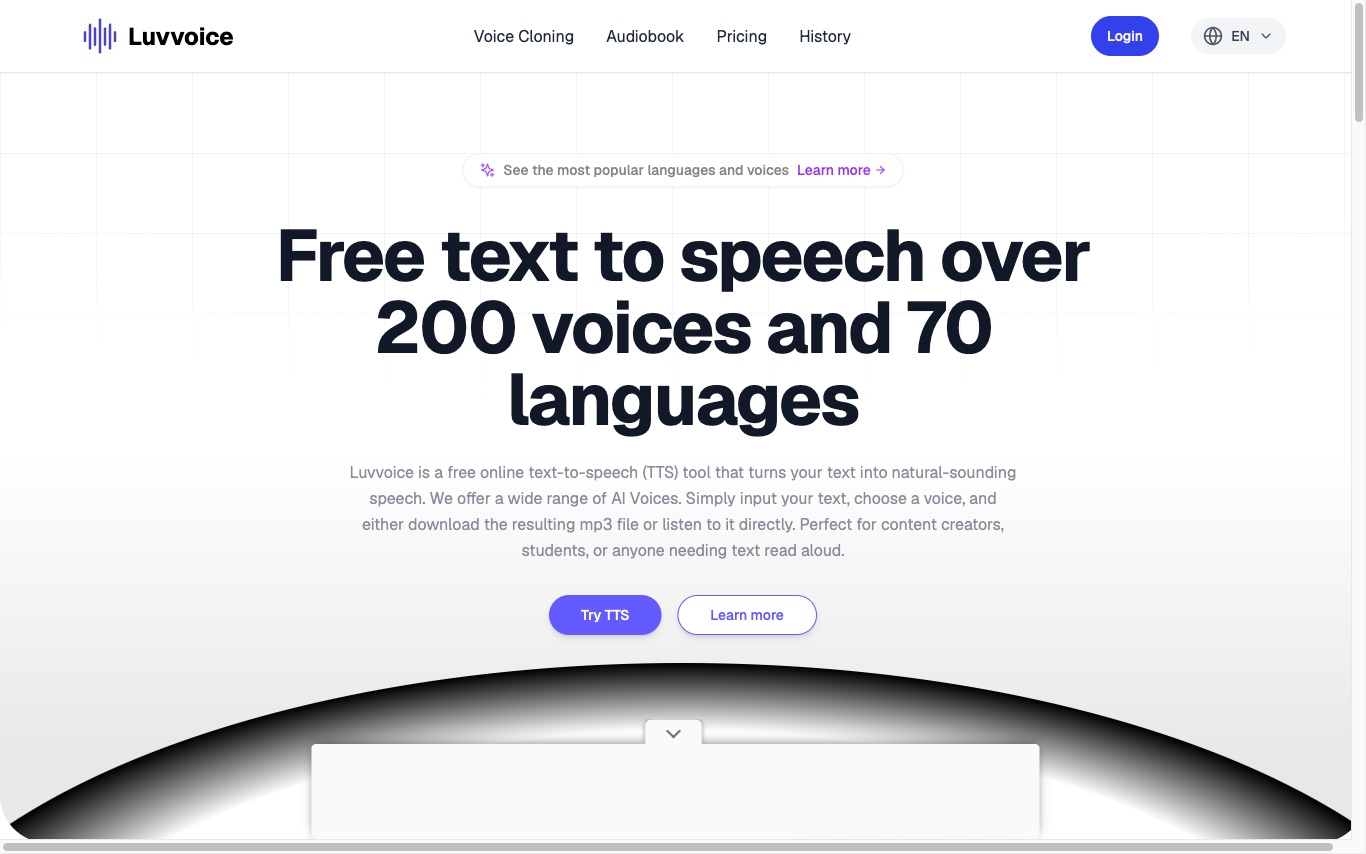

Luvvoice is a free online text-to-speech tool with 200+ AI voices in 70+ languages. Paste text or a document, pick a voice, and download the MP3 or build an audiobook with voice cloning.
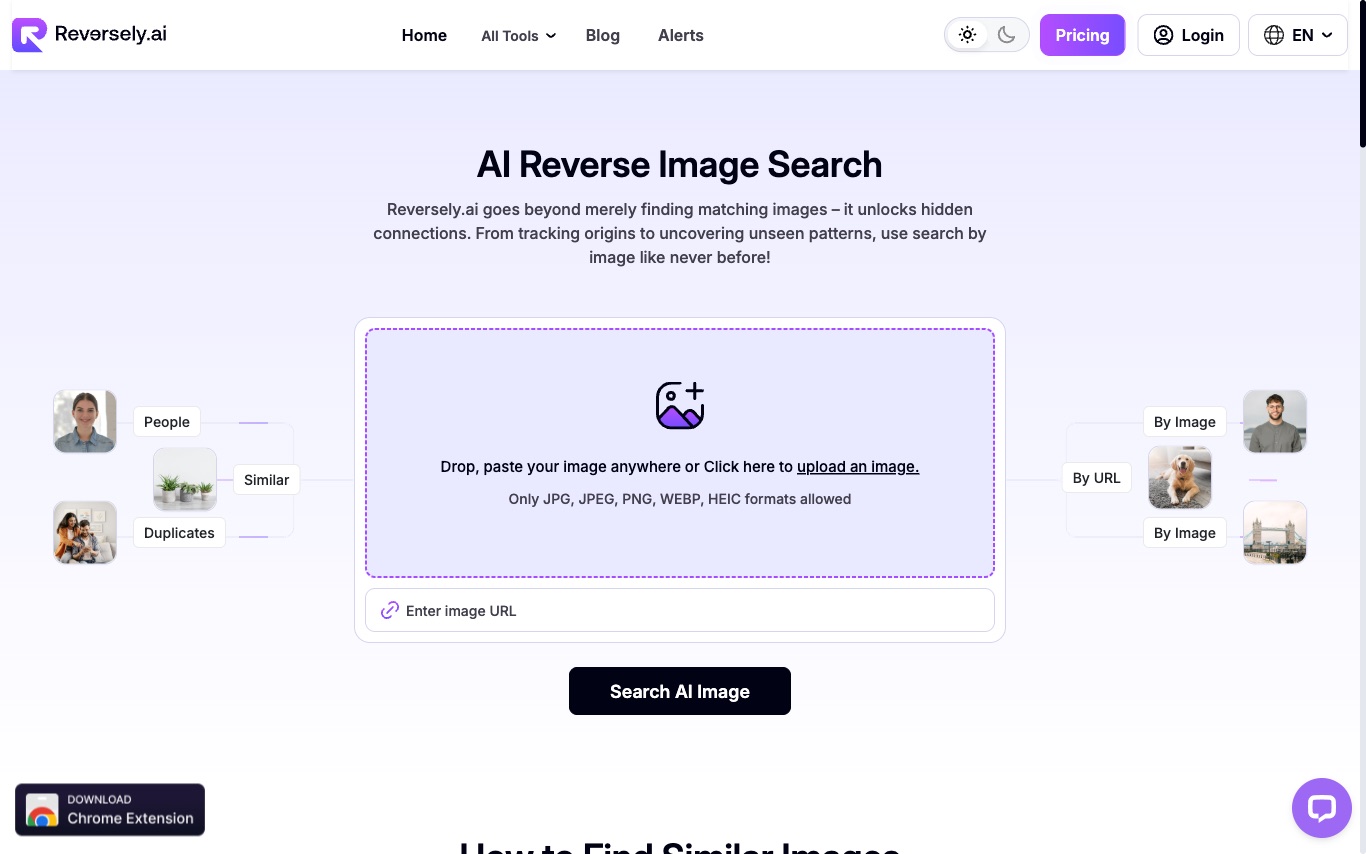

Reversely is an AI music toolkit. Reverse audio, change tempo and key, separate vocals and instruments, and clone voices—all in a web-based suite for musicians and creators.
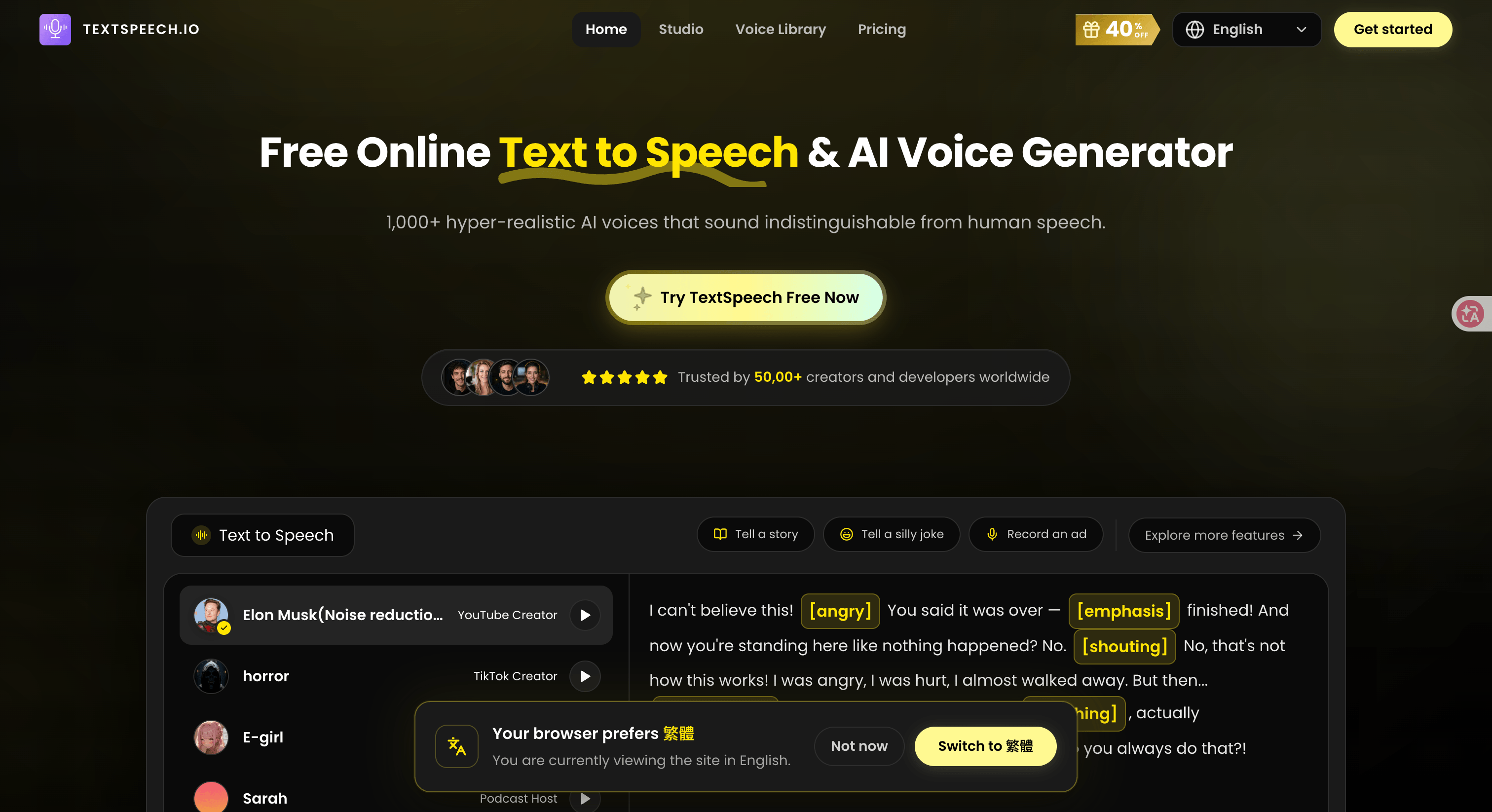
**TextSpeech.io** turns written content into natural audio. Paste a script and pick from 1,000+ **text to speech** voices, clone a voice you already have, or design a new one from a short description. ## Why choose TextSpeech.io? - **1,000+ voices.** Realistic **text to speech** across 11 languages, with emotional, human-like delivery. - **Multi-speaker.** Several voices in one file, for dialogue, stories, and lessons. - **Voice cloning.** Upload a 10–90 second sample of a voice you own or have permission to use. TextSpeech learns the tone and pacing, then reads new scripts in that voice — including 11 languages from the same clone. Useful for audiobooks, podcasts, YouTube, games, and ads. - **AI voice design.** No recording needed. Describe age, accent, tone, and pacing, preview the result, and save an original voice for a character, brand, or narrator. Use it in any later **text to speech** project. - **Export.** Preview in the browser, then download MP3 audio for YouTube, TikTok, courses, and apps. ## Use cases - **Video:** library voices, your own clone, or a designed host voice. - **Learning and audio stories:** narrators and character casts without a full recording session. - **Games and brands:** original NPC voices, or one consistent brand voice across markets. - **Accessibility:** spoken versions of written pages and documents.
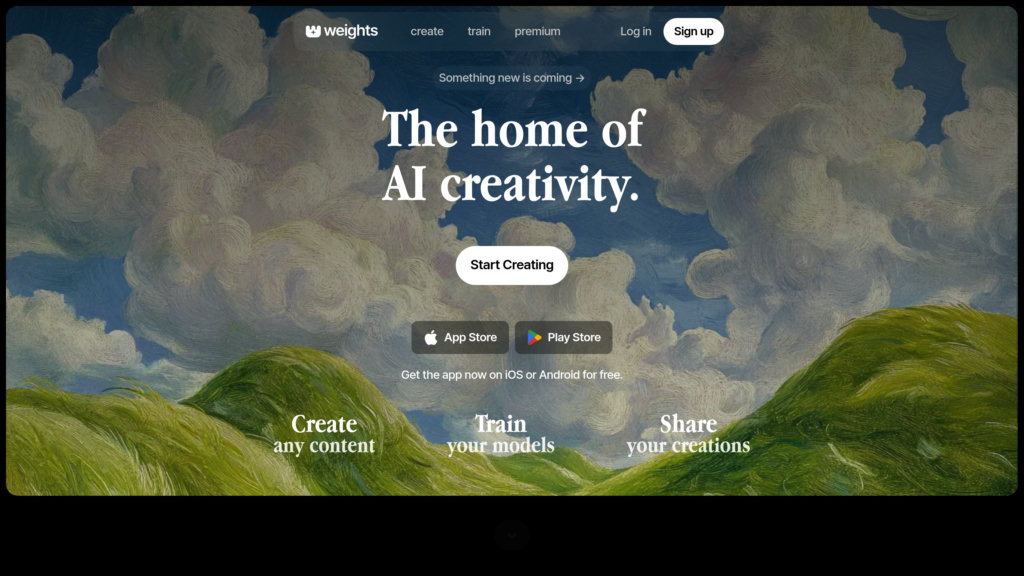

Weights.gg is a cloud-based creative AI platform where users train custom voice models from audio or video sources, produce AI-generated music covers, images, and videos, and interact with AI characters that retain conversation memory. Cross-device access and community content sharing are fully supported.
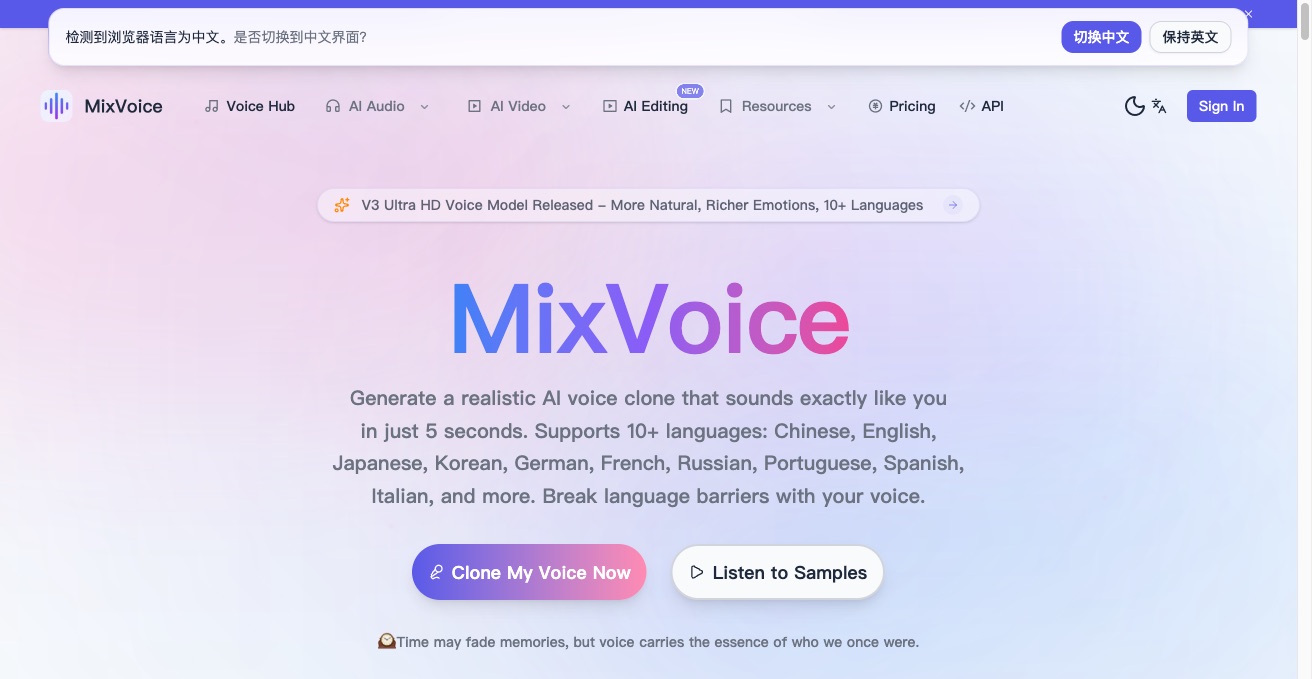

AI Clone Voice Free clones any voice from a short sample and uses the cloned model for text-to-speech. Free to use with no signup for creators and hobbyists.
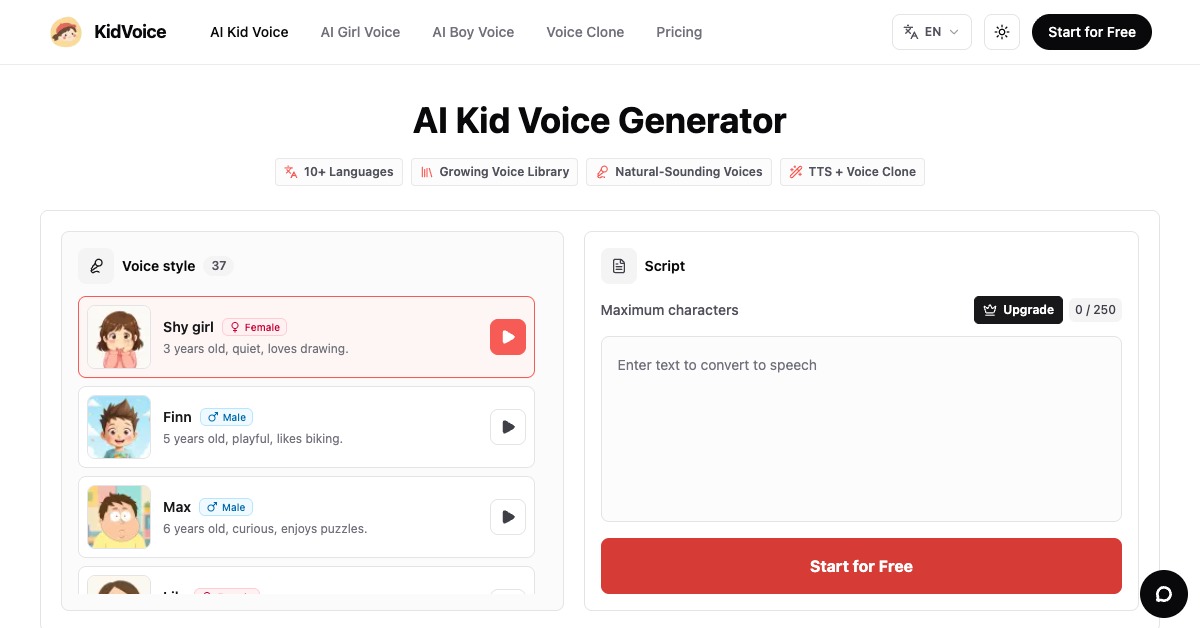

Our advanced voice generator creates authentic and engaging children's voices for all your creative projects.
Related categories
What is AI voice cloning?
AI voice cloning creates a synthetic copy of a specific person's voice from a short audio sample, then makes that voice read any text you type. Modern systems capture timbre, accent, and speaking style, and some clone a voice from seconds of audio (zero-shot) rather than hours of recording. The result powers narration, dubbing, and personal voice assistants.
Key features of voice cloning tools
- Clone a voice from seconds of sample audio
- Text-to-speech playback in the cloned voice
- Cross-language cloning that keeps the original voice
- Emotion, pace, and emphasis controls
- Real-time voice conversion and voice changer mode
- API and SDK for apps and pipelines
Who uses AI voice cloning?
01
Content creators
Narrate videos, podcasts, and audiobooks without re-recording every time a script changes.
02
Localization and dubbing
Dub videos into other languages while keeping the original speaker's own voice.
03
Accessibility and voice preservation
Preserve a personal voice before medical loss, or restore it for everyday communication.
04
Developers and product teams
Add branded, consistent narration to apps, games, and phone systems through an API.
How AI voice cloning works
The system encodes a voice sample into a compact 'voice print' that captures its unique characteristics. A text-to-speech model then generates new speech conditioned on that voice print, so any words come out in the cloned voice. Zero-shot models do this from a few seconds, while higher-fidelity clones are trained on more of your recordings.