

AI Image API · 18 tools
Best AI Image API Tools (2026)
Compare AI image APIs for text-to-image, image-to-image, inpainting, background removal, upscaling, model choice, and pricing.
All AI Image API tools




NanoBananaAPI is a dedicated API gateway for Google Nano Banana 2 and Nano Banana Pro image generation, offering 4K output and editing at prices 40-60% below Google, fal.ai, and Replicate.

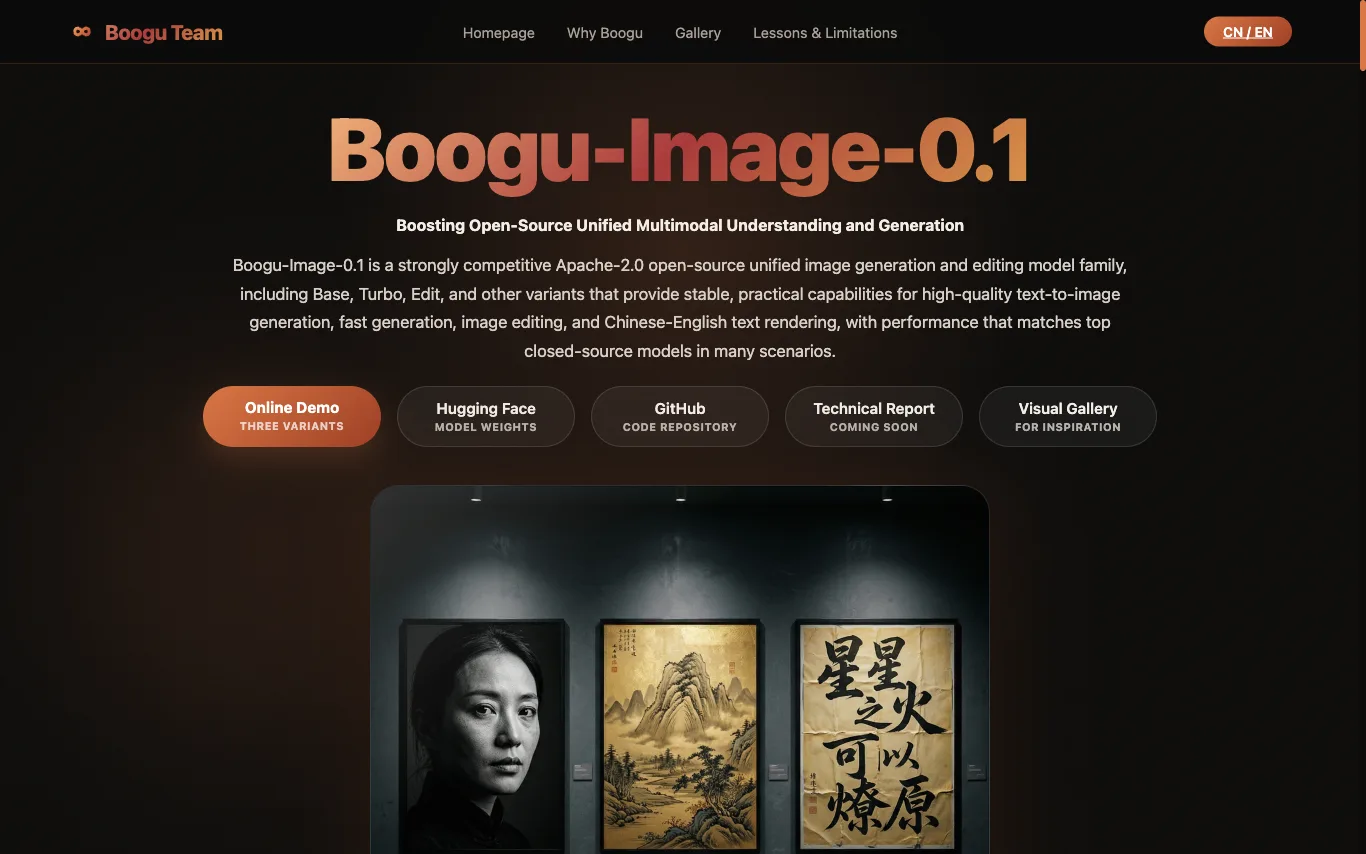

Boogu-Image-0.1 is an Apache-2.0 open-source unified image generation and editing model family, including Base, Turbo, Edit, and other variants that provide high-quality text-to-image generation, fast generation, image editing, and Chinese-English text rendering.


Atlas Cloud is a full-modal AI inference platform providing a unified API for 300+ models across text, image, video, and audio. Pay-as-you-go, OpenAI-compatible, with Day-0 access to the latest models from OpenAI, Google, ByteDance, Alibaba, and more.
What is an AI image API?
An AI image API lets developers generate or edit images from their own app over HTTP — text-to-image, image-to-image, inpainting, upscaling, or background removal — without running models on their own hardware. You send a prompt or image and get back a generated image.
Core features to look for
- Text-to-image and image-to-image endpoints
- Inpainting, outpainting, and background removal
- Upscaling and enhancement APIs
- Model choice (SD, FLUX, and other hosted models)
- Async jobs, webhooks, and batch generation
- Usage-based pricing, SDKs, and free credits
Who uses AI image APIs, and how
In-app generation
Add text-to-image or avatars to your product without hosting models.
Editing pipelines
Automate background removal, upscaling, and inpainting at scale.
Batch & automation
Generate product shots or variations in bulk via async jobs.
Cost & model choice
Compare per-image pricing, models, and free credits for apps.
How does an AI image API work?
An AI image API hosts diffusion and vision models on the provider's servers and exposes them over HTTP. You send a prompt or source image with your API key; the model runs remotely — often as an async job you poll or get a webhook for — and returns an image, billed per image or per compute second.