


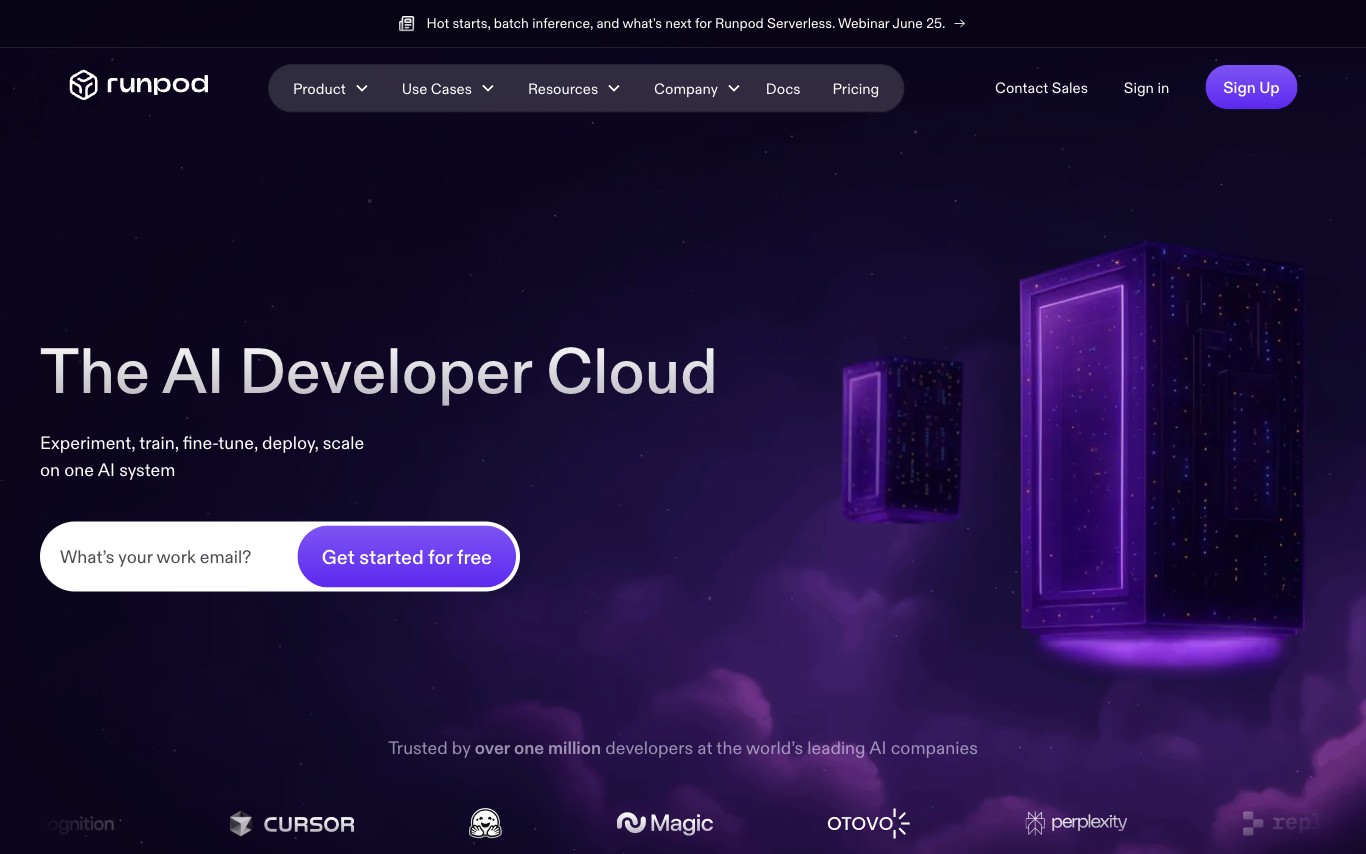

RunPod is a GPU cloud platform built for AI inference and training workloads. It provides on-demand and spot GPU instances for running models, fine-tuning, and serverless AI endpoints with per-second billing and global data centers.
Best AI Agent Tools (2026)
Compare AI agents for task automation, coding, tool use, autonomous workflows, and no-code or SDK agent builders.
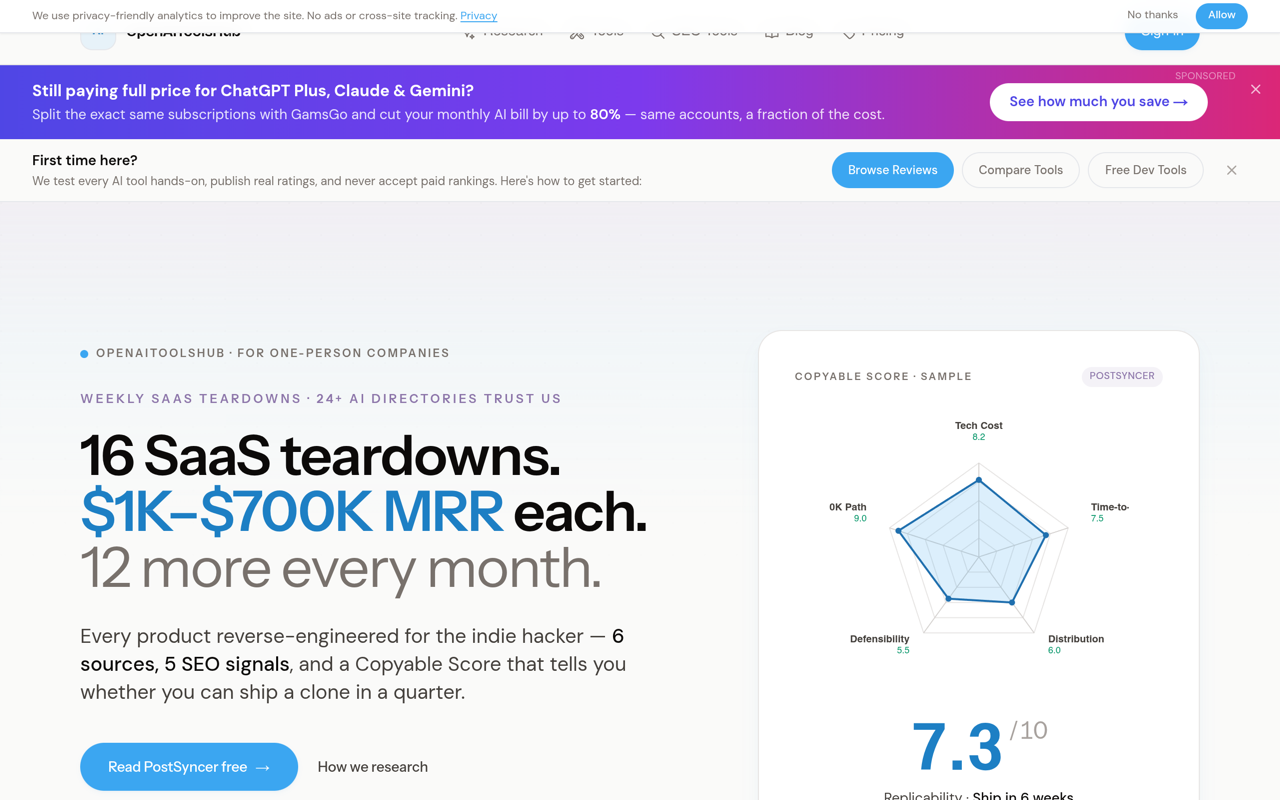

Free AI tools and tutorials. Try ChatGPT, Claude, Gemini side-by-side and learn which model wins each task.
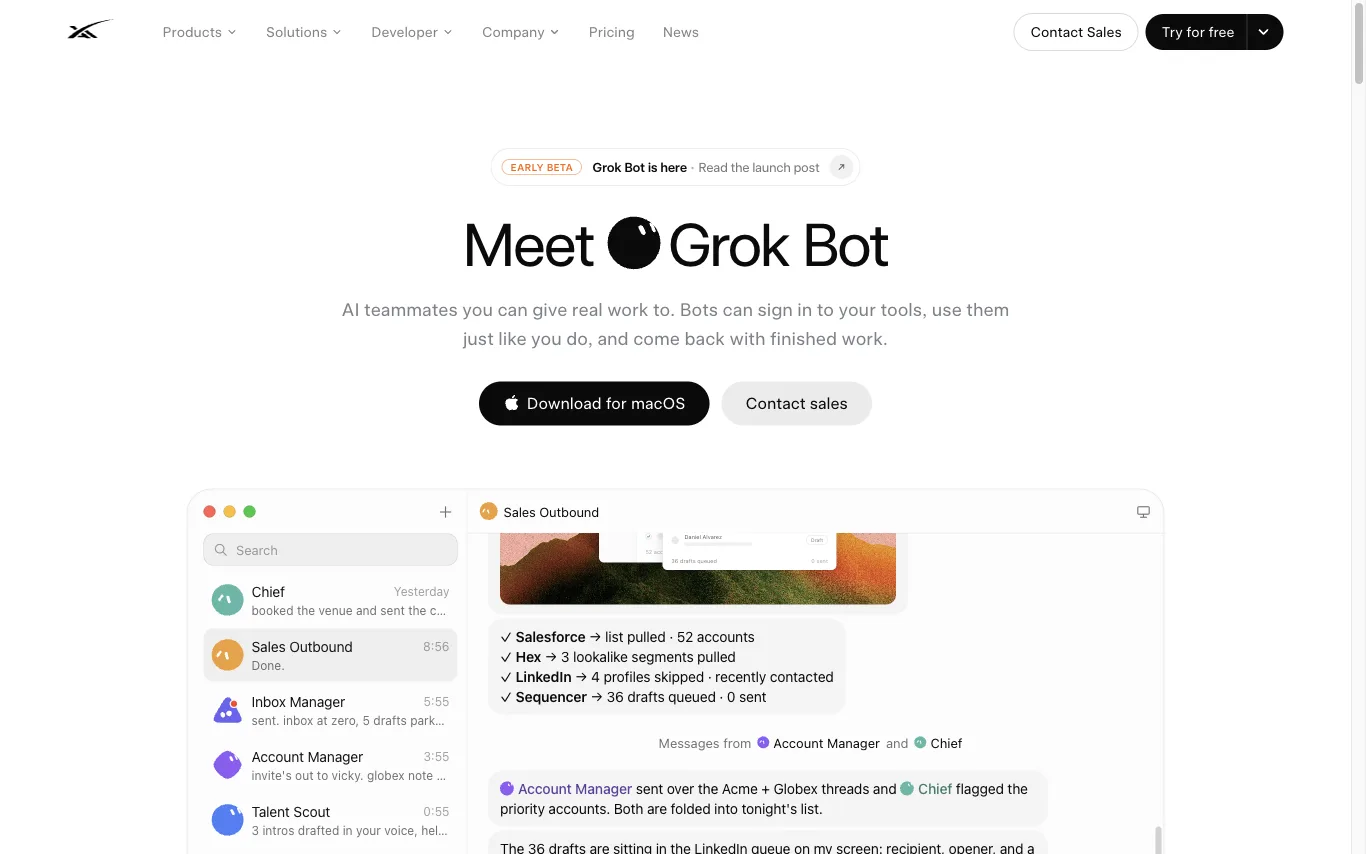
Grok Bot is SpaceXAI's agent product. Bots share a persistent cloud computer, log in to your apps, run in parallel around the clock, and return completed work for review.


Sollo is an AI workspace for creating content, images, video, voiceovers, SEO assets, and automations from one dashboard. It brings together AI agents, automation workflows, and business tools into a single command center. Manage marketing, sales, customer support, and operations without hiring a team. Built for solo entrepreneurs who want the output of a full company.


Cofounder is an AI company operating system for founders, coordinating engineering, sales, marketing, design, finance, and operations agents. It provides a full roadmap tailored to your company, guiding you through steps to start, build, sell, and scale. Agents work alongside you, requiring approval for potentially dangerous actions. It is fully extensible with MCP, custom APIs, skills, or custom codebases.
Bluesminds is an enterprise AI intelligence platform that connects data, applies AI, and enables decision-making. It deploys autonomous AI agents for complex tasks, offers decision intelligence, and operates a sovereign, air-gappable network across 29 regions. Trusted by 500+ enterprise organizations, it powers 2.4B+ decisions with 99.99% uptime.
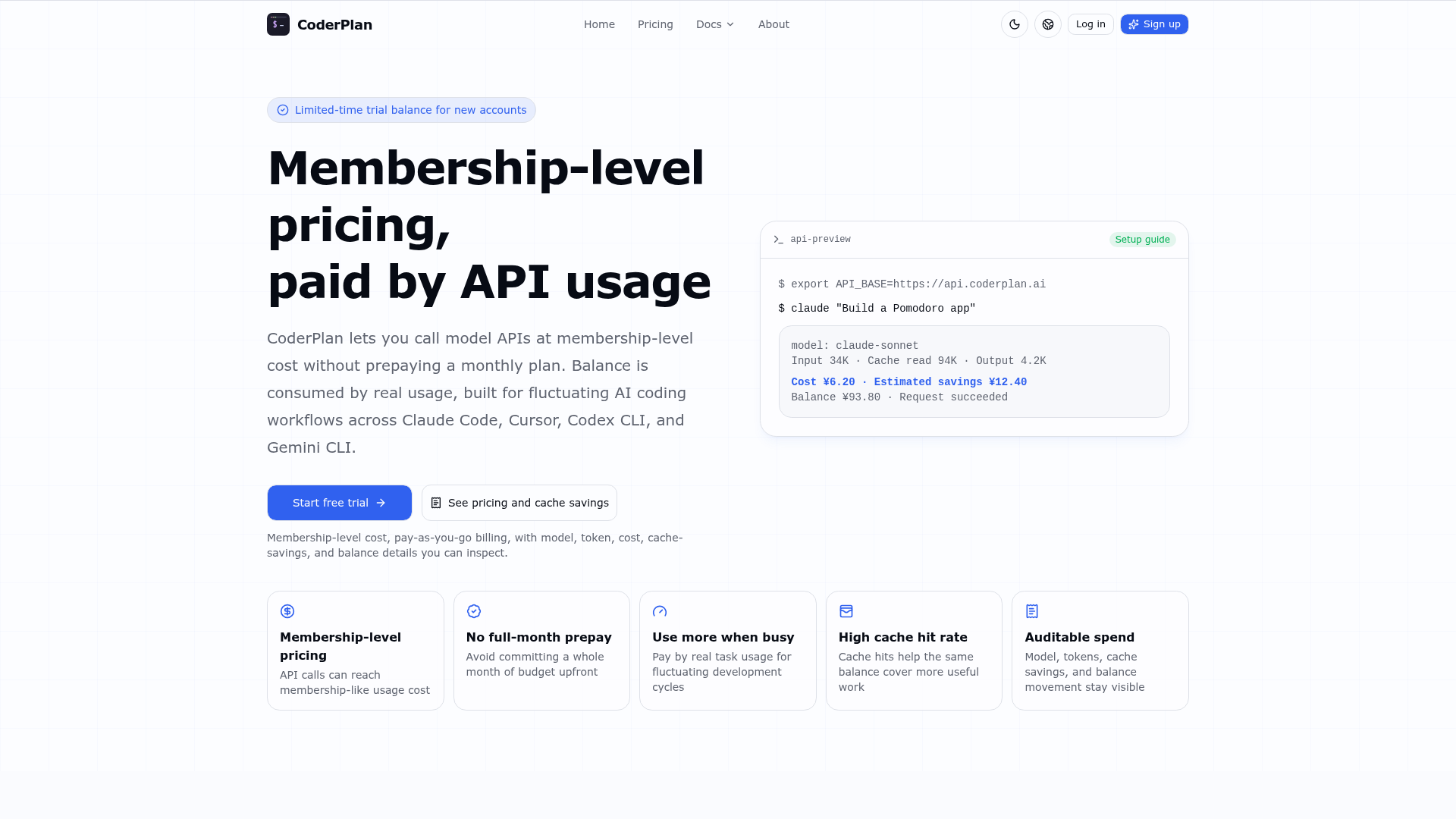
CoderPlan is an OpenAI-compatible LLM API gateway for Claude, GPT, Gemini, DeepSeek, and Grok, built for developers using Claude Code, Codex CLI, and Gemini CLI.
Related categories
What is an AI agent?
An AI agent is a system built on a large language model that can pursue a goal over multiple steps on its own — planning, calling tools and APIs, browsing, running code, and reacting to results — instead of just answering one prompt. Agents range from ready-made assistants to platforms for building your own.
Core features to look for
- Multi-step planning toward a goal, not single replies
- Tool and API calling (search, code, browsers, apps)
- Memory and state across a task or session
- Autonomy with optional human-approval steps
- Build-your-own with no-code or an SDK/framework
- Multi-agent teams that delegate subtasks
Who uses AI agents, and how
01
Task automation
Automate research, data entry, outreach, and repetitive multi-step workflows end to end.
02
Coding agents
Plan, write, and edit across a codebase, run commands, and fix failures autonomously.
03
Build-your-own
Use no-code builders or SDKs to create agents wired to your own tools and data.
04
Customer & ops
Agents that resolve tickets, take actions, and coordinate across business apps.
How does an AI agent work?
An AI agent wraps a language model in a loop: it plans the next step, picks a tool or action, runs it, reads the result, and repeats until the goal is met. Access to tools, APIs, memory, and sometimes other agents is what turns a chat model into something that acts, not just answers.