



Veo is Google DeepMind's video generation model, producing cinematic clips from text, images, or reference video with camera control, long clip support, and high-resolution output. It powers Google's video features in Gemini and VideoFX.
Best Text to Video AI Tools (2026)
Compare text-to-video AI for prompt-to-clip generation, script-to-video, avatars and voiceover, social clips, and free plans.


fal.ai is a generative AI API platform that lets developers integrate dozens of image, video, 3D, and audio models via simple endpoints—optimized for 4x faster inference than standard hosting.
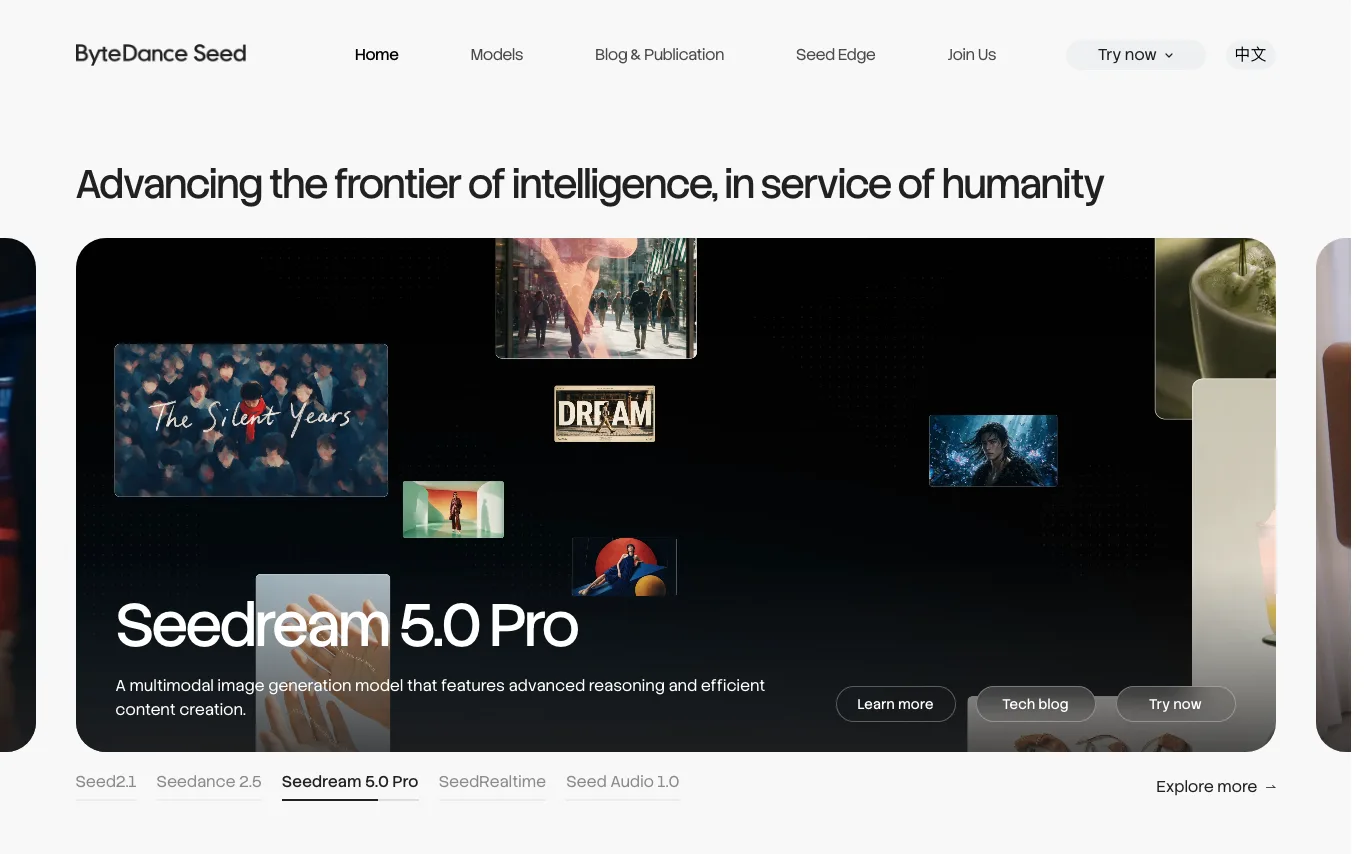

Seedance is ByteDance's Seed research team's AI video generation model, producing cinematic text-to-video and image-to-video clips with strong motion fidelity and consistent characters.
Related categories
What is text-to-video AI?
Text-to-video AI generates a video clip directly from a written prompt or script, without filming or footage. It's used for short social clips, explainers, and ads, and ranges from open generative-video models to script-to-video editors with stock media, avatars, and captions.
Core features to look for
- Video generated from a prompt or full script
- Script-to-video with stock media and captions
- Avatars and AI voiceover from text
- Style, aspect ratio, and length control
- Scene editing and regeneration
- Free plans with watermark and length limits
Who uses text-to-video AI, and how
01
Prompt-to-clip
Generate a short video draft from a single descriptive prompt.
02
Script-to-video
Turn an article or script into a narrated, captioned video.
03
Social & ads
Produce vertical clips and ads fast for repeat posting.
04
Free testing
Compare free tools by watermark, length, and quality.
How does text-to-video AI work?
Text-to-video tools take two main approaches: generative models create video frames directly from your prompt, while script-to-video editors match your text to stock clips, an avatar, or generated scenes and add a synthetic voice and captions. Both then let you refine the result before export.