




Artificial Analysis is an independent platform that benchmarks and compares AI models across quality, speed, latency, and pricing from major providers.
Best AI Analytics Tools (2026)
Compare AI analytics tools for natural-language data queries, automated dashboards, insight discovery, anomaly detection, forecasting, and conversational BI.
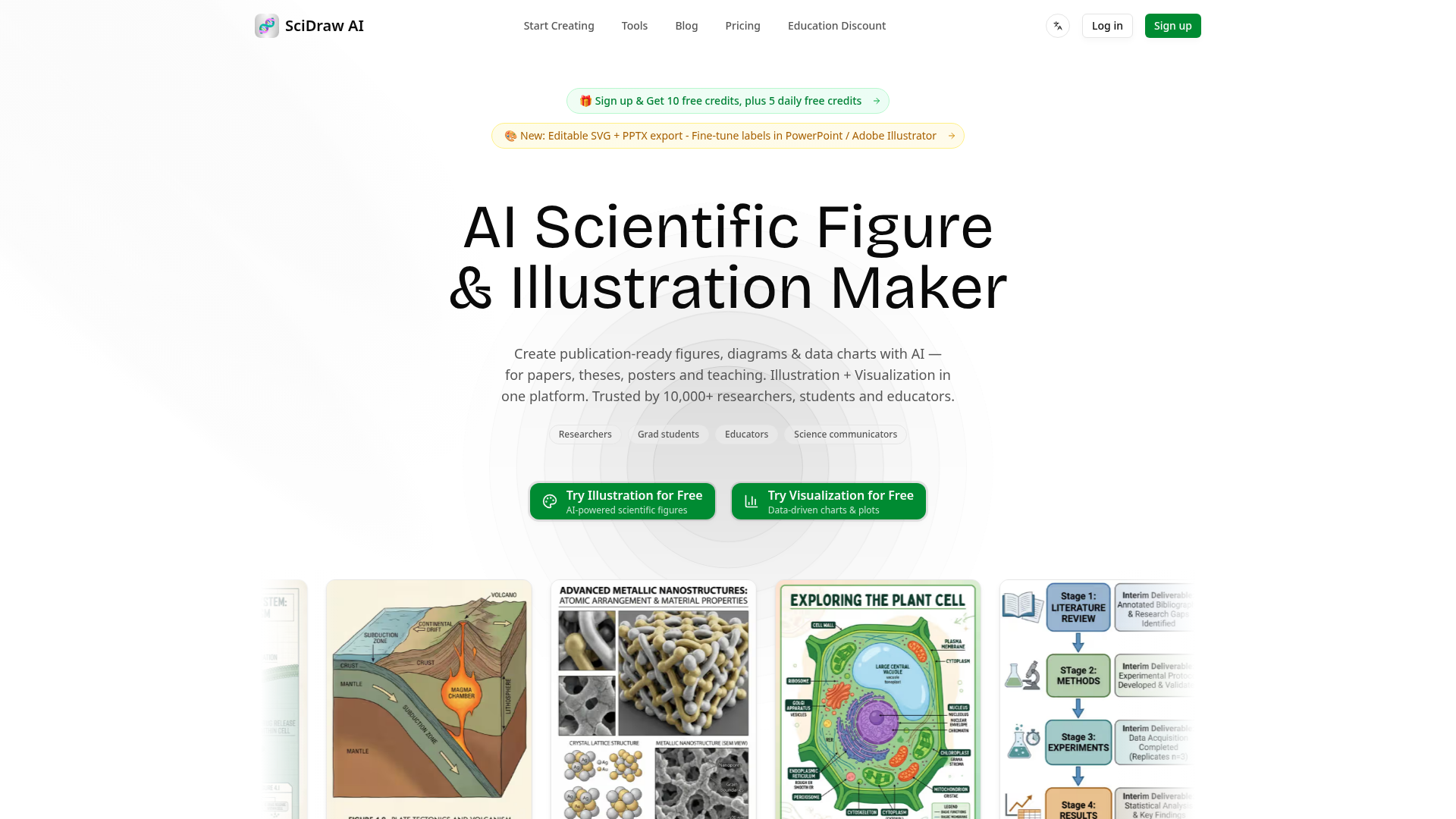

Create publication-ready scientific figures, diagrams & data charts with AI.
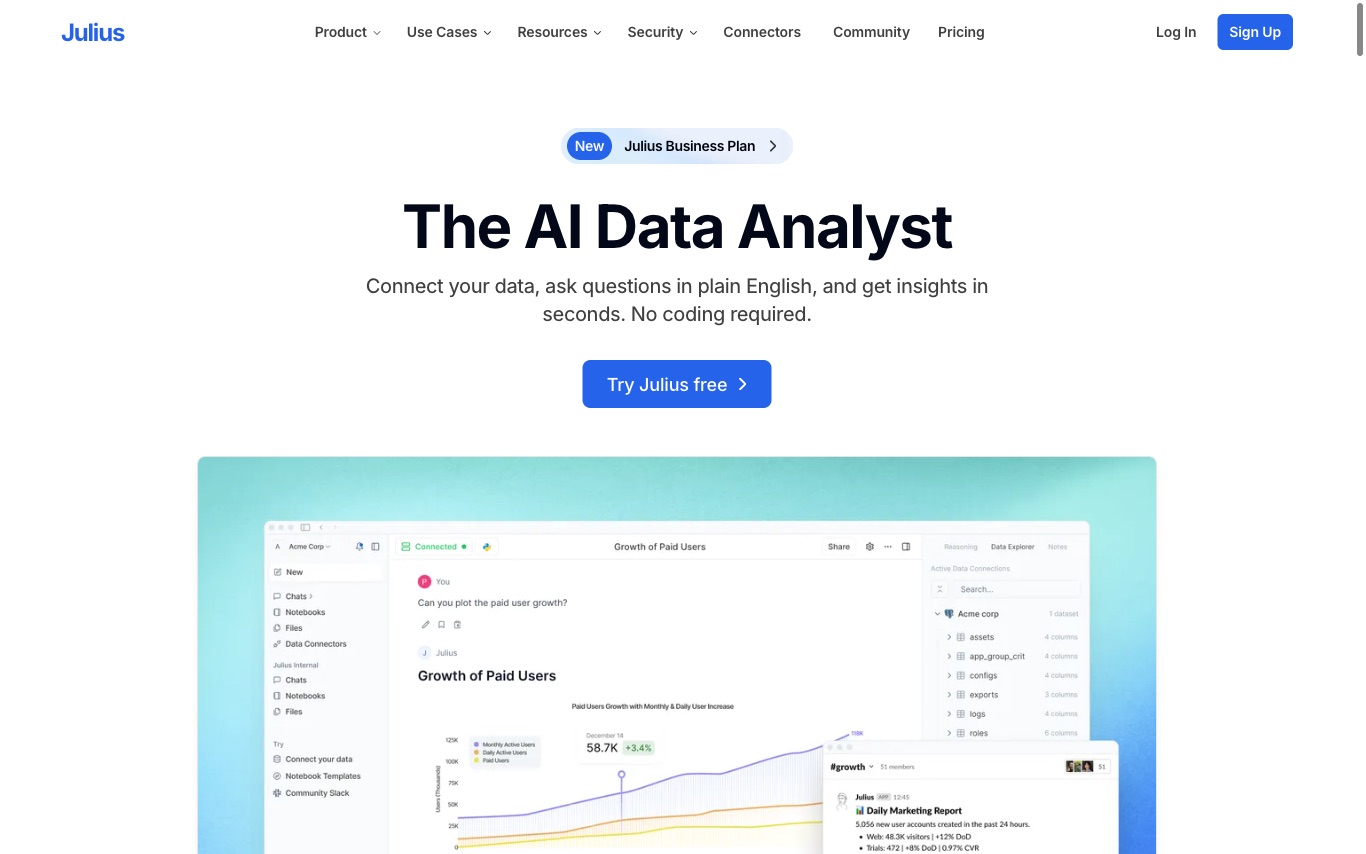

Julius is an AI data analyst loved by 2M+ users. Connect spreadsheets, PDFs, or databases and ask questions in English to get charts, tables, or full reports—no coding required.
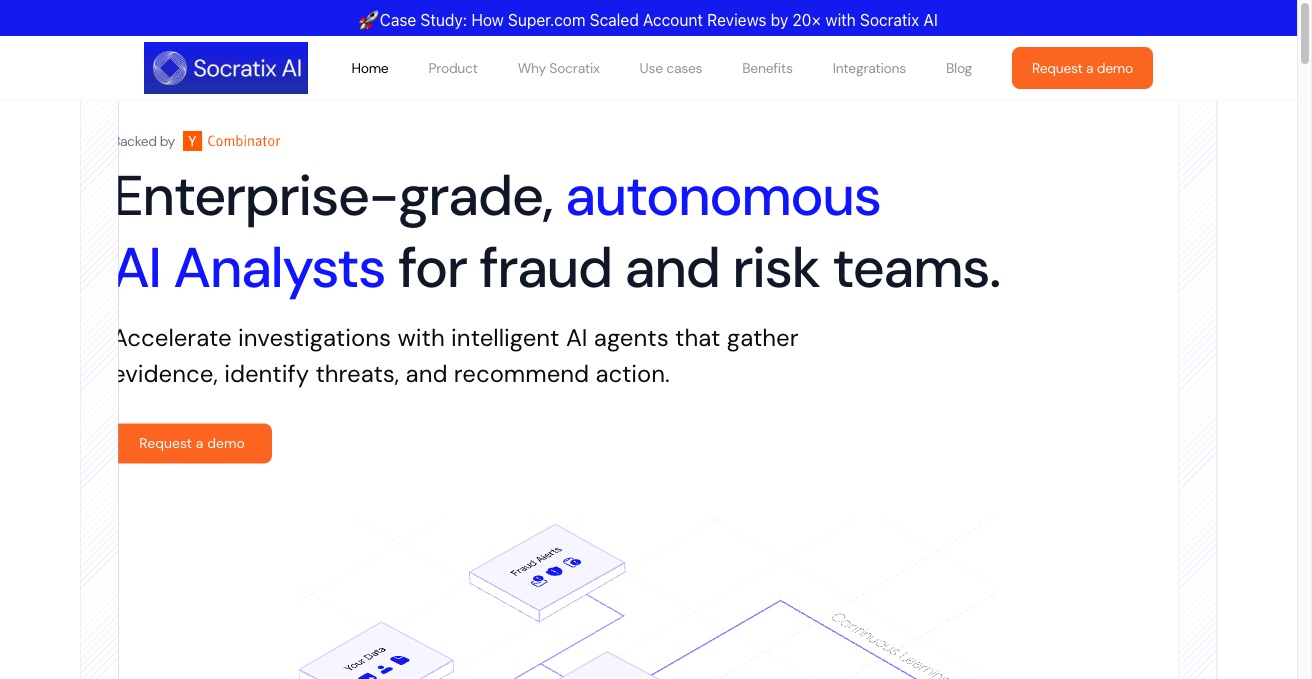

Socratix provides enterprise-grade autonomous AI Analysts for fraud and risk teams. The agents triage alerts, gather evidence, and draft disposition reports.


Navos是钛动科技打造的全时域、全链路智能营销助手,依托大模型基座与多AI智能体协作,覆盖“洞察-创意-投放-分析-增长”出海全场景,重构智能广告的未来中枢。
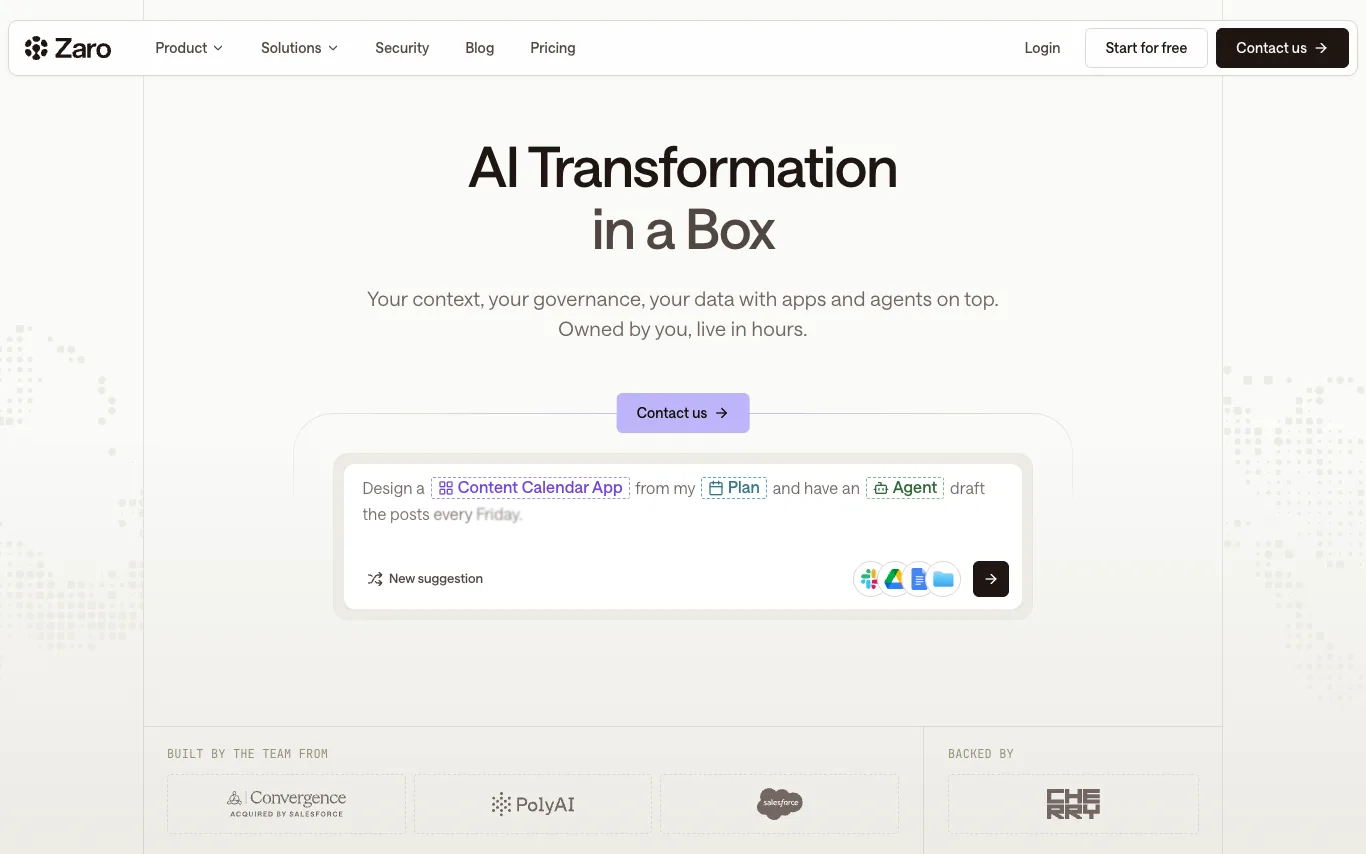

Zaro is an AI platform that provides a unified workspace where context, agents, and applications share one memory. It allows teams to capture documents, calls, decisions, and tickets in a versioned workspace, run agents on that data, and generate custom apps like dashboards and trackers. Zaro emphasizes data ownership, governance, and security, with features like access scoping, activity trails, and GDPR compliance. It is built by the team from Convergence, PolyAI, and Salesforce, and is backed by Cherry Ventures.
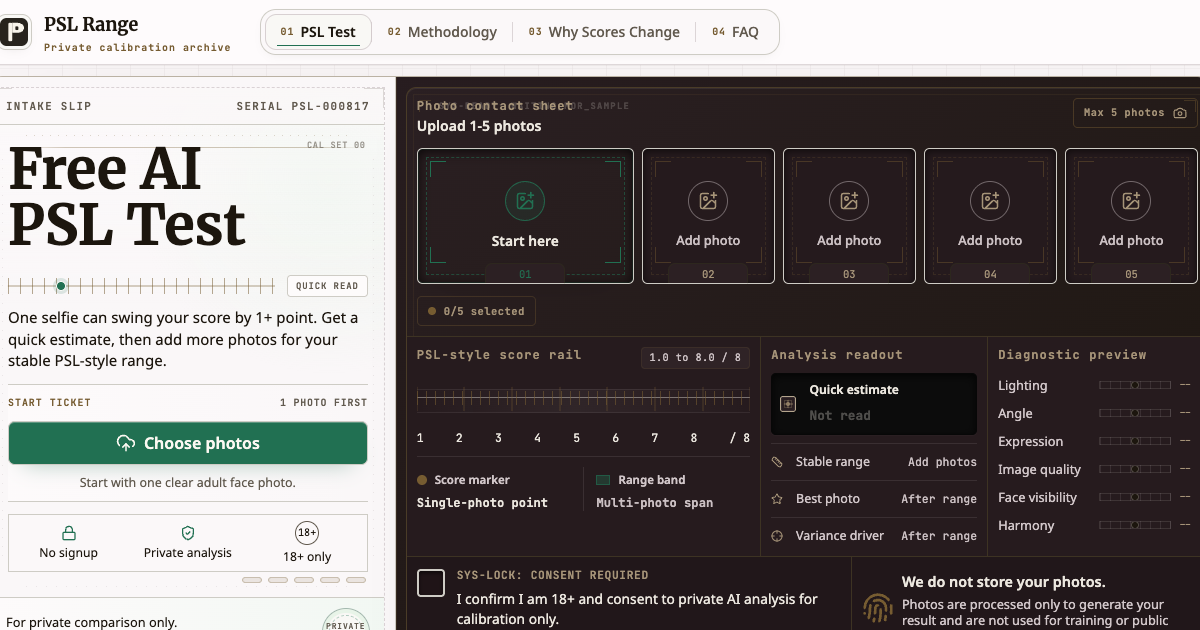

PSL Range is a free, private AI face rating tool built on the PSL scale. Upload one selfie for an instant /8 score estimate, then add up to 5 photos to get a stable score range, your best photo, and a clear breakdown of what moves your score - lighting, angle, expression, image quality, and visibility. No signup. No community rankings. No cruelty. Just a calibrated read of how your photos come across, with the numbers you came for and the context to make sense of them.
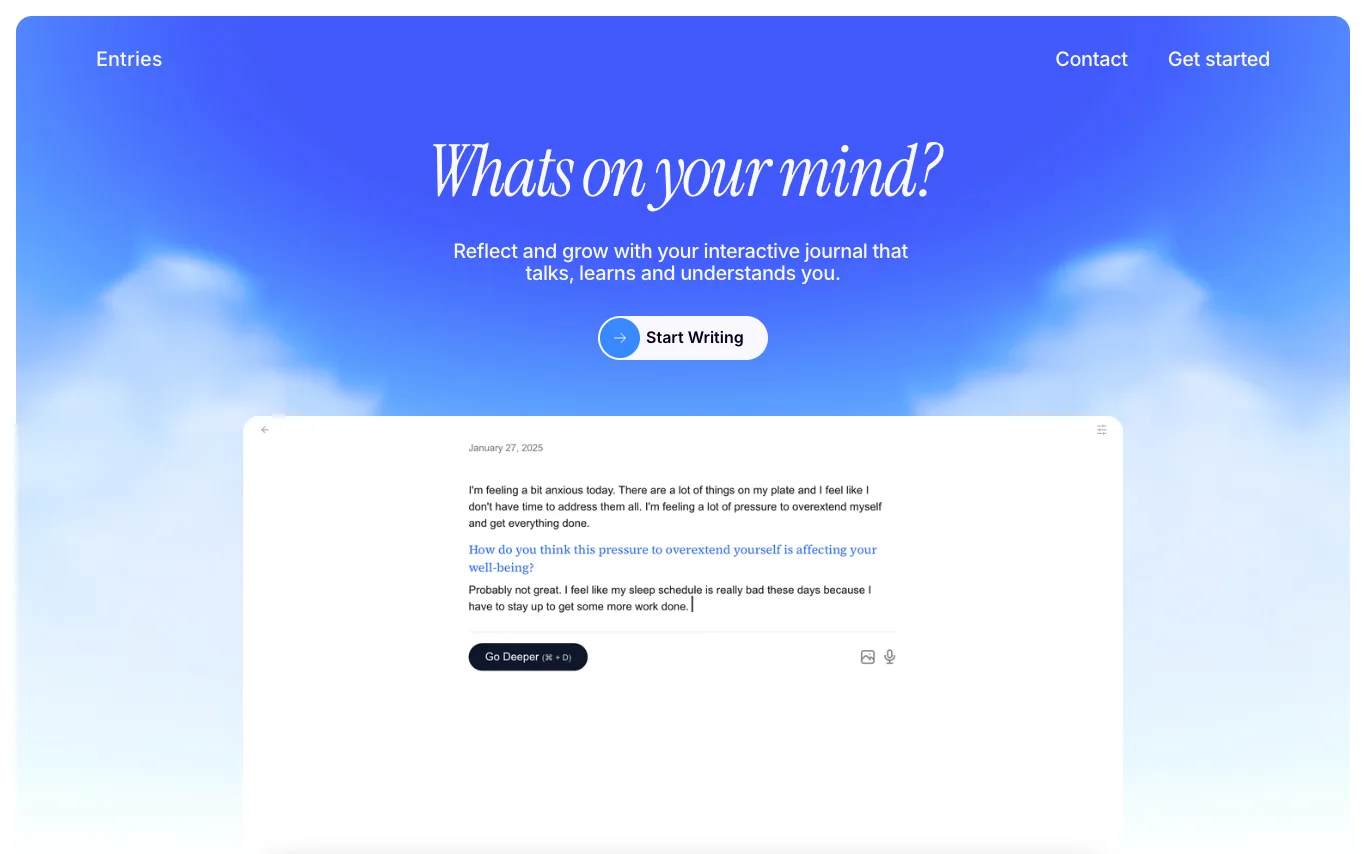

Entries is an AI diary and journal that helps you reflect on thoughts, emotions, and ideas through therapy-backed interactive journaling. It analyzes your entries to uncover patterns and challenge your thinking, offering features like voice typing, image insights, and goal adaptation. Your privacy and security are prioritized, with easy import/export options.
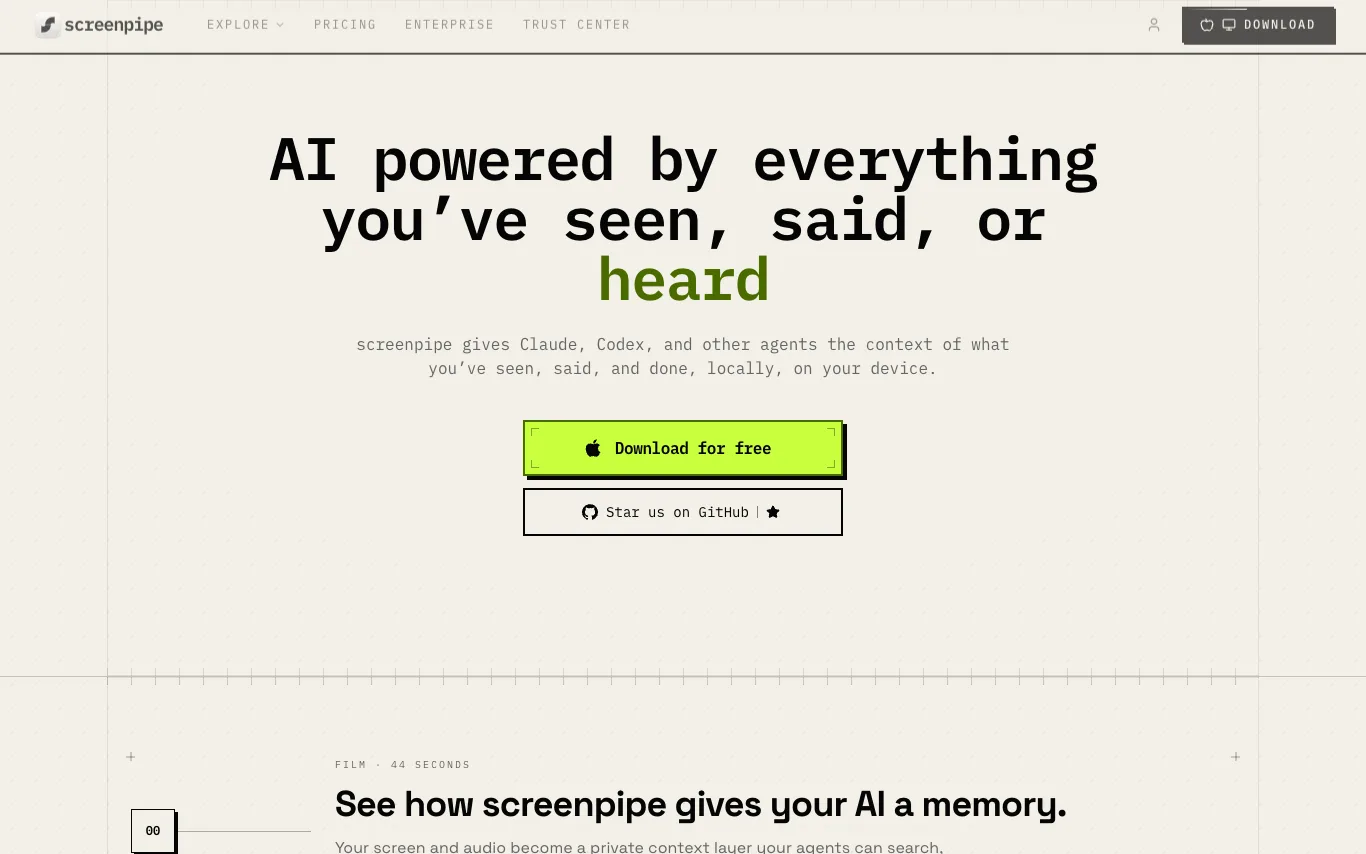

screenpipe is a screen record app that captures screen and audio, making everything searchable and automating workflows. It provides a private context layer for AI agents, enabling them to search, understand, and act on your work. Local-first and private, it supports macOS, Windows, and Linux.
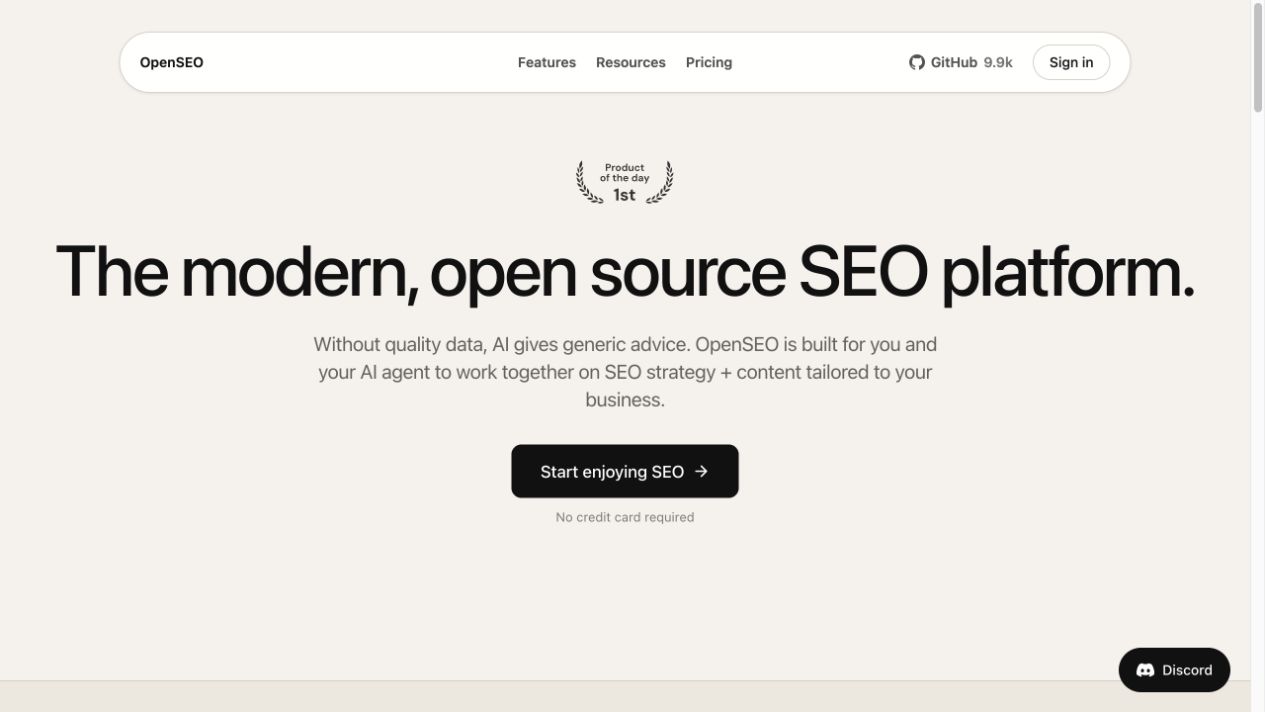

OpenSEO is an open source SEO platform offering keyword research, backlinks, rank tracking, and site audits. It is a cost-effective alternative to Ahrefs and Semrush, with usage-based pricing. Users can self-host for free or connect AI agents via MCP. It provides real SEO data to enhance AI-driven strategies.
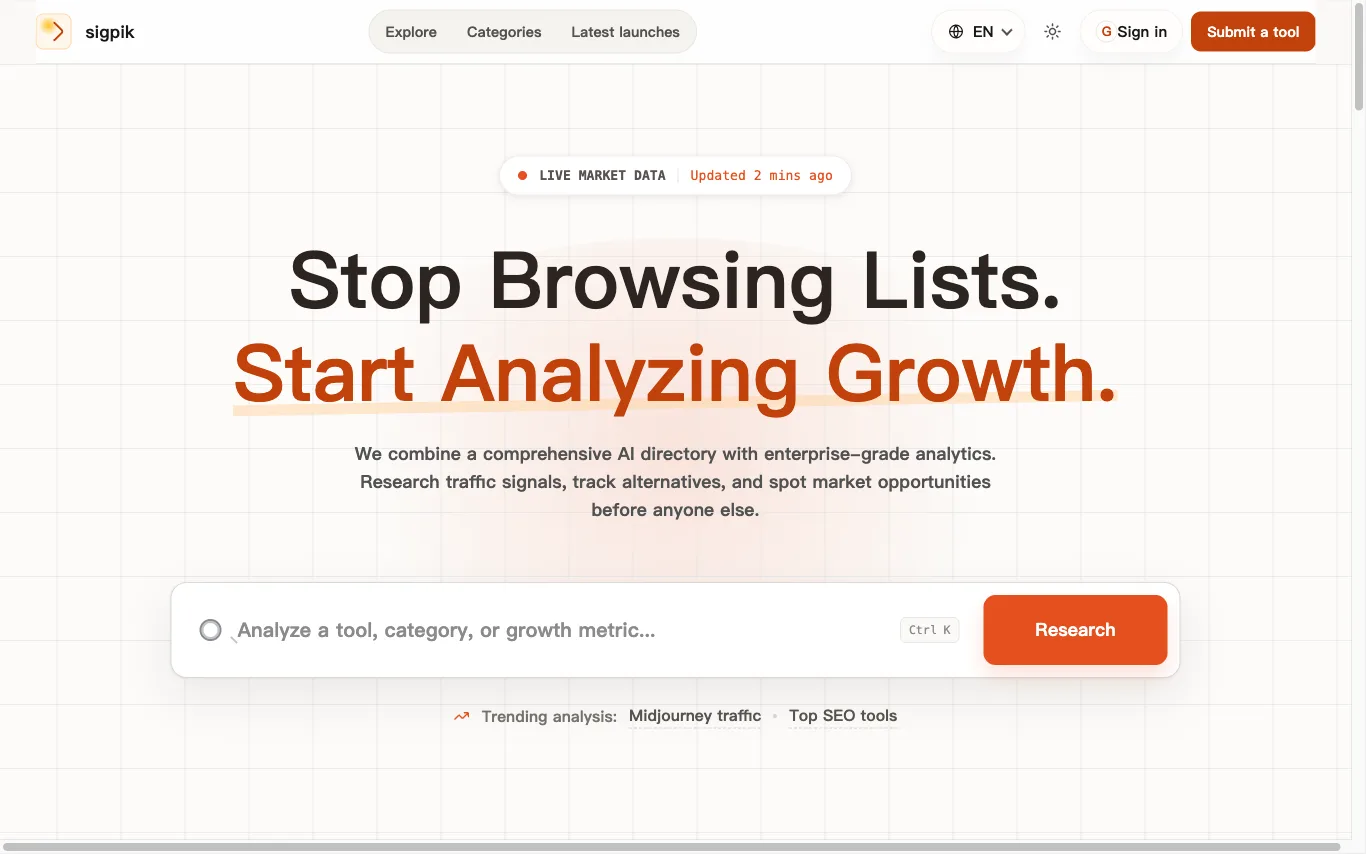

sigpik pairs an AI product directory with market analytics, letting users explore AI tools, research traffic signals, track alternatives, and spot market opportunities.
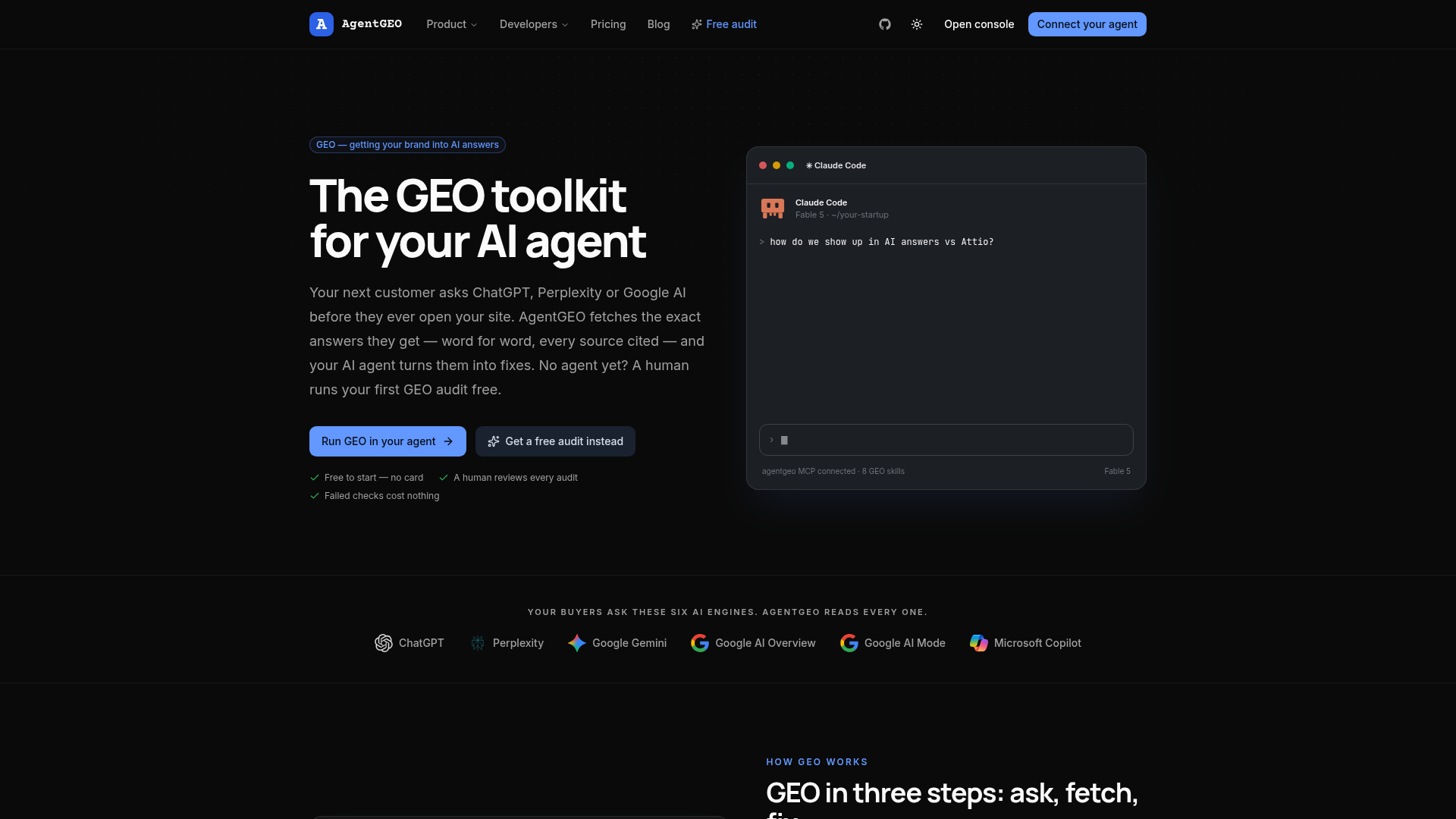

The GEO toolkit for your AI agent, helping your brand show up in AI answers.
Related categories
What is AI analytics?
AI analytics uses machine learning and natural language processing to explore data, surface insights, and answer questions in plain language instead of hand-written queries. It automates the slow parts of analysis — cleaning data, spotting patterns, flagging anomalies, and forecasting trends. Tools range from a conversational layer on top of a warehouse to full augmented-BI platforms that build the dashboards for you.
What AI analytics tools do
- Ask questions in plain language, get charts back
- Automated insight discovery across large datasets
- Anomaly detection with alerts on unusual metrics
- Forecasting and predictive models without code
- Auto-generated dashboards and narrative summaries
- Connectors to warehouses, spreadsheets, and SaaS data
Who uses AI analytics
01
Business teams self-serving data
Marketers, ops, and founders ask data questions without waiting on an analyst or writing SQL.
02
Data analysts speeding up work
Automate cleaning, exploration, and first-pass insights so analysts focus on the hard questions.
03
Product and growth monitoring
Track key metrics, catch anomalies early, and understand why the numbers moved.
04
Executives wanting plain-language reports
Get narrative summaries and forecasts from dashboards without reading raw data tables.
How AI analytics works
The tool connects to your data — a warehouse, spreadsheet, or app — and profiles it so it knows the columns and how they relate. When you ask a question, an LLM translates it into a query, runs it, and returns charts or a written answer, while statistical and ML models handle forecasting and anomaly detection. Many tools also scan data on a schedule to surface insights you never thought to ask for.