




Semrush is an online visibility management platform offering SEO auditing, keyword research, PPC intelligence, content marketing, social media management, and AI search visibility tracking for marketers and agencies.
Best AI Analytics Tools (2026)
Compare AI analytics tools for natural-language data queries, automated dashboards, insight discovery, anomaly detection, forecasting, and conversational BI.
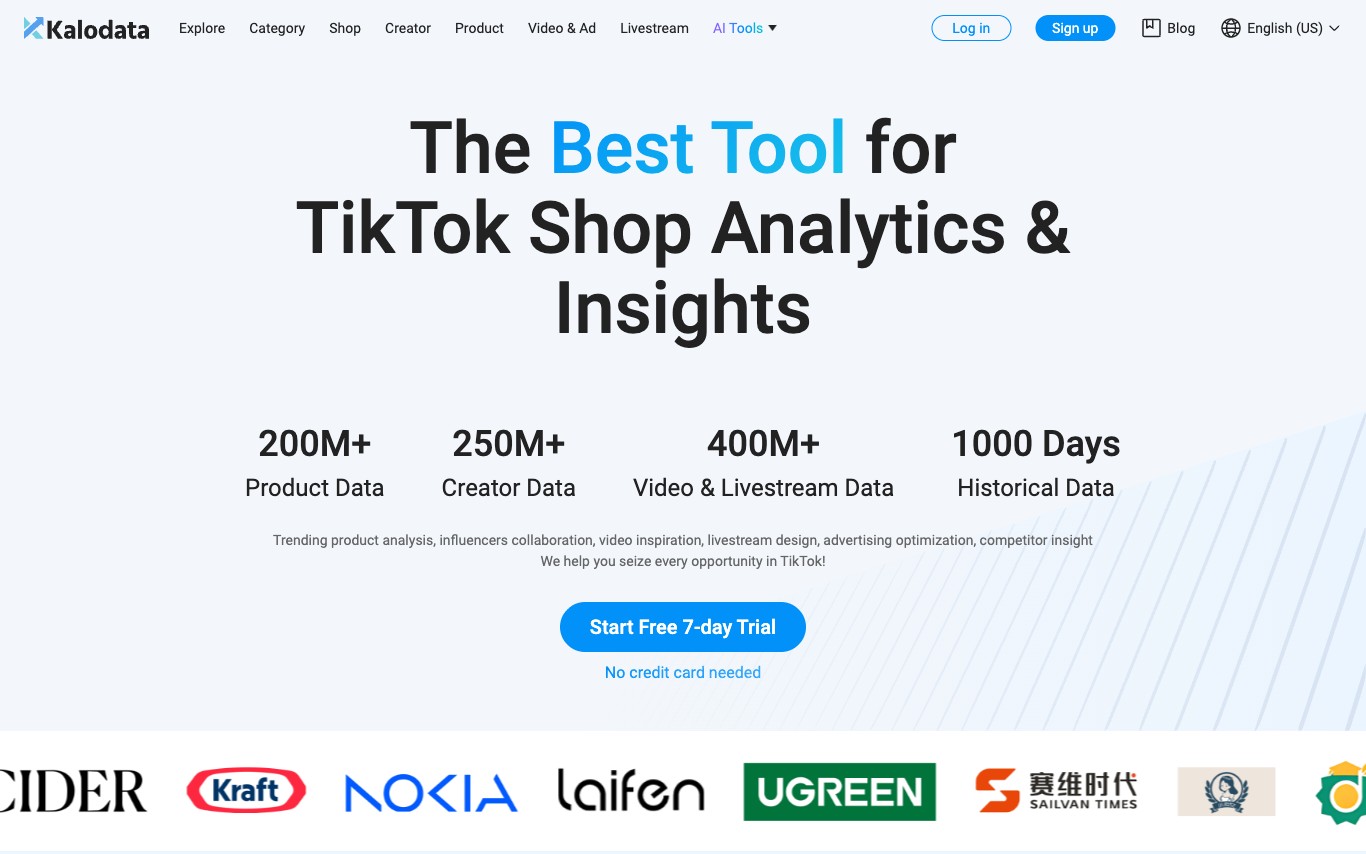

Kalodata is a data analytics platform for TikTok Shop sellers and brands. It tracks product-level sales, creator performance, competitor intelligence, and live stream metrics to support data-driven decisions in TikTok commerce.
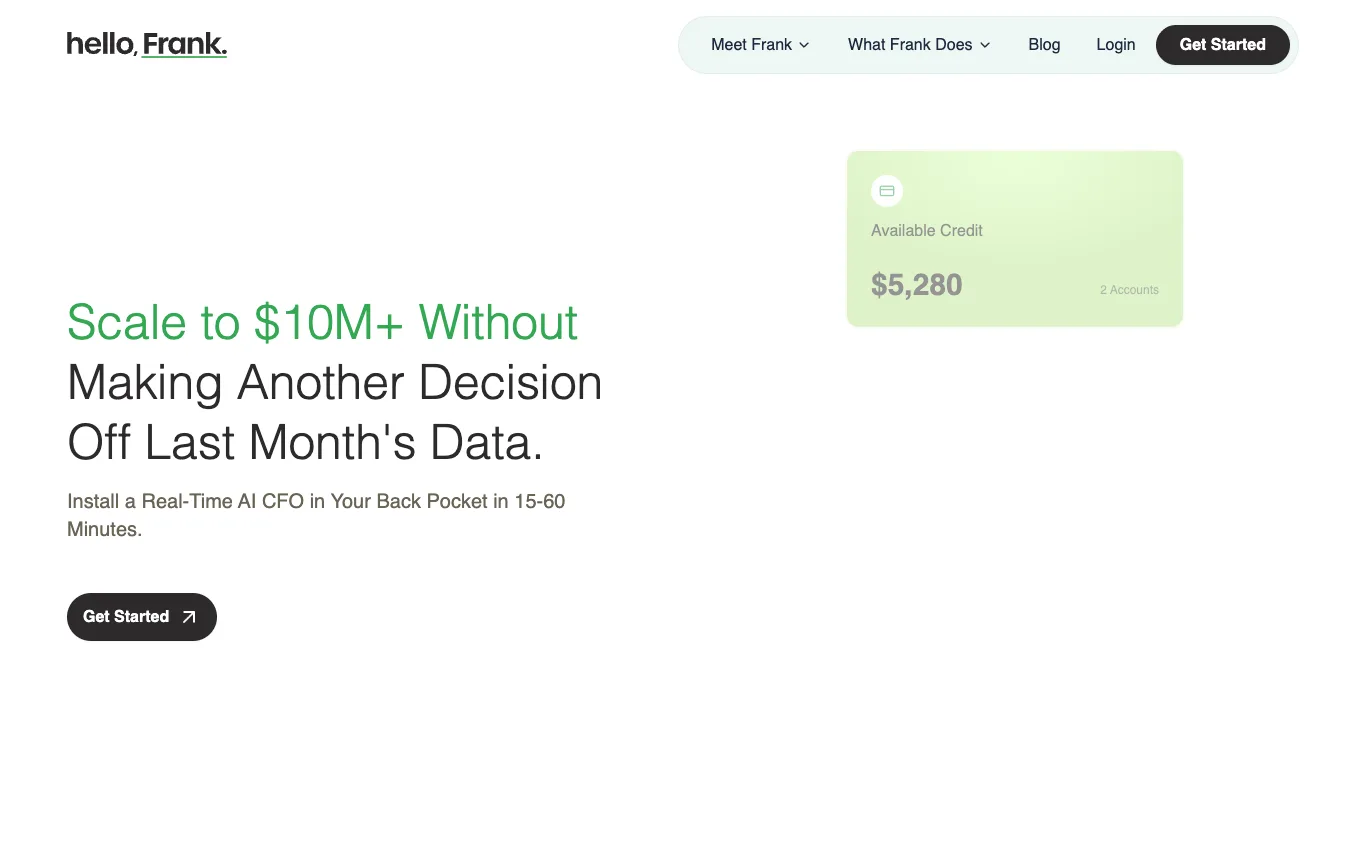

Hello Frank is an AI CFO that connects to your bank accounts and financial systems to provide real-time financial intelligence. It tracks transactions daily, monitors cash position, detects anomalies, and forecasts runway. Designed for founder-led service businesses, it offers live dashboards and plain-English answers to critical financial questions.
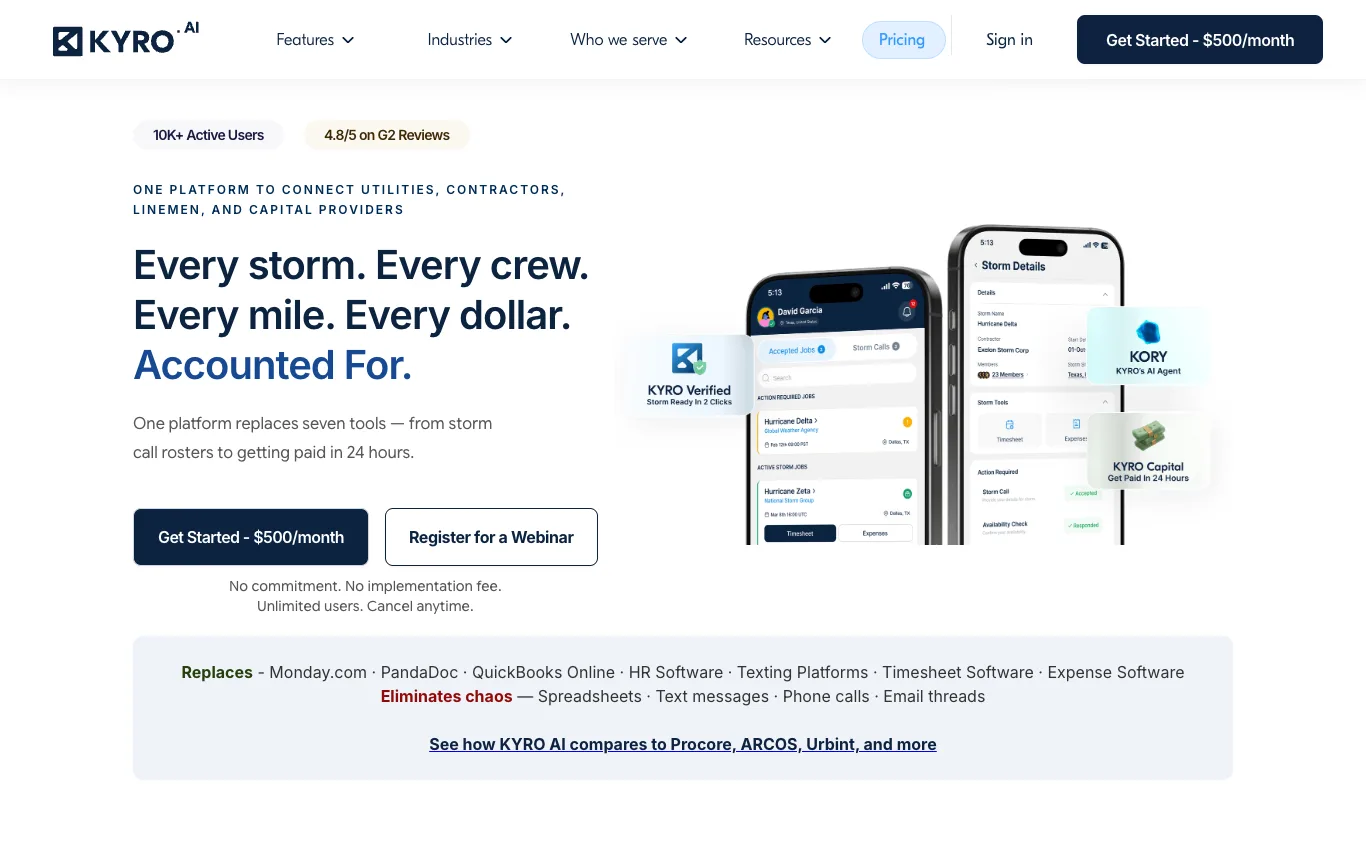

KYRO AI is a platform built for Construction, Vegetation, and Storm Restoration management. It replaces seven tools, from storm call rosters to getting paid in 24 hours. The platform streamlines field communication, documentation, and invoicing for utilities, contractors, linemen, and capital providers. It offers features like timesheets and invoices, access to working capital, and project management.
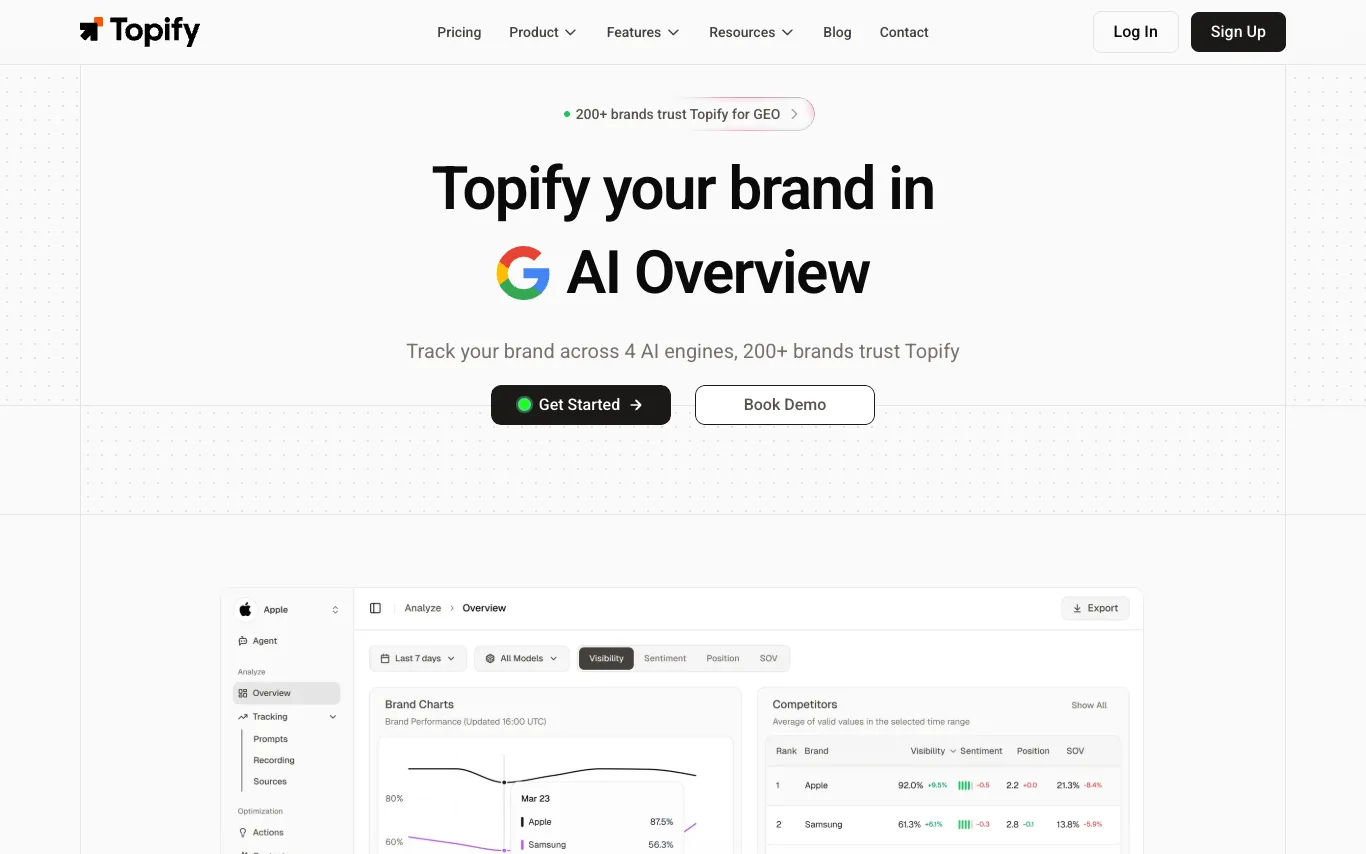

Topify is a Generative Engine Optimization (GEO) platform that helps brands get recommended by AI search engines like ChatGPT, Gemini, and Perplexity. It tracks brand mentions, citations, and competitor presence across four AI engines. The platform provides analytics, prompt discovery, and execution tools to improve AI visibility. Trusted by over 200 brands, Topify offers a dashboard for monitoring and optimizing AI search presence.
Bluesminds is an enterprise AI intelligence platform that connects data, applies AI, and enables decision-making. It deploys autonomous AI agents for complex tasks, offers decision intelligence, and operates a sovereign, air-gappable network across 29 regions. Trusted by 500+ enterprise organizations, it powers 2.4B+ decisions with 99.99% uptime.
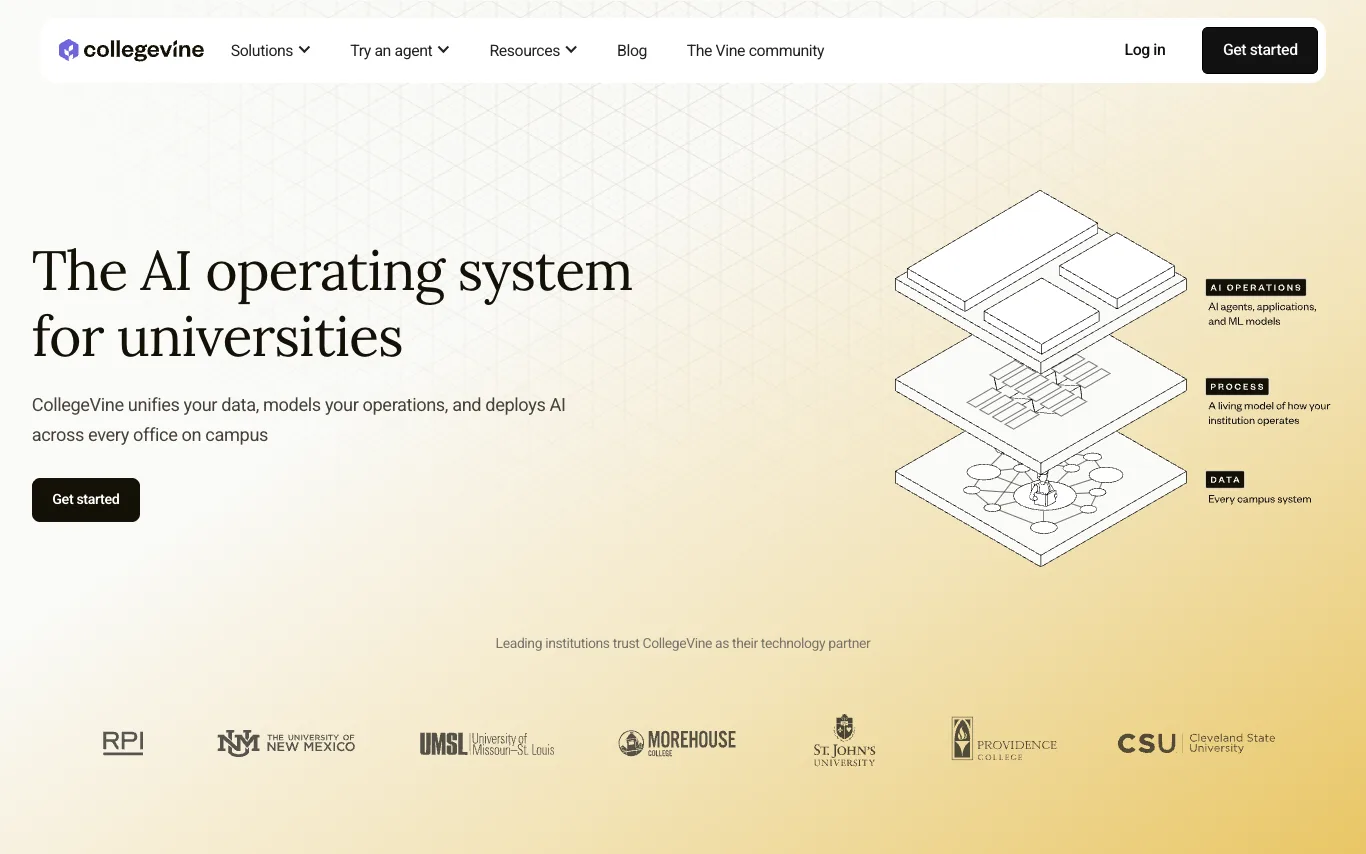

CollegeVine is an AI operating system for universities that unifies data, models operations, and deploys AI across every office on campus. It provides an operational intelligence platform with three layers: data, process, and AI operations. The platform enables institutions to launch transformational AI initiatives within days, with security and permissions enforced at every layer.


Lium is a workflow automation platform that enables users to connect and analyze their data. It provides a chat-based interface where users can ask questions about their data and receive insights. The platform includes pre-built workflows for various domains such as weather, utilities, logistics, and finance, allowing users to quickly access specialized analyses.
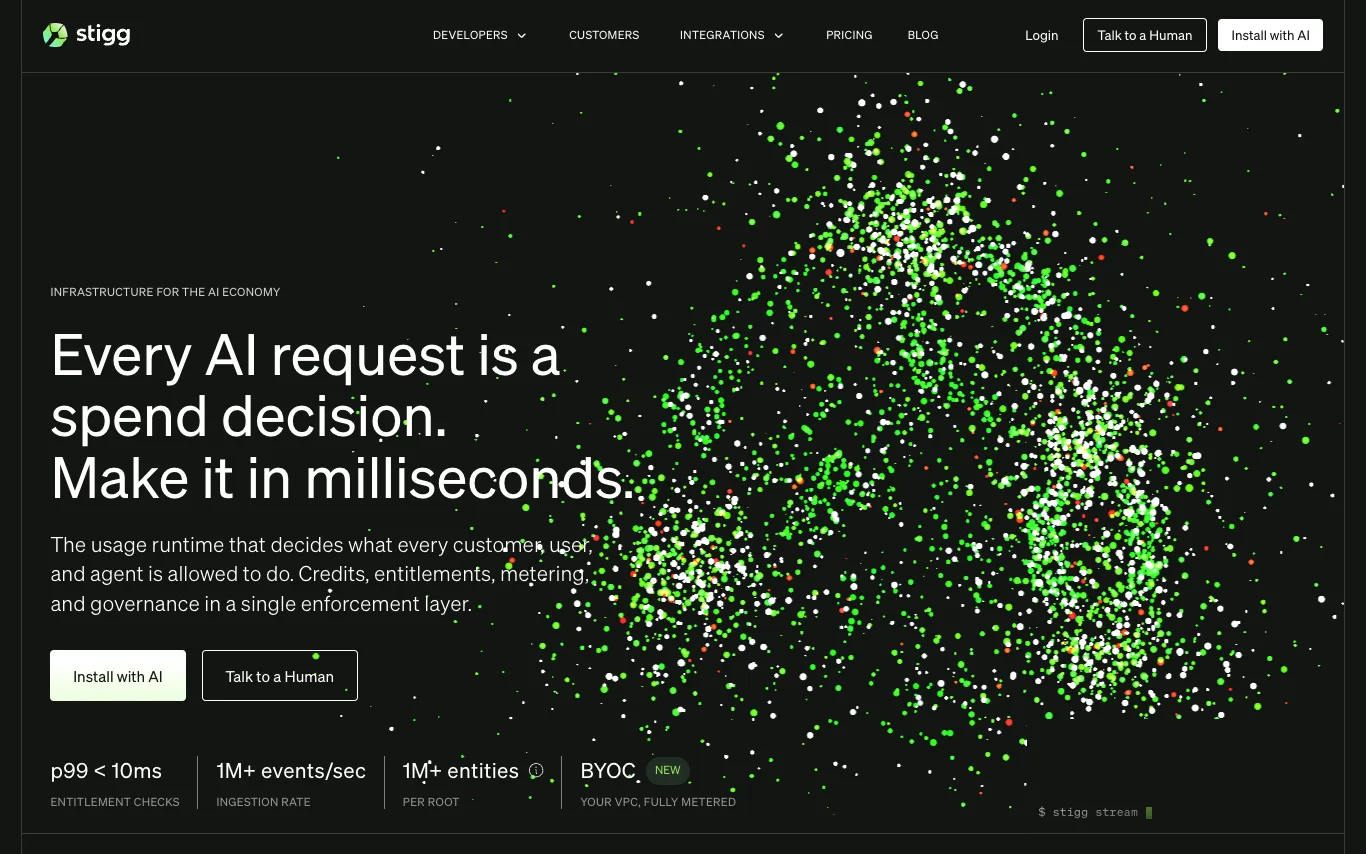

Stigg is a usage runtime for AI products. It meters usage, manages entitlements, and monetizes AI features in real time, without building billing infrastructure. It provides a single enforcement layer for credits, entitlements, metering, and governance. Stigg is trusted by engineering teams operating at scale and complexity.
Related categories
What is AI analytics?
AI analytics uses machine learning and natural language processing to explore data, surface insights, and answer questions in plain language instead of hand-written queries. It automates the slow parts of analysis — cleaning data, spotting patterns, flagging anomalies, and forecasting trends. Tools range from a conversational layer on top of a warehouse to full augmented-BI platforms that build the dashboards for you.
What AI analytics tools do
- Ask questions in plain language, get charts back
- Automated insight discovery across large datasets
- Anomaly detection with alerts on unusual metrics
- Forecasting and predictive models without code
- Auto-generated dashboards and narrative summaries
- Connectors to warehouses, spreadsheets, and SaaS data
Who uses AI analytics
01
Business teams self-serving data
Marketers, ops, and founders ask data questions without waiting on an analyst or writing SQL.
02
Data analysts speeding up work
Automate cleaning, exploration, and first-pass insights so analysts focus on the hard questions.
03
Product and growth monitoring
Track key metrics, catch anomalies early, and understand why the numbers moved.
04
Executives wanting plain-language reports
Get narrative summaries and forecasts from dashboards without reading raw data tables.
How AI analytics works
The tool connects to your data — a warehouse, spreadsheet, or app — and profiles it so it knows the columns and how they relate. When you ask a question, an LLM translates it into a query, runs it, and returns charts or a written answer, while statistical and ML models handle forecasting and anomaly detection. Many tools also scan data on a schedule to surface insights you never thought to ask for.