




Qodo (formerly Codium) is an agentic AI code review and quality platform. It reviews code locally in the IDE, automatically comments on pull requests, and runs from a CLI, enforcing organization-specific coding standards across repositories.
Best AI Code Generator Tools (2026)
Compare AI code generators and coding assistants for autocomplete, app scaffolding, debugging, IDE integration, and free plans.


Cody is Sourcegraph's AI coding assistant. It combines chat, autocomplete, and code edits with enterprise-grade codebase context powered by Sourcegraph search across repositories.


Tabnine is an enterprise-focused AI coding assistant providing code completion, chat, and agents across major IDEs. It emphasizes privacy with options for private deployment, air-gapped installs, and zero data retention.
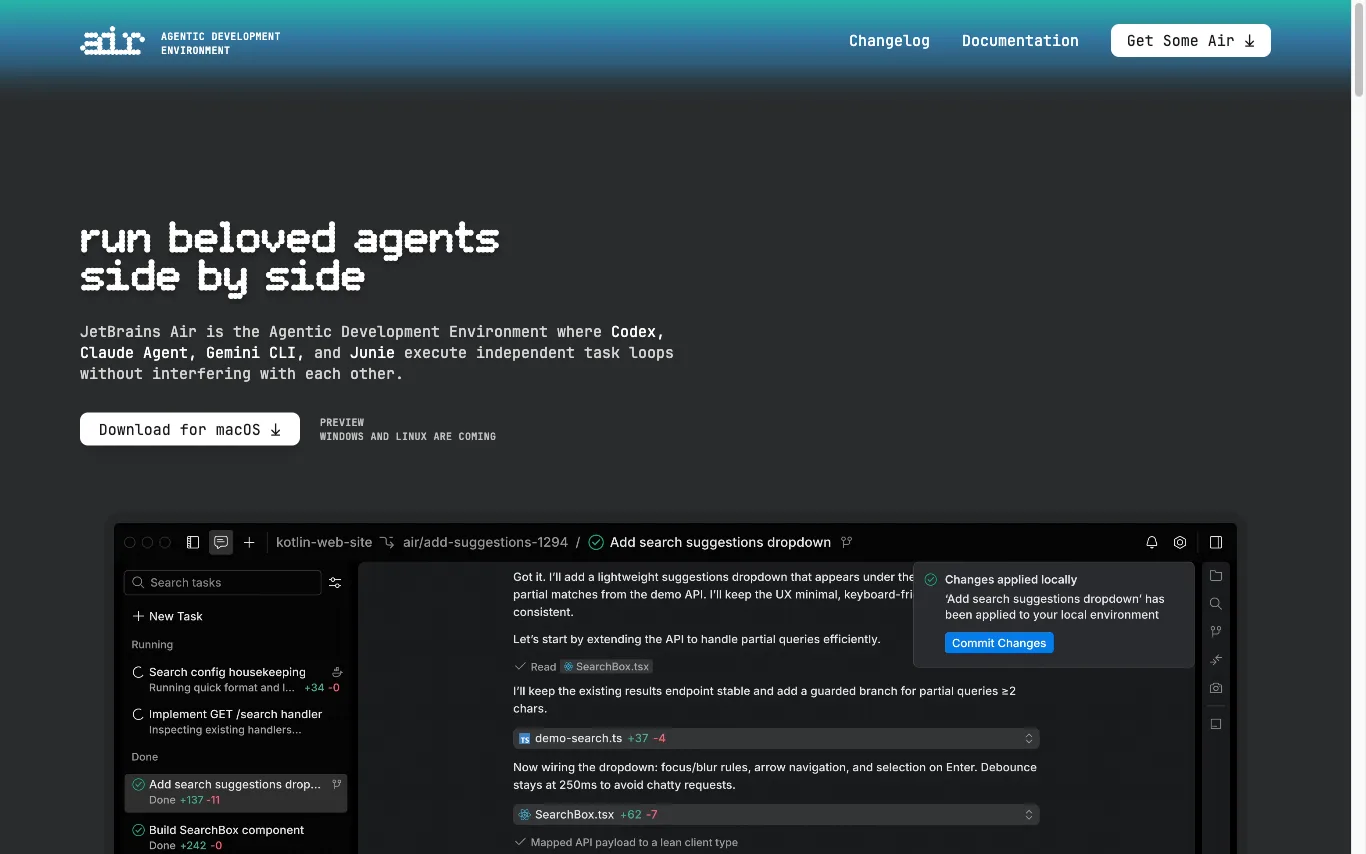

JetBrains Air is a desktop IDE that lets developers run multiple AI coding agents — Codex, Claude Agent, Gemini CLI, Junie — as parallel, isolated task loops. Each agent works on its own branch or container so tasks don't interfere with each other.


v0 is Vercel's generative UI product. It turns natural-language prompts and screenshots into production-ready React and Next.js code using Tailwind CSS and shadcn/ui, with instant preview and deploy to Vercel.
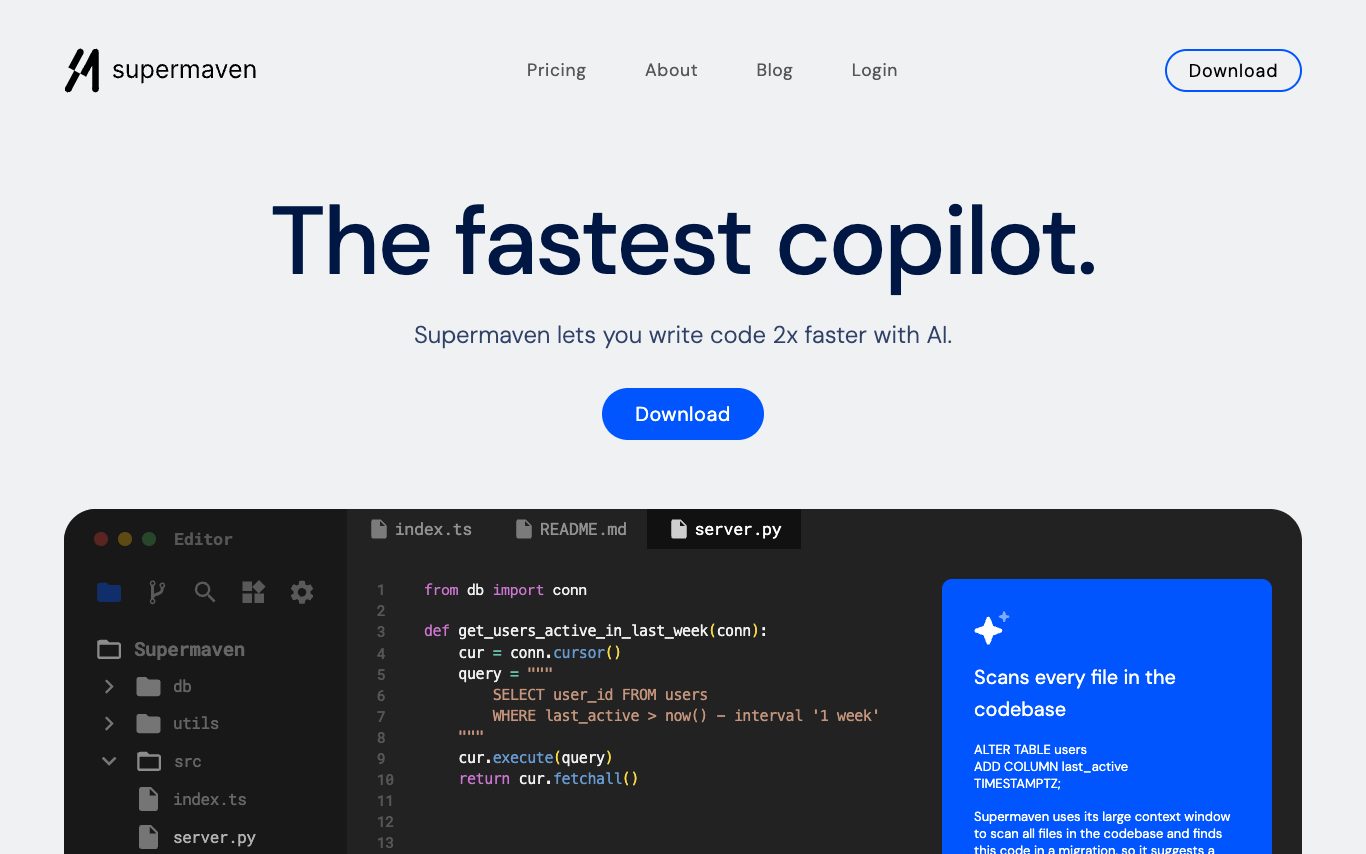

Supermaven is an AI code autocomplete tool focused on speed and context. It ships a purpose-built 1M-token completion model and a chat panel with frontier LLMs, all inside VS Code, JetBrains, and Neovim.
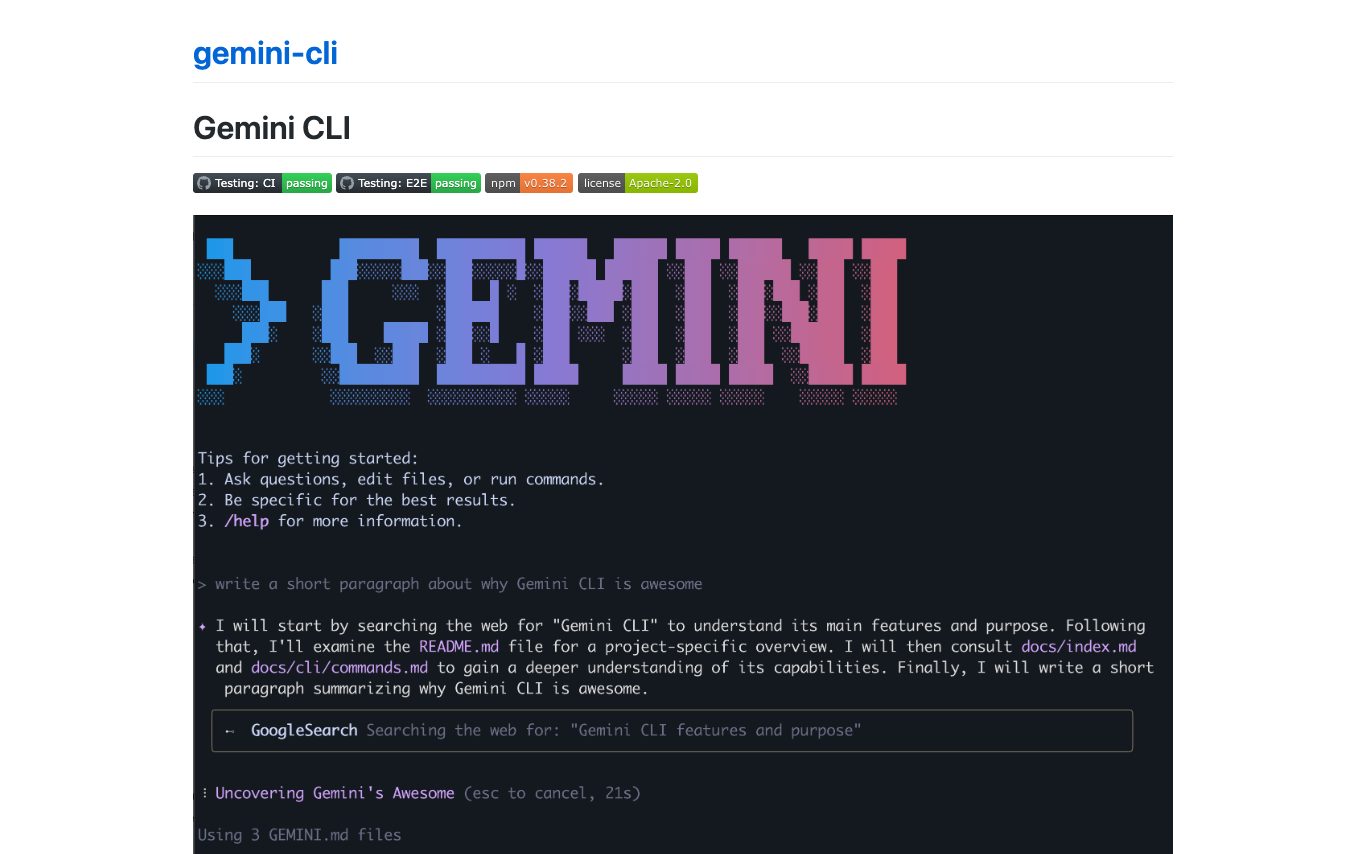

Gemini CLI is an open-source command-line AI agent from Google that runs locally in the terminal, connects to the Gemini models, and supports tool use, file editing, MCP extensions, and Google Search grounding.

Codeium is the AI code assistant behind Windsurf, offering inline autocompletion, chat, and refactoring across VS Code, JetBrains, and many other IDEs. Individual use is free forever.


PlugThis is an AI-powered Chrome extension builder that generates complete Manifest v3 extensions from plain-English descriptions. It automatically creates manifest.json, content scripts, background service workers, popup UI, and optional Supabase backend. Users can download the full source code, own it forever, and publish to the Chrome Web Store. It supports BYOK for AI features and offers templates for common extensions.
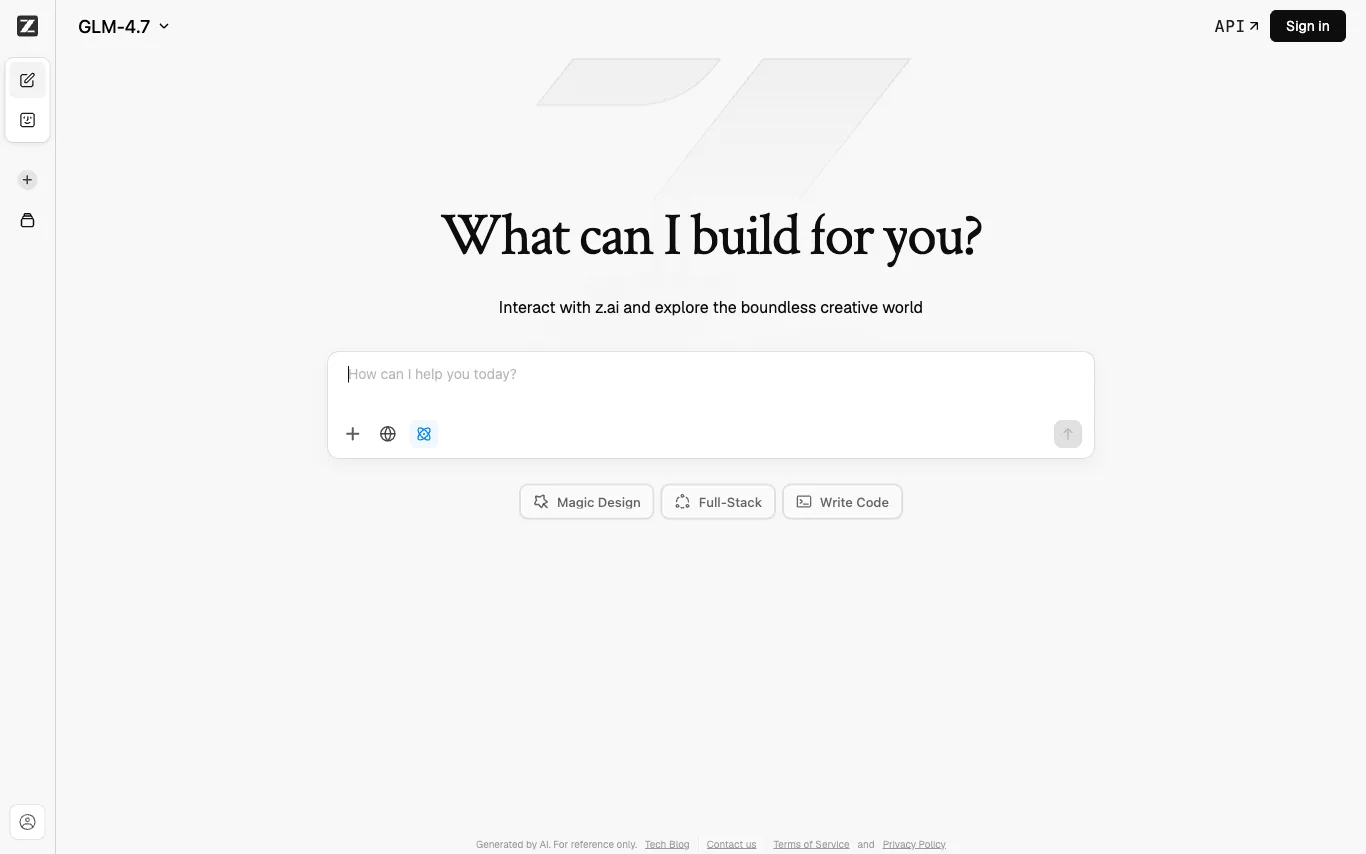

Z.ai is an advanced AI chatbot and agent platform powered by GLM-5.2, offering free chat with no login required. It handles long-horizon tasks including full-stack code generation, AI-powered slide creation (Magic Design), and deep research. An API is available for developers to integrate GLM models into their own applications.
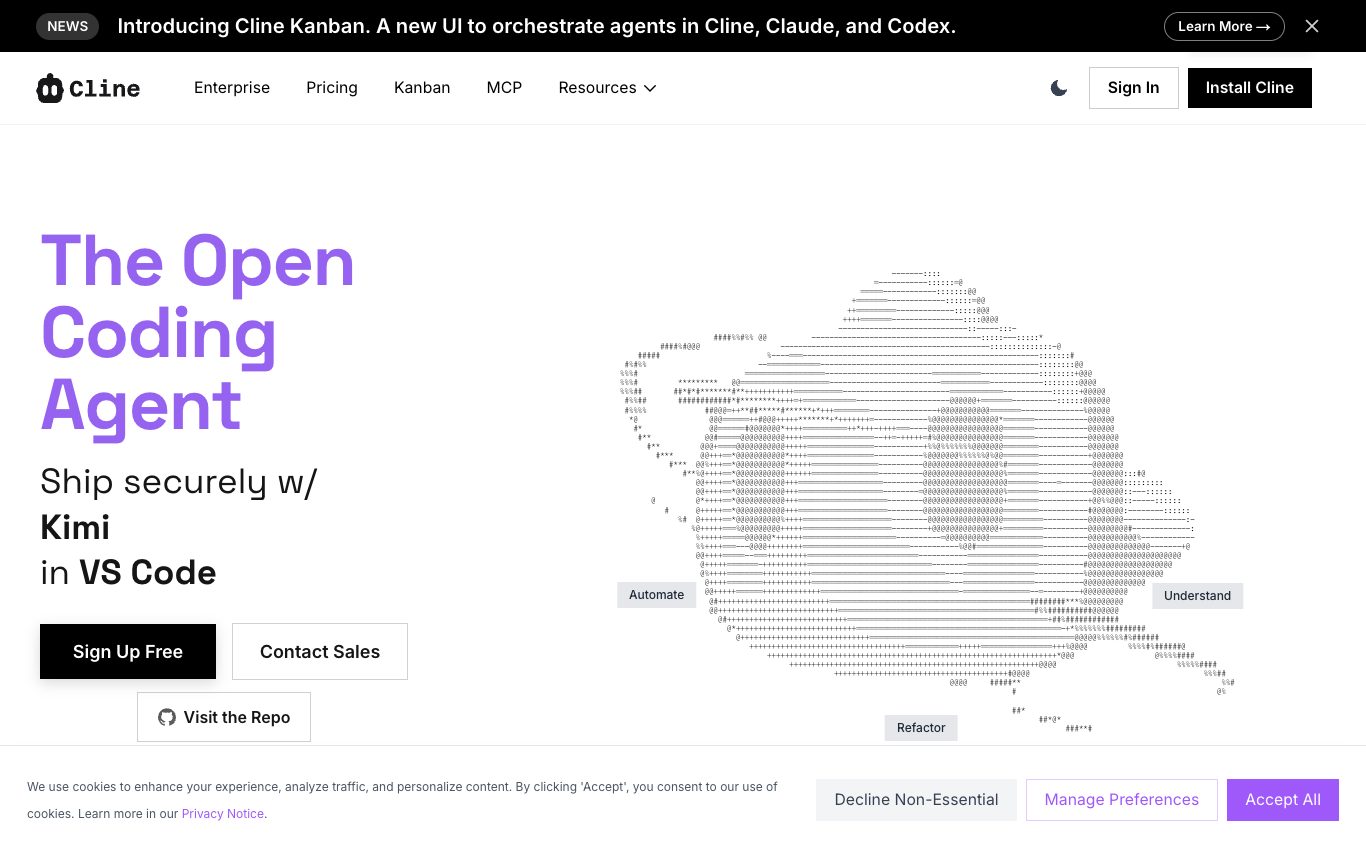

Cline is an open-source AI coding agent that lives inside VS Code and the terminal. It can plan and execute multi-file edits, run shell commands, browse the web, and use MCP tools with Claude, GPT, Gemini, and local models.
Related categories
What is an AI code generator?
An AI code generator writes, completes, and explains code from a natural-language prompt or an existing file, powered by a code-trained large language model. It can autocomplete lines, scaffold functions or apps, translate between languages, and fix bugs. Tools range from IDE autocomplete assistants to agents that build and edit a whole project.
Core features to look for
- Inline autocomplete and whole-function generation
- Chat to explain, refactor, or debug code
- Editor and IDE integration (VS Code, JetBrains)
- Multi-file edits and project scaffolding
- Multiple languages and framework awareness
- Model choice and free or open-source options
Who uses AI code generators, and how
01
Autocomplete in the editor
Developers speed up with inline suggestions and whole-function completion as they type.
02
Scaffold apps & features
Generate boilerplate, components, and CRUD from a prompt to start faster.
03
Explain & debug
Paste an error or unfamiliar code and get a plain-language explanation or fix.
04
Free & open-source
Compare free tiers and self-hostable models for cost and privacy.
How does an AI code generator work?
AI code generators use large language models trained on public code. From your prompt, comments, and the surrounding file, the model predicts the most likely code token by token. Agentic tools go further — they plan, edit multiple files, run commands, and read the results to iterate on a task.