


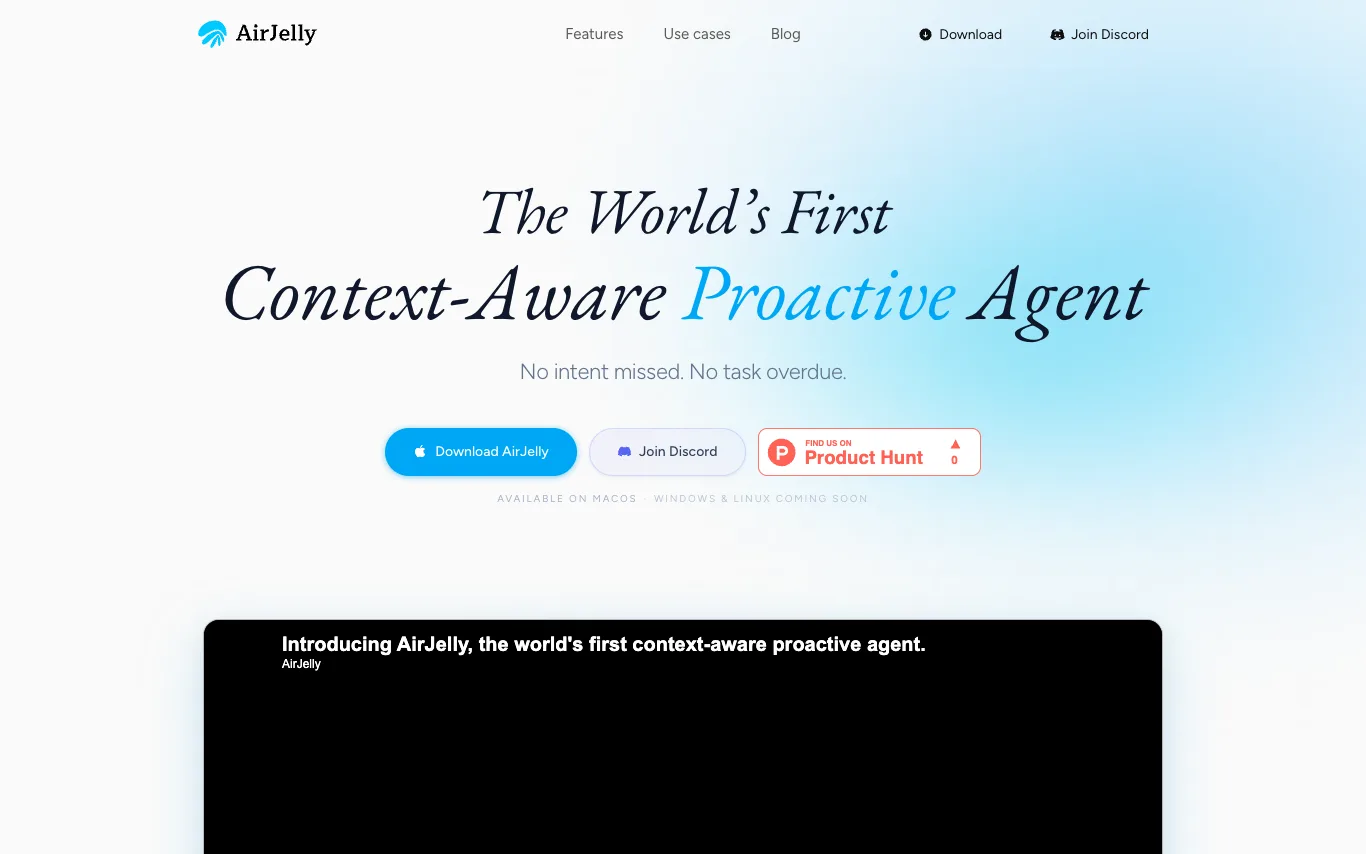

AirJelly is an always-on desktop AI that watches your workflow, remembers everything, and acts before you ask. It runs entirely local, reading across apps like Slack, Zoom, Docs, and Calendar to build a living timeline of your work. It surfaces what matters, creates tasks, prepares briefs, and sends reminders proactively. Available on macOS, with Windows and Linux coming soon.
Best AI Agent Tools (2026)
Compare AI agents for task automation, coding, tool use, autonomous workflows, and no-code or SDK agent builders.
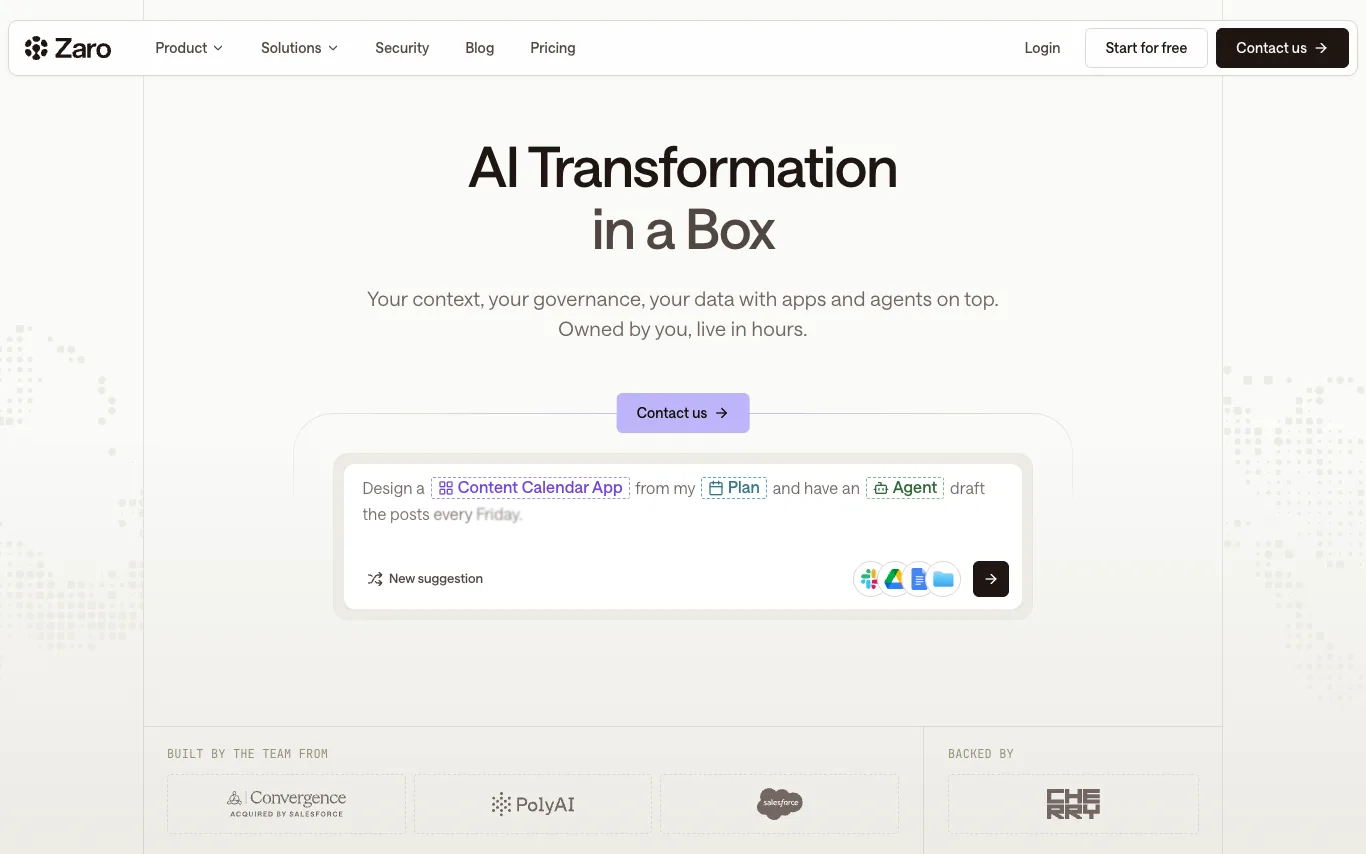

Zaro is an AI platform that provides a unified workspace where context, agents, and applications share one memory. It allows teams to capture documents, calls, decisions, and tickets in a versioned workspace, run agents on that data, and generate custom apps like dashboards and trackers. Zaro emphasizes data ownership, governance, and security, with features like access scoping, activity trails, and GDPR compliance. It is built by the team from Convergence, PolyAI, and Salesforce, and is backed by Cherry Ventures.
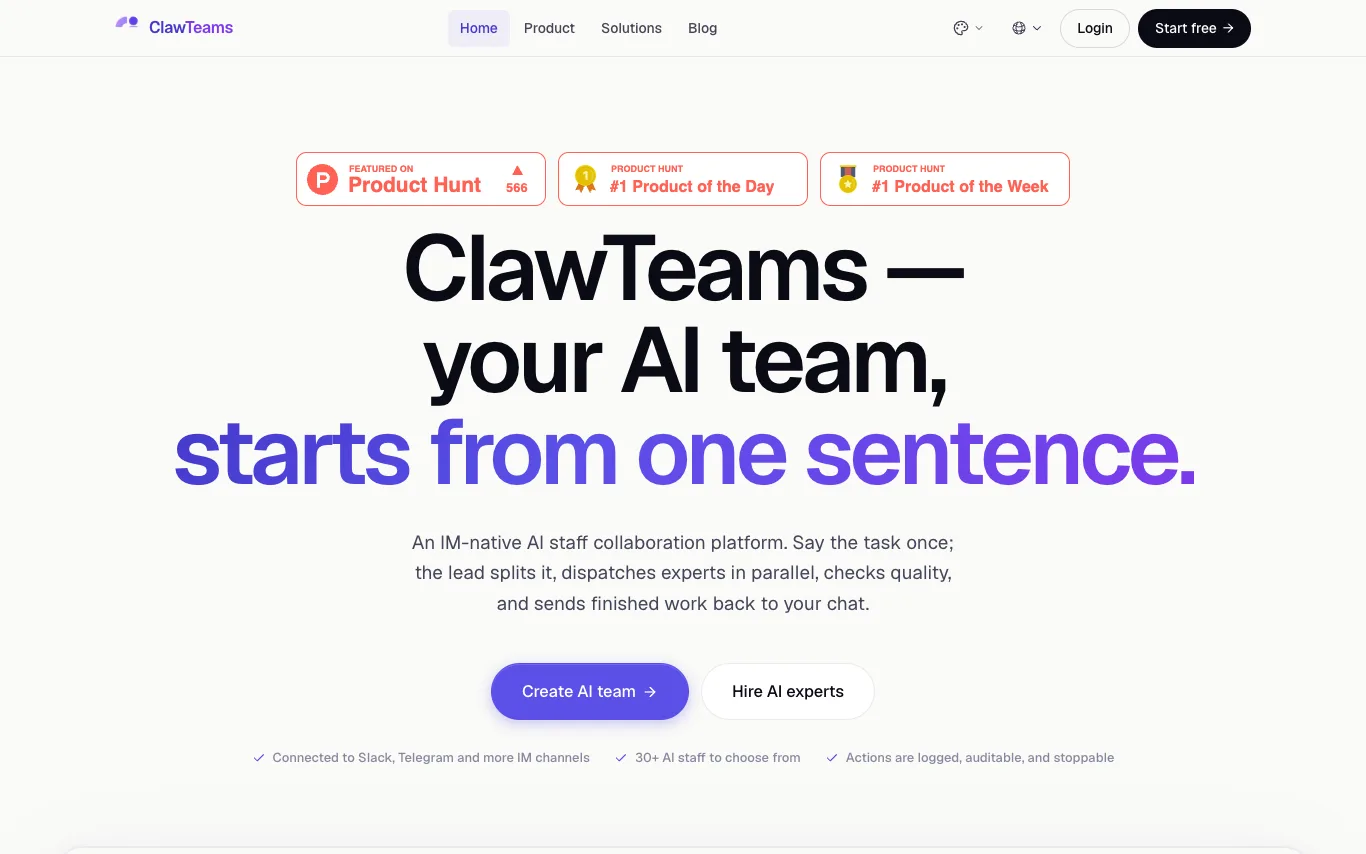

ClawTeams is an IM-native AI staff collaboration platform. Users describe a task once; the lead AI splits it, dispatches specialist AI staff to work in parallel, checks quality, and sends finished work back to the chat. It connects to Slack, Telegram, and other IM channels, offering 30+ AI staff roles. Actions are logged, auditable, and stoppable, with enterprise security controls.
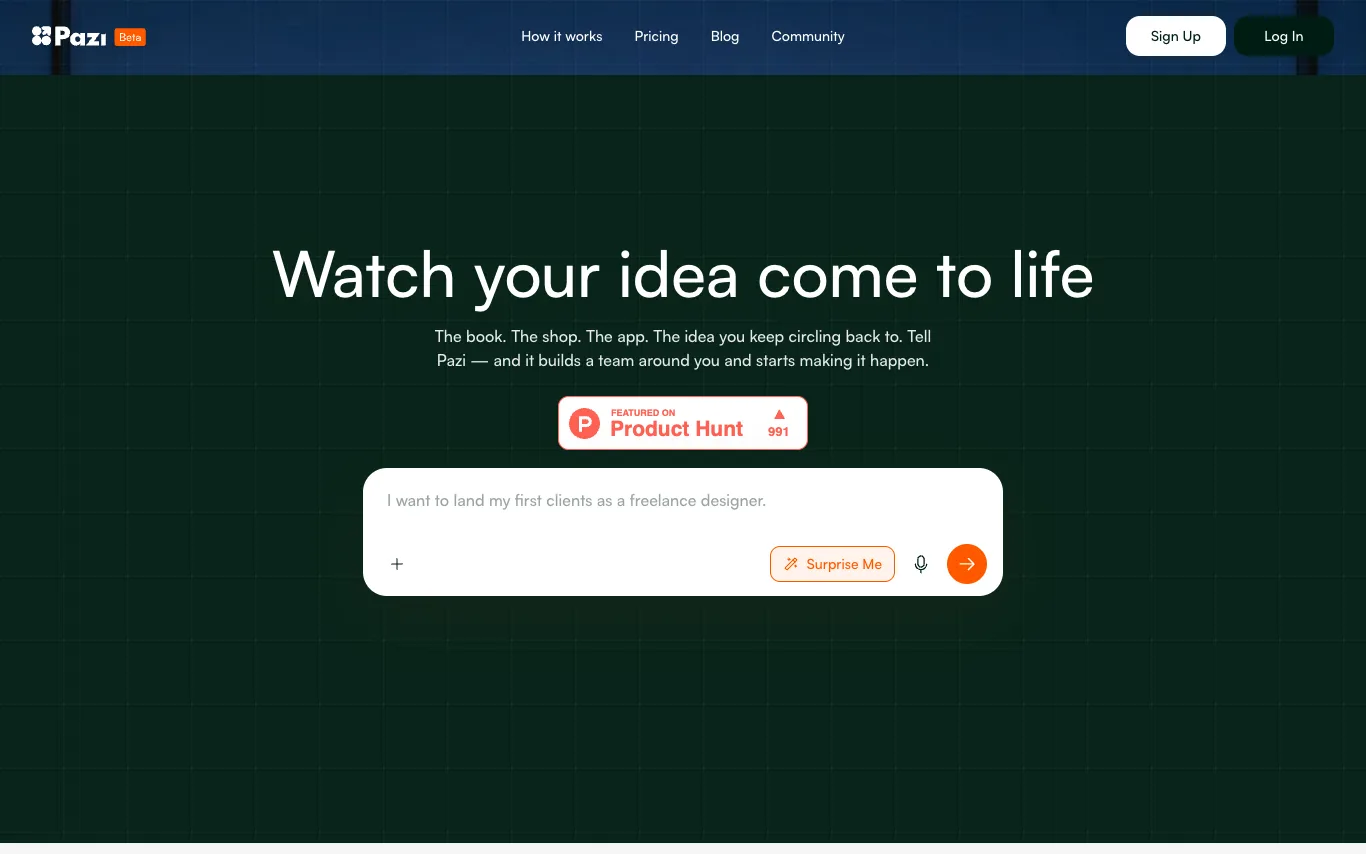

Pazi is a platform that helps you turn your business ideas into reality. Describe your idea, and Pazi creates a personalized roadmap, finds opportunities, and builds a team to execute tasks. It keeps everything in sync with a Business Pulse dashboard, showing what's done, in progress, and what needs your attention. From coffee brands to SaaS startups, Pazi supports various ventures.
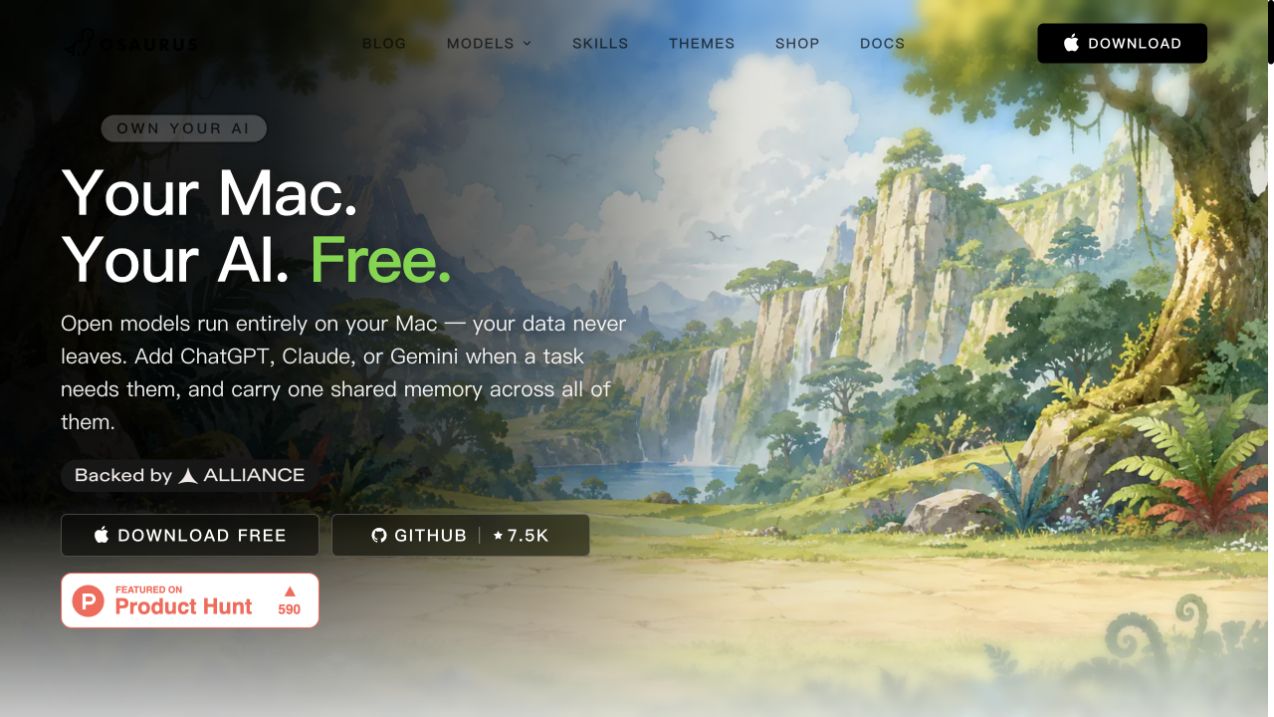

Osaurus is a native macOS harness for AI agents, built in Swift and fully open source under the MIT license. It allows users to run open models locally on Apple Silicon, ensuring privacy and offline functionality. Users can also connect cloud models like ChatGPT, Claude, or Gemini when needed, with a shared memory across all models. The app supports autonomous agents, file reading/writing, and tool execution, all without sending data to servers.
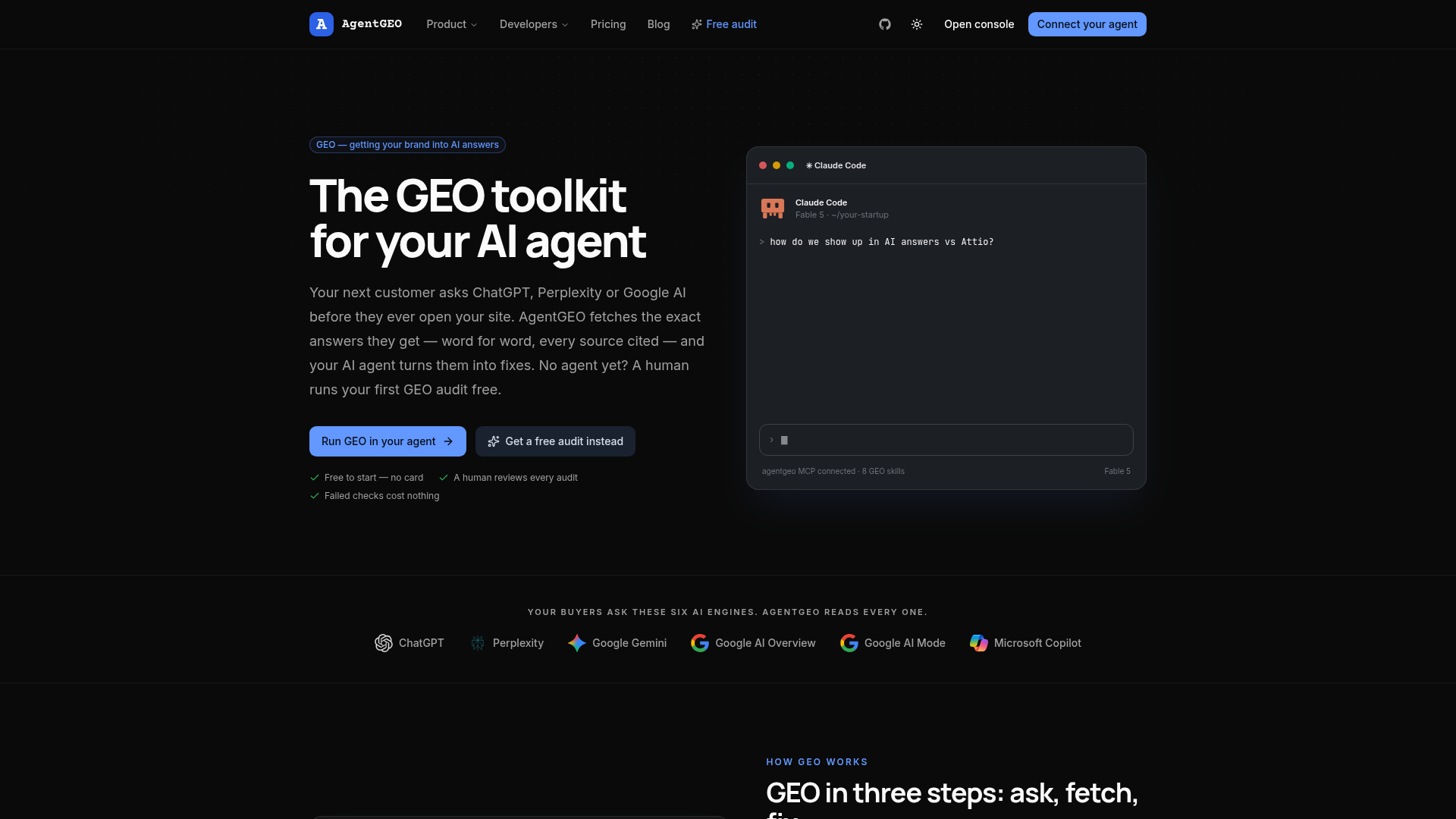

The GEO toolkit for your AI agent, helping your brand show up in AI answers.

AI-guided tarot readings with reflective spreads, yes/no answers, card meanings, and a private journal.
Related categories
What is an AI agent?
An AI agent is a system built on a large language model that can pursue a goal over multiple steps on its own — planning, calling tools and APIs, browsing, running code, and reacting to results — instead of just answering one prompt. Agents range from ready-made assistants to platforms for building your own.
Core features to look for
- Multi-step planning toward a goal, not single replies
- Tool and API calling (search, code, browsers, apps)
- Memory and state across a task or session
- Autonomy with optional human-approval steps
- Build-your-own with no-code or an SDK/framework
- Multi-agent teams that delegate subtasks
Who uses AI agents, and how
01
Task automation
Automate research, data entry, outreach, and repetitive multi-step workflows end to end.
02
Coding agents
Plan, write, and edit across a codebase, run commands, and fix failures autonomously.
03
Build-your-own
Use no-code builders or SDKs to create agents wired to your own tools and data.
04
Customer & ops
Agents that resolve tickets, take actions, and coordinate across business apps.
How does an AI agent work?
An AI agent wraps a language model in a loop: it plans the next step, picks a tool or action, runs it, reads the result, and repeats until the goal is met. Access to tools, APIs, memory, and sometimes other agents is what turns a chat model into something that acts, not just answers.