


ZZZ Code AI provides free AI-powered coding tools for code generation, explanation, debugging, and conversion across Python, JavaScript, SQL, and other languages.
AI Code Generator · 36 tools
Best AI Code Generator Tools (2026)
Compare AI code generators and coding assistants for autocomplete, app scaffolding, debugging, IDE integration, and free plans.
All AI Code Generator tools
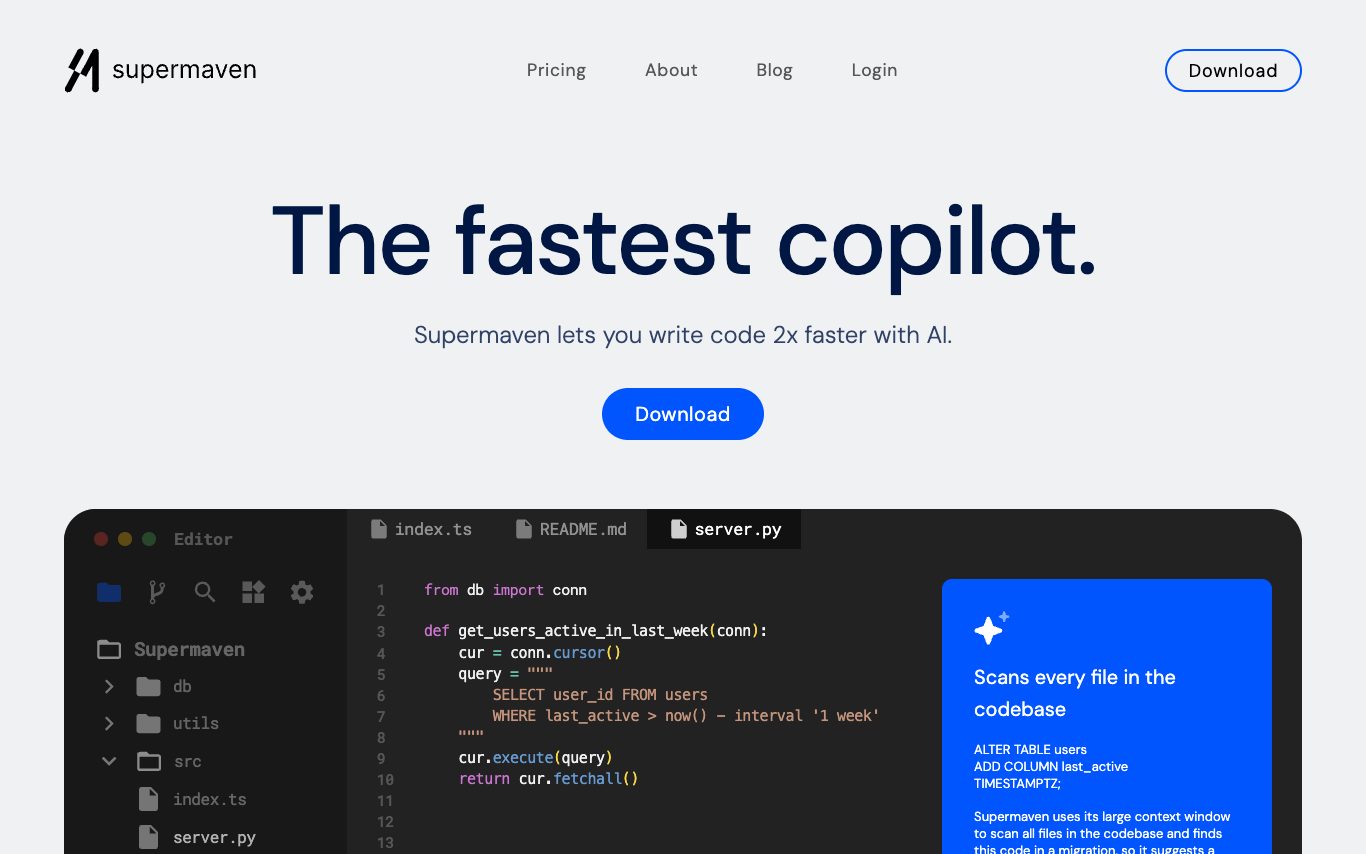

Supermaven is an AI code autocomplete tool focused on speed and context. It ships a purpose-built 1M-token completion model and a chat panel with frontier LLMs, all inside VS Code, JetBrains, and Neovim.
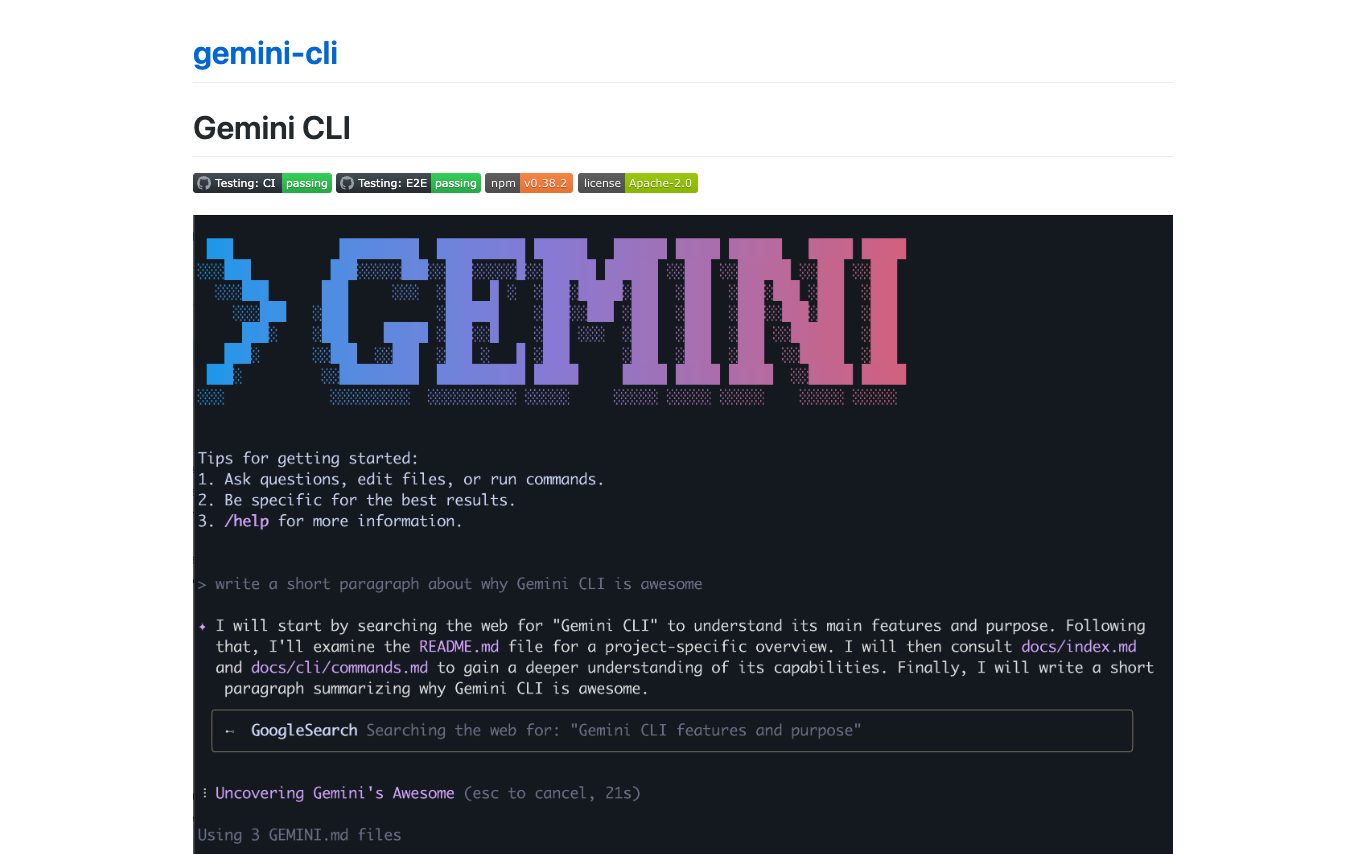

Gemini CLI is an open-source command-line AI agent from Google that runs locally in the terminal, connects to the Gemini models, and supports tool use, file editing, MCP extensions, and Google Search grounding.



DragonCode provides a single account and unified endpoint to access Claude Code, Codex, and Gemini CLI. Pricing is per-token in CNY at rates lower than official, with full call logs and quick IDE setup.
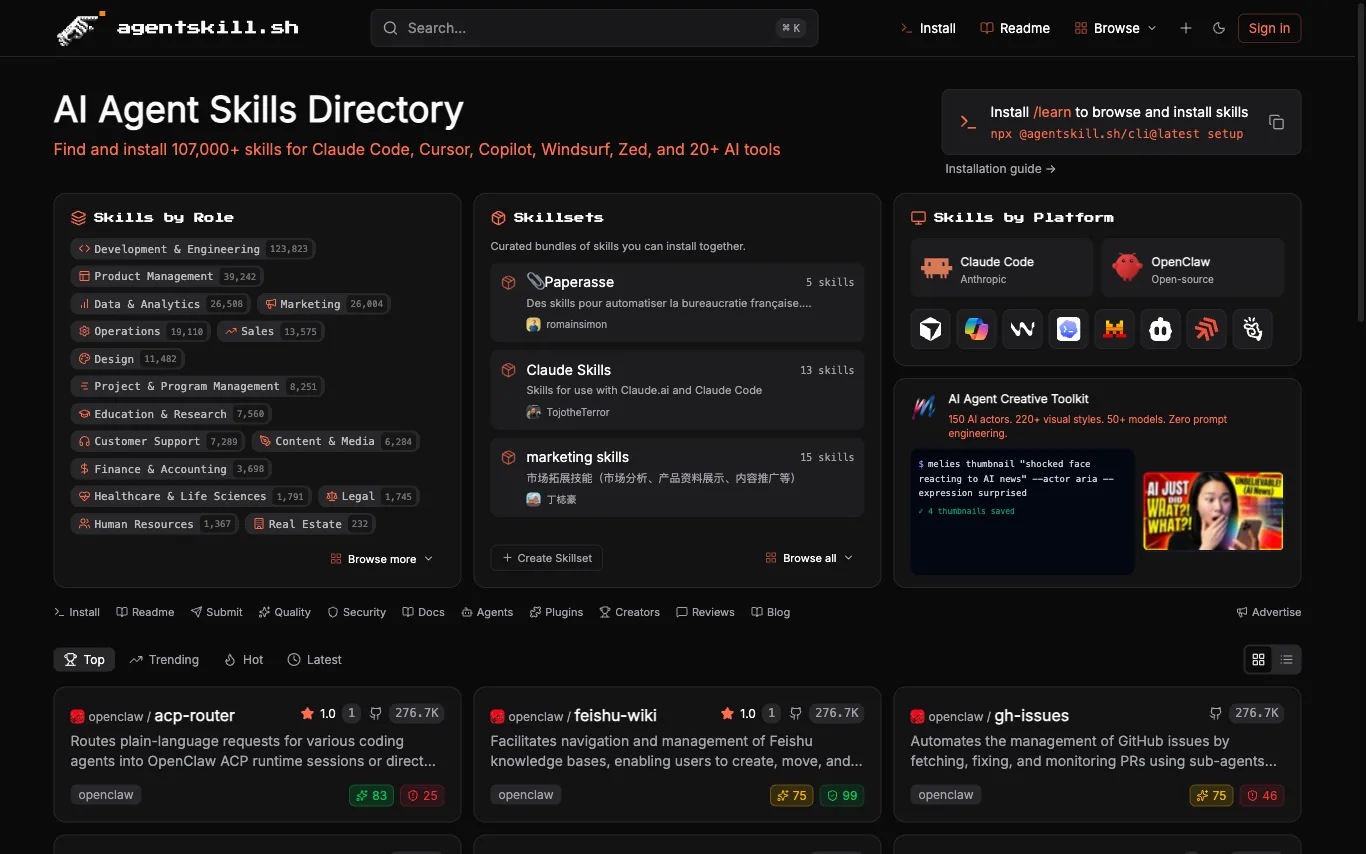

AgentSkill.sh is a cross-platform directory and marketplace for AI agent skills cataloguing over 107,000 skills across development, marketing, and data analytics roles, installable via CLI for any major AI coding tool.
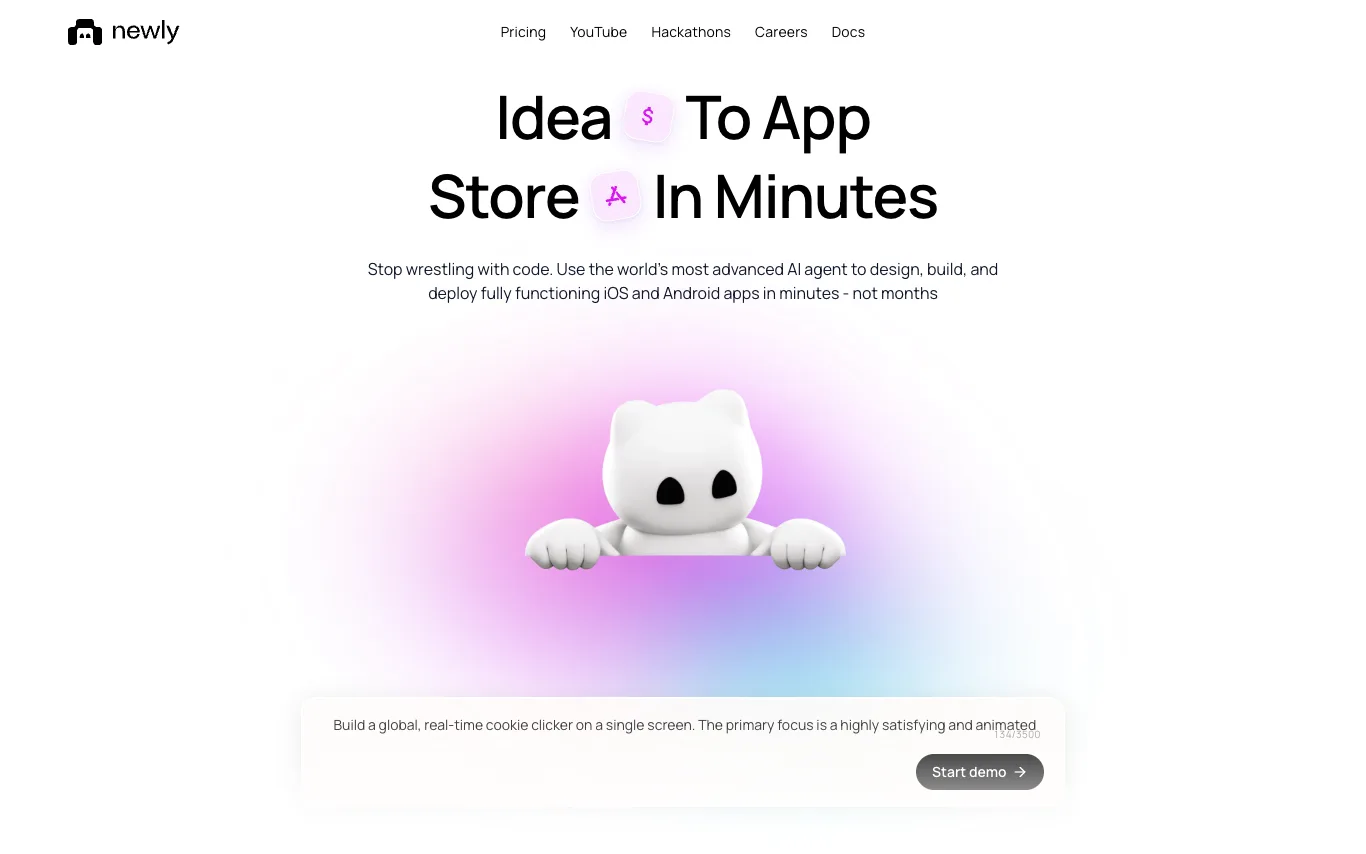

Newly AI (newly.app) is an AI-powered platform for building native iOS and Android apps. Users describe their app idea in plain English, and the AI agent generates React Native code, provides a canvas for UI tweaks, and includes embedded device previews. The platform handles backend services like databases, authentication, and storage, and automates App Store and Play Store asset generation. Apps are built with Expo and compile to real native code, not webviews. Users own the source code and can export it without vendor lock-in.


PlugThis is an AI-powered Chrome extension builder that generates complete Manifest v3 extensions from plain-English descriptions. It automatically creates manifest.json, content scripts, background service workers, popup UI, and optional Supabase backend. Users can download the full source code, own it forever, and publish to the Chrome Web Store. It supports BYOK for AI features and offers templates for common extensions.
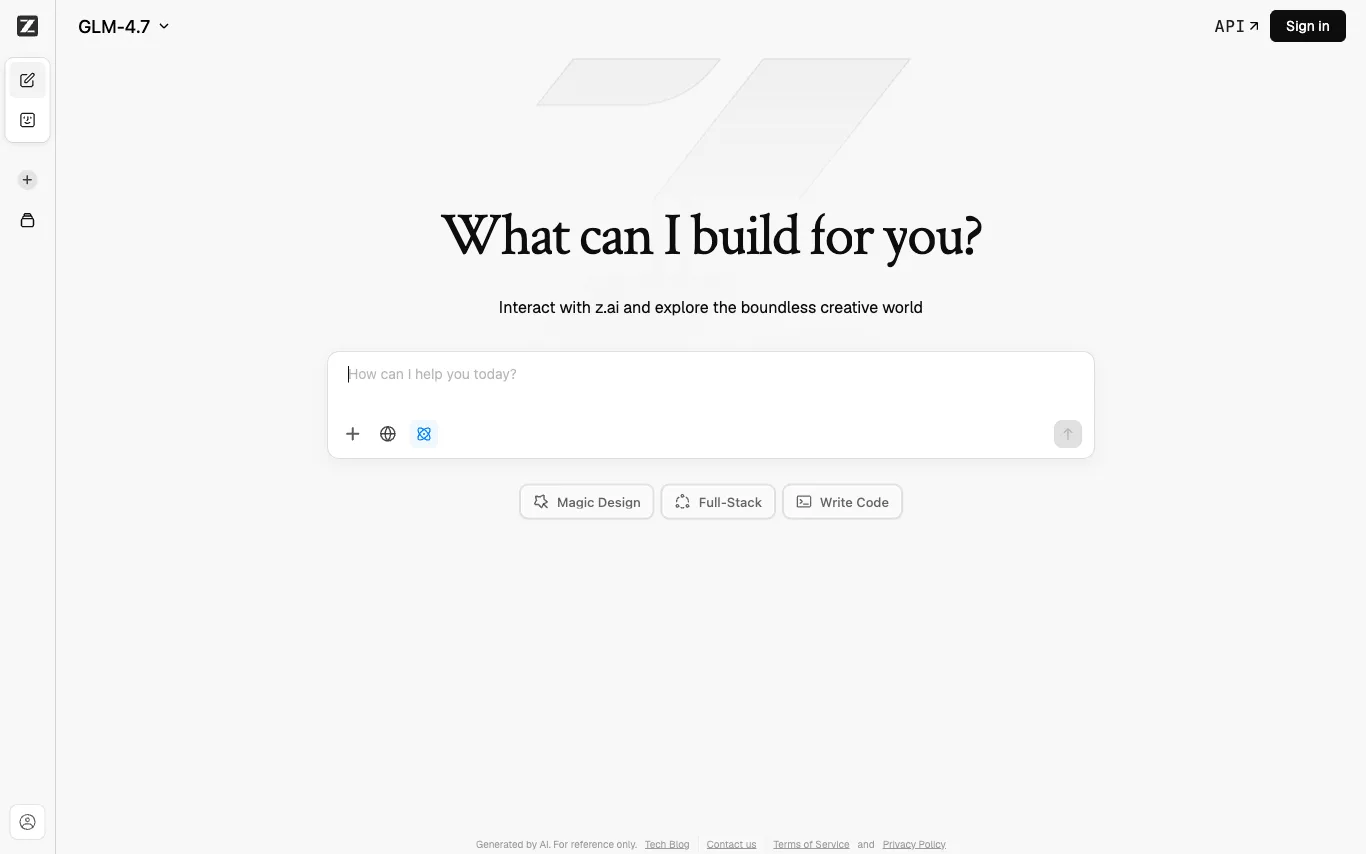

Z.ai is an advanced AI chatbot and agent platform powered by GLM-5.2, offering free chat with no login required. It handles long-horizon tasks including full-stack code generation, AI-powered slide creation (Magic Design), and deep research. An API is available for developers to integrate GLM models into their own applications.


Open Design is a free, Apache-2.0 licensed, desktop-native AI design platform. It wires 21+ coding agents (Claude, Codex, Gemini, Cursor) into a unified design workflow, covering prototypes, web, slides, and HTML video — all running locally on your machine.

What is an AI code generator?
An AI code generator writes, completes, and explains code from a natural-language prompt or an existing file, powered by a code-trained large language model. It can autocomplete lines, scaffold functions or apps, translate between languages, and fix bugs. Tools range from IDE autocomplete assistants to agents that build and edit a whole project.
Core features to look for
- Inline autocomplete and whole-function generation
- Chat to explain, refactor, or debug code
- Editor and IDE integration (VS Code, JetBrains)
- Multi-file edits and project scaffolding
- Multiple languages and framework awareness
- Model choice and free or open-source options
Who uses AI code generators, and how
01
Autocomplete in the editor
Developers speed up with inline suggestions and whole-function completion as they type.
02
Scaffold apps & features
Generate boilerplate, components, and CRUD from a prompt to start faster.
03
Explain & debug
Paste an error or unfamiliar code and get a plain-language explanation or fix.
04
Free & open-source
Compare free tiers and self-hostable models for cost and privacy.
How does an AI code generator work?
AI code generators use large language models trained on public code. From your prompt, comments, and the surrounding file, the model predicts the most likely code token by token. Agentic tools go further — they plan, edit multiple files, run commands, and read the results to iterate on a task.