

AI Agent · 66 tools
Best AI Agent Tools (2026)
Compare AI agents for task automation, coding, tool use, autonomous workflows, and no-code or SDK agent builders.
All AI Agent tools



Free AI tools and tutorials. Try ChatGPT, Claude, Gemini side-by-side and learn which model wins each task.
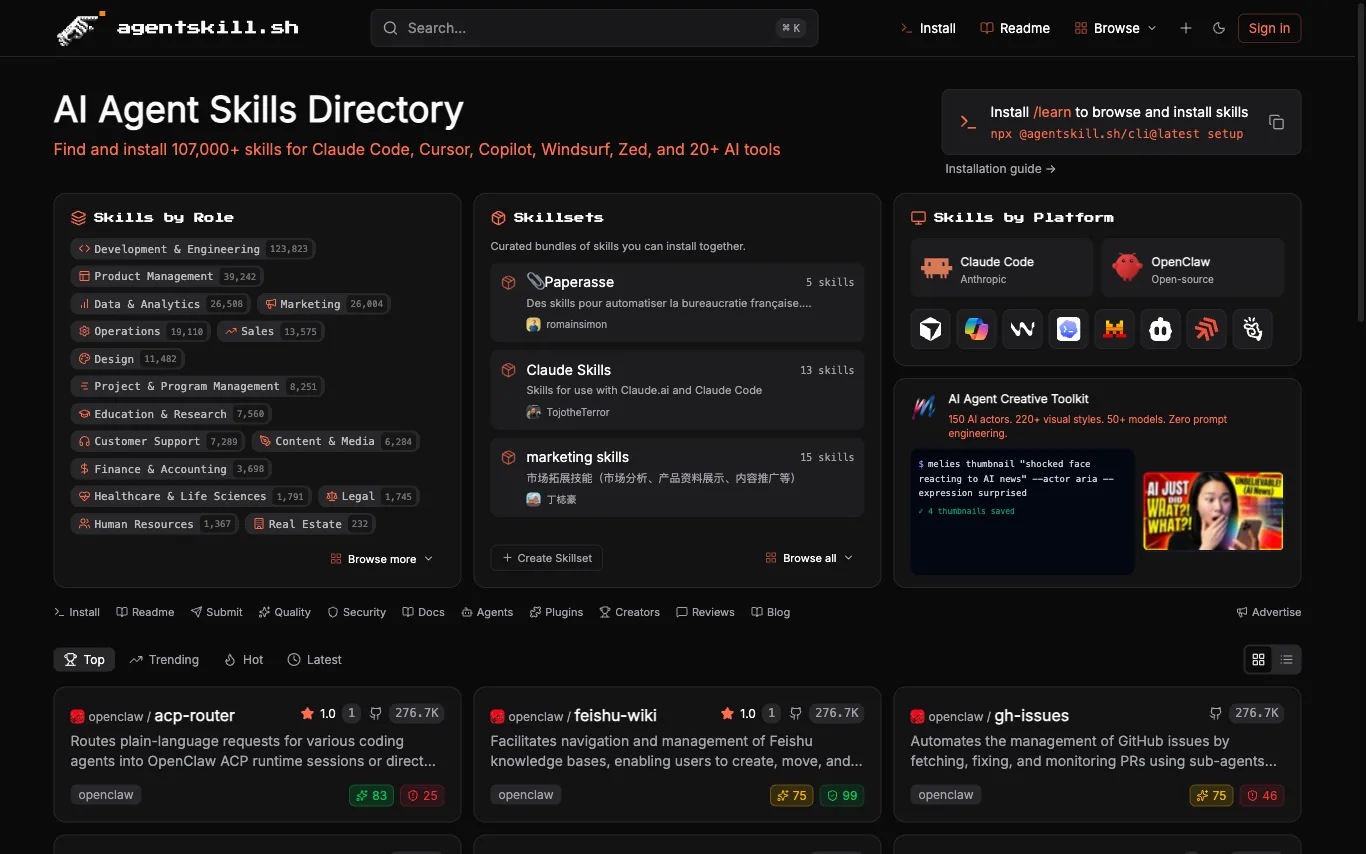

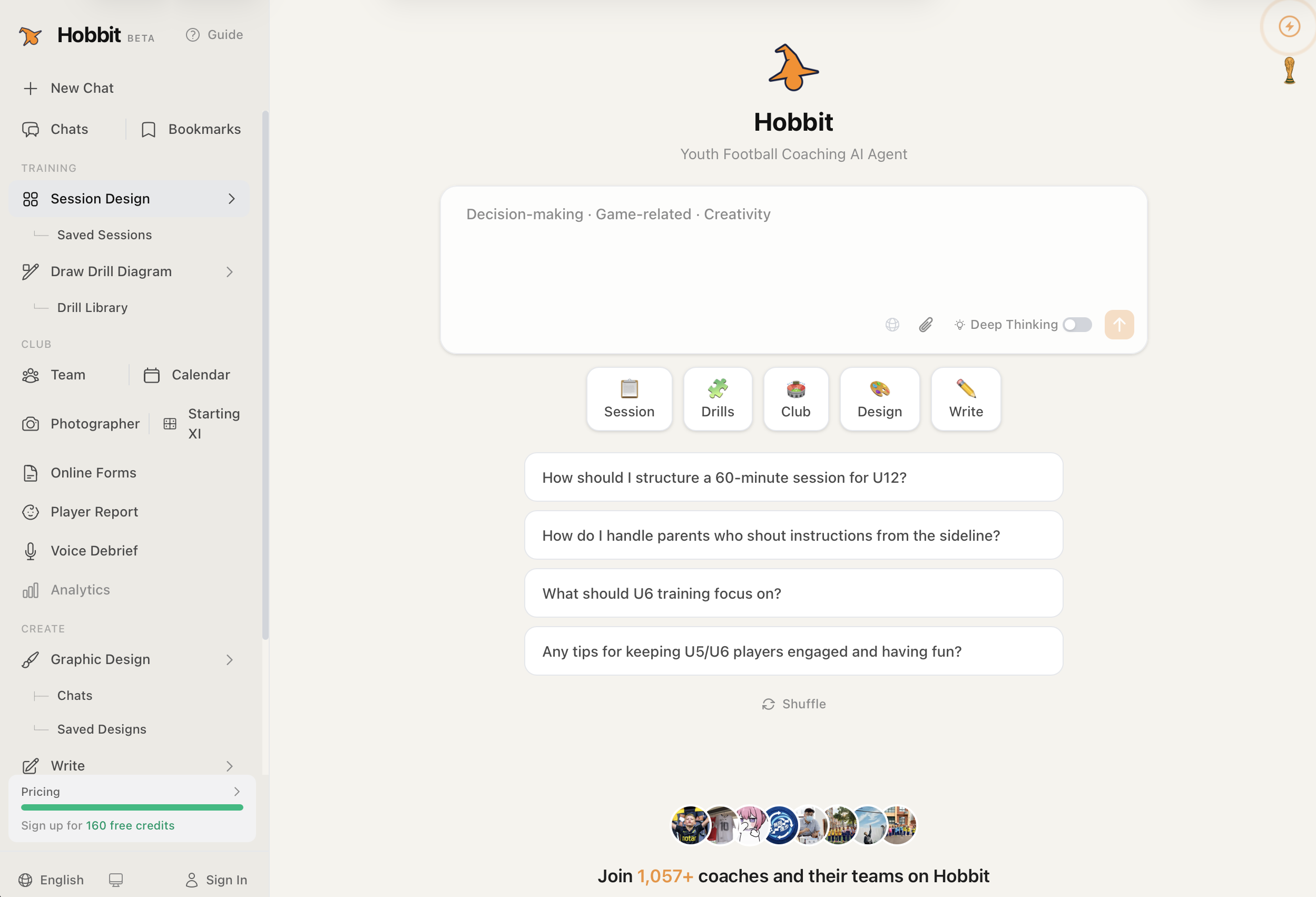
AgentSkill.sh is a cross-platform directory and marketplace for AI agent skills cataloguing over 107,000 skills across development, marketing, and data analytics roles, installable via CLI for any major AI coding tool.
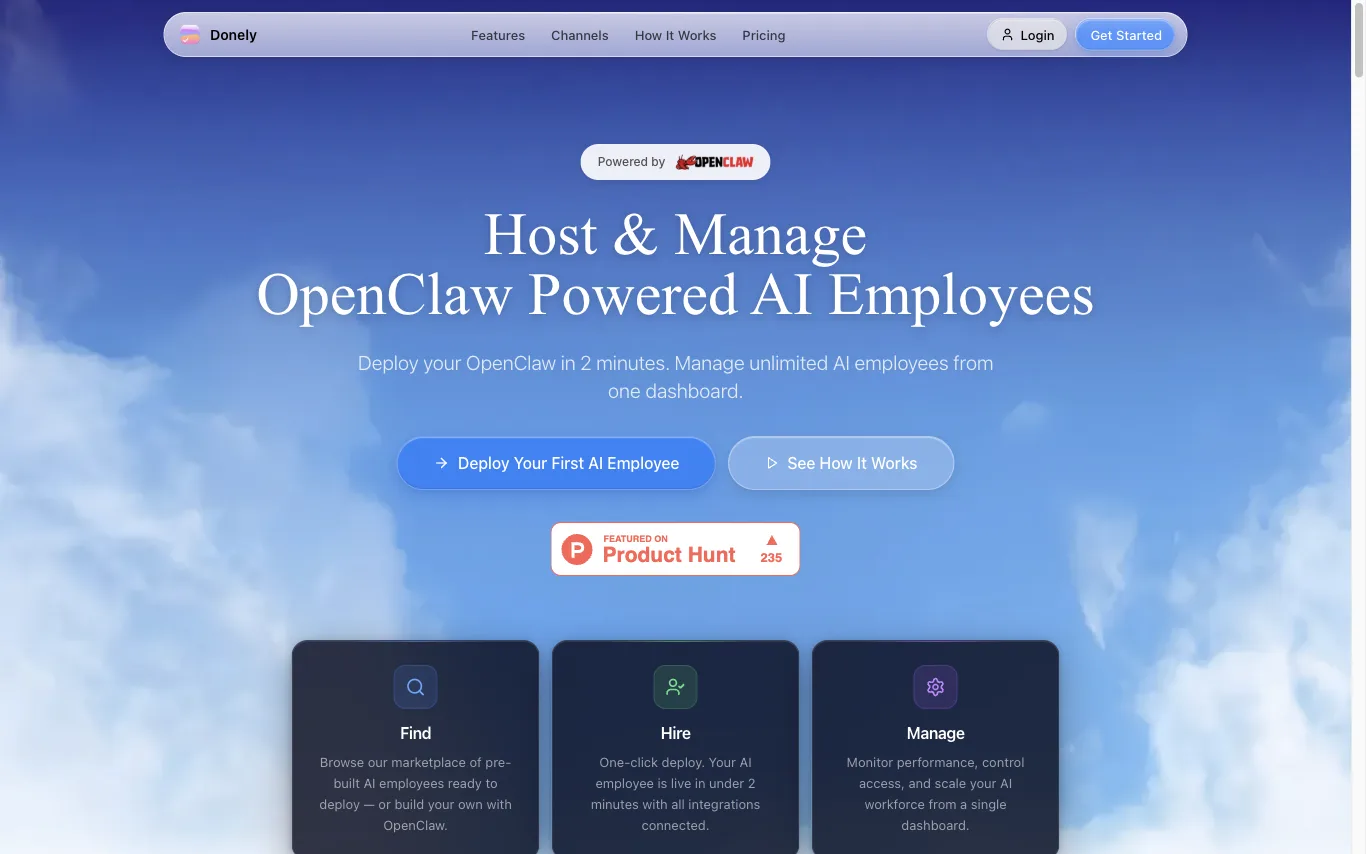


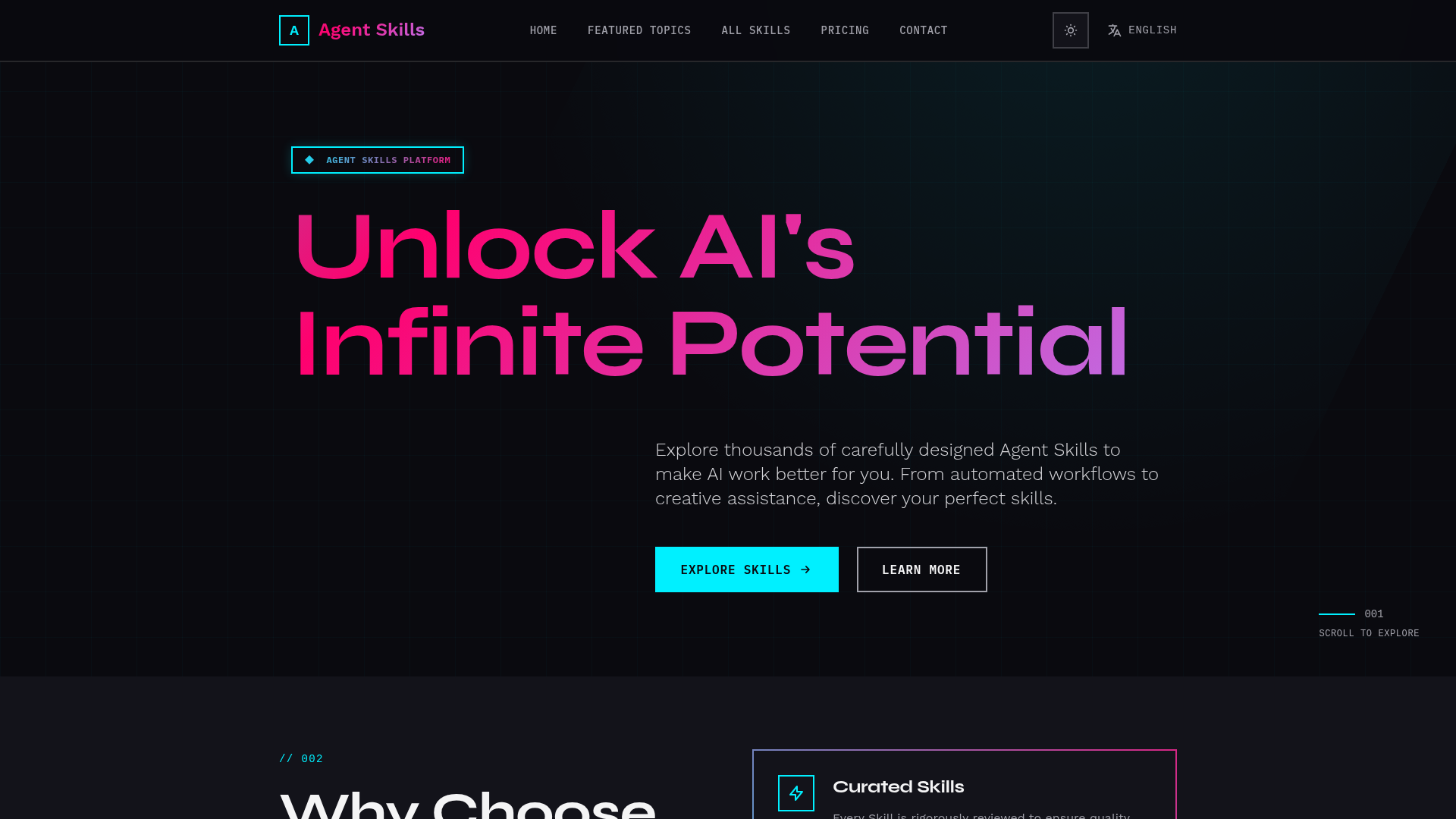

Explore thousands of carefully designed Agent Skills to make AI work better for you.


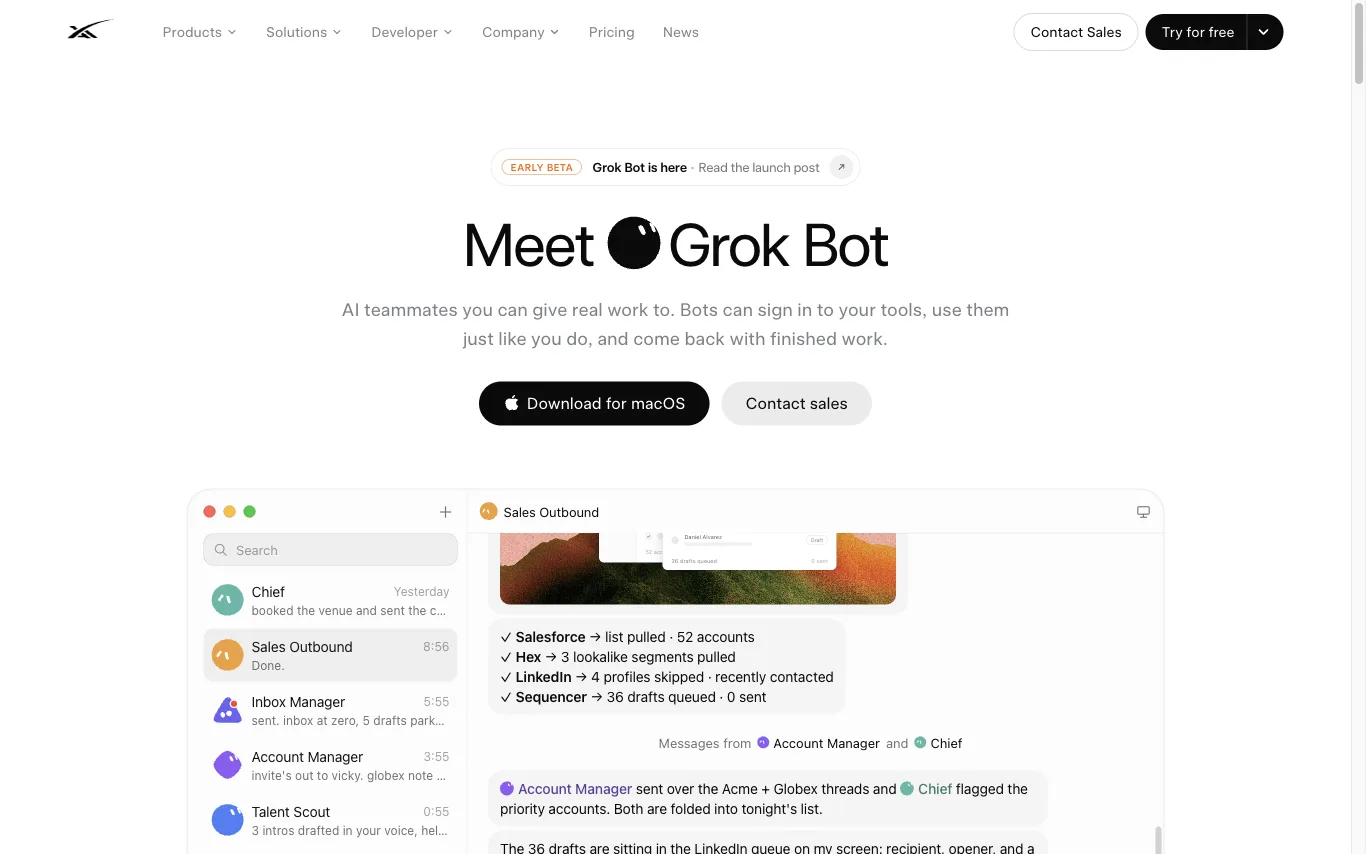

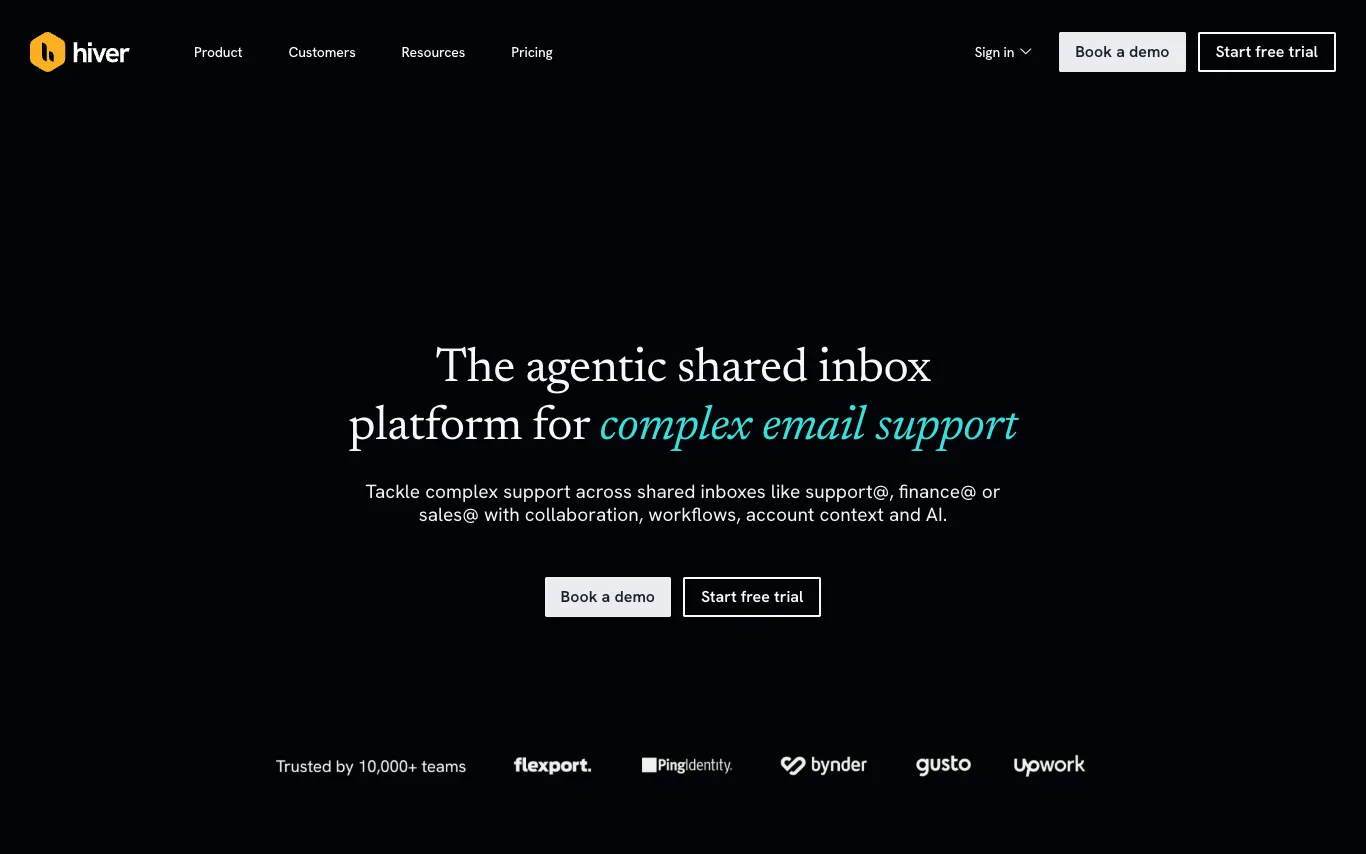

Hiver is an AI-native customer service platform designed for complex support. It unifies email, chat, Slack, voice, socials, and WhatsApp into one collaborative shared inbox with omnichannel ticketing. The platform includes AI Agents that execute procedures, integrate with tech stacks, and resolve across channels. It also offers AI Copilot for triage and drafting, AI Help Center that writes itself, and AI Insights for quality and customer health monitoring.
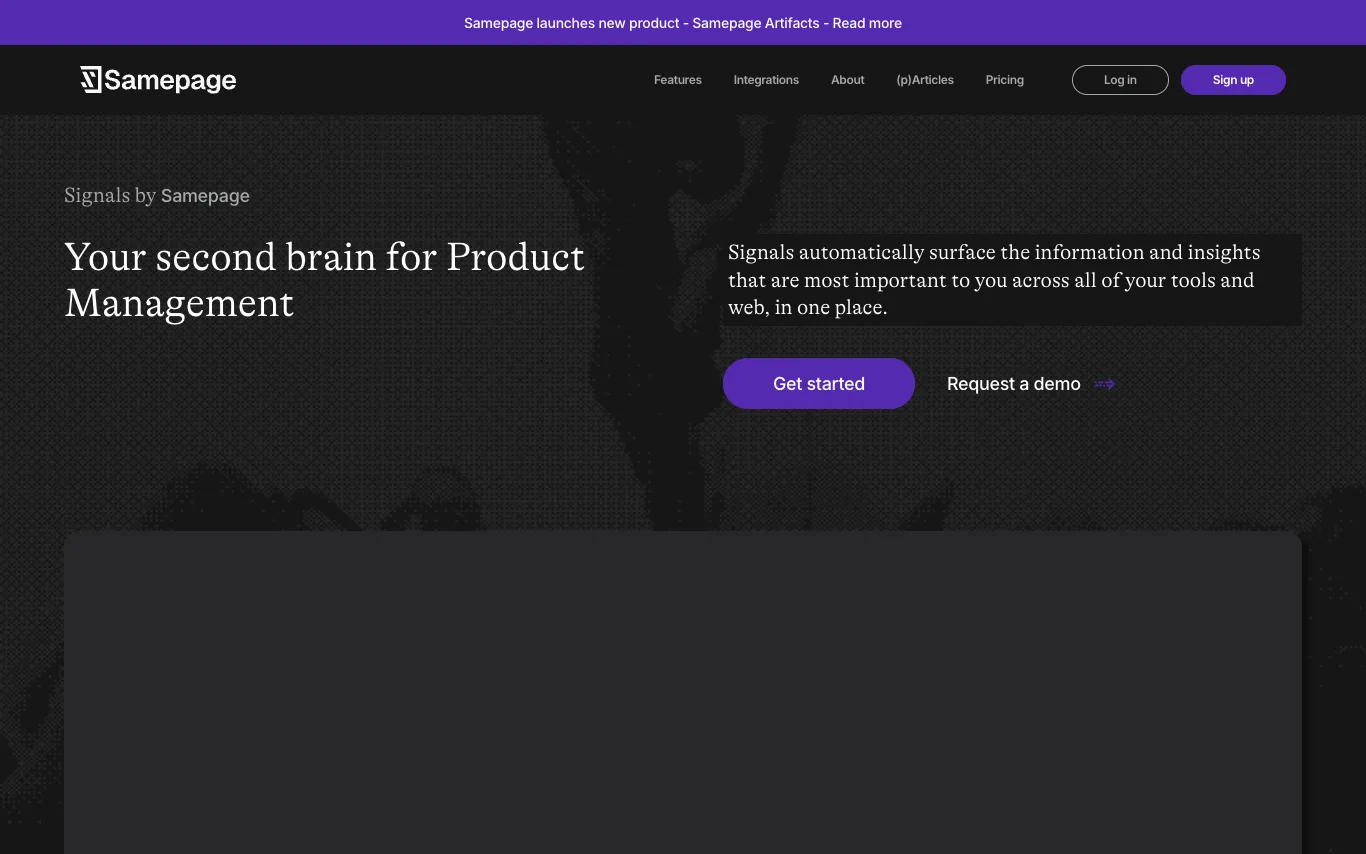

Signals by Samepage is a product management AI agent that automatically surfaces important information and insights from across your tools and the web, in one place. It synthesizes context, performs analysis, and connects insights to help product leaders stay informed. The platform integrates with critical workplace data sources like Slack, Jira, and Gong, and offers features such as automated signals, a context-aware agent, and secure data handling.
What is an AI agent?
An AI agent is a system built on a large language model that can pursue a goal over multiple steps on its own — planning, calling tools and APIs, browsing, running code, and reacting to results — instead of just answering one prompt. Agents range from ready-made assistants to platforms for building your own.
Core features to look for
- Multi-step planning toward a goal, not single replies
- Tool and API calling (search, code, browsers, apps)
- Memory and state across a task or session
- Autonomy with optional human-approval steps
- Build-your-own with no-code or an SDK/framework
- Multi-agent teams that delegate subtasks
Who uses AI agents, and how
Task automation
Automate research, data entry, outreach, and repetitive multi-step workflows end to end.
Coding agents
Plan, write, and edit across a codebase, run commands, and fix failures autonomously.
Build-your-own
Use no-code builders or SDKs to create agents wired to your own tools and data.
Customer & ops
Agents that resolve tickets, take actions, and coordinate across business apps.
How does an AI agent work?
An AI agent wraps a language model in a loop: it plans the next step, picks a tool or action, runs it, reads the result, and repeats until the goal is met. Access to tools, APIs, memory, and sometimes other agents is what turns a chat model into something that acts, not just answers.