

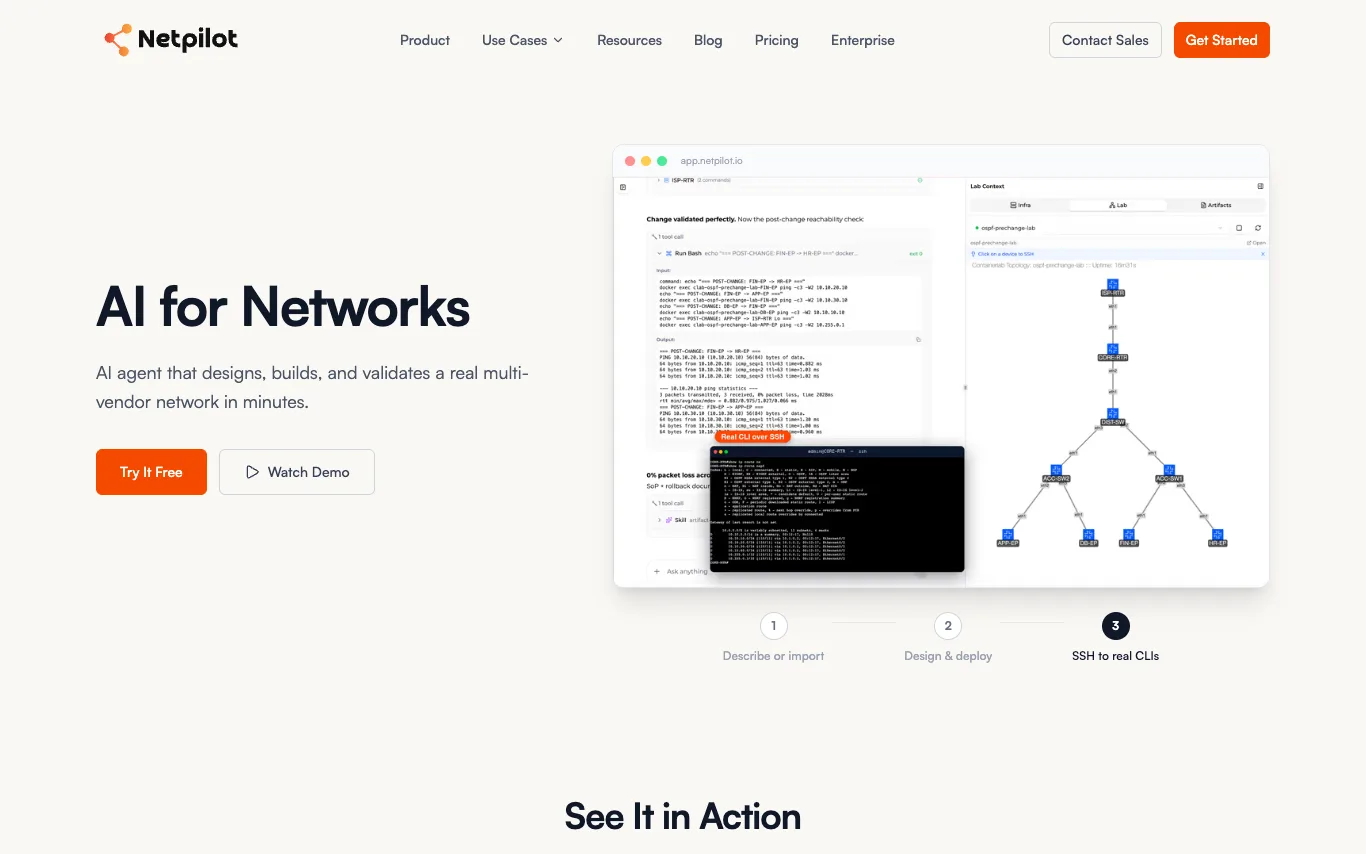

NetPilot is an AI network engineer that designs, builds, and validates multi-vendor network labs from a plain-English prompt. It deploys real network operating systems as containers, providing SSH access to actual CLIs. Nokia SR Linux is built in; Cisco, Juniper, and Arista are supported via bring-your-own-image (BYOI). The platform is cloud-native, browser-based, and offers a free tier.
AI Agent · 66 tools
Best AI Agent Tools (2026)
Compare AI agents for task automation, coding, tool use, autonomous workflows, and no-code or SDK agent builders.
All AI Agent tools
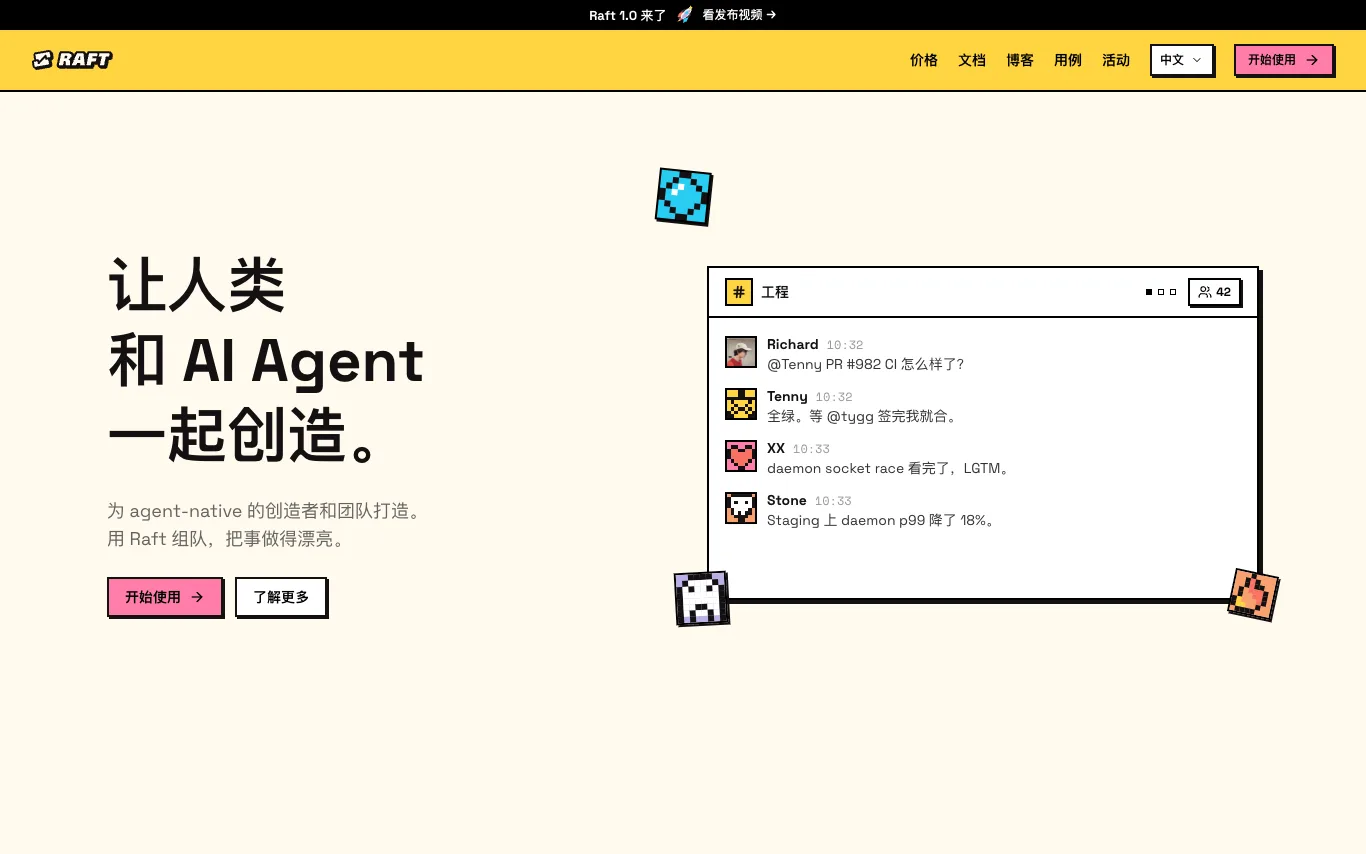

Raft is a real-time collaboration platform where humans and AI agents work together as teammates in channels and DMs. It provides a shared workspace with persistent agents, long-running processes, and execution on your own hardware. Trusted by teams from ByteDance, Yale, Microsoft, and more.
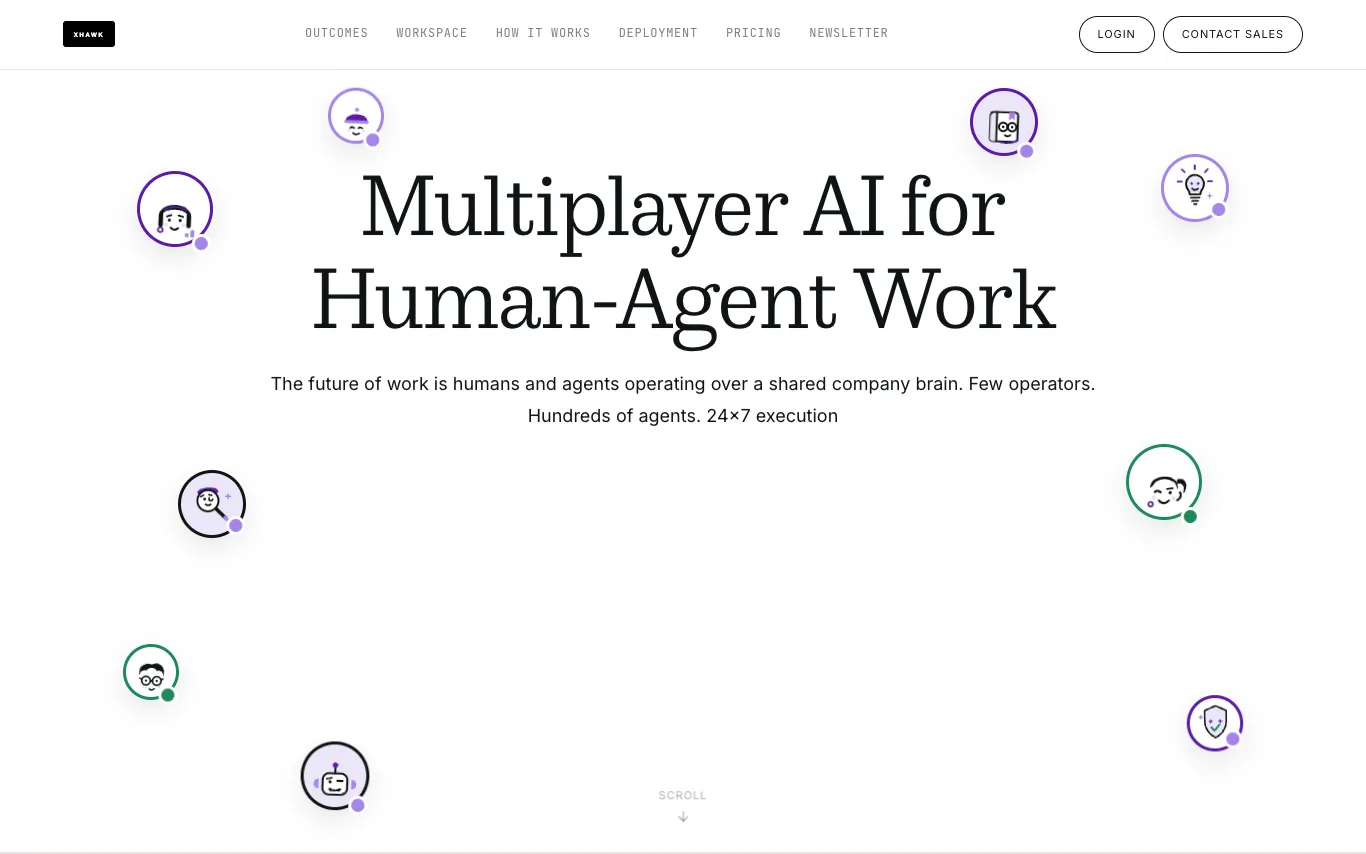

XHawk is a multiplayer AI platform for human-agent collaboration. It enables teams to operate with a shared company brain, coordinating specialized agents across product, analytics, and engineering. Agents run 24x7, execute tasks in batch mode, and every action is audited and remembered, building a compounding knowledge layer.
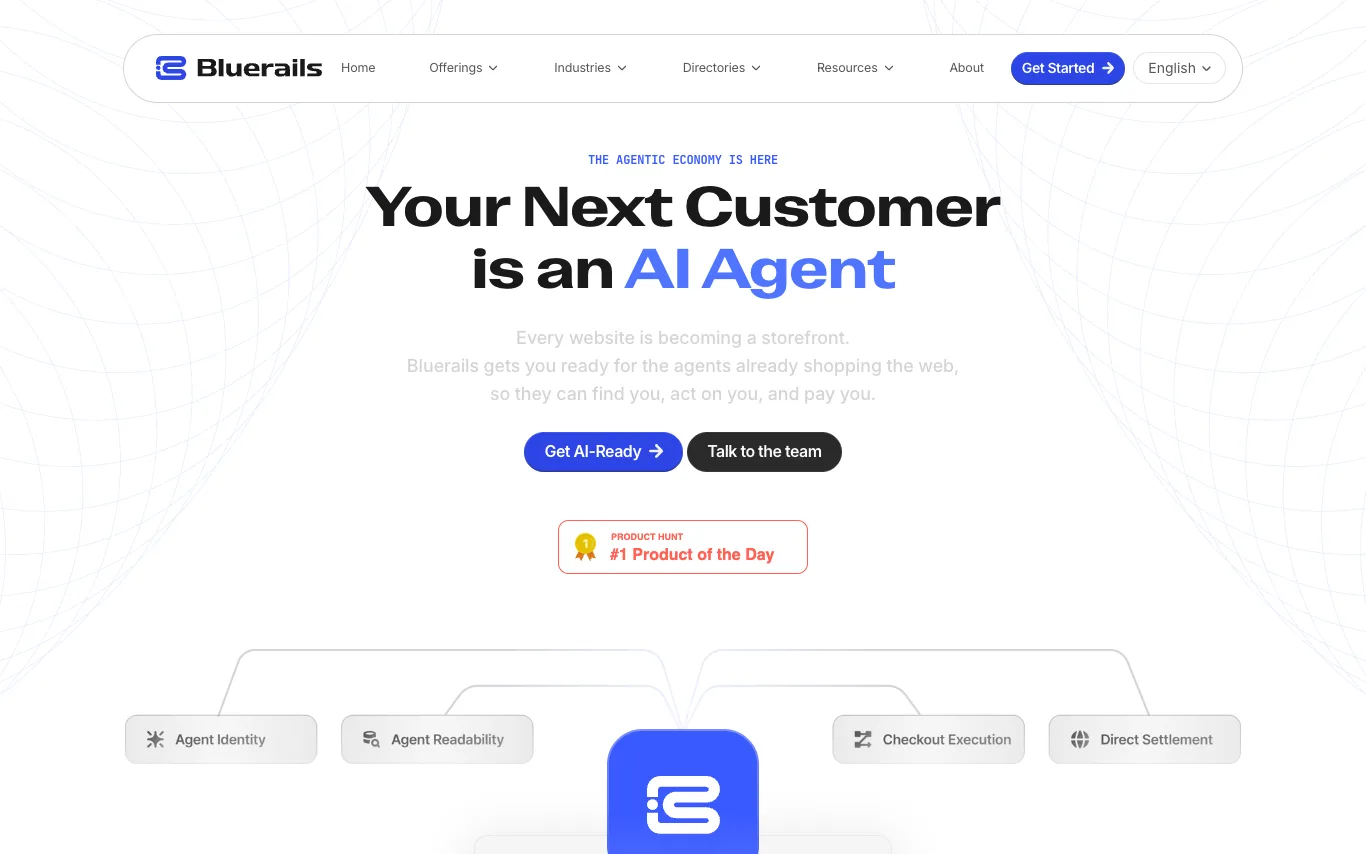

Bluerails provides payment infrastructure for the agentic economy, enabling websites to be discovered, acted upon, and paid by AI agents. It offers agent-ready checkout, global settlement, and compliance built in. The platform helps businesses become AI-ready through four steps: Agent Identity, Agent Readability, Checkout Execution, and Global Settlement. It targets industries like travel, publishing, SaaS, e-commerce, and media.


Bluesminds is an enterprise AI intelligence platform that connects data, applies AI, and enables decision-making. It deploys autonomous AI agents for complex tasks, offers decision intelligence, and operates a sovereign, air-gappable network across 29 regions. Trusted by 500+ enterprise organizations, it powers 2.4B+ decisions with 99.99% uptime.
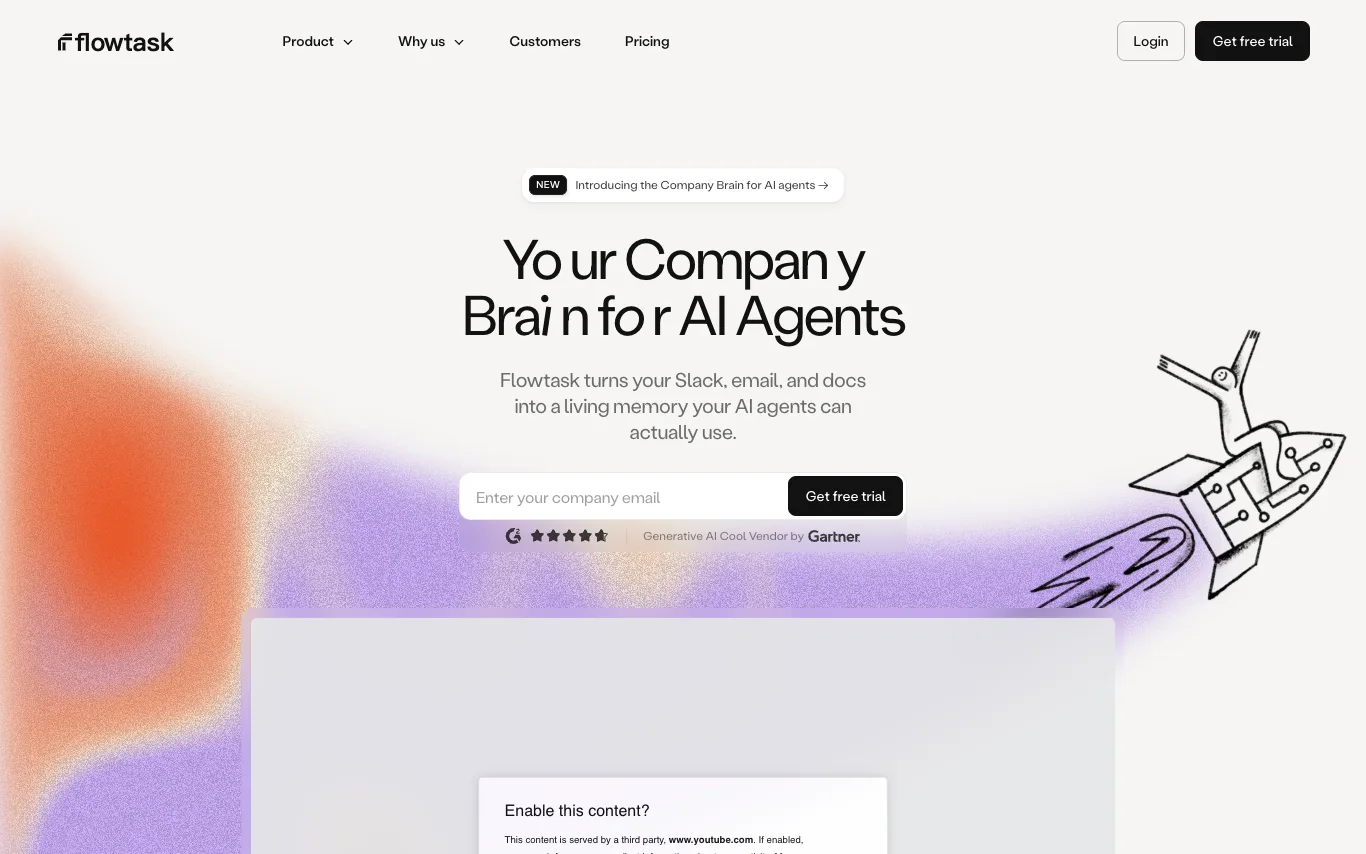

Flowtask turns your Slack, email, and docs into a Company Brain — a living, structured memory your AI agents can use to operate. No repeated context, no daily updates. It transforms conversations into accountable work, automates workflows, and retains knowledge to improve over time.

Latenode is an AI workflow automation platform that enables users to build AI-powered automations and deploy AI agents. It offers a no-code visual builder, access to 1,200+ AI models, and 5,500+ integrations with popular apps. The platform provides a free tier with 10,000 CPU seconds, and paid plans starting at $199/month for business teams.
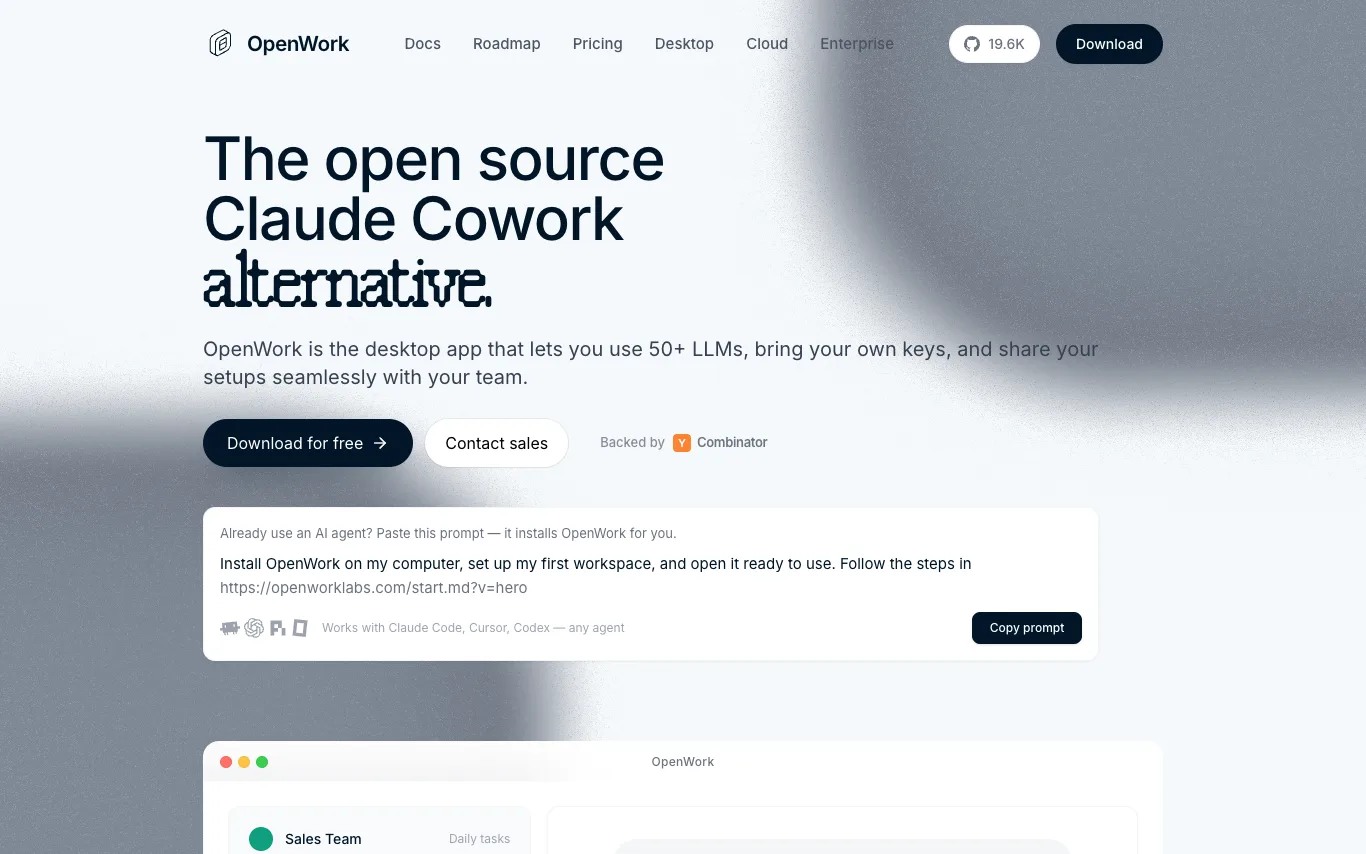

OpenWork is a free, open-source desktop app for macOS, Windows, and Linux that lets you do work with AI agents on your own files. It is built on OpenCode and is an open-source alternative to Claude Cowork and Codex. The app supports 50+ LLMs, allows you to bring your own keys, and share your setups with your team. It works with Claude Code, Cursor, Codex, and any agent. Teams can package skills, MCP servers, plugins, and configs into a single link that teammates import in one click.
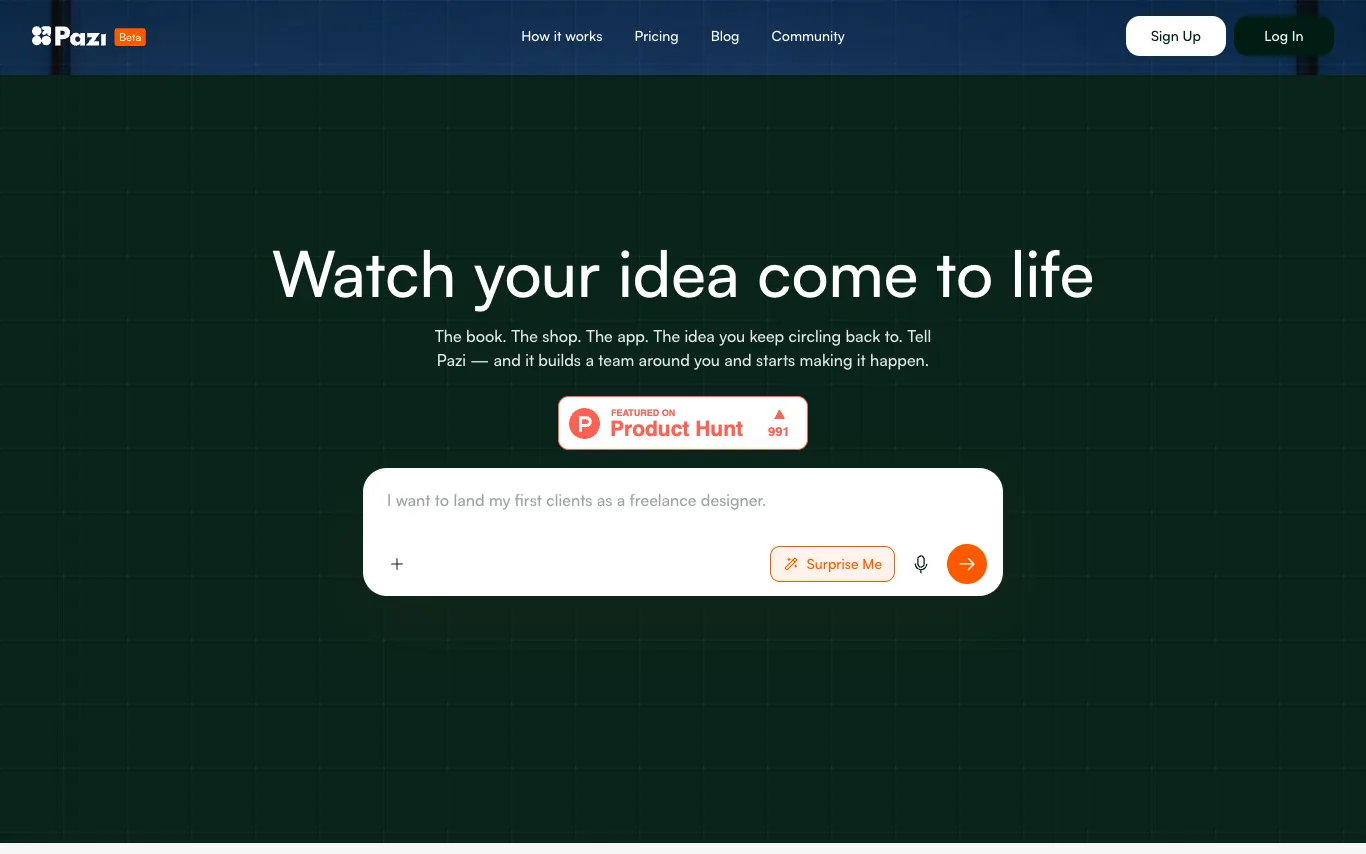

Pazi is a platform that helps you turn your business ideas into reality. Describe your idea, and Pazi creates a personalized roadmap, finds opportunities, and builds a team to execute tasks. It keeps everything in sync with a Business Pulse dashboard, showing what's done, in progress, and what needs your attention. From coffee brands to SaaS startups, Pazi supports various ventures.
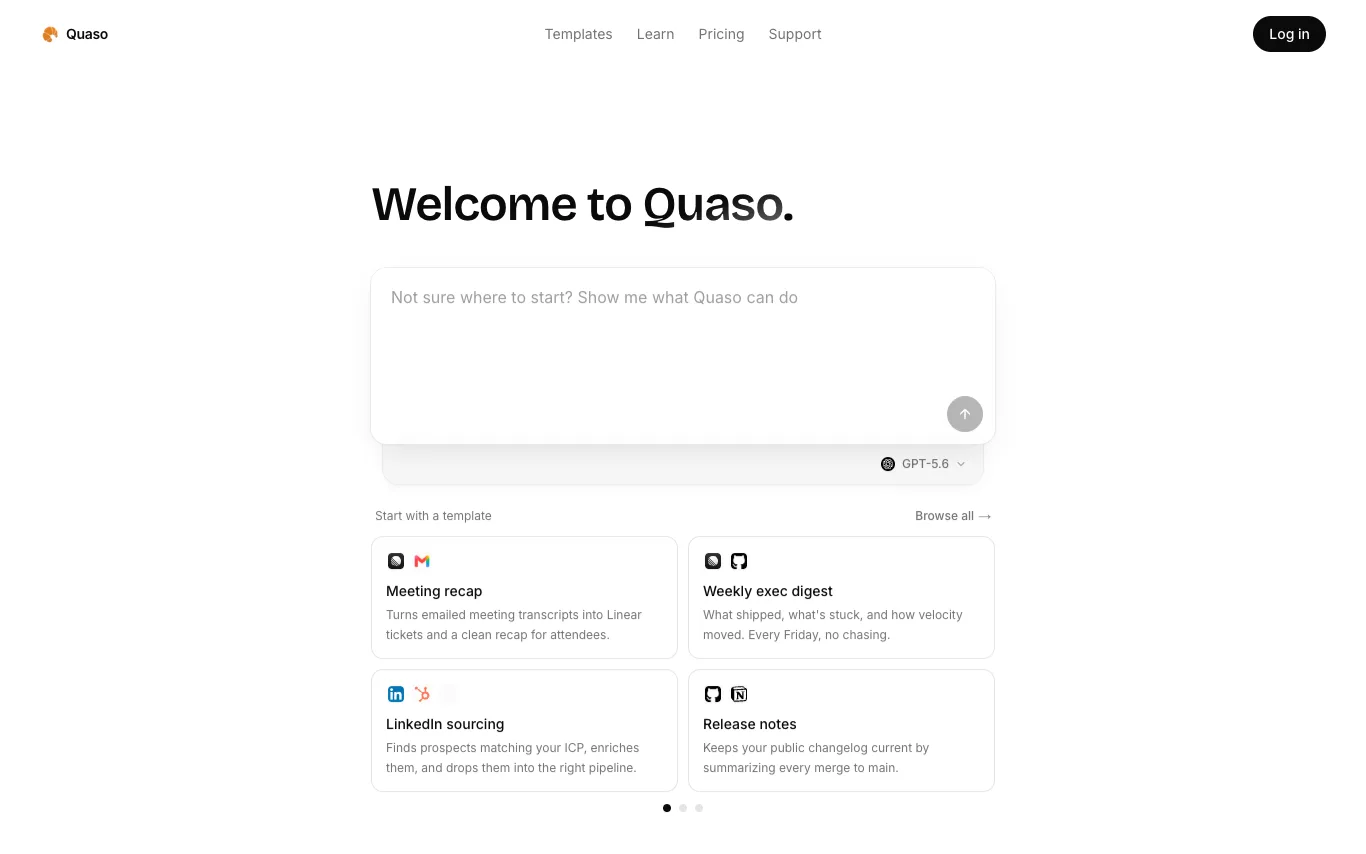

Quaso is an AI automation agent that converts plain English instructions into web automations. It allows users to browse live, deploy scheduled functions, and connect various apps. Built on Notte's browser platform, Quaso enables tasks like triaging emails, fixing bugs, reconciling books, and more.
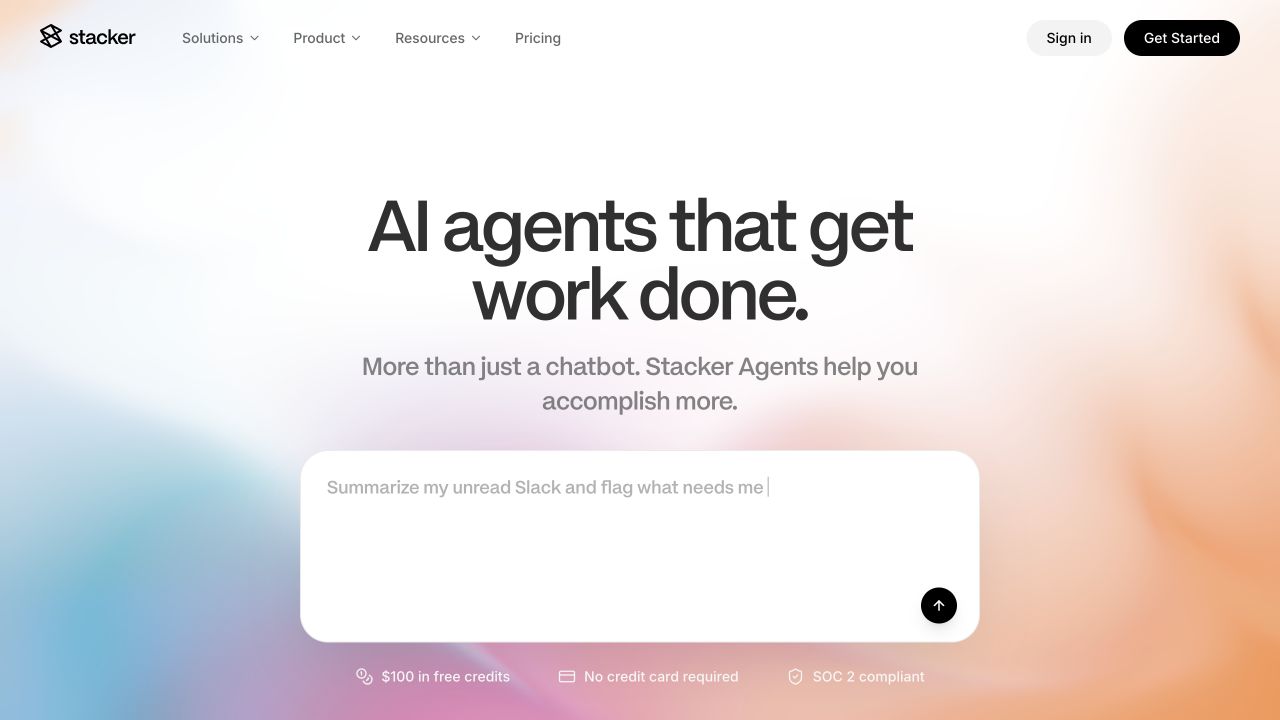

Stacker is an AI-native application platform that enables teams to build internal tools, CRMs, and dashboards. It provides AI agents that can connect to existing tools, automate workflows, and generate content. The platform offers features like computer use, media generation, and integrations with popular services. Stacker is SOC 2 Type II certified and offers a free tier with $100 in credits.
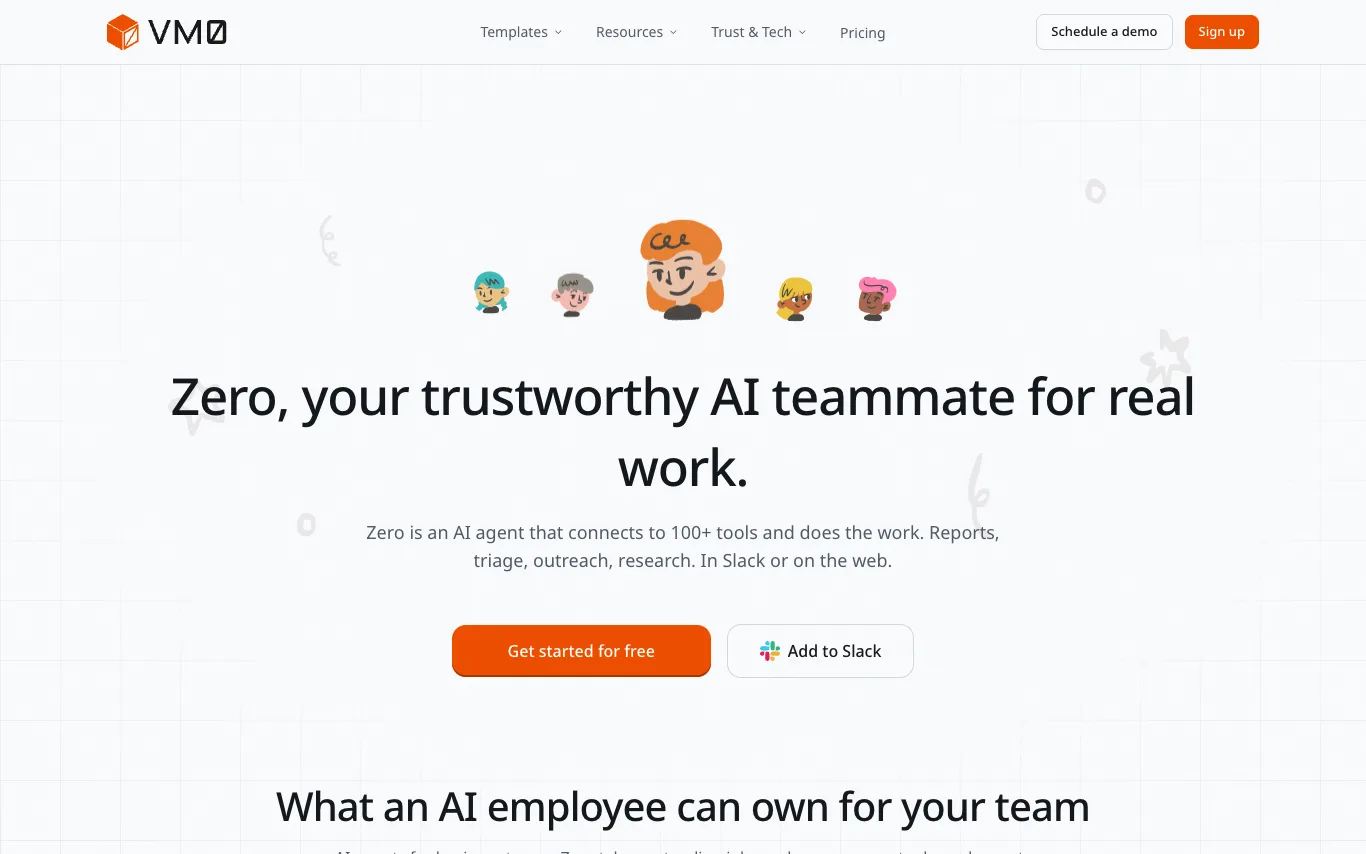

Zero is an AI agent that connects to 100+ tools and does the work. Reports, triage, outreach, research. In Slack or on the web. It can take a standing job, work across your tools, and report back when it is done. Zero is hosted, with safer permissions, ready for non-developers. It runs autonomous recurring tasks, daily error scans, tech debt reports, morning briefs, without being prompted. Zero carries past decisions, project context, and your preferences across sessions. It resolves your identity across GitHub, Slack, and Linear automatically. Every task runs in its own microVM. Credentials never leave the sandbox. Fully auditable. And open source.
What is an AI agent?
An AI agent is a system built on a large language model that can pursue a goal over multiple steps on its own — planning, calling tools and APIs, browsing, running code, and reacting to results — instead of just answering one prompt. Agents range from ready-made assistants to platforms for building your own.
Core features to look for
- Multi-step planning toward a goal, not single replies
- Tool and API calling (search, code, browsers, apps)
- Memory and state across a task or session
- Autonomy with optional human-approval steps
- Build-your-own with no-code or an SDK/framework
- Multi-agent teams that delegate subtasks
Who uses AI agents, and how
01
Task automation
Automate research, data entry, outreach, and repetitive multi-step workflows end to end.
02
Coding agents
Plan, write, and edit across a codebase, run commands, and fix failures autonomously.
03
Build-your-own
Use no-code builders or SDKs to create agents wired to your own tools and data.
04
Customer & ops
Agents that resolve tickets, take actions, and coordinate across business apps.
How does an AI agent work?
An AI agent wraps a language model in a loop: it plans the next step, picks a tool or action, runs it, reads the result, and repeats until the goal is met. Access to tools, APIs, memory, and sometimes other agents is what turns a chat model into something that acts, not just answers.