

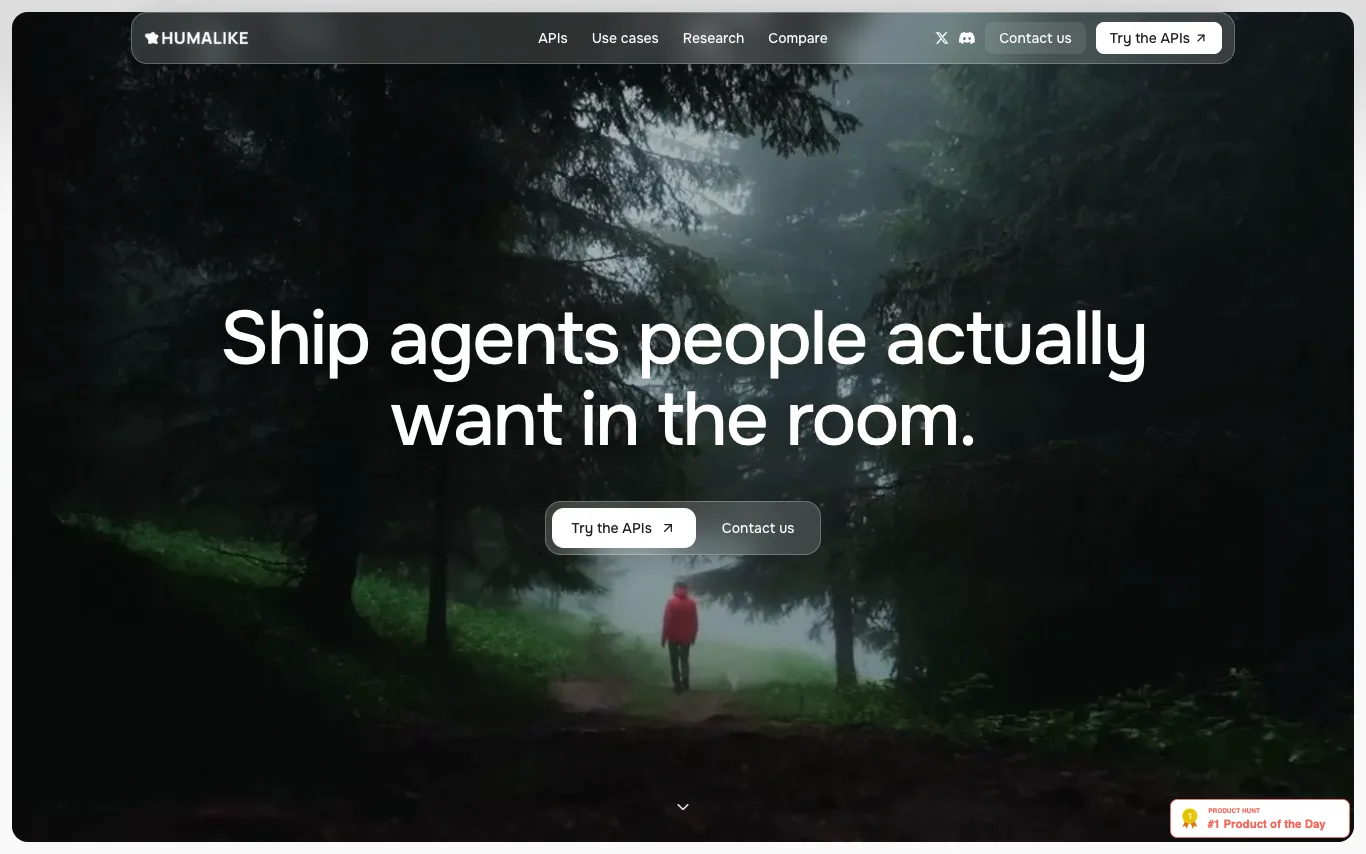

Humalike provides behavioral infrastructure for humanlike AI agents, offering APIs, models, and benchmarks. It includes seven behavioral components—turn-taking, norms, persona, theory of mind, social observability, social memory, and social signals—that are model, use-case, and stack agnostic. These components are designed for both 1:1 and group interactions, enabling agents to feel human in various scenarios such as gaming, coworking, therapy, companionship, education, humanoids, and communities. Humalike emphasizes trust with SOC 2 Type II and ISO 27001 compliance in progress, and offers a free tier with $20 in credits for new accounts.
AI Agent · 66 tools
Best AI Agent Tools (2026)
Compare AI agents for task automation, coding, tool use, autonomous workflows, and no-code or SDK agent builders.
All AI Agent tools
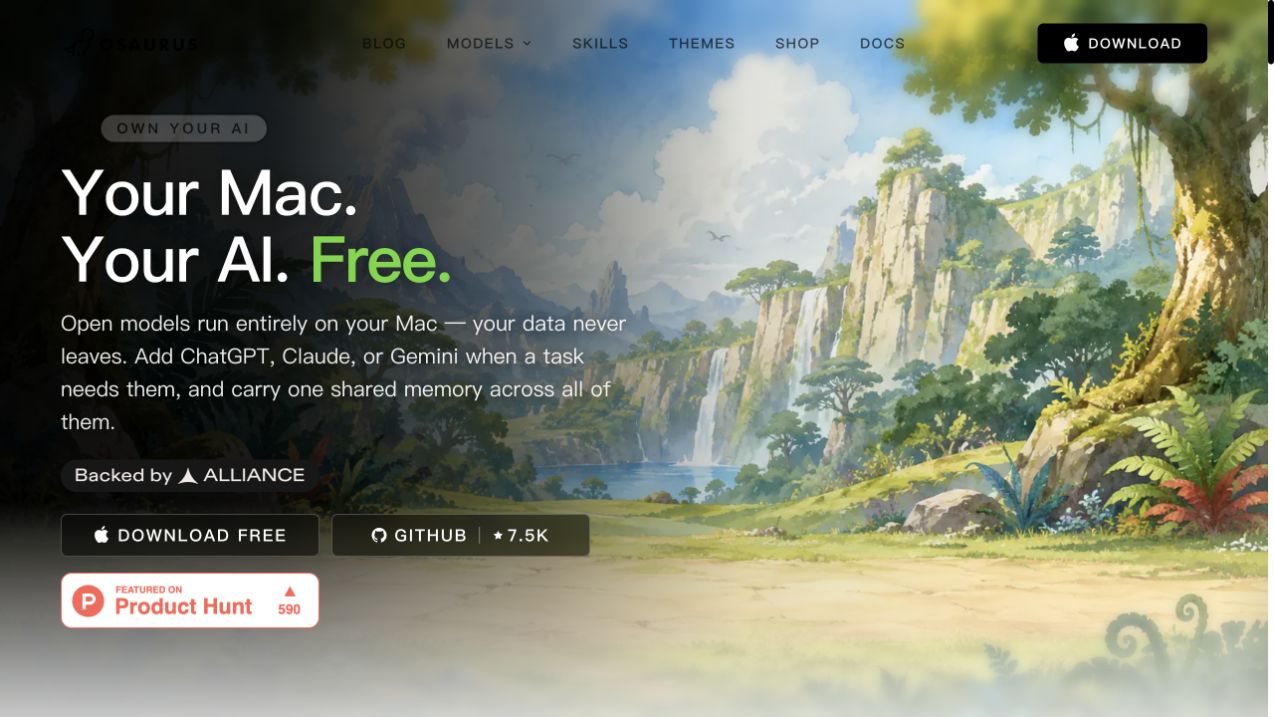

Osaurus is a native macOS harness for AI agents, built in Swift and fully open source under the MIT license. It allows users to run open models locally on Apple Silicon, ensuring privacy and offline functionality. Users can also connect cloud models like ChatGPT, Claude, or Gemini when needed, with a shared memory across all models. The app supports autonomous agents, file reading/writing, and tool execution, all without sending data to servers.
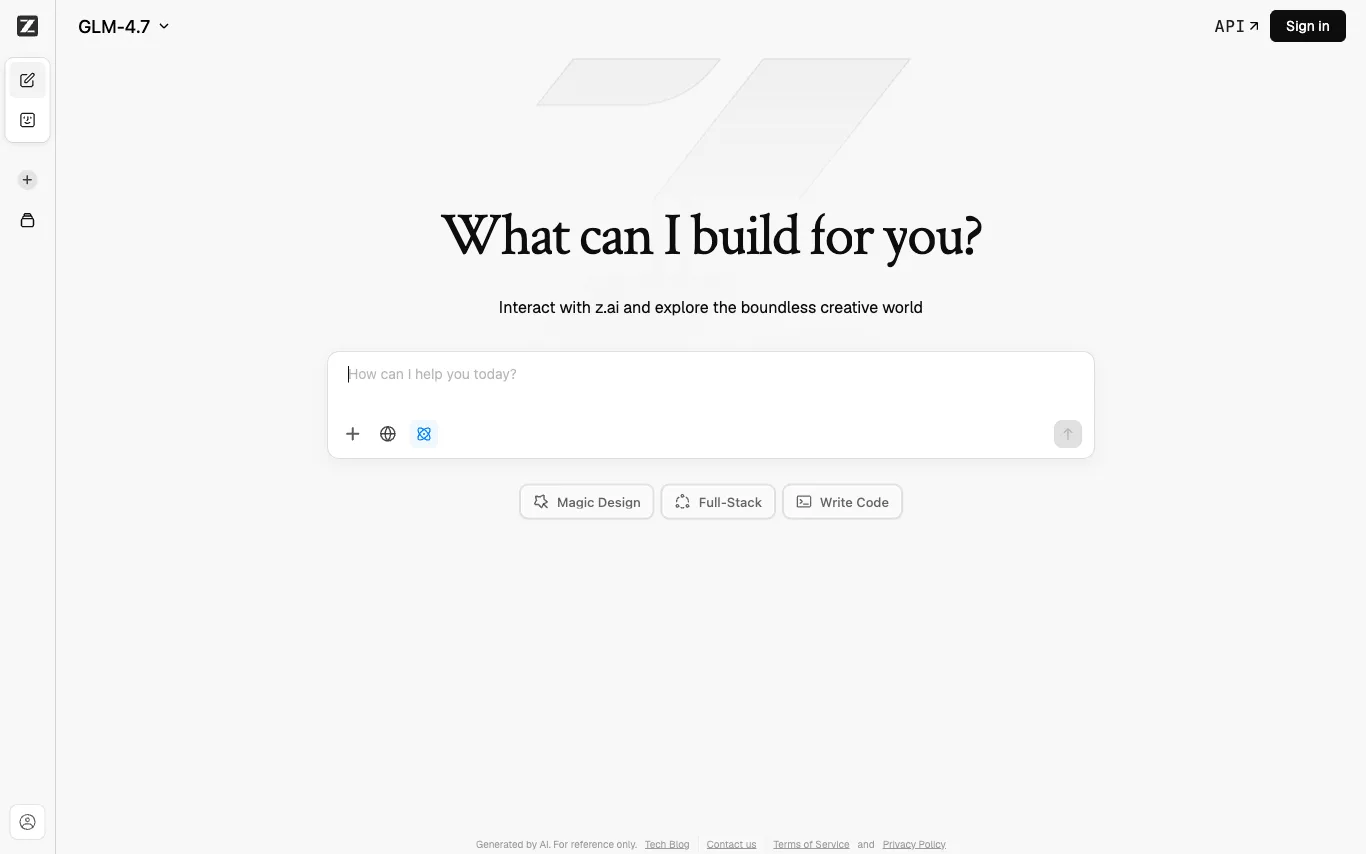

Z.ai is an advanced AI chatbot and agent platform powered by GLM-5.2, offering free chat with no login required. It handles long-horizon tasks including full-stack code generation, AI-powered slide creation (Magic Design), and deep research. An API is available for developers to integrate GLM models into their own applications.
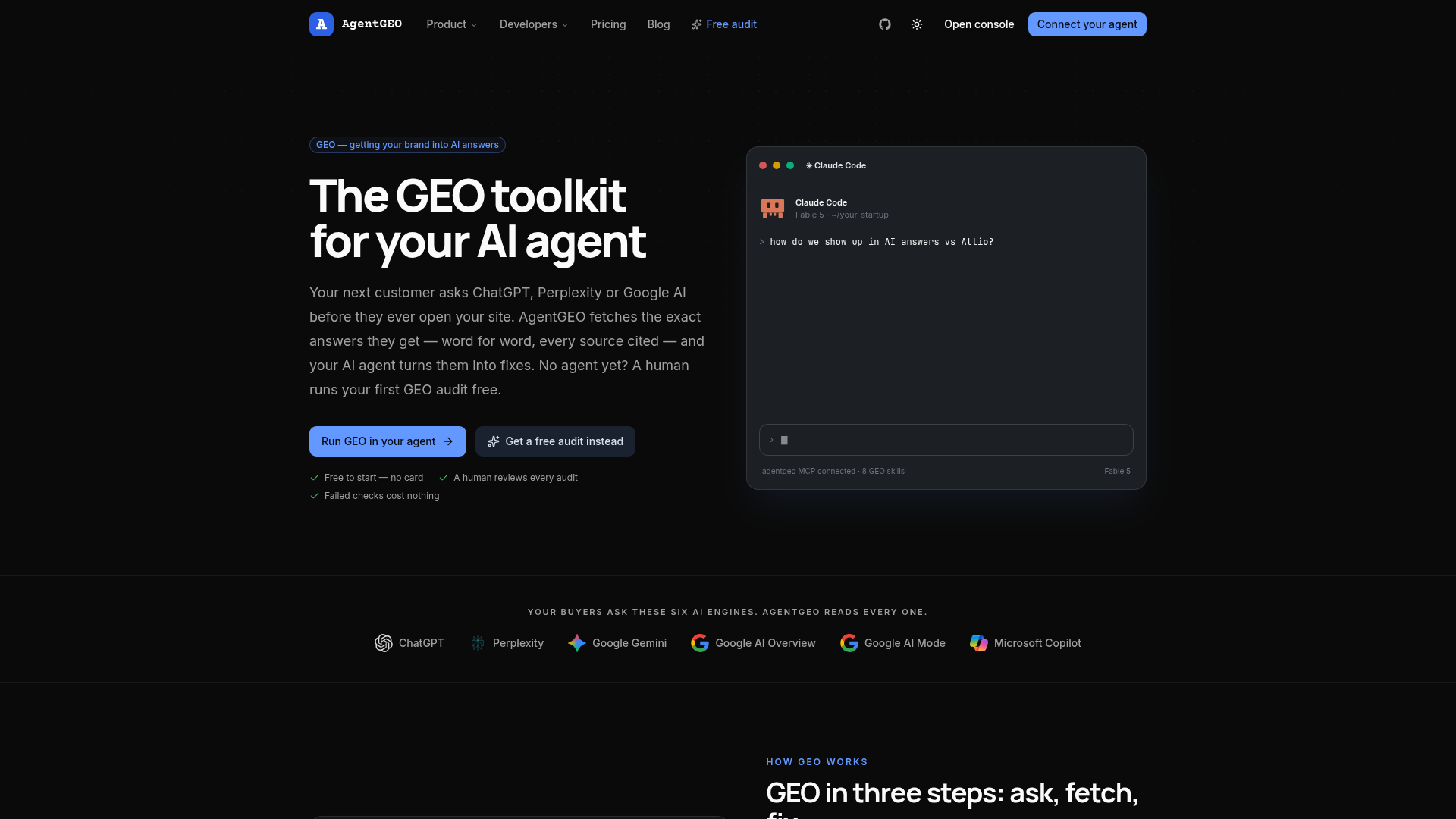


AI-guided tarot readings with reflective spreads, yes/no answers, card meanings, and a private journal.
What is an AI agent?
An AI agent is a system built on a large language model that can pursue a goal over multiple steps on its own — planning, calling tools and APIs, browsing, running code, and reacting to results — instead of just answering one prompt. Agents range from ready-made assistants to platforms for building your own.
Core features to look for
- Multi-step planning toward a goal, not single replies
- Tool and API calling (search, code, browsers, apps)
- Memory and state across a task or session
- Autonomy with optional human-approval steps
- Build-your-own with no-code or an SDK/framework
- Multi-agent teams that delegate subtasks
Who uses AI agents, and how
01
Task automation
Automate research, data entry, outreach, and repetitive multi-step workflows end to end.
02
Coding agents
Plan, write, and edit across a codebase, run commands, and fix failures autonomously.
03
Build-your-own
Use no-code builders or SDKs to create agents wired to your own tools and data.
04
Customer & ops
Agents that resolve tickets, take actions, and coordinate across business apps.
How does an AI agent work?
An AI agent wraps a language model in a loop: it plans the next step, picks a tool or action, runs it, reads the result, and repeats until the goal is met. Access to tools, APIs, memory, and sometimes other agents is what turns a chat model into something that acts, not just answers.