


Profound is a full-stack marketing platform that helps brands gain visibility in AI-generated answers. It enables marketers to monitor, create, and operate AI-optimized content across answer engines like ChatGPT, Perplexity, and Gemini. With features like Answer Engine Insights, Prompt Volumes, Agents, and Agent Analytics, Profound provides tools to understand AI search demand, track brand representation, and automate content creation. The platform aims to help brands stay competitive in the zero-click world where AI answers dominate.
AI Content Creator · 32 tools
Best AI Content Creator Tools (2026)
Compare AI content creators for blog posts, SEO articles, social media, ad copy, product descriptions, and email — from a quick brief to publish-ready drafts.
All AI Content Creator tools



AthenaHQ is a leading AEO & GEO platform trusted by commercial & enterprise businesses to become the answer AI gives and the brand AI trusts. It provides tools for AI search optimization, including tracking brand mentions across 8+ major LLMs, identifying content gaps, and monitoring competitor visibility. The platform supports various use cases for AEO/GEO managers, CMOs, SEO professionals, PR teams, content marketers, and brand marketers.
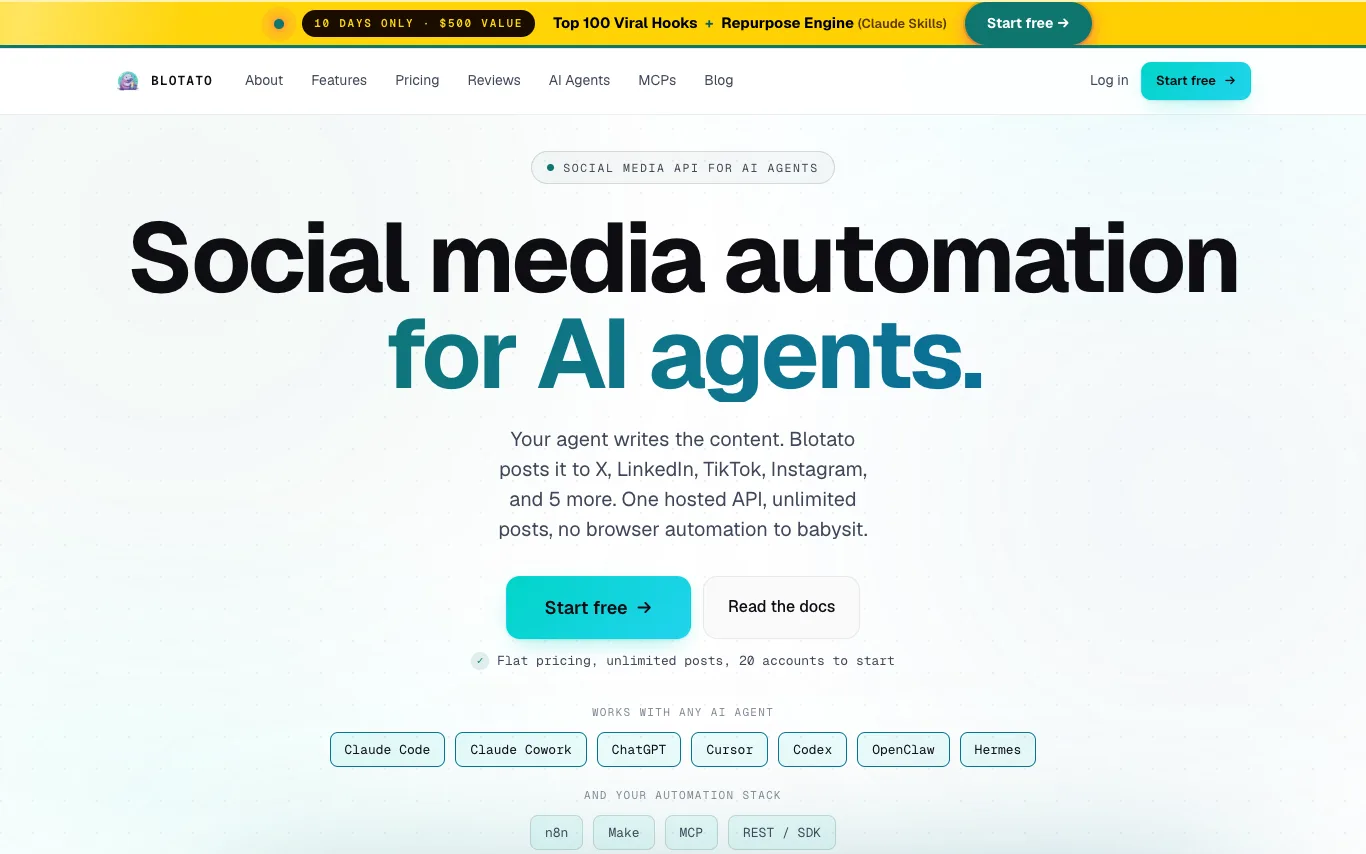

Blotato is an AI-powered social media automation platform with a native API and MCP. It allows users to create, schedule, and publish content to multiple platforms like X, LinkedIn, TikTok, Instagram, and more. The platform offers features such as viral templates, an AI writer trained on viral posts, repurposing tools, visual engine for carousels and faceless videos, cross-posting, AI coach, calendar, and API/MCP integration. It integrates with AI agents like Claude, ChatGPT, and automation tools like n8n and Make.
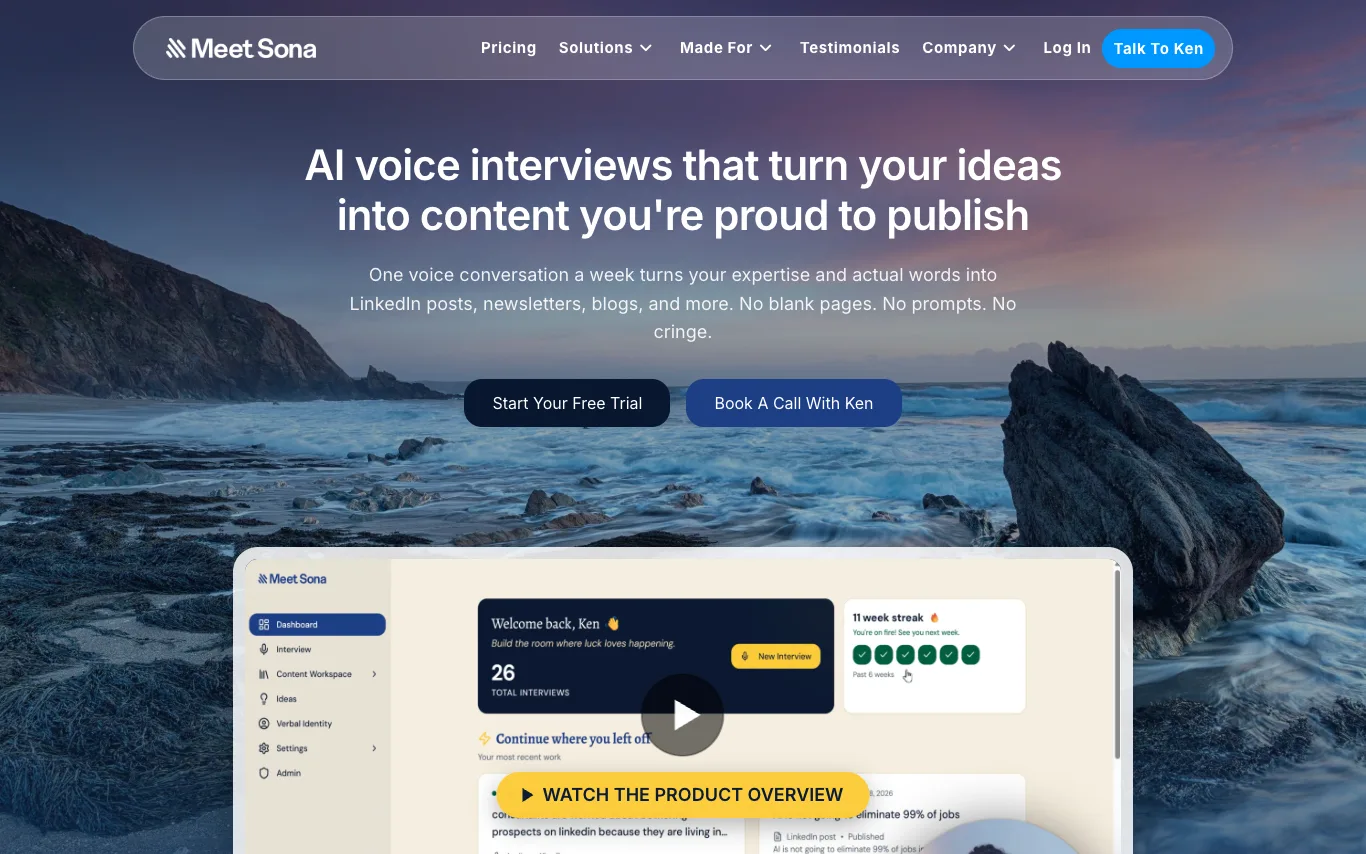

Meet Sona is an AI content creation tool that uses guided voice interviews to help consultants, coaches, and founders create authentic LinkedIn posts, blogs, and newsletters. It captures your real words and turns them into publishable content, avoiding the generic output of traditional AI tools.
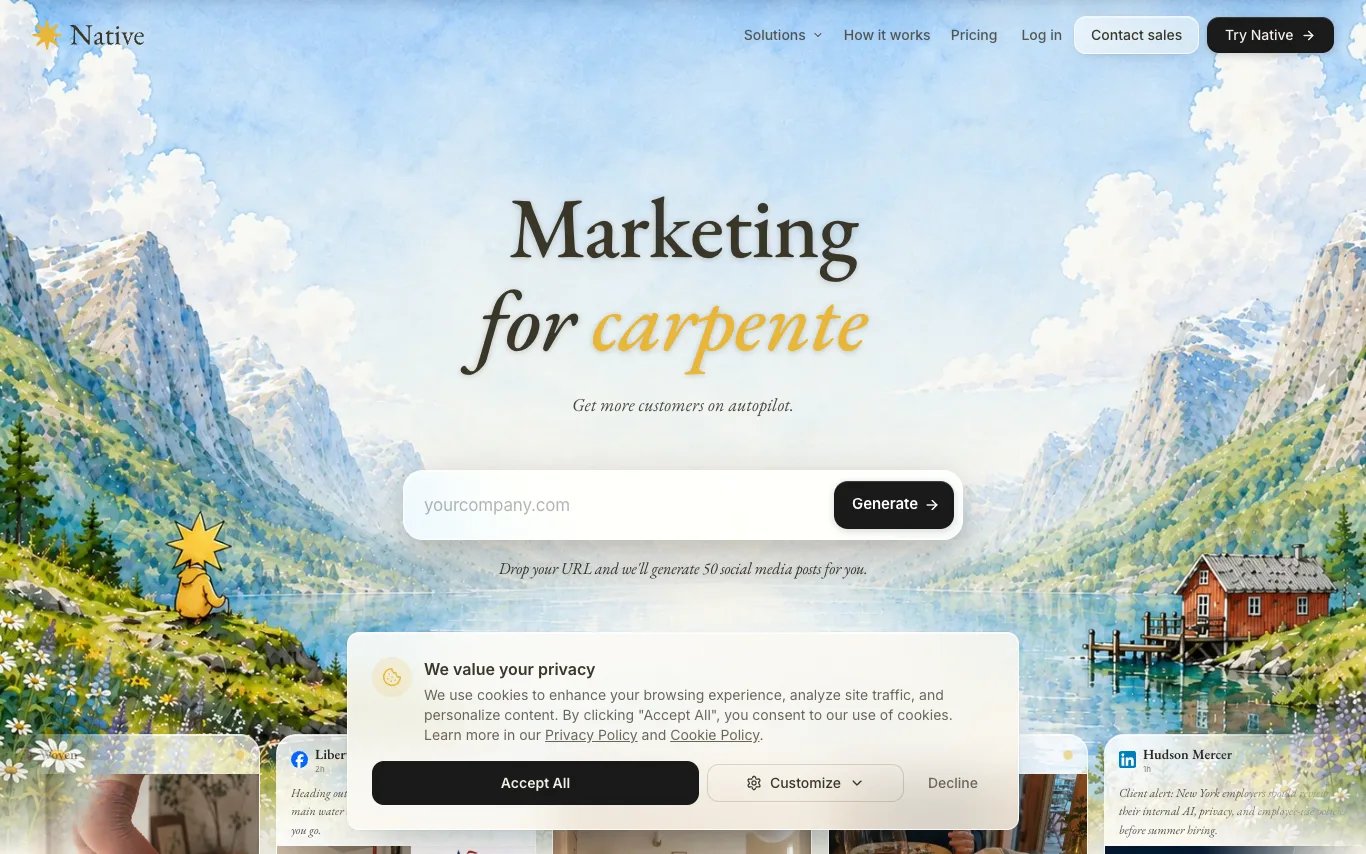

Native is an AI-powered marketing tool that automates social media content creation and publishing. Users provide their website URL, and Native researches their business, industry, and competitors to generate tailored posts. The platform supports multiple channels including Facebook, Instagram, and LinkedIn, and offers auto-publishing after user approval. Pricing starts at $79 per month for the Pro plan, with higher tiers for teams and agencies.

Sollo is an AI workspace for creating content, images, video, voiceovers, SEO assets, and automations from one dashboard. It brings together AI agents, automation workflows, and business tools into a single command center. Manage marketing, sales, customer support, and operations without hiring a team. Built for solo entrepreneurs who want the output of a full company.
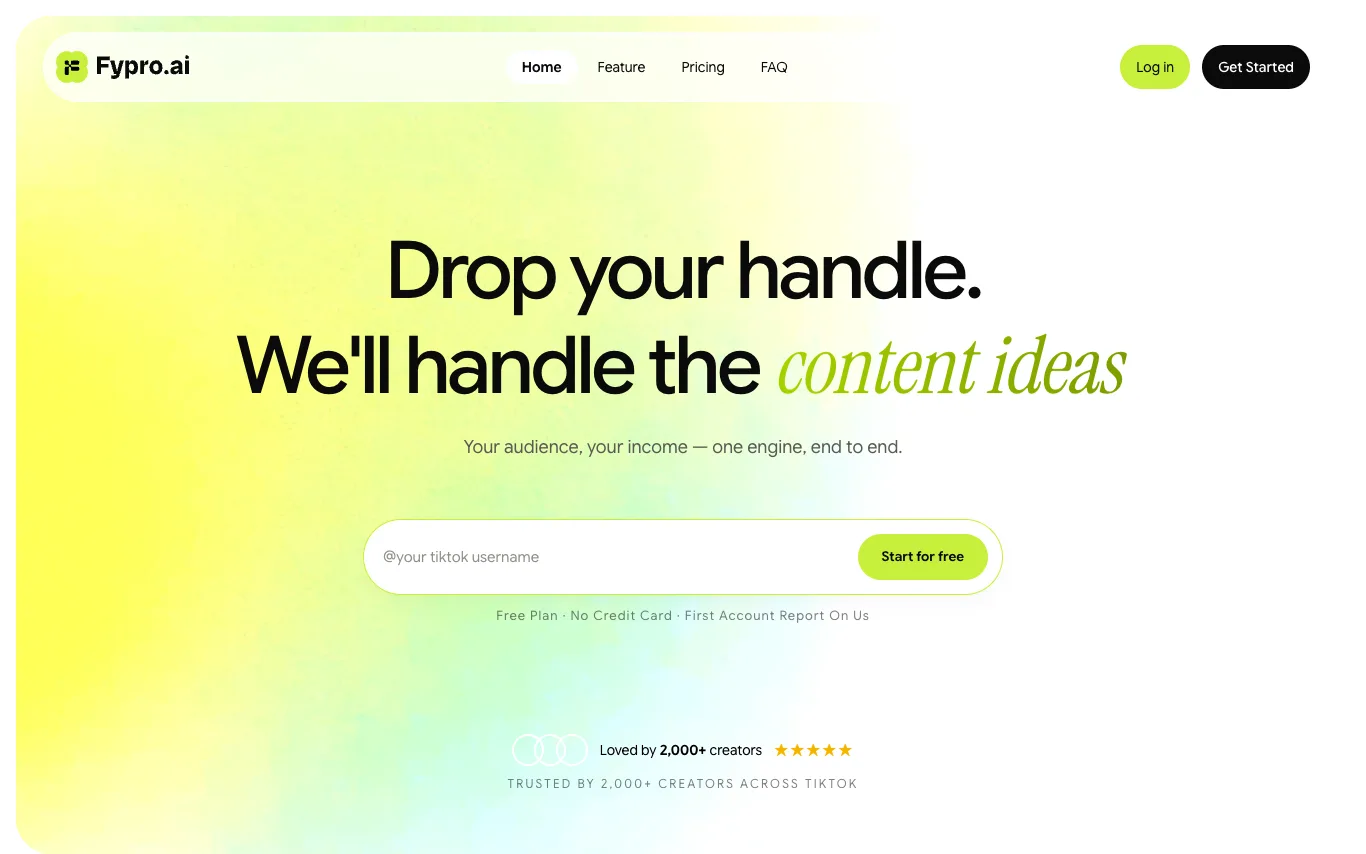

Fypro is an AI-powered studio for social creators, offering a personalized growth playbook, branded creator site, dropshipping storefront, and content creation tools. It analyzes TikTok accounts to provide tailored content ideas, hooks, and scripts. The platform enables creators to build a site, launch a store, and manage content, all in one place. Fypro's AI is trained on millions of viral videos and refined by experts.


Stanley is an AI content assistant that helps creators and professionals grow their following across social media platforms. It drafts posts in your voice, schedules them, and monitors performance, all through iMessage, Telegram, or the web. Stanley learns your style from your posts and voice notes, and proactively suggests ideas and drafts. It integrates with YouTube, X, LinkedIn, Threads, Instagram, and Substack.
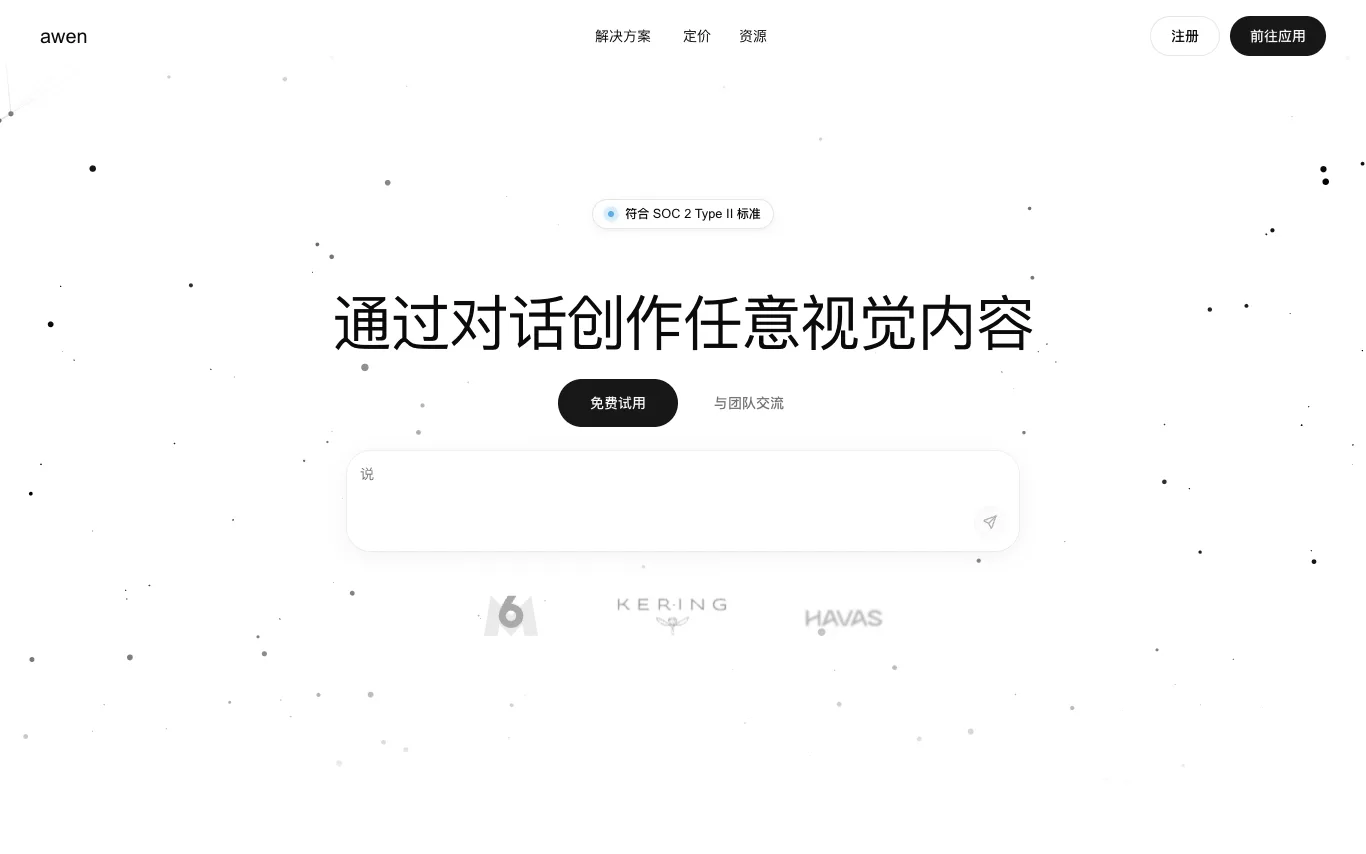

Awen is a platform that lets creatives and teams generate images, videos, and visual assets from natural conversation. It understands creative intent, automatically selects and orchestrates the right AI models, and produces usable outputs without requiring technical prompting or AI expertise. Awen is designed for design, creative direction, advertising, e-commerce, and video production workflows.
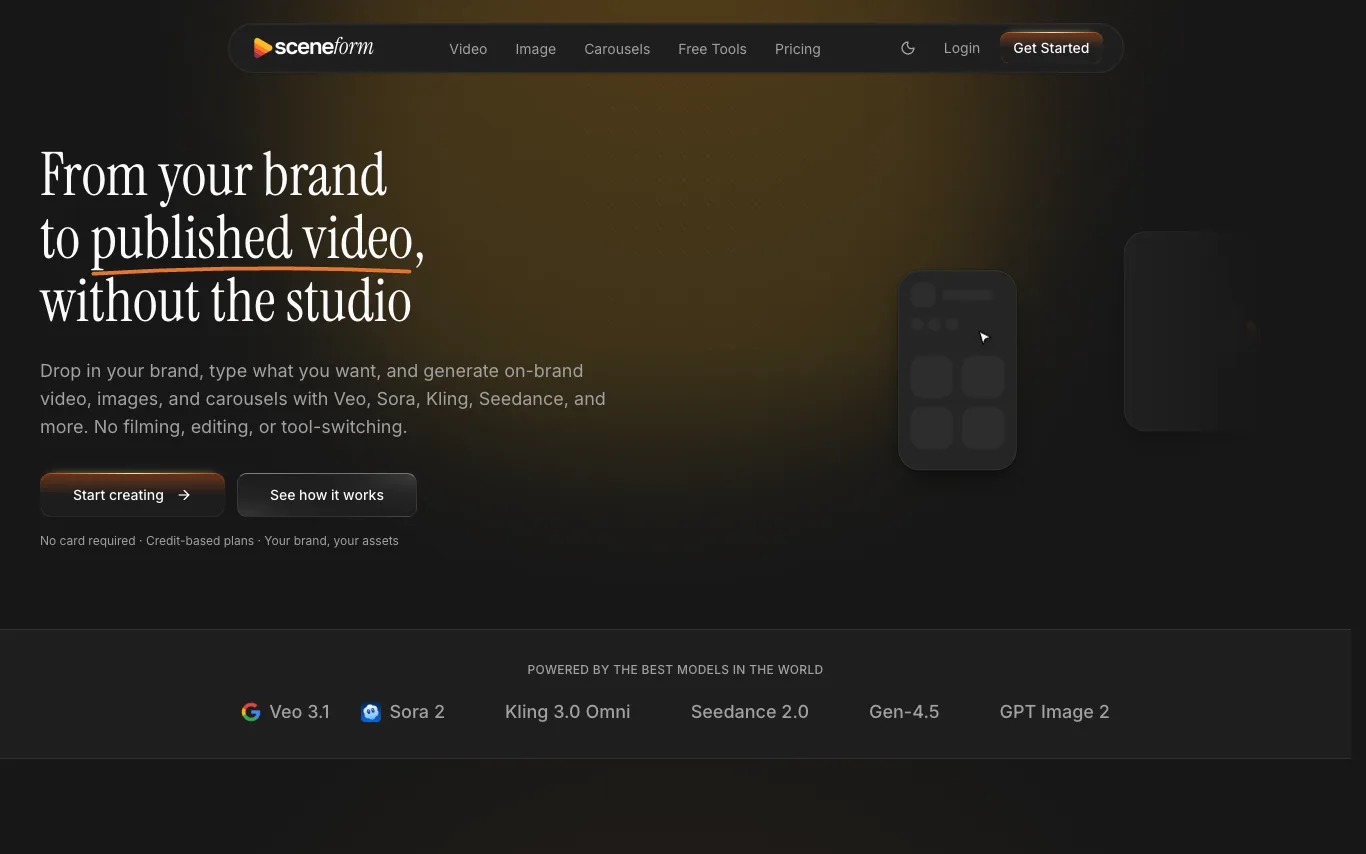

Sceneform is a platform that helps brands and creators generate on-brand images, videos, voiceovers, lip sync, carousels, and short-form social posts from one workspace. It integrates with models like Veo, Sora, Kling, Seedance, and more. Users can import their brand, create a persona, and generate content that maintains brand consistency. The platform also offers publishing features to schedule and track posts on platforms like TikTok.

ByThen is an AI video producer for faceless content. It lets you generate storytelling videos in a single workflow. The platform includes scriptwriting, key visuals, storyboarding, voiceover, video generation, music, and timeline editing. Every project exports directly as an MP4 file.
What is an AI content creator?
An AI content creator turns a topic, brief, or a few keywords into finished marketing content — blog posts, social captions, ad copy, product descriptions, or email — using a large language model. It drafts the whole piece, not just a sentence, and can match a brand voice, follow an outline, and produce several formats from one idea. Many add SEO guidance, templates, and bulk generation so teams publish faster.
What AI content creators can do
- Long-form drafts from a topic, brief, or outline
- Brand voice and tone you can save and reuse
- Templates for blogs, ads, social, email, and product copy
- One idea repurposed into multiple formats and channels
- Built-in SEO keywords, headings, and meta suggestions
- Bulk generation and scheduling for content calendars
Who uses AI content creators
01
Bloggers and SEO teams
Draft long-form articles around target keywords and publish on a steady schedule.
02
Social media managers
Spin one campaign into captions, threads, and hooks for every platform.
03
Ecommerce and marketing
Generate product descriptions, landing copy, and ad variations at store scale.
04
Founders and small teams
Produce newsletters, launch posts, and website copy without hiring a writer.
How do AI content creators work?
You give the tool a topic, keywords, or a short brief, and it prompts a large language model to draft the piece in the structure you chose. Brand-voice settings and reference examples are fed in so the output matches your style, while SEO features pull in target keywords and headings. You then edit and approve the draft before it goes out.