




Suno generates complete songs with vocals, instruments, and lyrics from text descriptions, enabling anyone to create music without musical training.
Best AI Voice Generator Tools (2026)
Compare AI voice generators for text-to-speech, realistic voiceovers, voice cloning, dubbing, audiobooks, and free AI voices — from studio narration to real-time speech.


ElevenLabs is a voice AI platform for creating lifelike speech, voice cloning, and building voice agents. It offers APIs and SDKs for developers to integrate voice capabilities into applications.
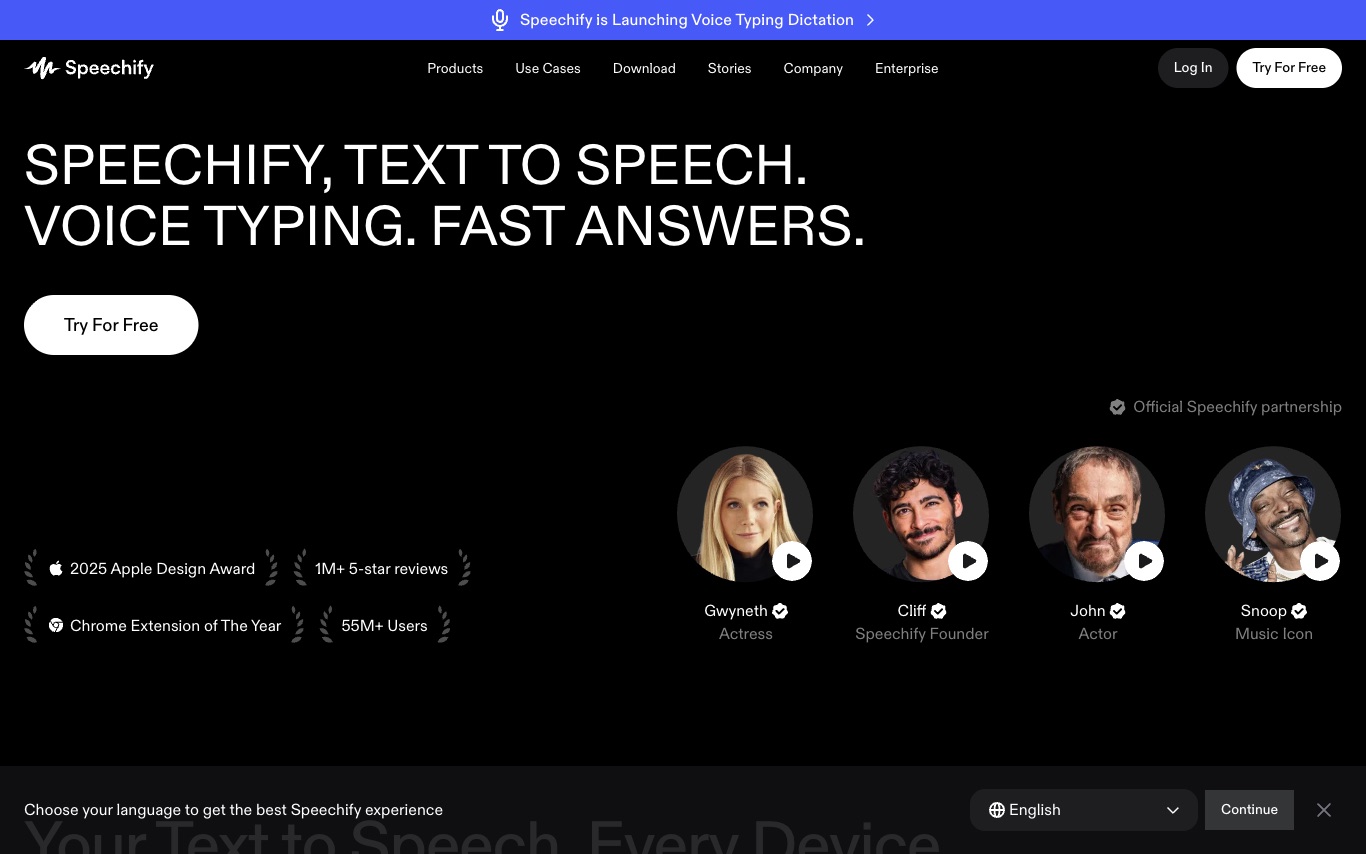

Speechify is a text-to-speech platform that reads documents, PDFs, web pages, and books aloud using natural AI voices—available as a web app, browser extension, and mobile app with 55M+ users.


MiniMax is a Chinese AI company building multi-modal foundation models—offering text (abab), voice (Speech-02), video (Video-01), and music generation through consumer apps and developer APIs.
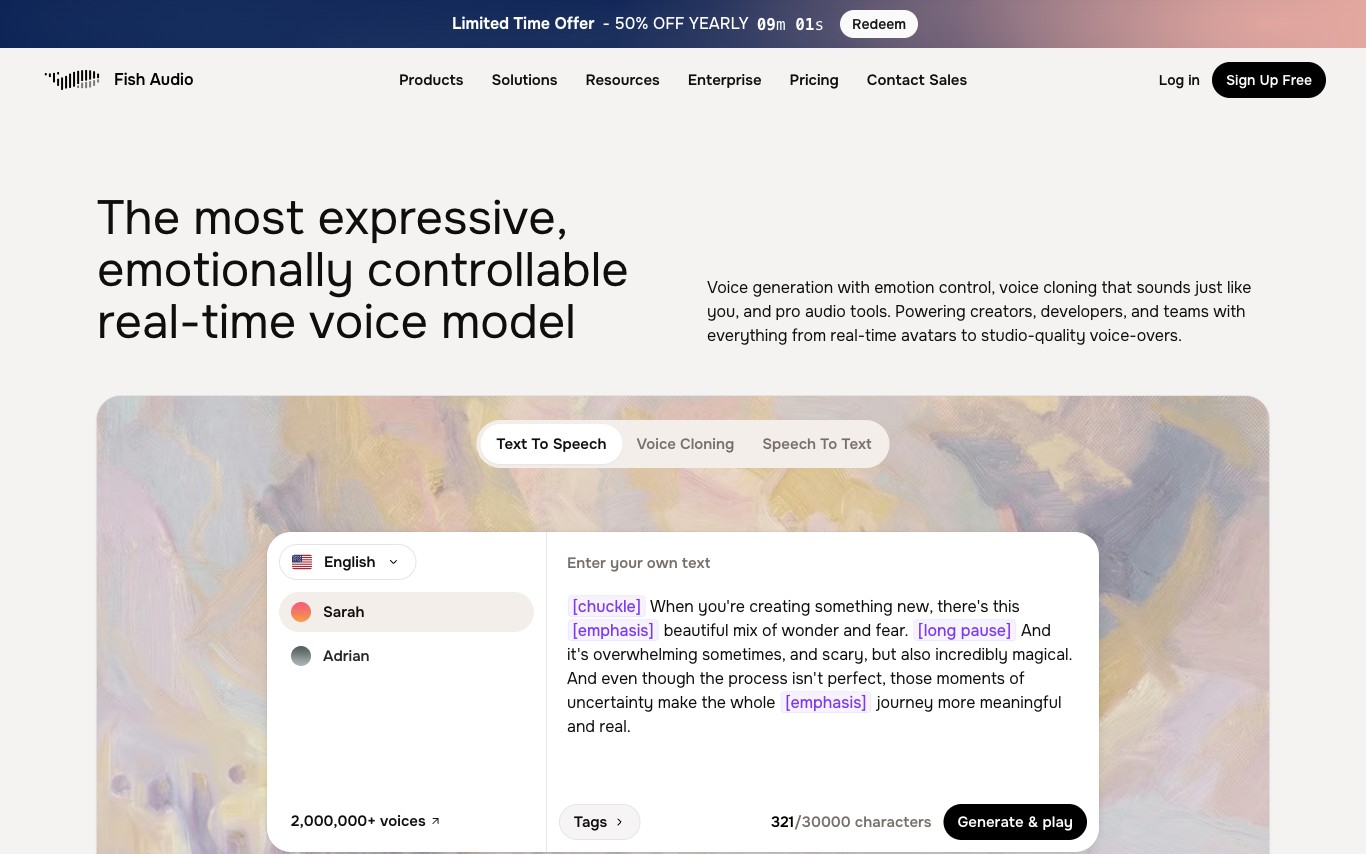

Fish Audio is an AI voice platform offering studio-grade text-to-speech and voice cloning. It supports 2,000,000+ community voices across 8 languages, with real-time streaming, emotion control, and a developer API — built for creators, developers, and production teams.
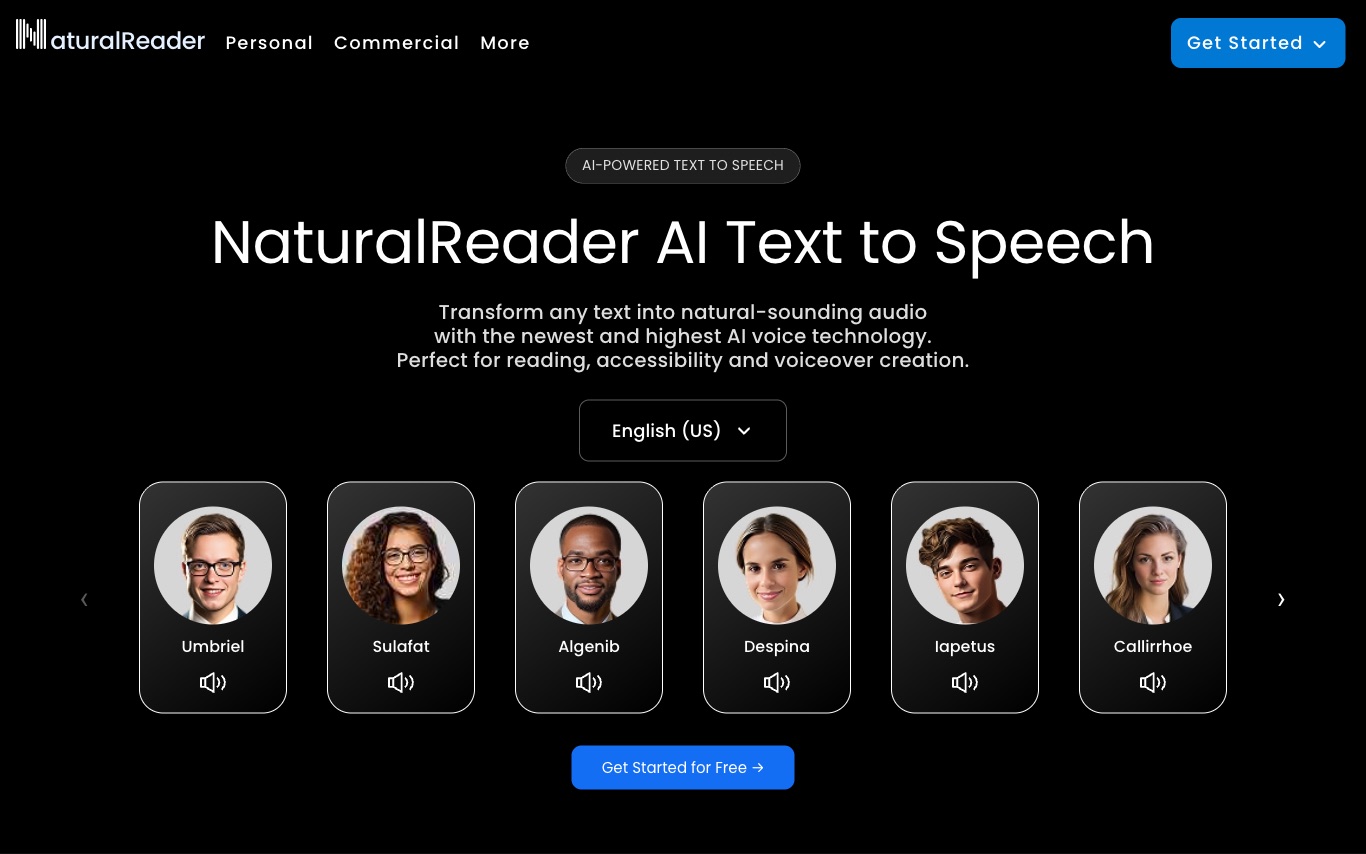

NaturalReader is a text-to-speech application that converts text, PDFs, and web pages into natural-sounding audio using AI voices—available online, as a mobile app, and with commercial licensing.


ImagineArt is an AI creative suite that generates images, videos, voice clips, and short-form content from text prompts—targeting creators who need visual and audio assets for social media and marketing.


Voice.ai offers a free AI voice changer and voice agent platform. Transform your voice in real time for games and streams, or build custom voice agents for apps.
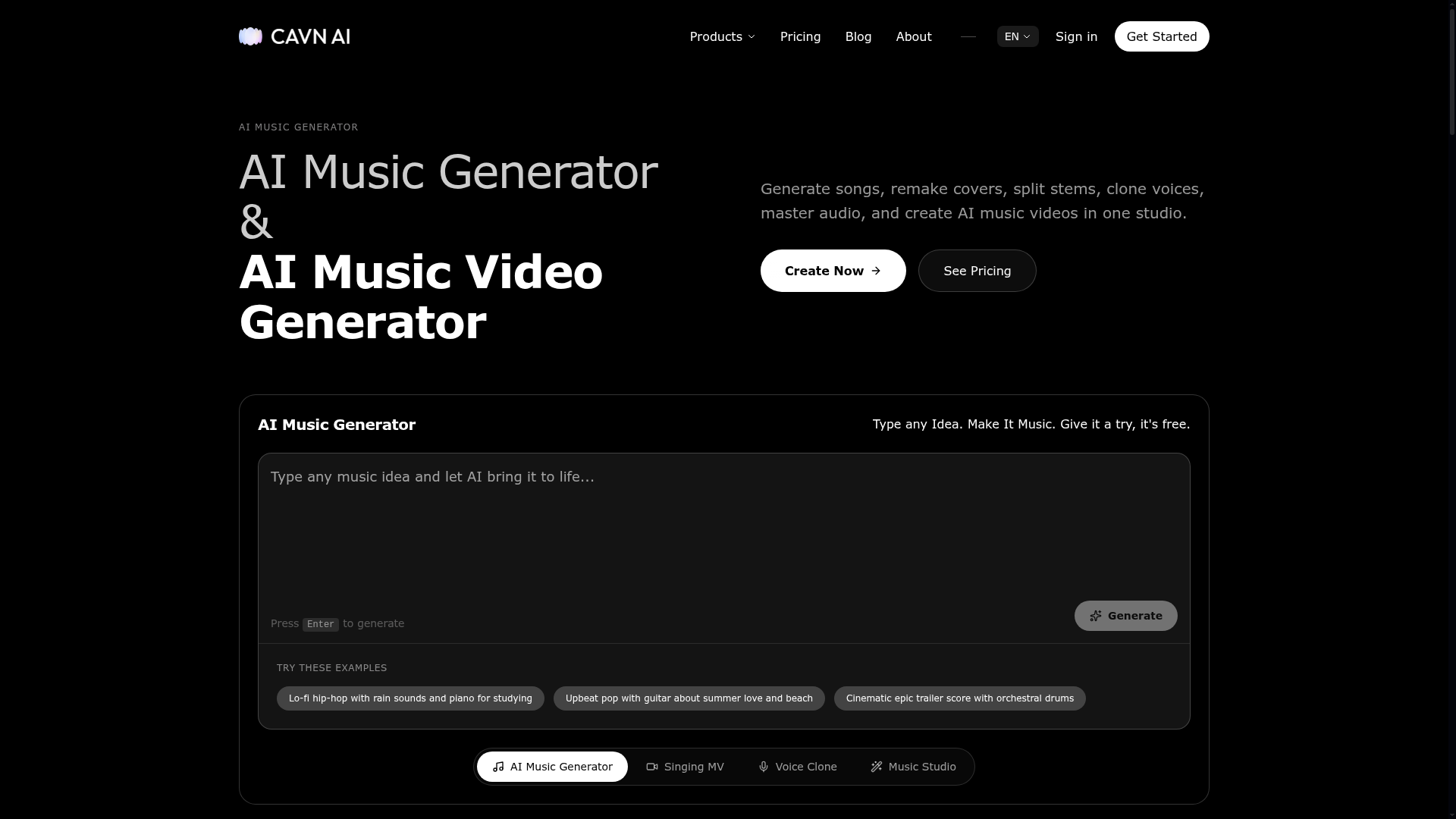

AI Music Generator & AI Music Video Generator
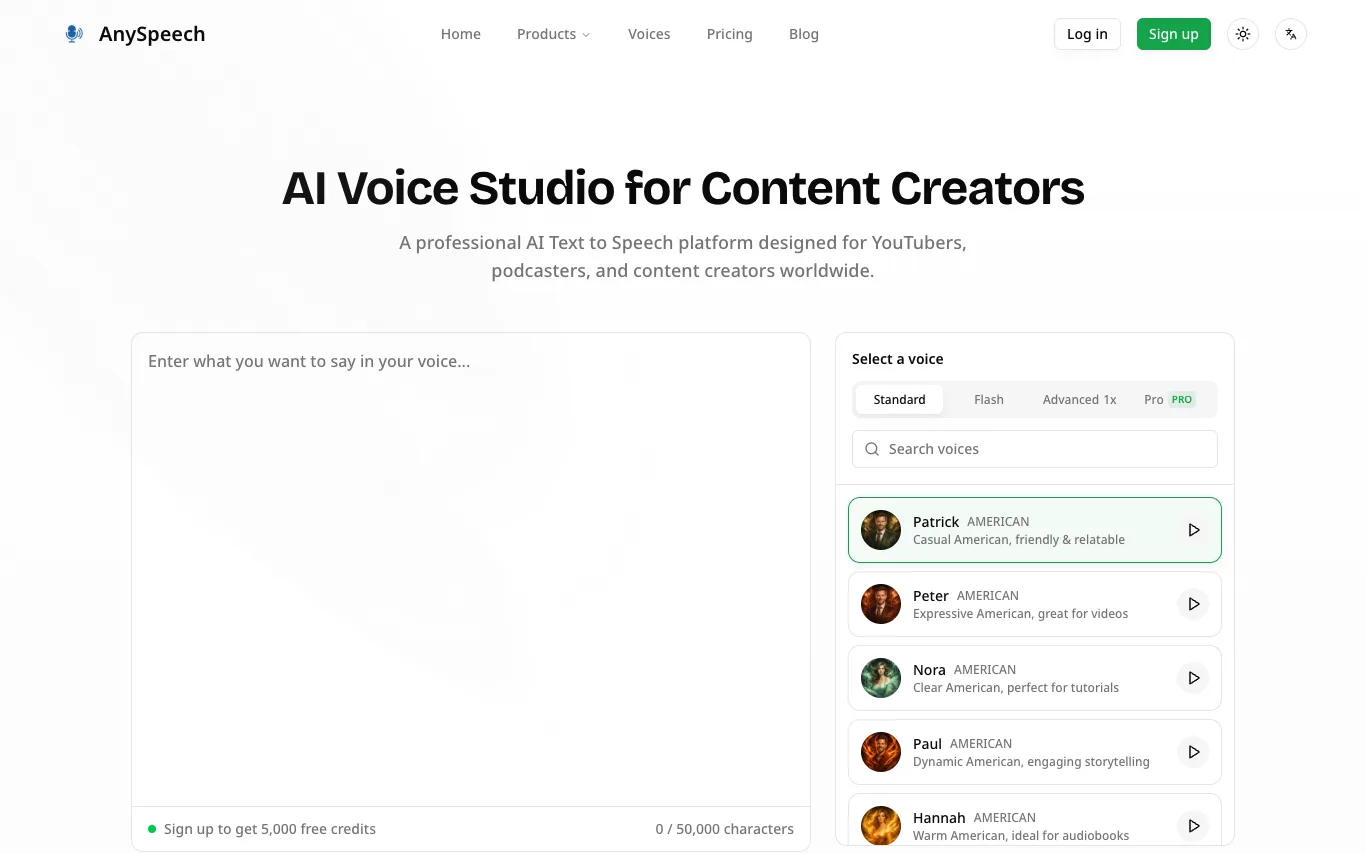

AnySpeech is a professional AI text-to-speech platform that transforms text into natural-sounding speech. It offers over 100 realistic voices across 50+ languages, suitable for YouTubers, podcasters, and content creators. Users can sign up to receive 5,000 free credits and start generating speech without needing a credit card. The platform provides a variety of voice options, including American, British, Australian, Spanish, French, and more, each with distinct characteristics for different use cases.
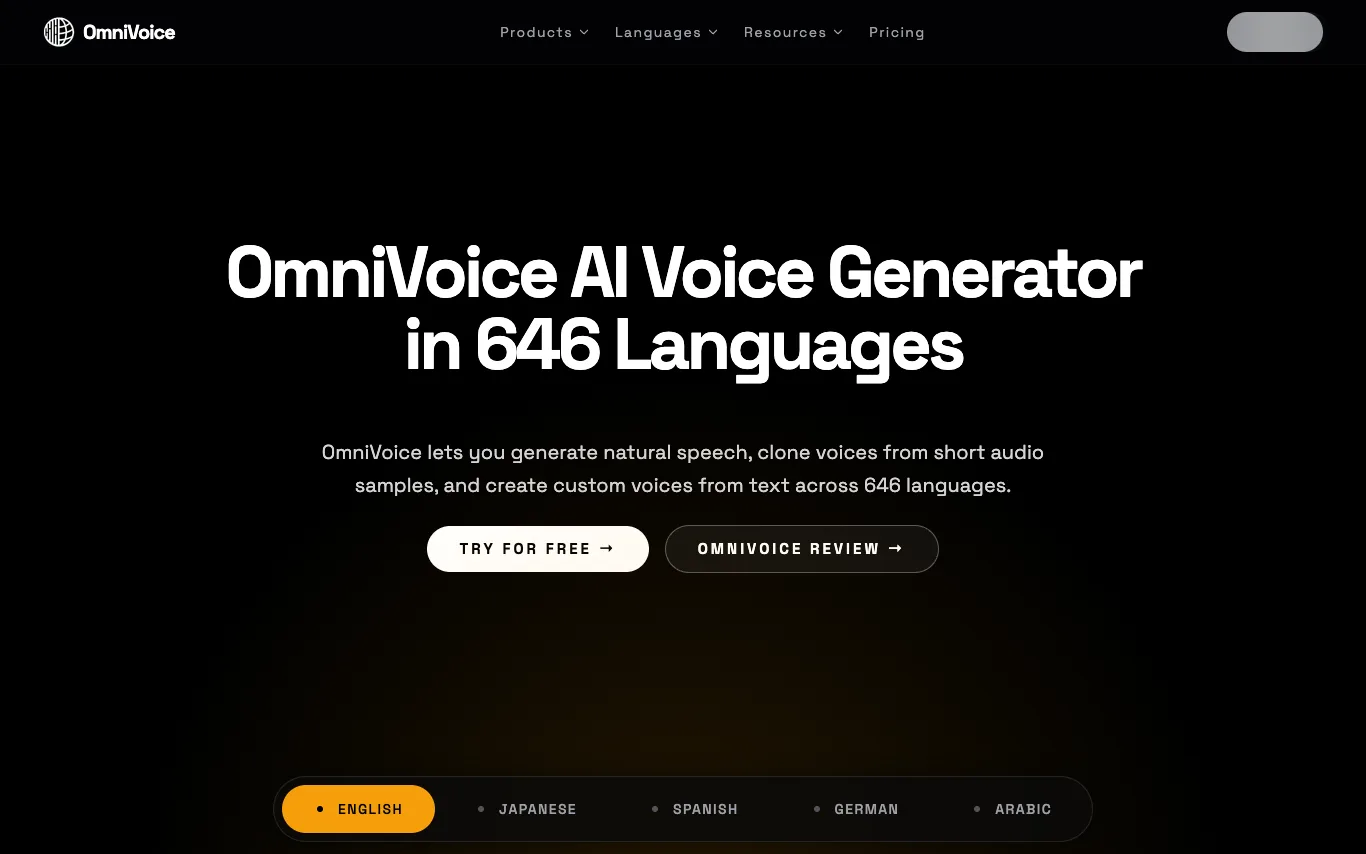

OmniVoice is a free, open-source AI voice generator that supports 646 languages. It converts text to natural-sounding speech, clones voices from a short audio sample (zero-shot Voice Cloning), or creates a voice from a text description alone (Voice Design). Developed by the k2-fsa research team and trained on 581,000 hours of open-source speech data. OmniVoice is released under Apache 2.0, free for personal and commercial use.
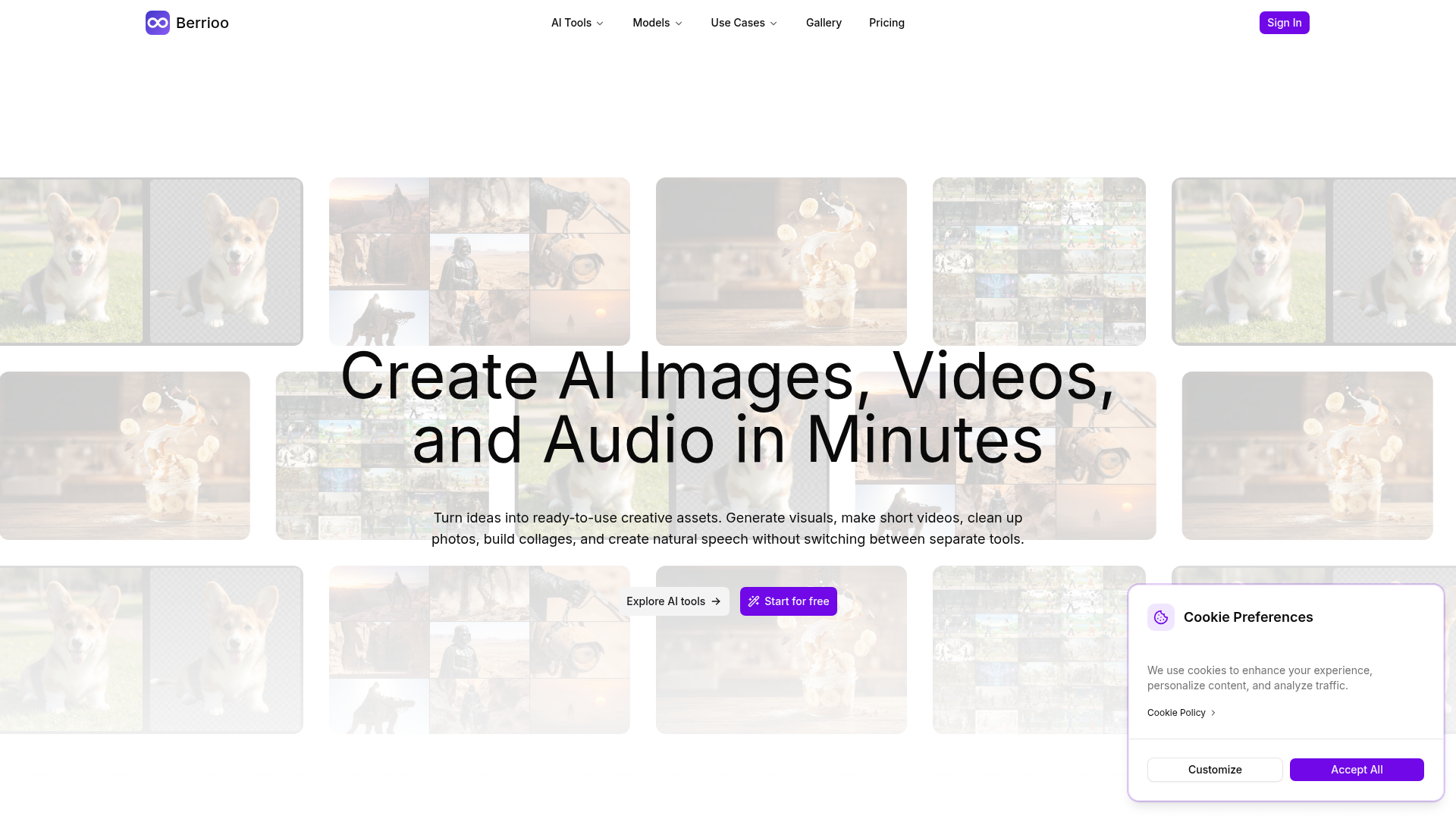

Turn ideas into ready-to-use creative assets.
Related categories
What is an AI voice generator?
An AI voice generator turns written text into natural-sounding spoken audio using a neural text-to-speech (TTS) model. You type or paste a script, pick a voice, language, and tone, and it produces a downloadable audio file. Many also clone a specific person's voice from a short sample or read text aloud in real time.
What AI voice generators can do
- Convert typed text to natural speech in seconds
- Hundreds of voices across many languages and accents
- Clone a voice from a short audio sample
- Control pace, pitch, emphasis, and emotion
- Add pauses, pronunciation fixes, and SSML tags
- Export MP3 or WAV for videos and podcasts
Who uses AI voice generators
01
Video creators and YouTubers
Narrate faceless videos, tutorials, and shorts without recording your own voice.
02
E-learning and training teams
Voice course modules and explainers, then re-generate instantly when the script changes.
03
Podcasters and audiobook makers
Turn articles, scripts, or manuscripts into long-form spoken audio at scale.
04
Product and localization teams
Add voice prompts, IVR lines, and dubbed audio in multiple languages from one script.
How AI voice generators work
A neural TTS model is trained on many hours of recorded human speech paired with text, learning how words map to sound, rhythm, and intonation. When you submit a script, it predicts an audio waveform token by token in the chosen voice. Voice cloning fine-tunes or conditions the model on a short sample so new text is spoken in that speaker's timbre.