

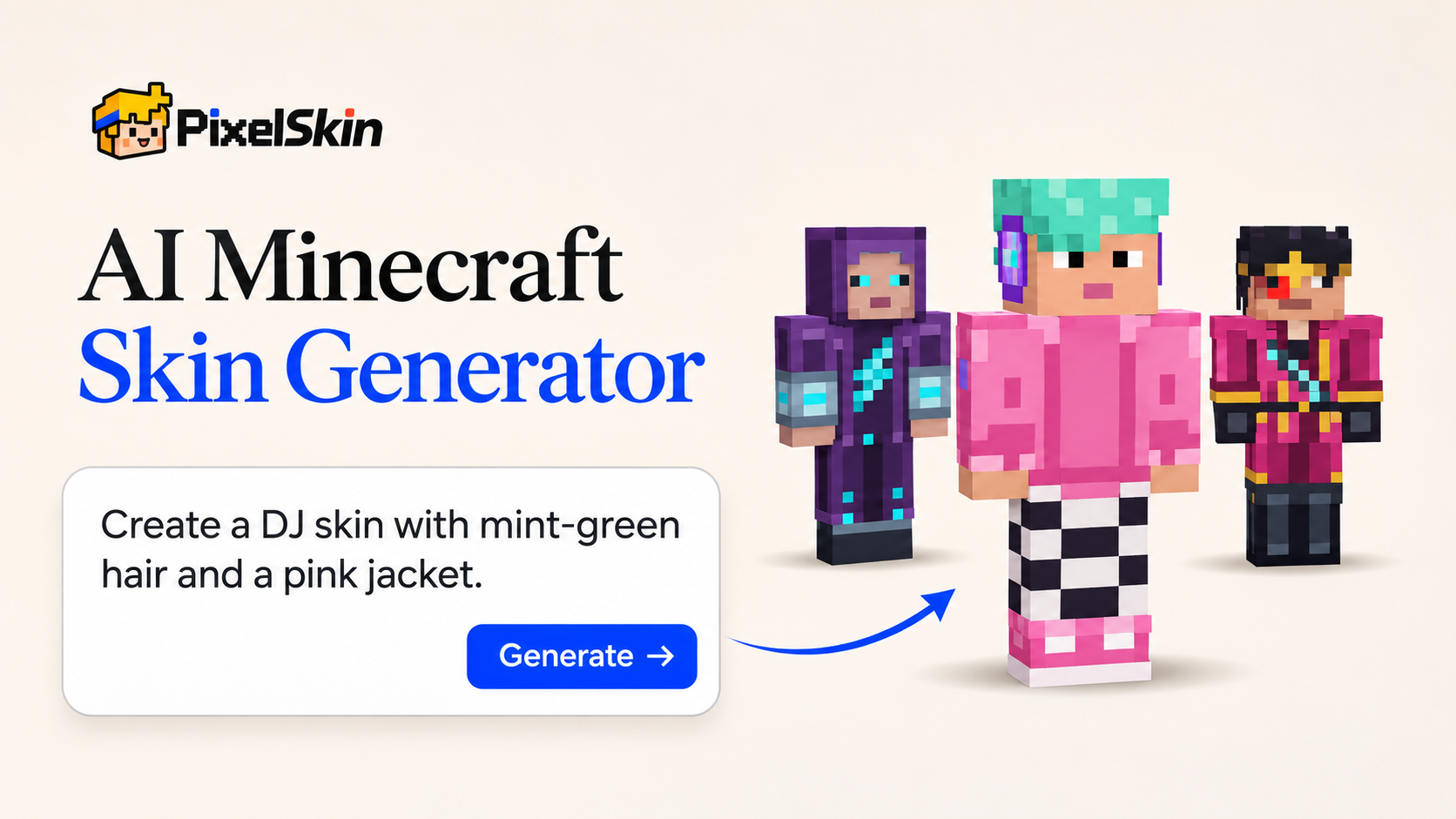

PixelSkin is an AI-powered tool that allows users to create custom Minecraft skins. You can describe your desired character in text or upload a reference image, and the AI will generate a 64x64 PNG skin file ready for in-game use. The platform paints directly onto a 3D player model, ensuring accuracy and detail. Users can preview their generated skins from multiple angles, refine them with plain English commands, and download them for use in Minecraft Java and Bedrock editions. The tool simplifies skin creation, making it accessible even without prior pixel art skills. PixelSkin is ideal for players looking to personalize their Minecraft experience with unique character appearances, offering a straightforward way to bring their creative visions to life.
Best Image to Image AI Tools (2026)
Compare image-to-image AI tools that turn a photo into new styles, art, and variations — from style transfer and sketch-to-render to img2img editing and restyling.
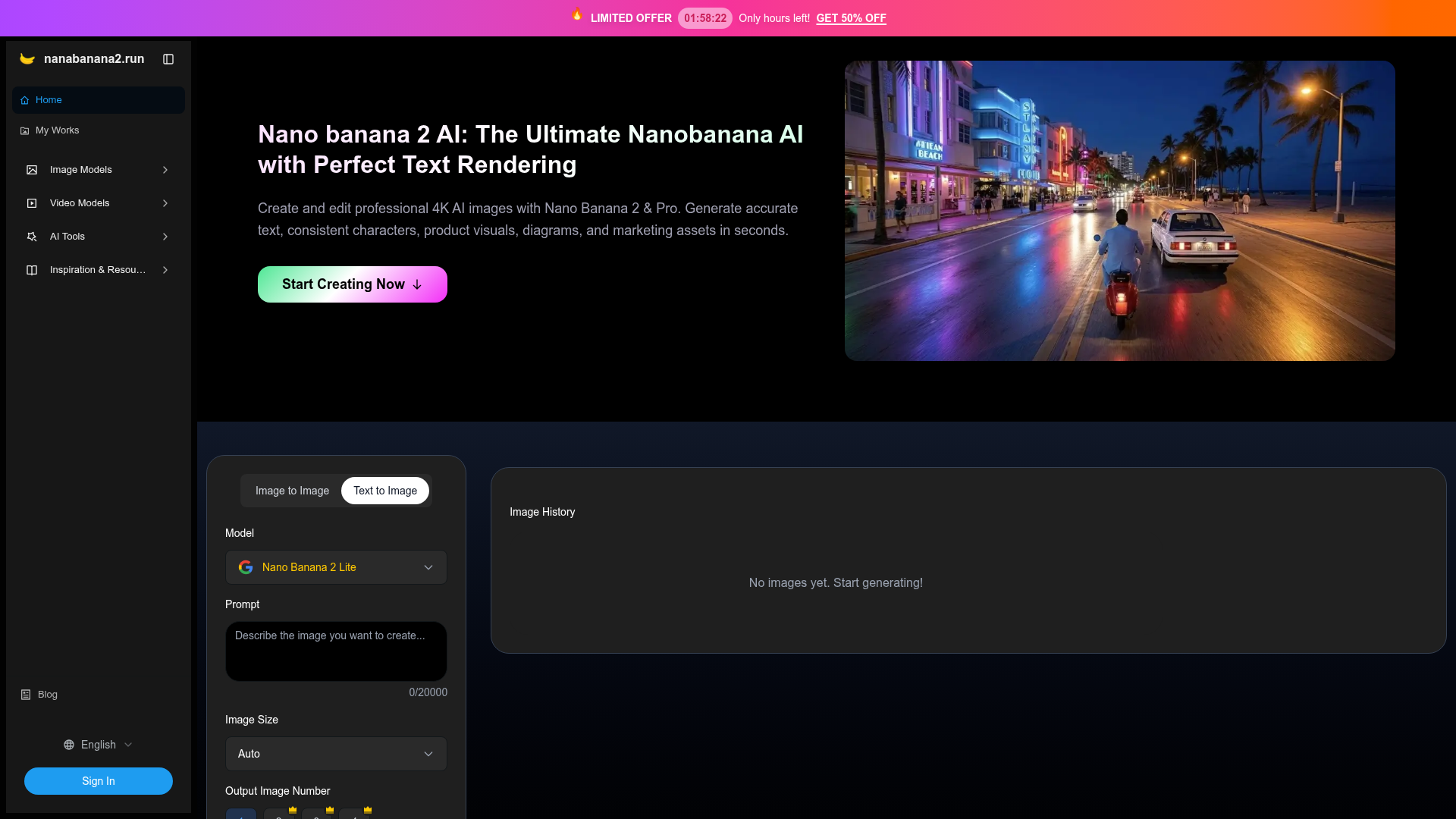

Nano banana 2 AI is an advanced image generator designed to produce high-quality 4K AI images. It excels at rendering accurate text, maintaining consistent characters, and generating detailed product visuals, diagrams, and marketing assets quickly. The platform offers various models, including Nano Banana 2 Lite, Nano Banana 2, and Nano Banana Pro, each tailored for different levels of quality and control. Users can leverage its capabilities for diverse applications, from creating educational content with precise mathematical formulas and scientific diagrams to designing marketing materials with flawless text integration. The tool also provides specialized AI tools like an AI Influencer Generator, AI Clothes Changer, and Transparent Background Generator, expanding its utility beyond basic image creation. Nano banana 2 AI stands out by delivering professional-grade results, overcoming common challenges like illegible text and inconsistent visuals often found in other AI models. It offers reliable prompt and reference understanding, ensuring that complex instructions and visual styles are accurately followed. This makes it a practical solution for production workflows requiring high-resolution output and visual coherence. By using Nano banana 2 AI, creators can generate production-ready images for educational content, technical documentation, marketing campaigns, and professional presentations, ensuring clarity and precision in every visual asset.
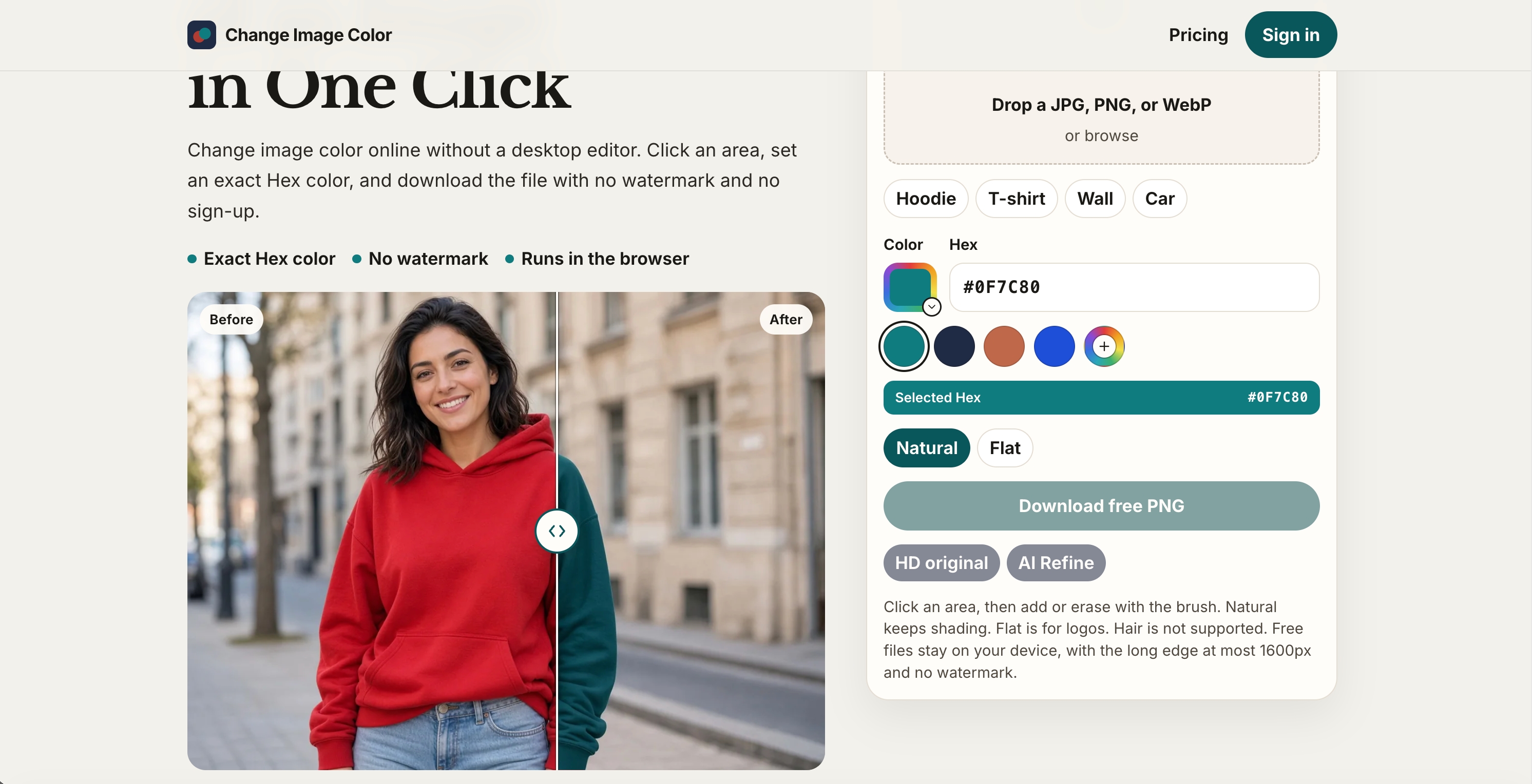
Change image color online for free, with Hex color control and no watermark.
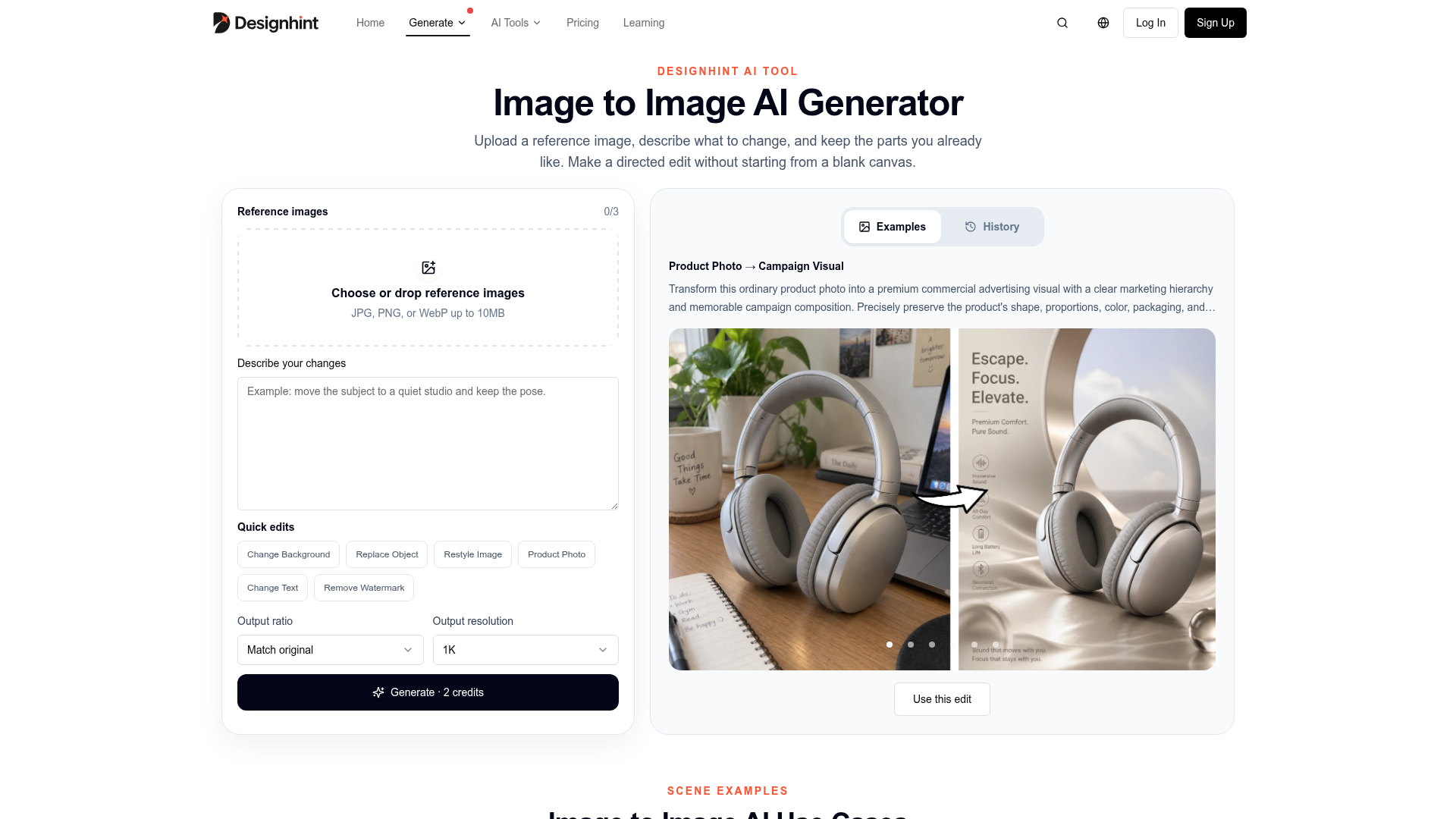

Upload a reference image, describe what to change, and keep the parts you already like to make directed edits without st
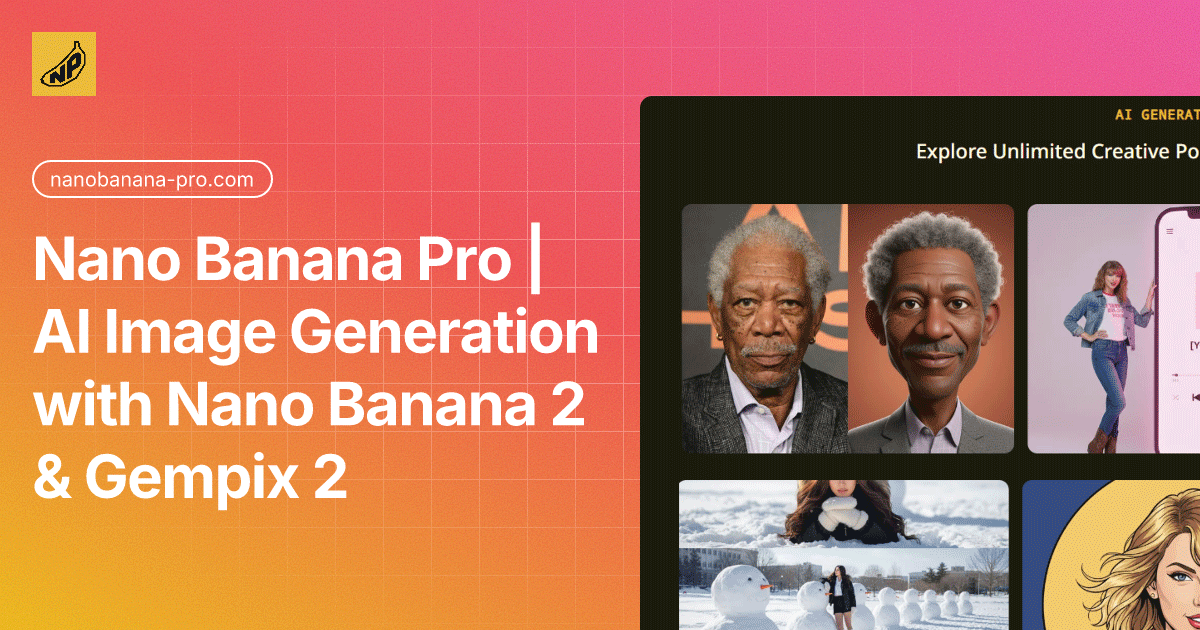

A professional AI image generator powered by Nano Banana Pro, delivering 4K-ready images with character consistency and spe
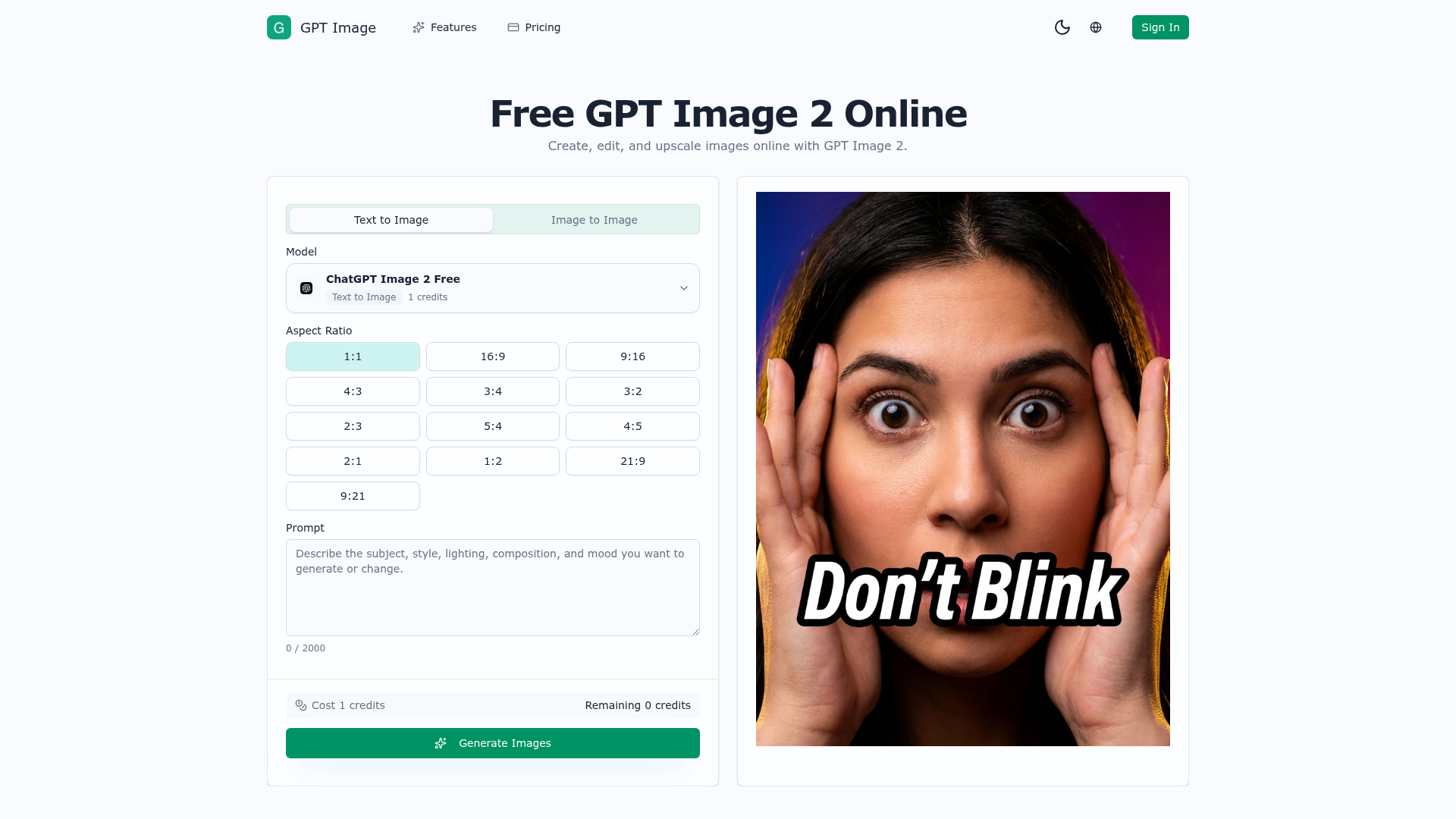

AI image generator and photo editor for prompt edits, upscaling, cleanup, and creative assets.
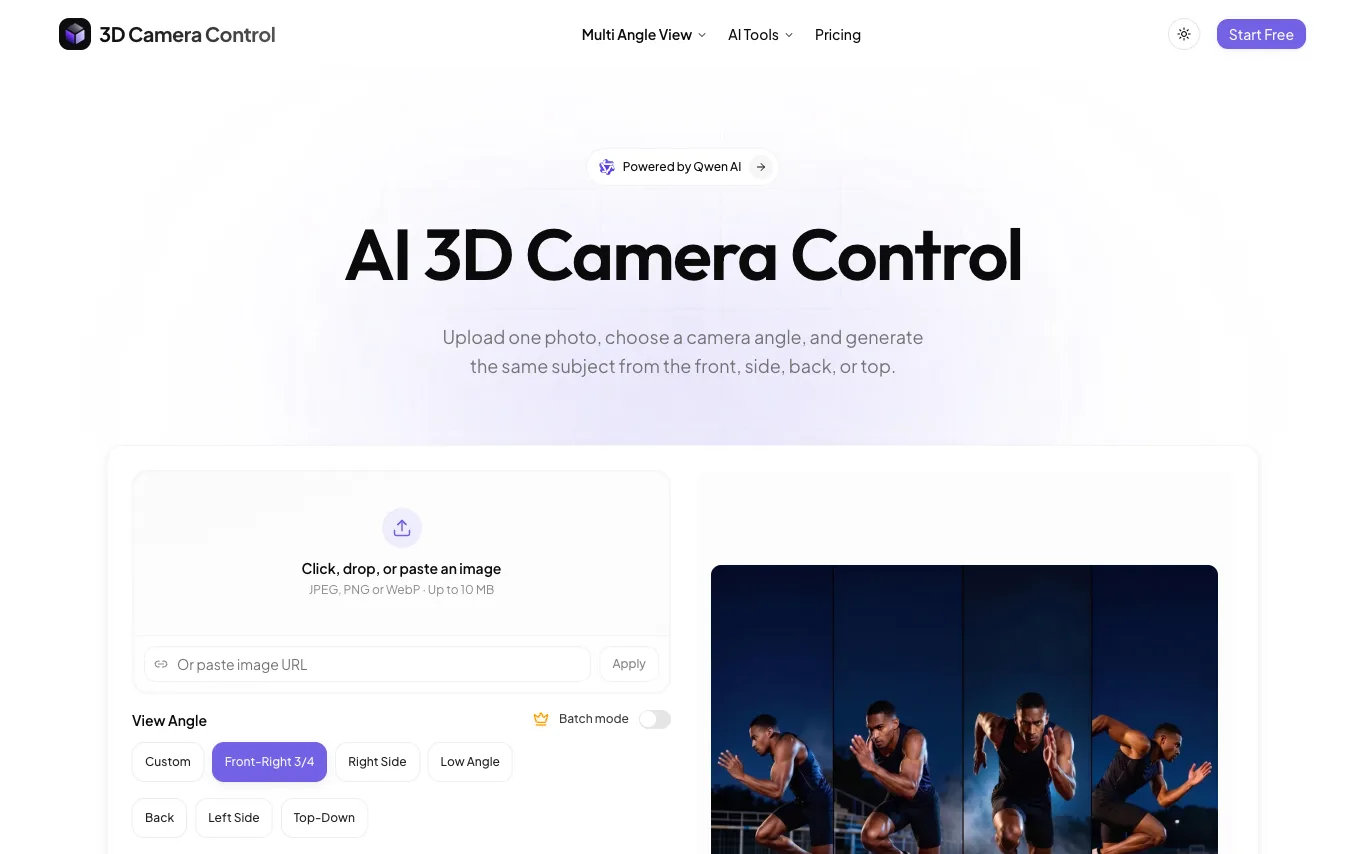

3D Camera Control is a free AI tool that generates multiple camera angles from a single photo. Users can obtain front, side, back, and top-down views instantly. The service is designed for quick and easy multi-angle image generation without cost.
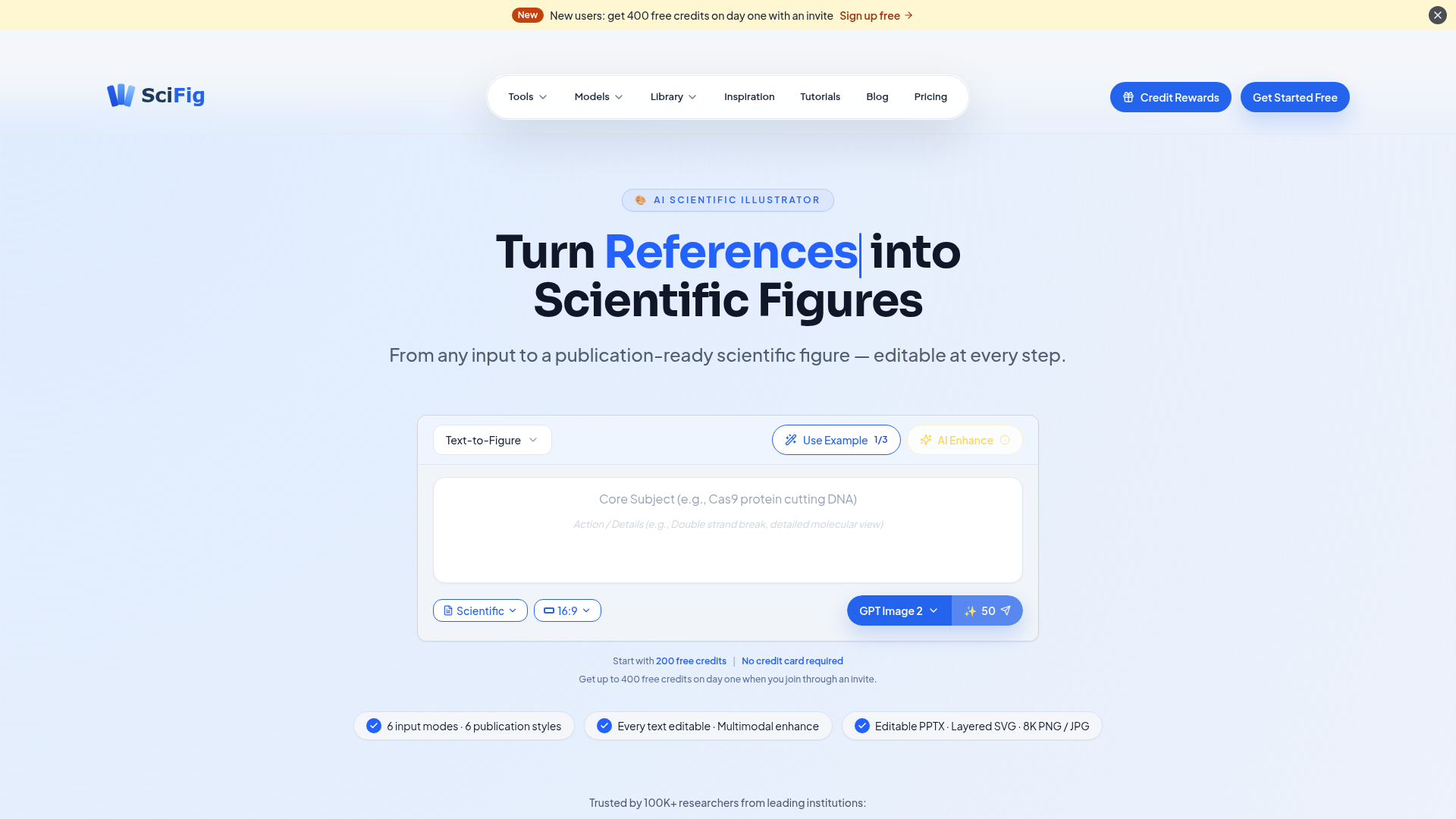

Turn text, sketches, references, PDFs, and photos into Scientific Figures.
Krea 2 Turbo is a speed-tuned branch of the Krea 2 foundation model, specifically designed for rapid text-to-image generation. It utilizes an eight-step sampling process to deliver 1024px drafts in approximately two seconds, with 2K frames following shortly after. This rapid turnaround fundamentally transforms the workflow for AI image creation, enabling faster iteration and concept exploration. The AI image generator is built on a 12-billion-parameter diffusion transformer, trained from scratch for photographic behavior, ensuring natural depth and texture. It supports both text-to-image and image-to-image workflows, allowing users to start from a written brief or refine existing references. Krea 2 Turbo is particularly useful for creative professionals and teams who need to generate a high volume of concepts, create numerous ad variants, or maintain a consistent house style using LoRA sliders. By offering fast, high-quality drafts at a low iteration cost, Krea 2 Turbo empowers users to test multiple ideas without significant investment. Its open-weights model, available under a custom commercial license, provides flexibility for users to run it in a browser-based workspace or on their own hardware. This makes Krea 2 Turbo an infrastructure tool for visual content production, enabling efficient and scalable creative output.
Related categories
What is image-to-image AI?
Image-to-image AI takes an existing picture as input and generates a new one from it, guided by a text prompt or a reference image. Unlike text-to-image, which starts from a blank canvas, it keeps the composition, pose, or structure of your source and changes style, detail, or content. Common jobs include style transfer, turning a sketch into a render, restyling a photo, and swapping or extending parts of an image.
What image-to-image AI can do
- Keep source composition while restyling from a prompt
- Style transfer between photos, art, and illustration
- Turn sketches or line art into finished renders
- Strength slider to control how much of the source changes
- Inpainting and outpainting to edit or extend images
- Structure control via ControlNet, depth, or pose
Who uses image-to-image AI
Style transfer and restyling
Repaint a photo in an art style while keeping its original layout and subject.
Concept art and design iteration
Turn rough sketches into polished renders and explore many variations quickly.
Photo editing and cleanup
Inpaint to remove objects, fix details, or extend a scene with outpainting.
Product and marketing visuals
Restage product shots and generate on-brand image variations at scale.
How does image-to-image AI work?
Most tools use a diffusion model that adds noise to your source image and then denoises it toward your prompt, so a low strength keeps more of the original and a high strength changes more. Add-ons like ControlNet, depth, or pose maps lock in structure such as edges or a subject's posture. Inpainting limits the change to a masked region, leaving the rest of the image untouched.