

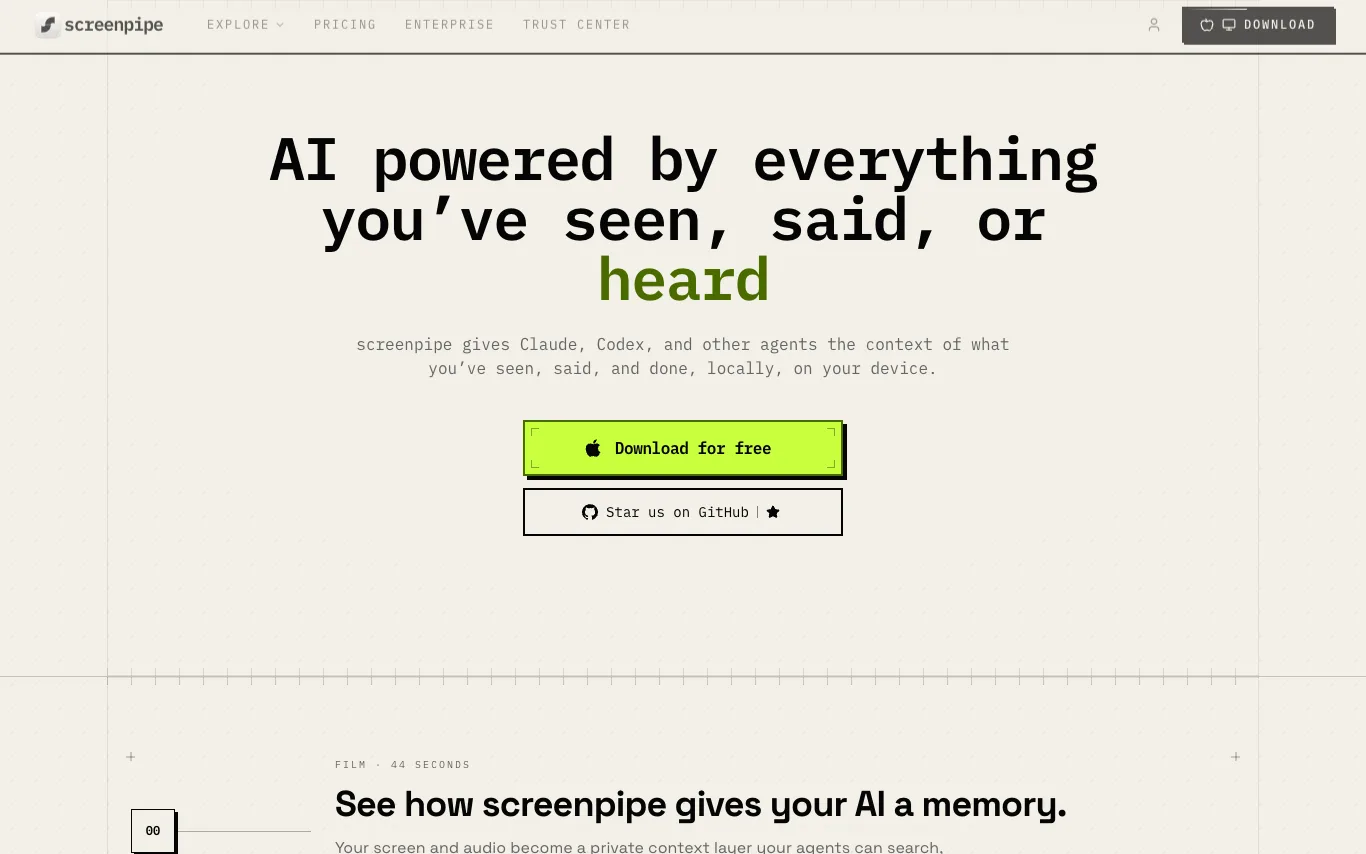

screenpipe is a screen record app that captures screen and audio, making everything searchable and automating workflows. It provides a private context layer for AI agents, enabling them to search, understand, and act on your work. Local-first and private, it supports macOS, Windows, and Linux.
AI Workflow · 29 tools
Best AI Workflow Tools (2026)
Compare AI workflow tools for automating multi-step tasks, building AI agents, connecting apps, and running no-code pipelines — from Zapier and Make to n8n, Dify, and Coze.
All AI Workflow tools

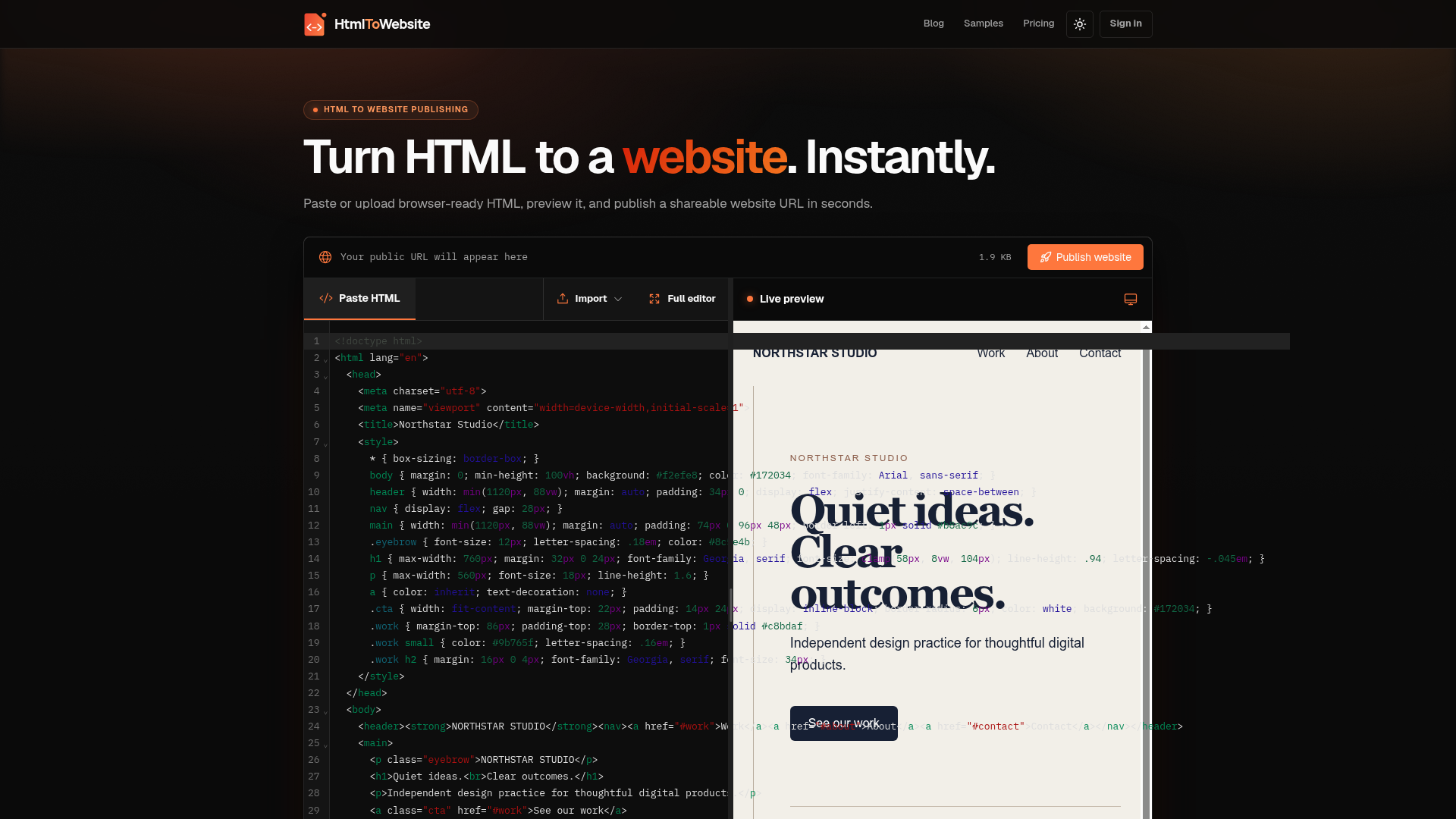
Turn HTML to a website. Instantly.

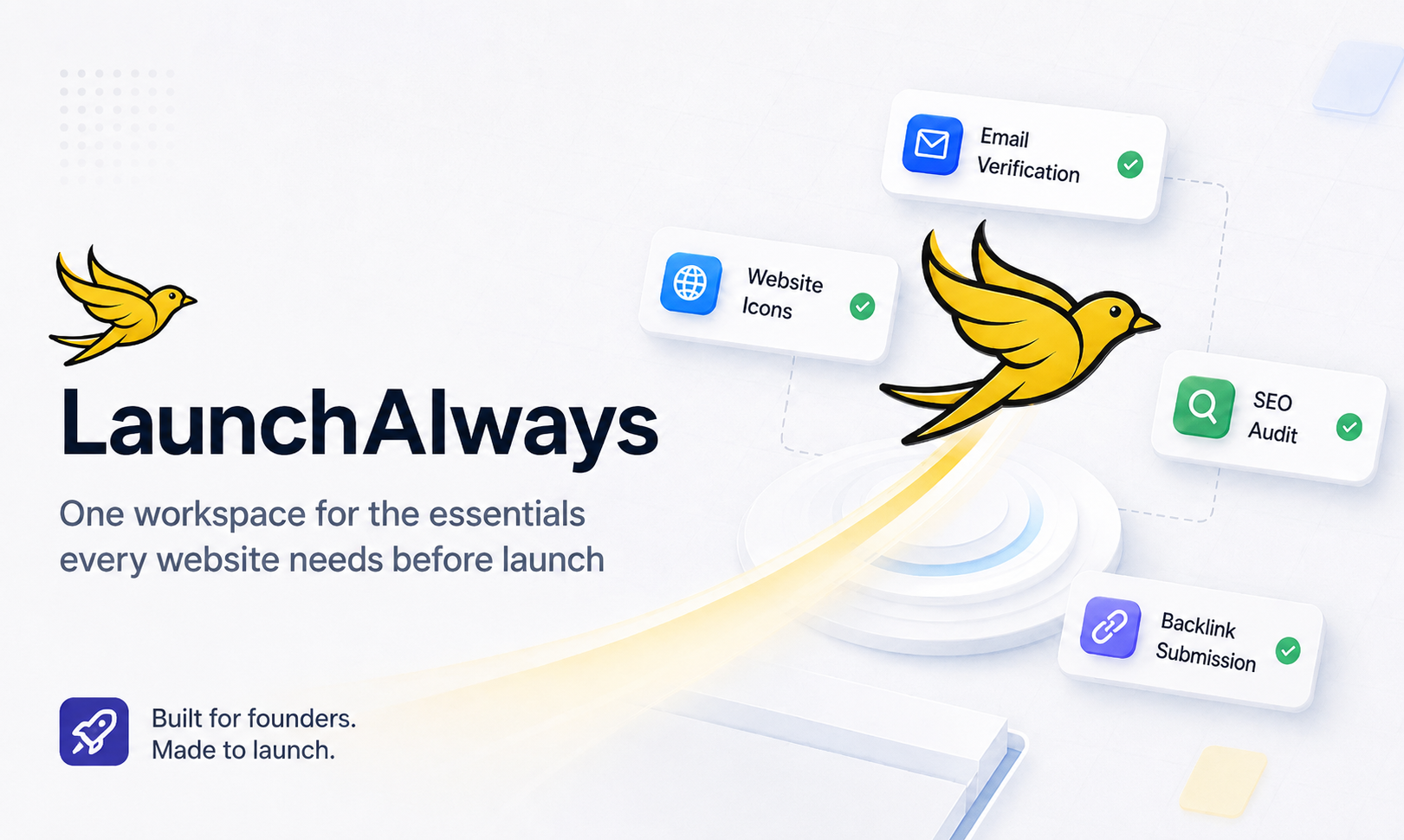

Four essential website launch tools in one free account.
What is an AI workflow tool?
An AI workflow tool lets you chain models, apps, and logic into an automated pipeline that runs on a trigger or a schedule. Instead of writing glue code, you connect steps on a visual canvas — call an LLM, branch on its output, fetch data, and post the result — or hand a goal to an autonomous AI agent that decides the steps itself. They range from no-code builders like Zapier and Make to developer-focused and agent platforms like n8n, Dify, and Coze.
Key features of AI workflow tools
- Visual canvas to chain triggers, steps, and conditions
- Built-in LLM, embedding, and vector-database nodes
- AI agents that plan and pick their own steps
- Hundreds of app integrations and API connectors
- Branching, loops, and error handling between steps
- Runs on schedules, webhooks, or event triggers
Who uses AI workflow tools?
01
Non-technical automators
Marketers and ops staff who wire up repetitive tasks without writing any code.
02
Developers building agents
Engineers orchestrating multi-step LLM agents, RAG, and tool calls in code.
03
Business process teams
Teams automating approvals, data entry, and handoffs across their SaaS stack.
04
AI app builders
Founders shipping chatbots and internal tools on top of workflow platforms.
How AI workflow tools work
You define a trigger — an incoming webhook, a schedule, or a new record — then lay out the steps that follow. Each node does one thing: call a model, transform data, branch on a condition, or hit an external API, passing its output to the next. Agent-based tools flip this: you describe a goal and give the model tools, and it decides which steps to run and in what order.