



Intenta provides live feedback on communication and leadership during meetings, helping users improve without waiting weeks. It surfaces insights from past conversations, tracks commitments, and captures behavioral trends over time. The tool offers real-time coaching cues, context-aware insights, and persistent growth areas, all while working locally without meeting bots. It is GDPR compliant and ISO certified.
AI Analytics · 52 tools
Best AI Analytics Tools (2026)
Compare AI analytics tools for natural-language data queries, automated dashboards, insight discovery, anomaly detection, forecasting, and conversational BI.
All AI Analytics tools
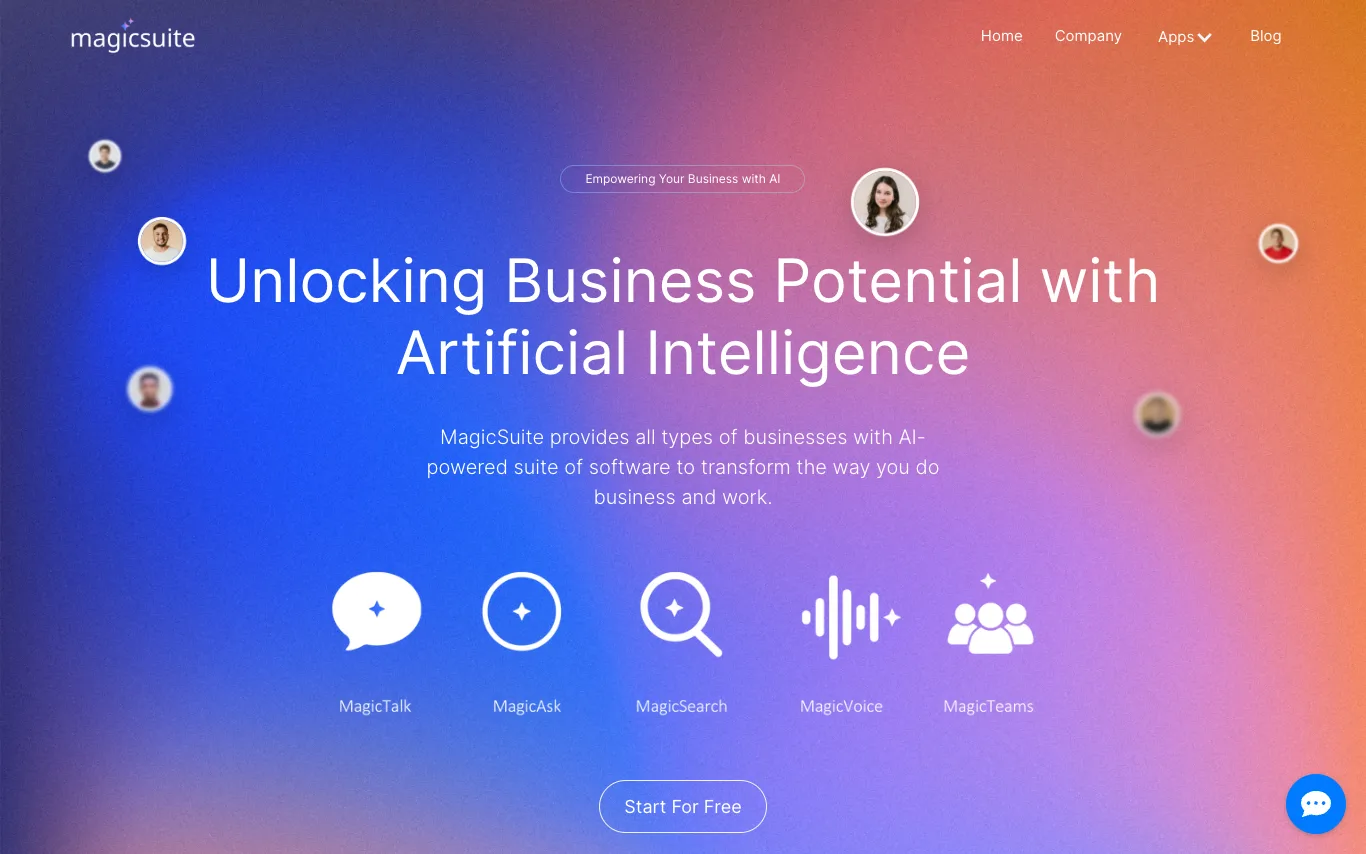

MagicSuite is an AI-powered business suite that automates workflows, enhances collaboration, and scales with your team. It includes tools like MagicTalk (AI chatbot), MagicAsk (AI FAQ), MagicSearch (AI website search), MagicVoice (AI voice support), and MagicTeams (AI collaboration). The suite is designed to help businesses run and grow by leveraging AI across communication, analytics, and automation.
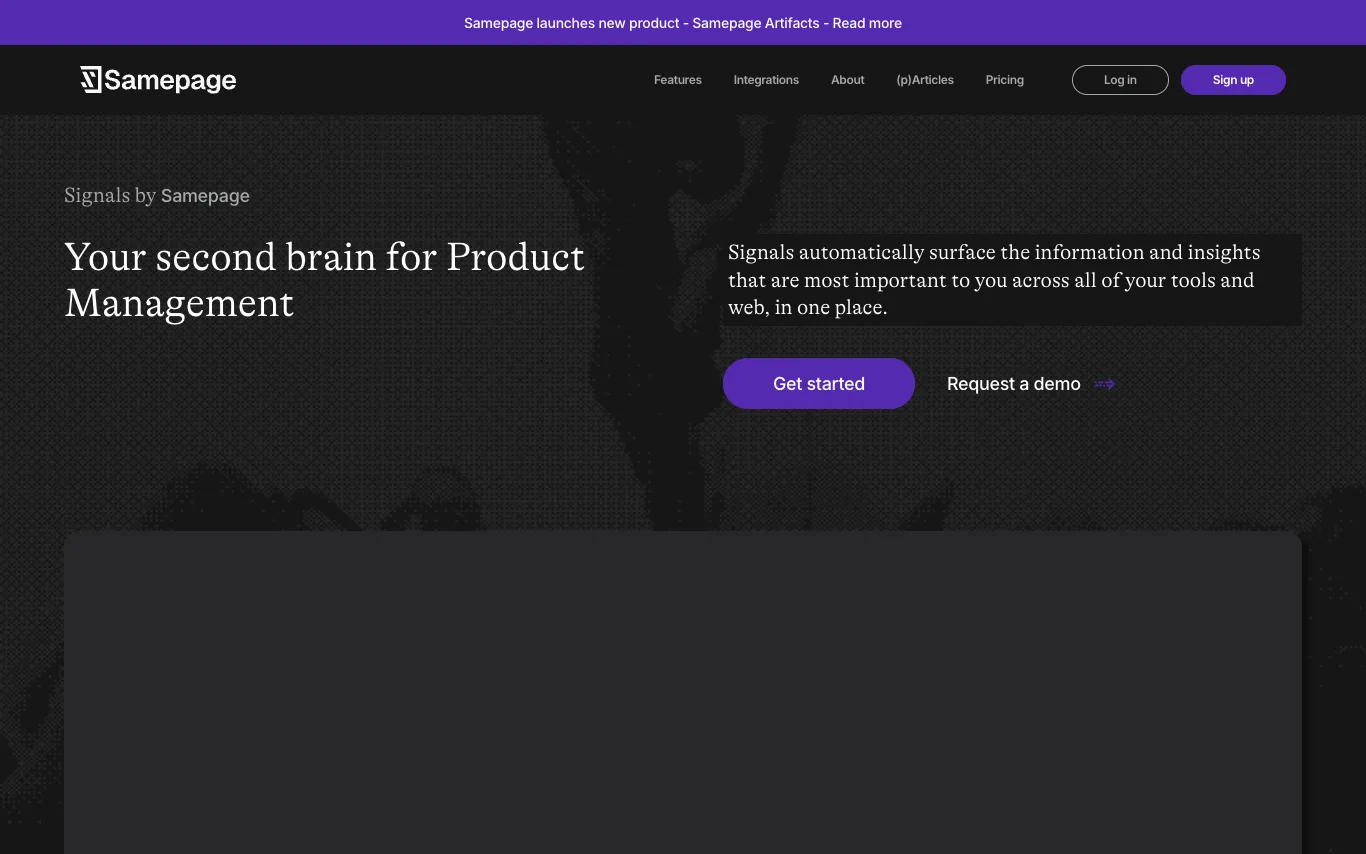

Signals by Samepage is a product management AI agent that automatically surfaces important information and insights from across your tools and the web, in one place. It synthesizes context, performs analysis, and connects insights to help product leaders stay informed. The platform integrates with critical workplace data sources like Slack, Jira, and Gong, and offers features such as automated signals, a context-aware agent, and secure data handling.
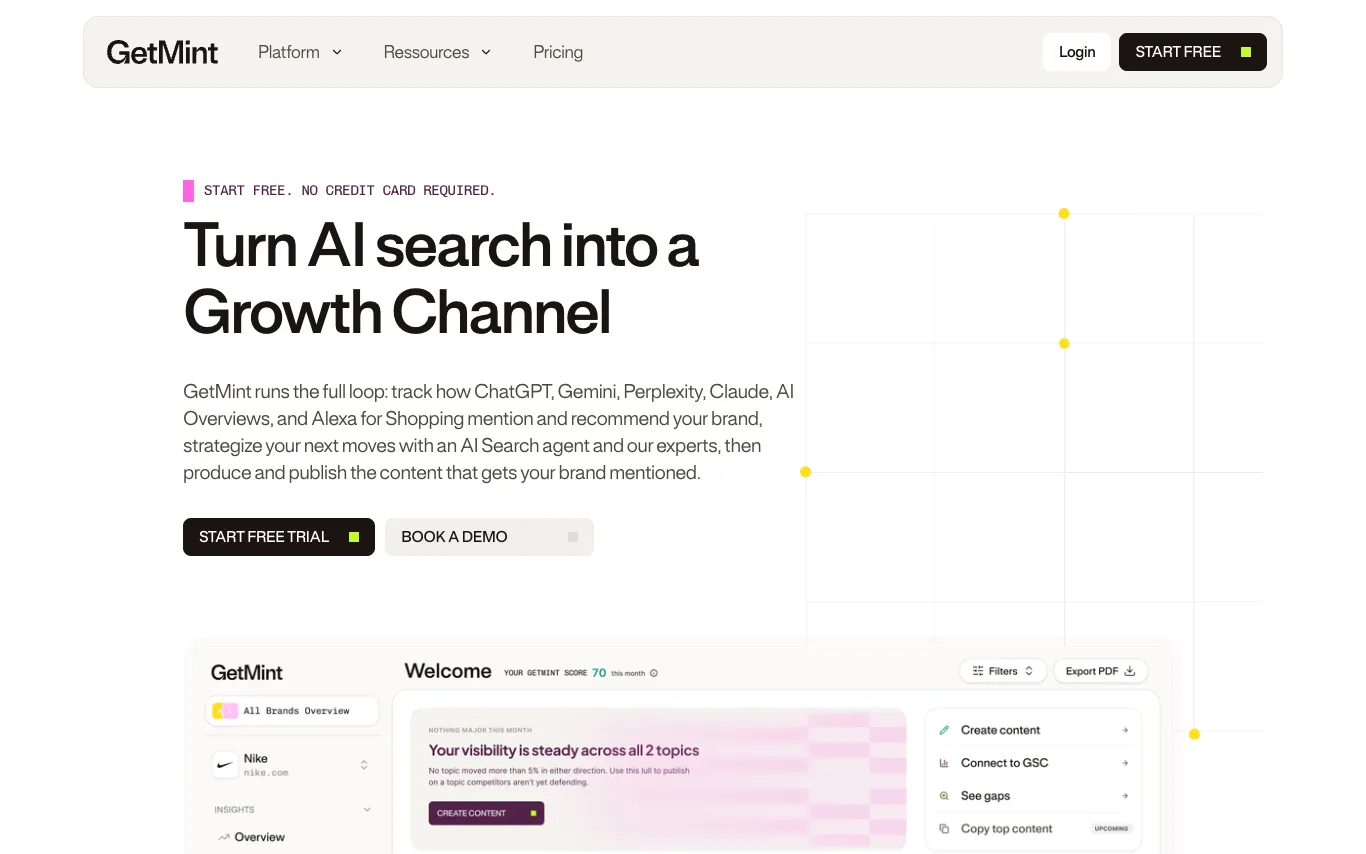

GetMint is a platform that helps brands monitor, improve, and grow their visibility across AI search engines like ChatGPT, Gemini, Perplexity, Claude, AI Overviews, and Alexa for Shopping. It provides tools to track brand mentions, analyze sentiment, identify content gaps, and publish content that AI sources trust. The platform aims to close the loop between insights and actions, enabling brands to become the recommended choice in AI-driven searches.
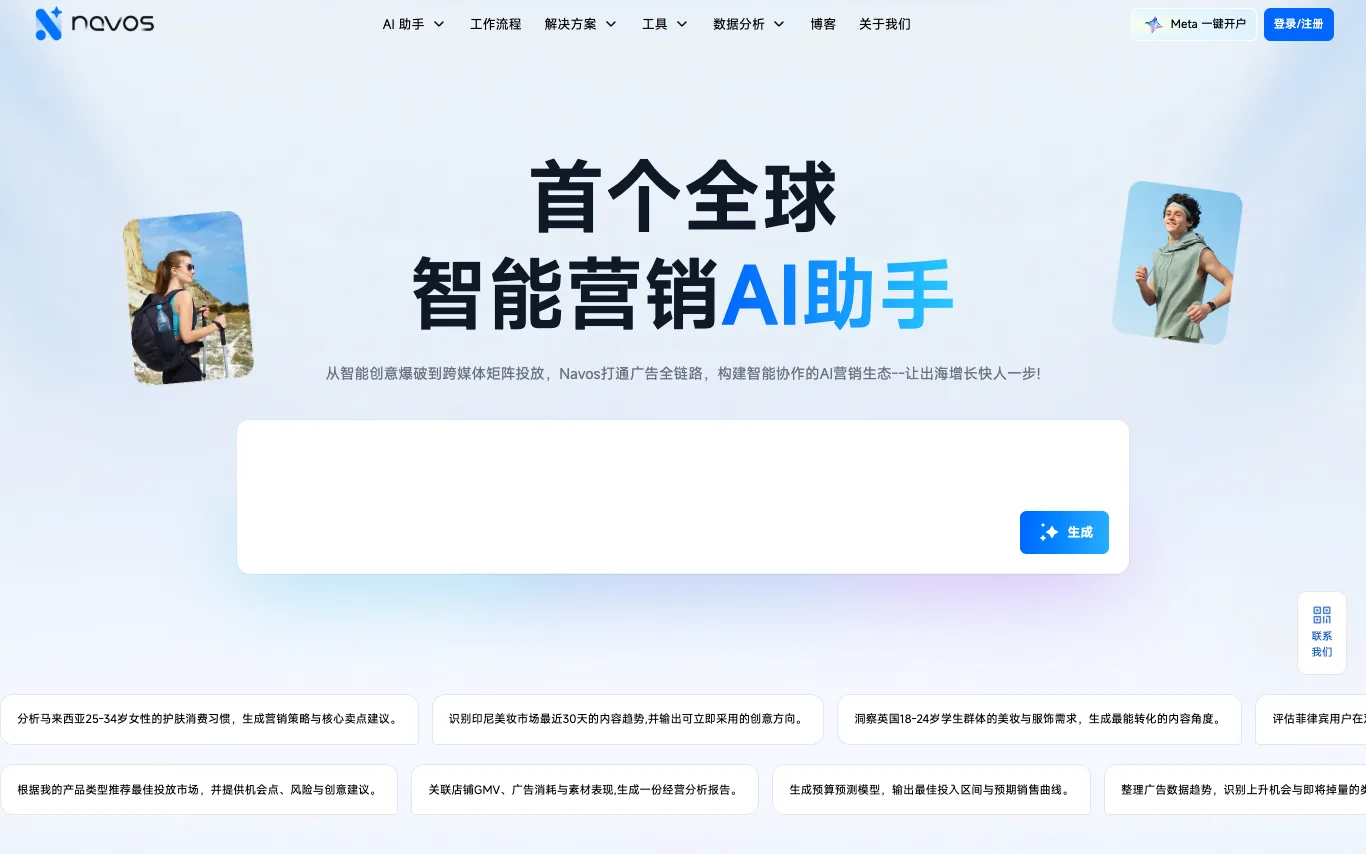

Navos是钛动科技打造的全时域、全链路智能营销助手,依托大模型基座与多AI智能体协作,覆盖“洞察-创意-投放-分析-增长”出海全场景,重构智能广告的未来中枢。
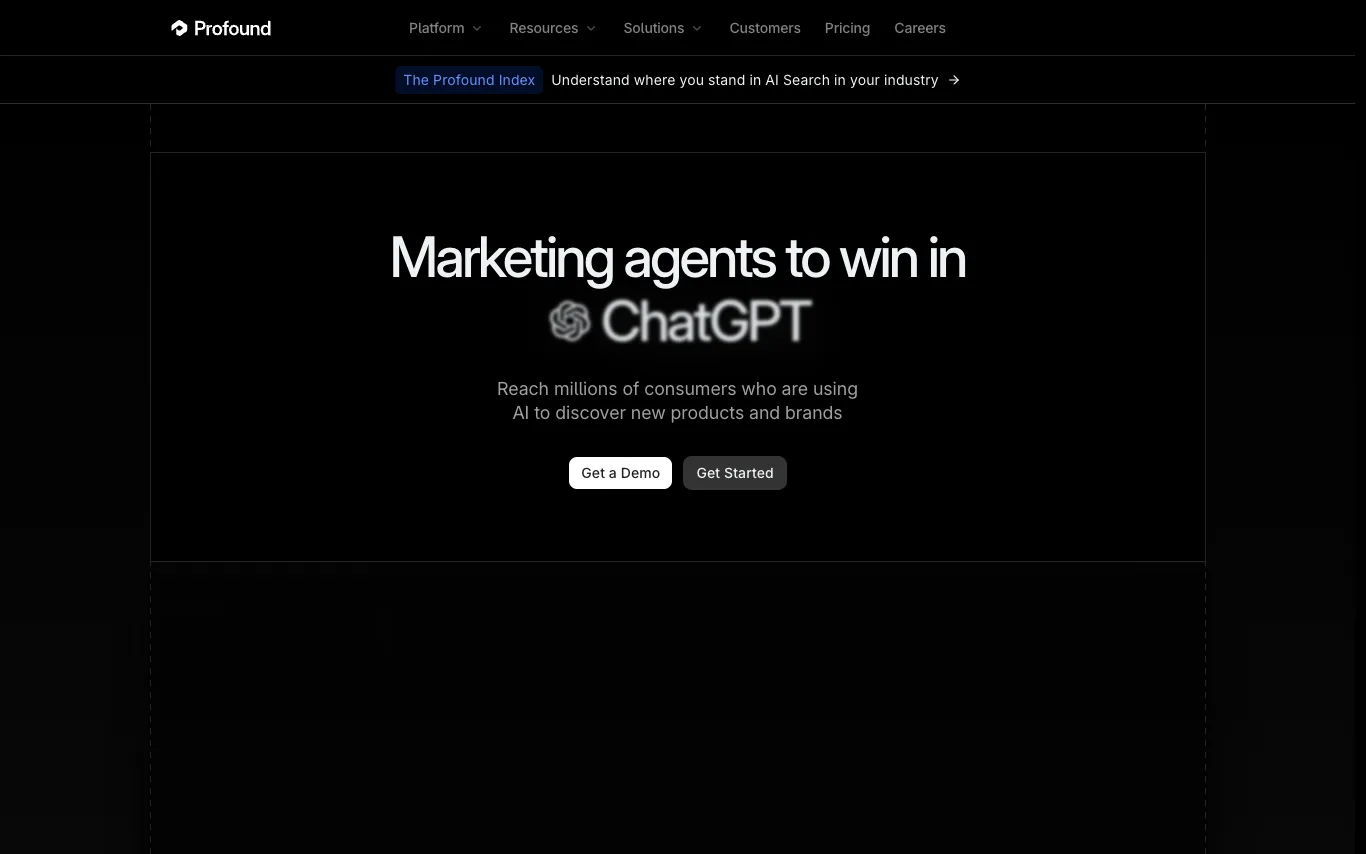

Profound is a full-stack marketing platform that helps brands gain visibility in AI-generated answers. It enables marketers to monitor, create, and operate AI-optimized content across answer engines like ChatGPT, Perplexity, and Gemini. With features like Answer Engine Insights, Prompt Volumes, Agents, and Agent Analytics, Profound provides tools to understand AI search demand, track brand representation, and automate content creation. The platform aims to help brands stay competitive in the zero-click world where AI answers dominate.
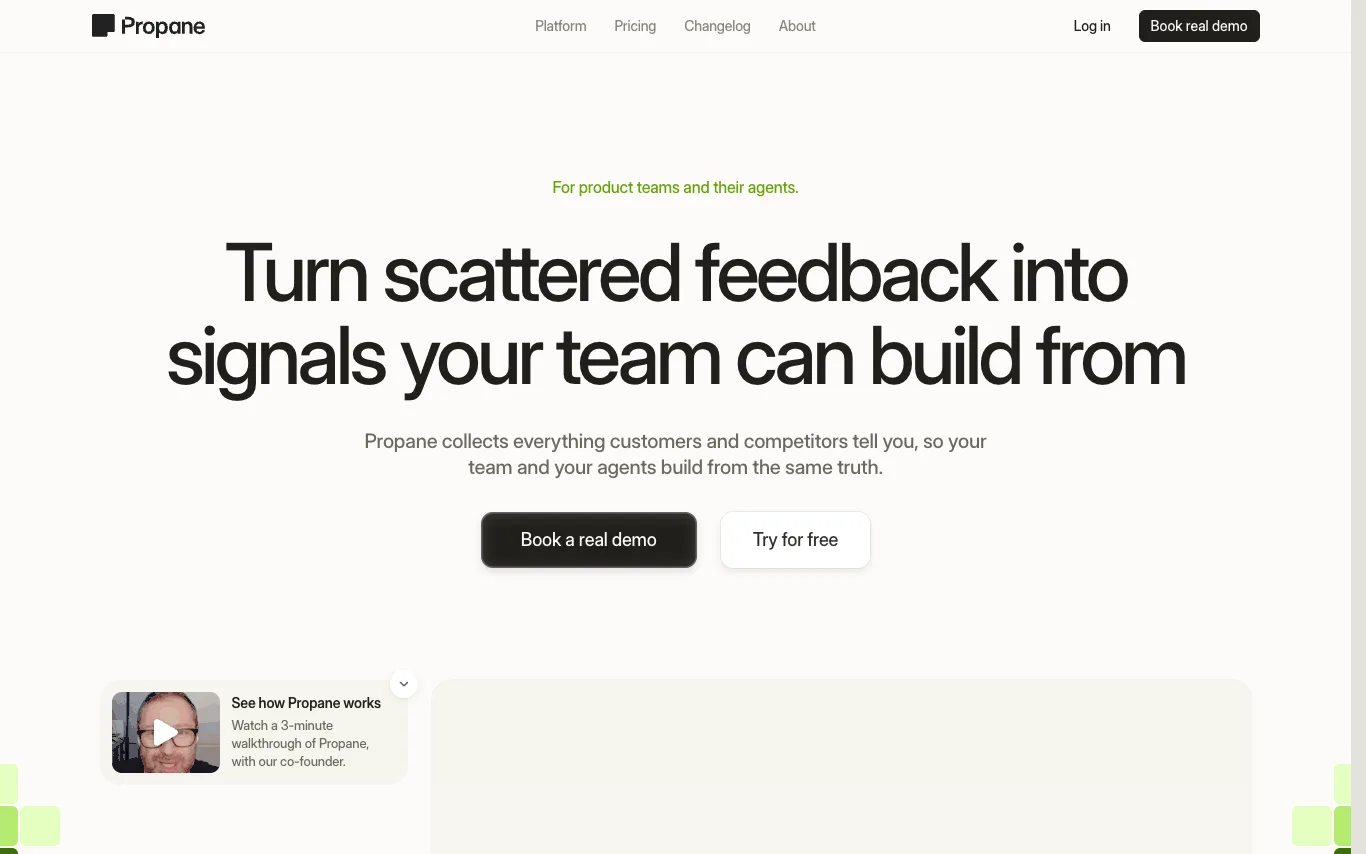

Propane connects all your customer data into one context your product team and agents build from. It collects everything customers and competitors tell you, so your team and your agents build from the same truth. With integrations from 300+ tools, Propane centralizes feedback, metrics, and context to help you build what customers actually want.
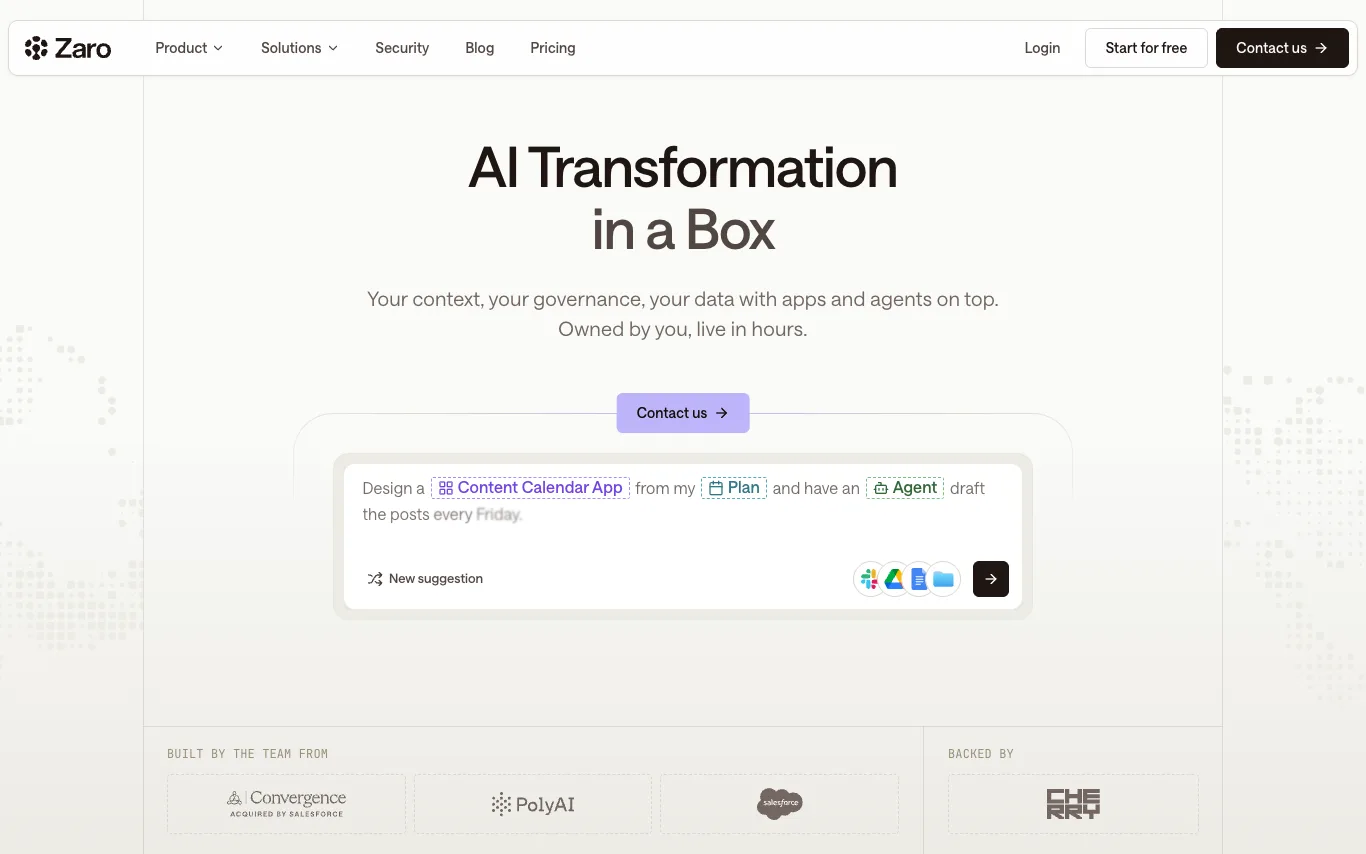

Zaro is an AI platform that provides a unified workspace where context, agents, and applications share one memory. It allows teams to capture documents, calls, decisions, and tickets in a versioned workspace, run agents on that data, and generate custom apps like dashboards and trackers. Zaro emphasizes data ownership, governance, and security, with features like access scoping, activity trails, and GDPR compliance. It is built by the team from Convergence, PolyAI, and Salesforce, and is backed by Cherry Ventures.
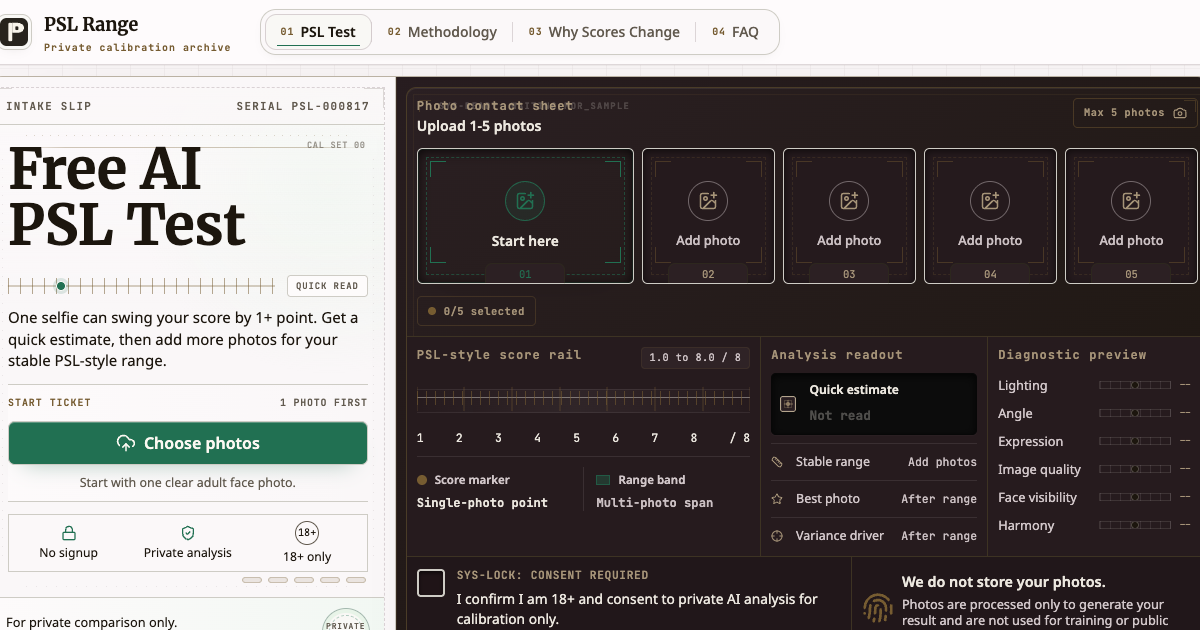

PSL Range is a free, private AI face rating tool built on the PSL scale. Upload one selfie for an instant /8 score estimate, then add up to 5 photos to get a stable score range, your best photo, and a clear breakdown of what moves your score - lighting, angle, expression, image quality, and visibility. No signup. No community rankings. No cruelty. Just a calibrated read of how your photos come across, with the numbers you came for and the context to make sense of them.
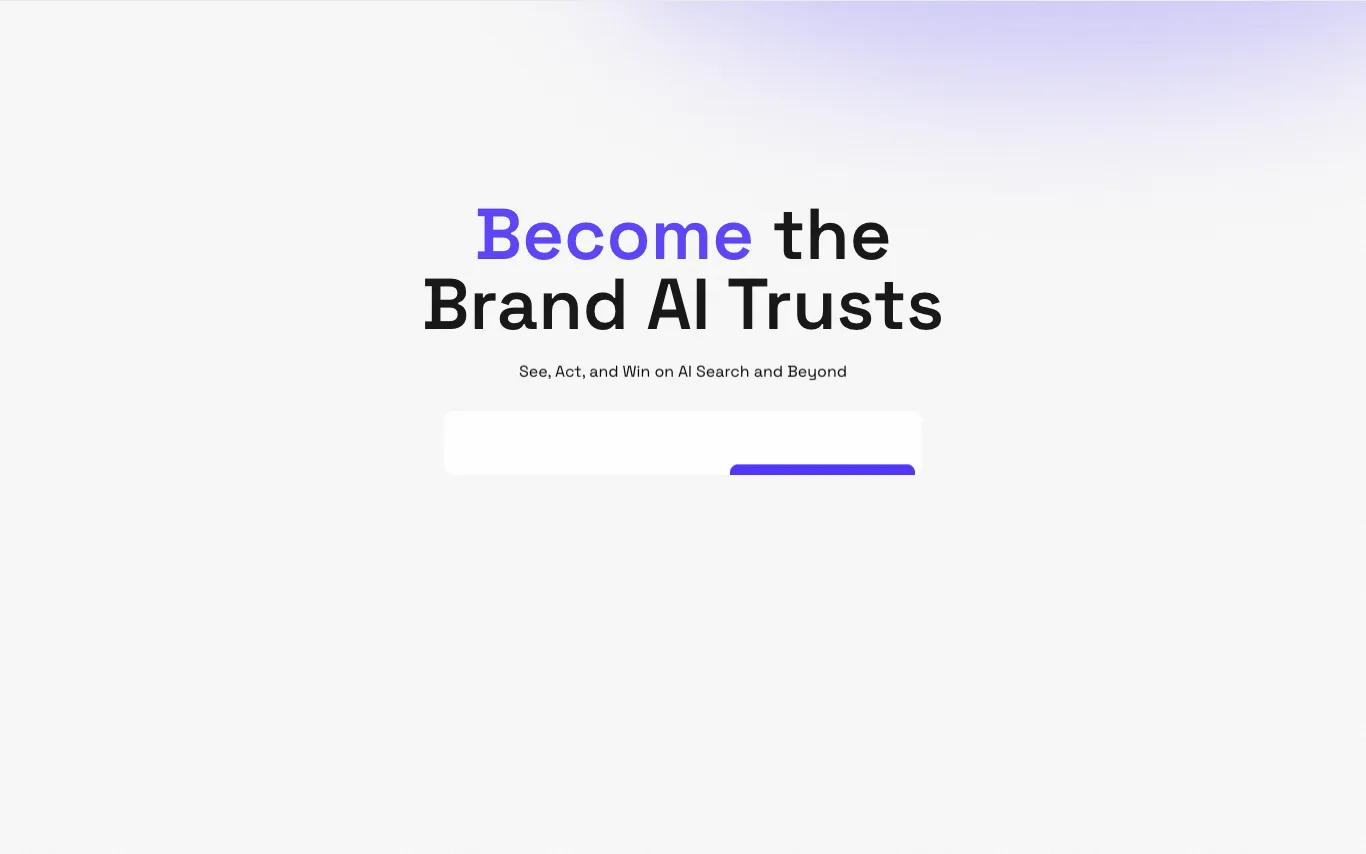

AthenaHQ is a leading AEO & GEO platform trusted by commercial & enterprise businesses to become the answer AI gives and the brand AI trusts. It provides tools for AI search optimization, including tracking brand mentions across 8+ major LLMs, identifying content gaps, and monitoring competitor visibility. The platform supports various use cases for AEO/GEO managers, CMOs, SEO professionals, PR teams, content marketers, and brand marketers.
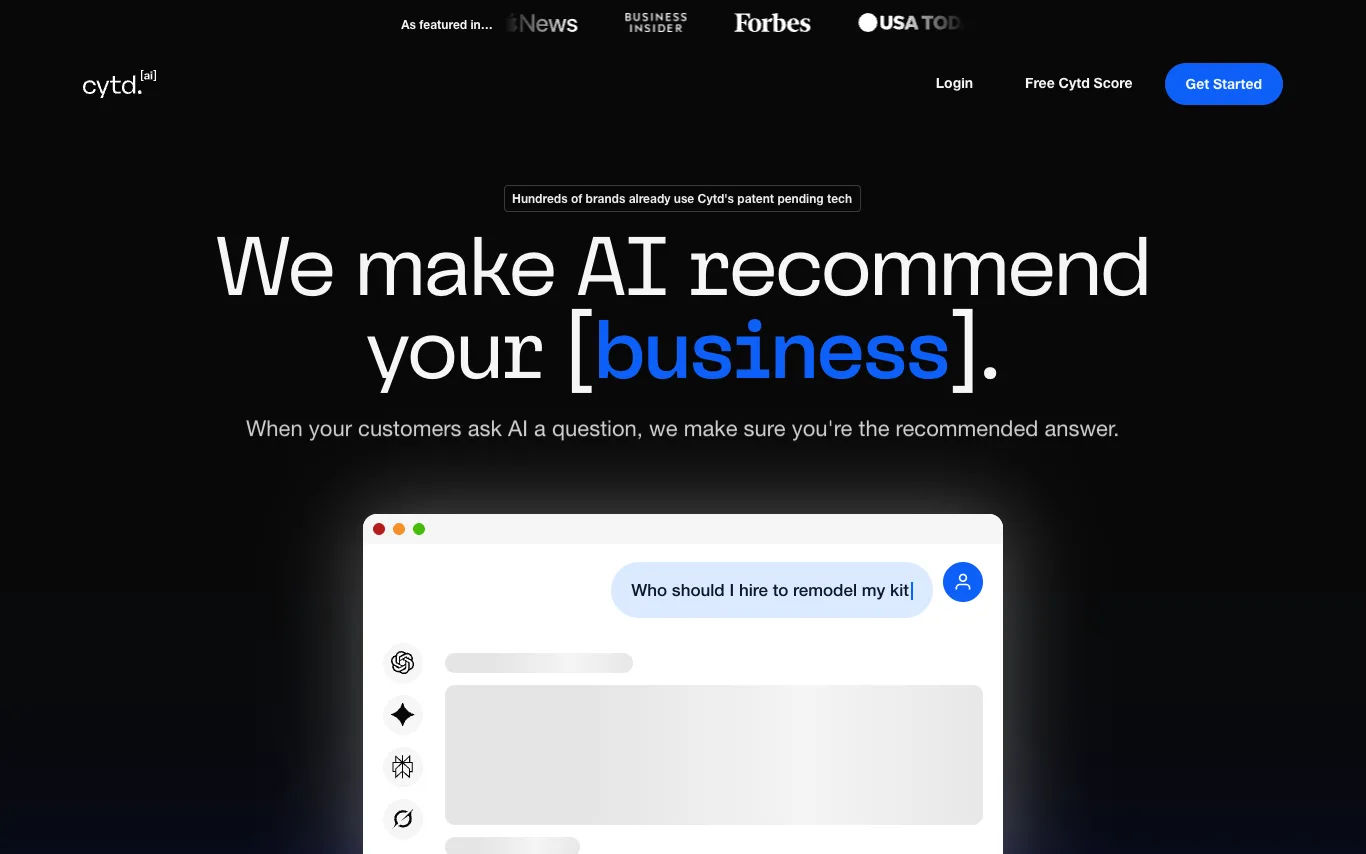

Cytd is a fully managed AI visibility platform that helps brands get recommended by AI assistants like ChatGPT, Gemini, and Perplexity. It provides a Cytd Score showing how often a brand appears in AI answers, and offers done-for-you services to improve visibility, authority, and coverage. The platform monitors multiple LLMs and provides monthly reports.


Entries is an AI diary and journal that helps you reflect on thoughts, emotions, and ideas through therapy-backed interactive journaling. It analyzes your entries to uncover patterns and challenge your thinking, offering features like voice typing, image insights, and goal adaptation. Your privacy and security are prioritized, with easy import/export options.
What is AI analytics?
AI analytics uses machine learning and natural language processing to explore data, surface insights, and answer questions in plain language instead of hand-written queries. It automates the slow parts of analysis — cleaning data, spotting patterns, flagging anomalies, and forecasting trends. Tools range from a conversational layer on top of a warehouse to full augmented-BI platforms that build the dashboards for you.
What AI analytics tools do
- Ask questions in plain language, get charts back
- Automated insight discovery across large datasets
- Anomaly detection with alerts on unusual metrics
- Forecasting and predictive models without code
- Auto-generated dashboards and narrative summaries
- Connectors to warehouses, spreadsheets, and SaaS data
Who uses AI analytics
01
Business teams self-serving data
Marketers, ops, and founders ask data questions without waiting on an analyst or writing SQL.
02
Data analysts speeding up work
Automate cleaning, exploration, and first-pass insights so analysts focus on the hard questions.
03
Product and growth monitoring
Track key metrics, catch anomalies early, and understand why the numbers moved.
04
Executives wanting plain-language reports
Get narrative summaries and forecasts from dashboards without reading raw data tables.
How AI analytics works
The tool connects to your data — a warehouse, spreadsheet, or app — and profiles it so it knows the columns and how they relate. When you ask a question, an LLM translates it into a query, runs it, and returns charts or a written answer, while statistical and ML models handle forecasting and anomaly detection. Many tools also scan data on a schedule to surface insights you never thought to ask for.