

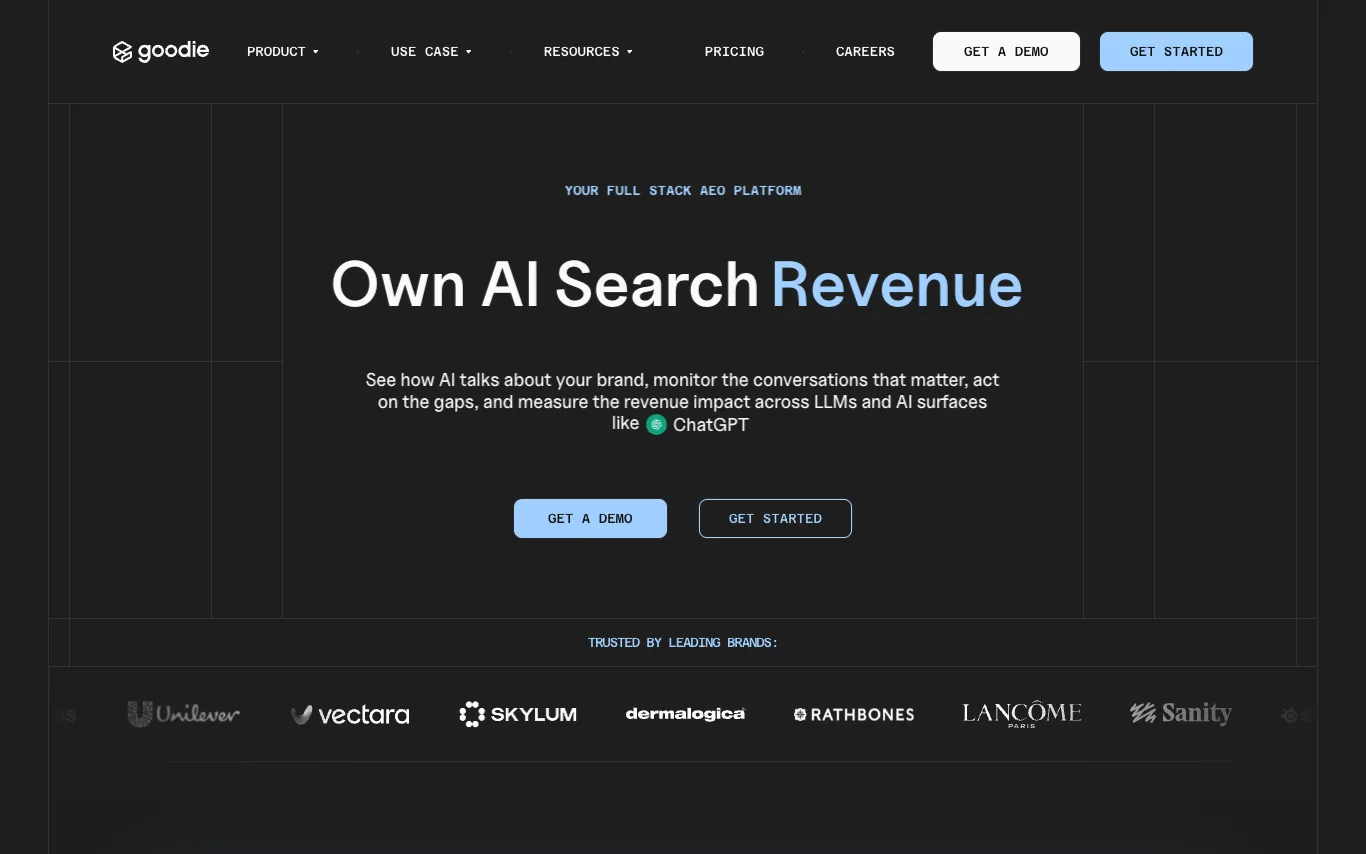

Goodie is an AI Search Visibility and Answer Engine Optimization (AEO) platform that helps brands monitor, analyze, and optimize their presence across leading AI search platforms. It tracks brand presence in real time, offers competitor analysis, and provides actionable content optimization recommendations through a centralized hub. Leading brands across finance, retail, SaaS, and beyond use Goodie to dominate AI search, scale their presence, and measure the revenue growth that follows.
AI Analytics · 52 tools
Best AI Analytics Tools (2026)
Compare AI analytics tools for natural-language data queries, automated dashboards, insight discovery, anomaly detection, forecasting, and conversational BI.
All AI Analytics tools
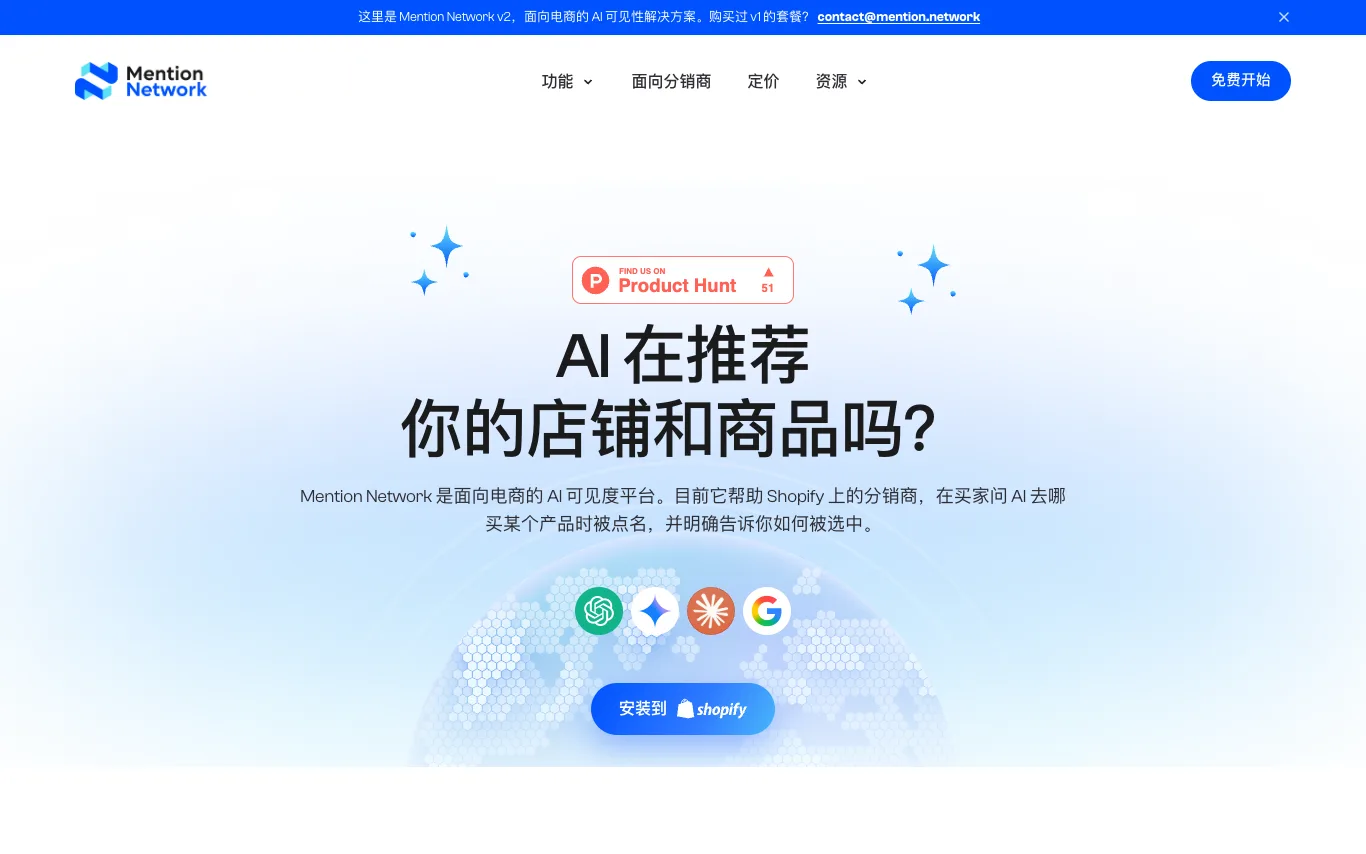

Mention Network is an AI visibility solution for Shopify resellers. It checks whether AI assistants like ChatGPT, Gemini, Claude, and Google AI Mode name your store when shoppers ask where to buy a product. It provides a health score across 40 signals, identifies why you're not picked, and offers one-click fixes inside Shopify admin. The first product check and audit are free, no credit card required.
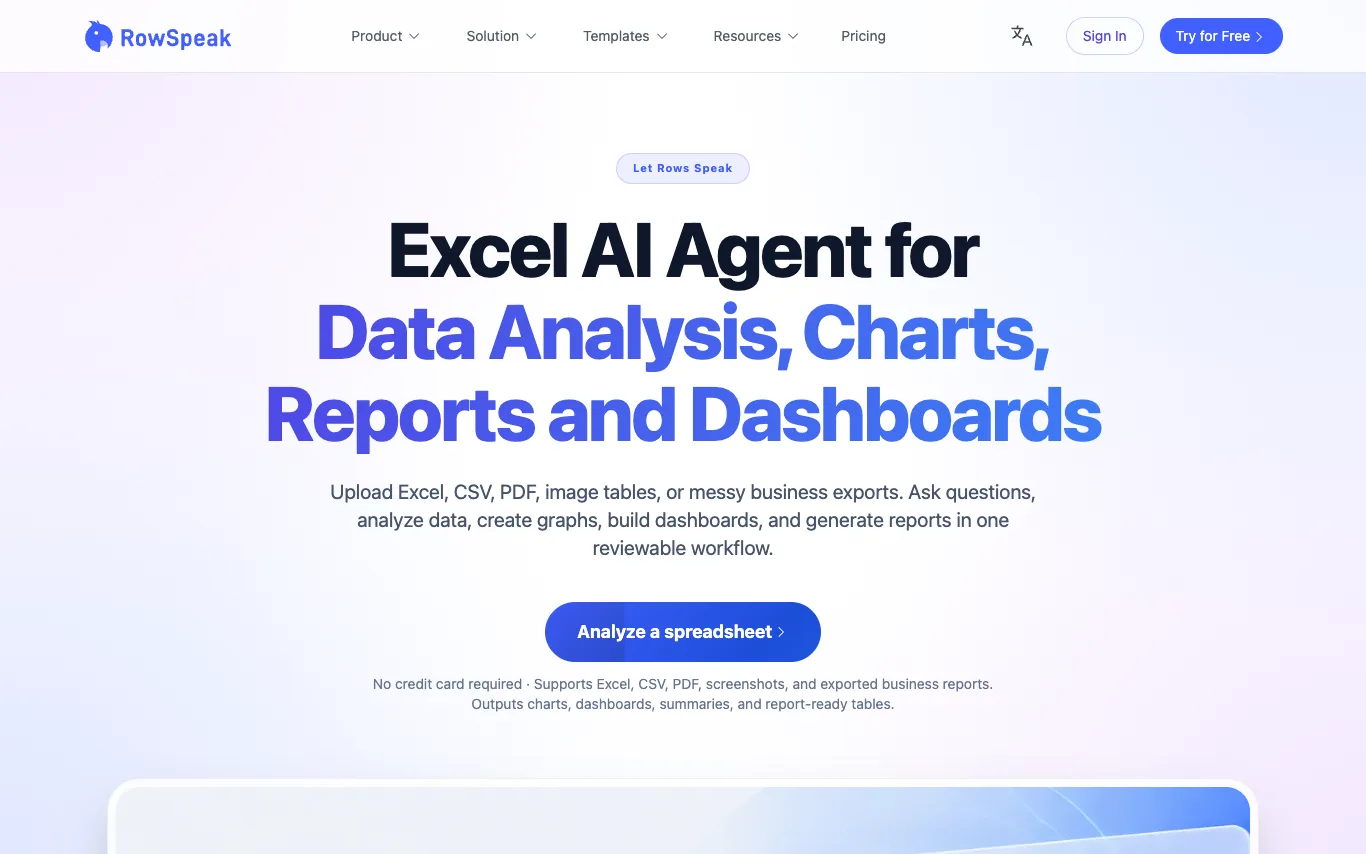

RowSpeak is an Excel AI agent that analyzes messy Excel, CSV, PDF, and image tables. It helps users find trends, explain changes, and create charts, dashboards, and reports. The platform supports natural language queries, data cleaning, and repeatable workflows, making it suitable for business teams.


ZooData is an agent-native commerce intelligence API providing clean JSON data for AI agents. It offers real-time product data, market analysis, and competitor lookup across Amazon and TikTok Shop. With 500M+ tracked products and 2+ years of historical data, ZooData delivers structured, decision-ready insights. The platform is designed for integration with AI frameworks like LangChain, CrewAI, and Claude MCP.
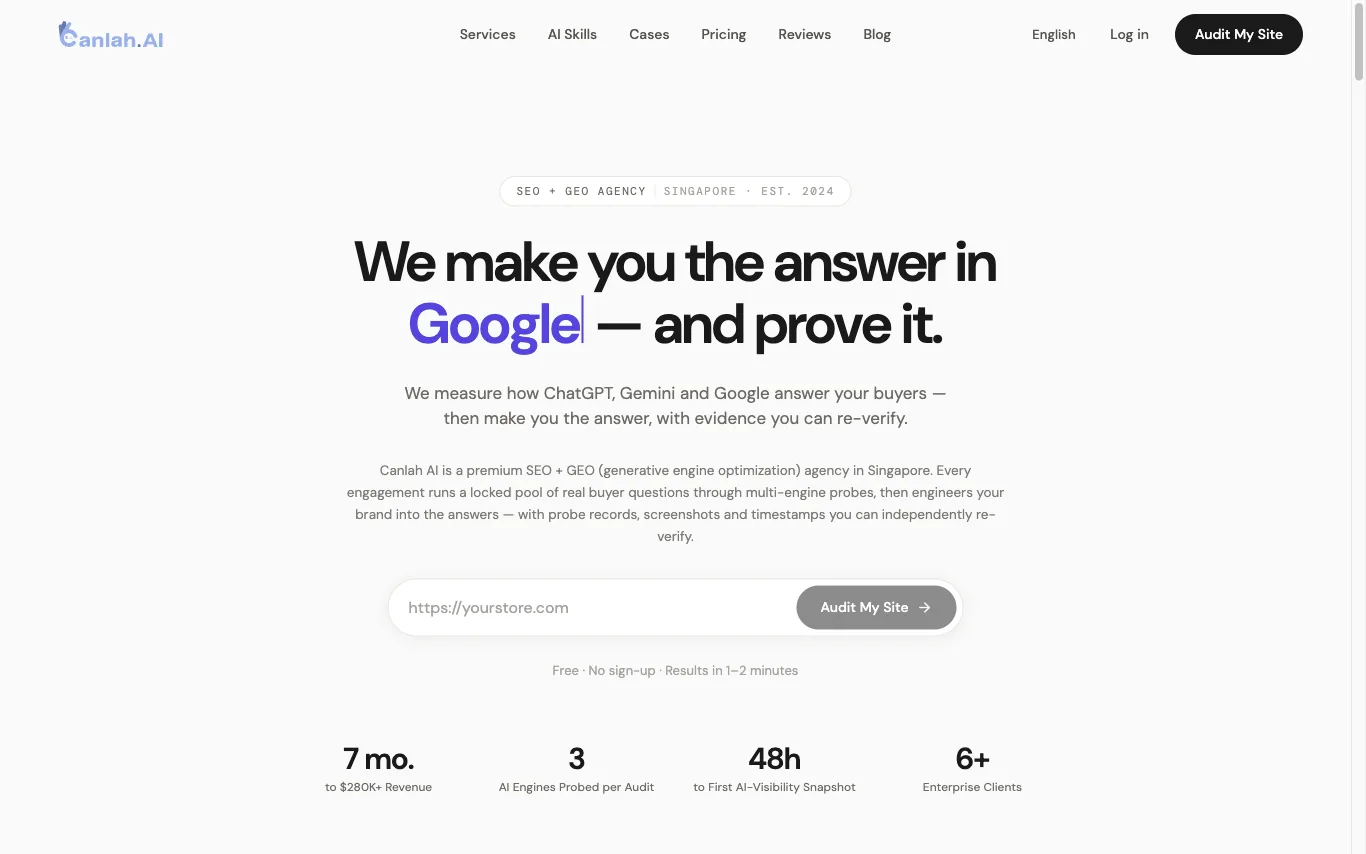

Canlah AI is a Singapore-registered SEO and GEO (generative engine optimization) agency that measures how often AI assistants cite a brand, then works to raise that share. Its free entry point is a self-serve audit at canlah.ai/audit: enter a URL and it returns a weighted GEO score out of 100 in one to two minutes, with no sign-up required. The audit scores six dimensions at fixed weights — AI Citability (25%), Brand Authority (20%), Content Quality (20%), Technical Foundations (15%), Structured Data (10%), and Platform Optimization (10%). It detects whether the site is e-commerce, SaaS, or local first and applies only the dimensions that fit. Creating a free account unlocks the full breakdown, a deeper five-to-eight-minute scan, and a downloadable PDF. The site is explicit that the score measures how citable a site is, not how often engines currently cite it. Paid engagements run a three-stage protocol: lock a pool of real buyer queries and probe it across ChatGPT, Gemini, and Google to set a baseline; build the on-site and off-site foundation (answer capsules, schema, llms.txt, comparison pages, earned citations); then re-run the identical protocol monthly and report before/after citation share with archived screenshots and timestamps. Delivery is handled by six named AI agents split across a decision center and a delivery center, supervised by human strategists. Retainers come in three tiers — Visibility, Authority, and Flagship — priced per engagement rather than published, and the agency states in writing that it does not guarantee rankings or citations.
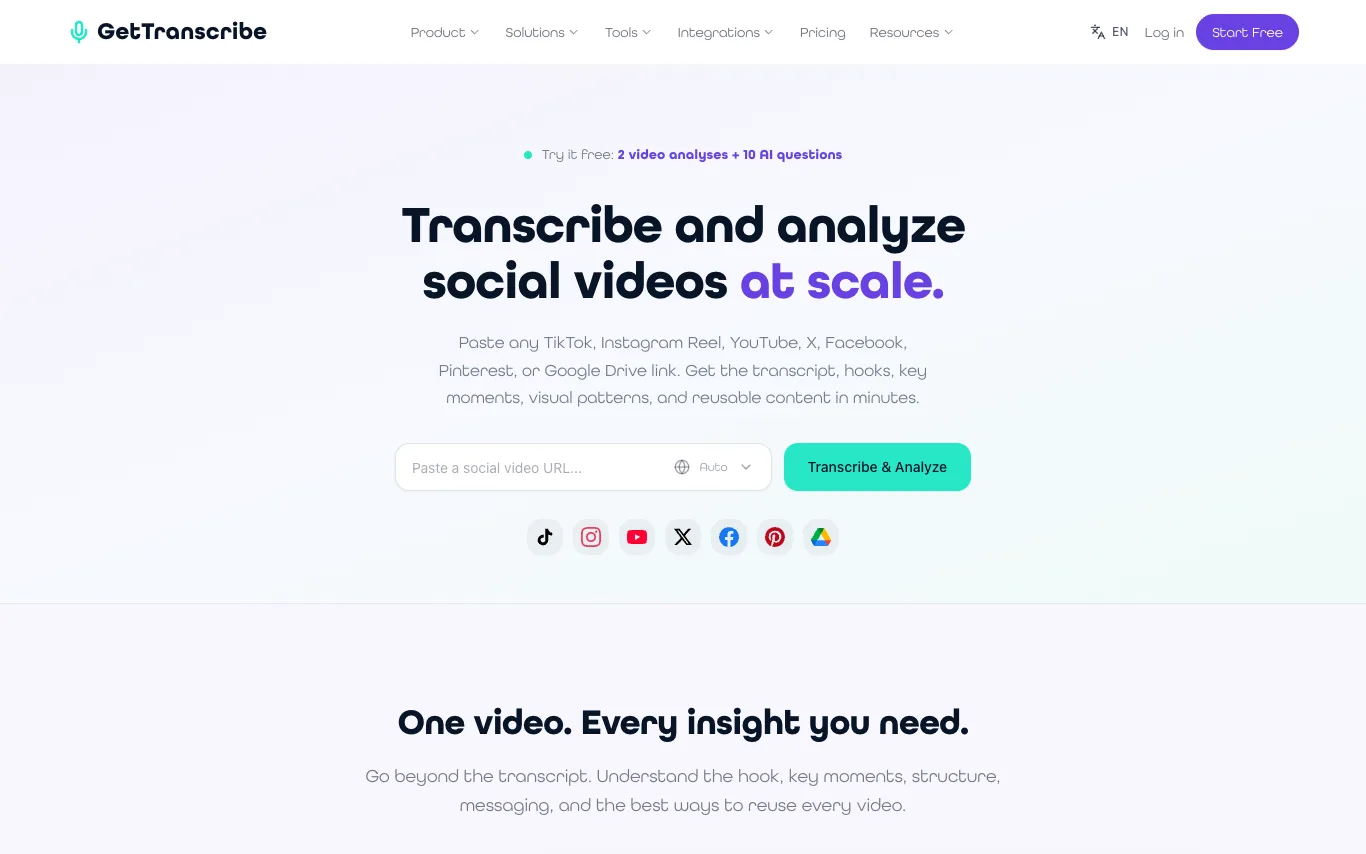

GetTranscribe is a tool that transcribes and analyzes social videos from platforms like TikTok, Instagram Reels, YouTube, X, Facebook, Pinterest, and Google Drive. It provides transcripts, hooks, key moments, visual patterns, and reusable content. Users can compare competitor accounts, uncover recurring patterns, identify content gaps, and generate creative briefs. The platform includes a video library for organizing and searching videos, and offers integrations with tools like Zapier, Make, n8n, and an API.
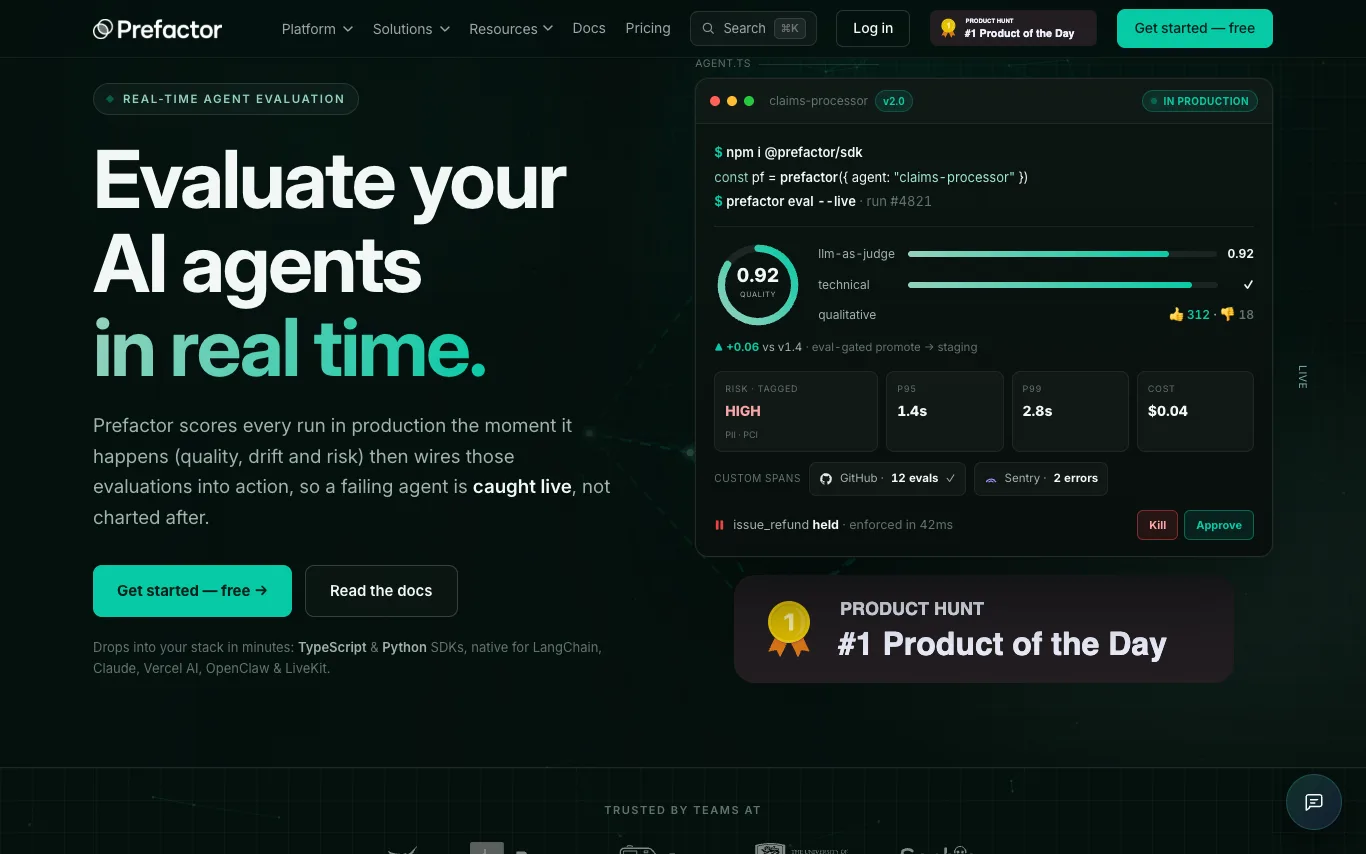

Prefactor is an agent observability and evaluation platform that scores every run in production for quality, drift, and risk, then wires those evaluations into action. It provides real-time tracing, custom evals, and runtime enforcement with human-in-the-loop approval. The platform integrates with TypeScript and Python SDKs, native for LangChain, Claude, Vercel AI, OpenClaw, and LiveKit, and supports custom spans to bring any datasource into the run. Prefactor also offers versioning, staging, and promotion for agents, plus enterprise security features.

Scrunch is an AI customer experience platform that helps businesses monitor their brand presence in AI search, analyze and optimize their websites, and deliver content directly to AI agents. It offers tools like Agent Experience Platform (AXP), Agent Traffic, Site Maps, Monitoring & Citations, Insights, Shopping, and AI Search Trends. Scrunch is trusted by over 500 companies and agencies.
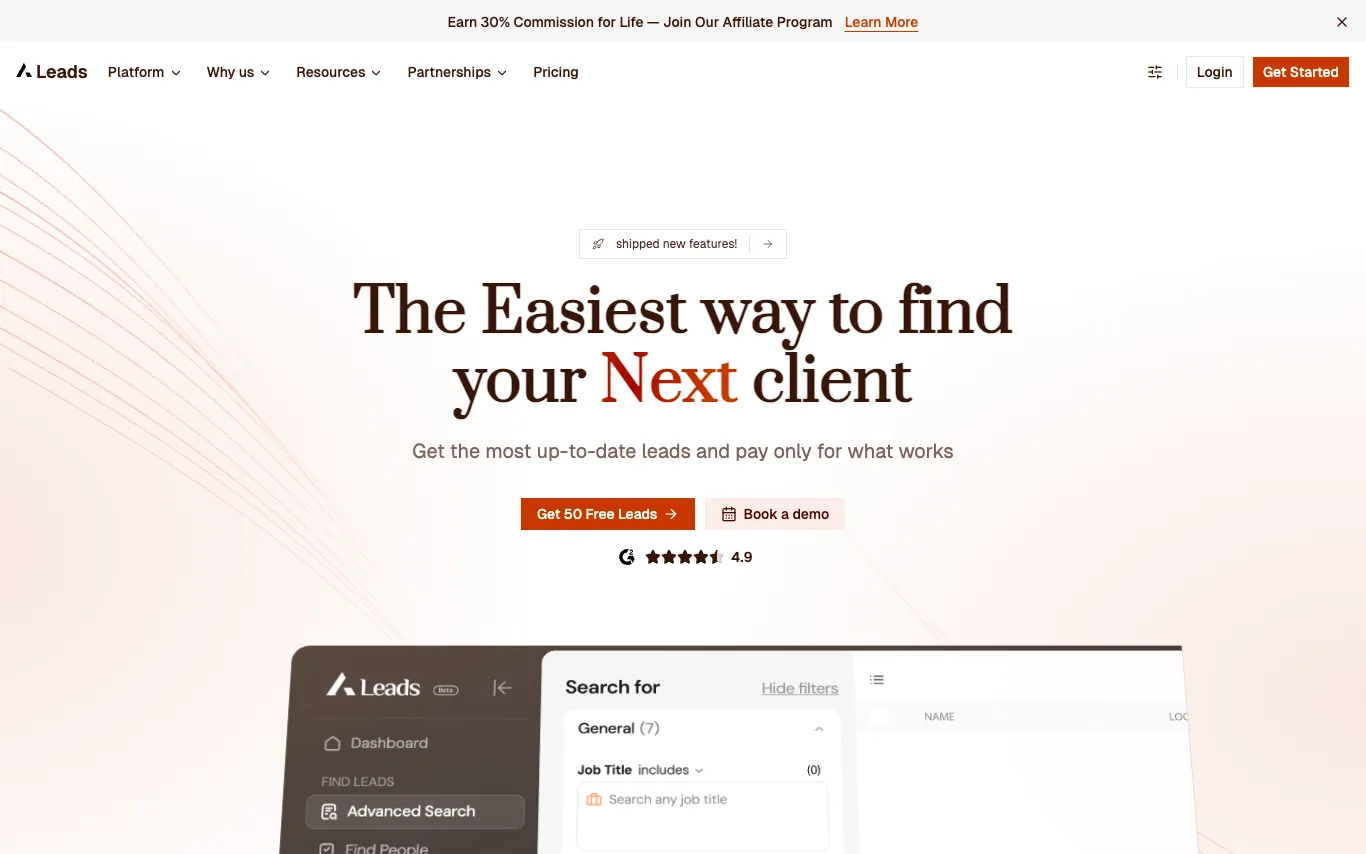

A-Leads is a B2B lead database and enrichment platform that provides verified emails, phone numbers, and company data. Users can search and filter leads by job title, seniority, revenue, headcount, industry, and keywords. The platform offers real-time data verification, an error-free guarantee, and pay-per-valid-lead pricing. It integrates with popular CRM and sales tools and is trusted by over 15,000 users.
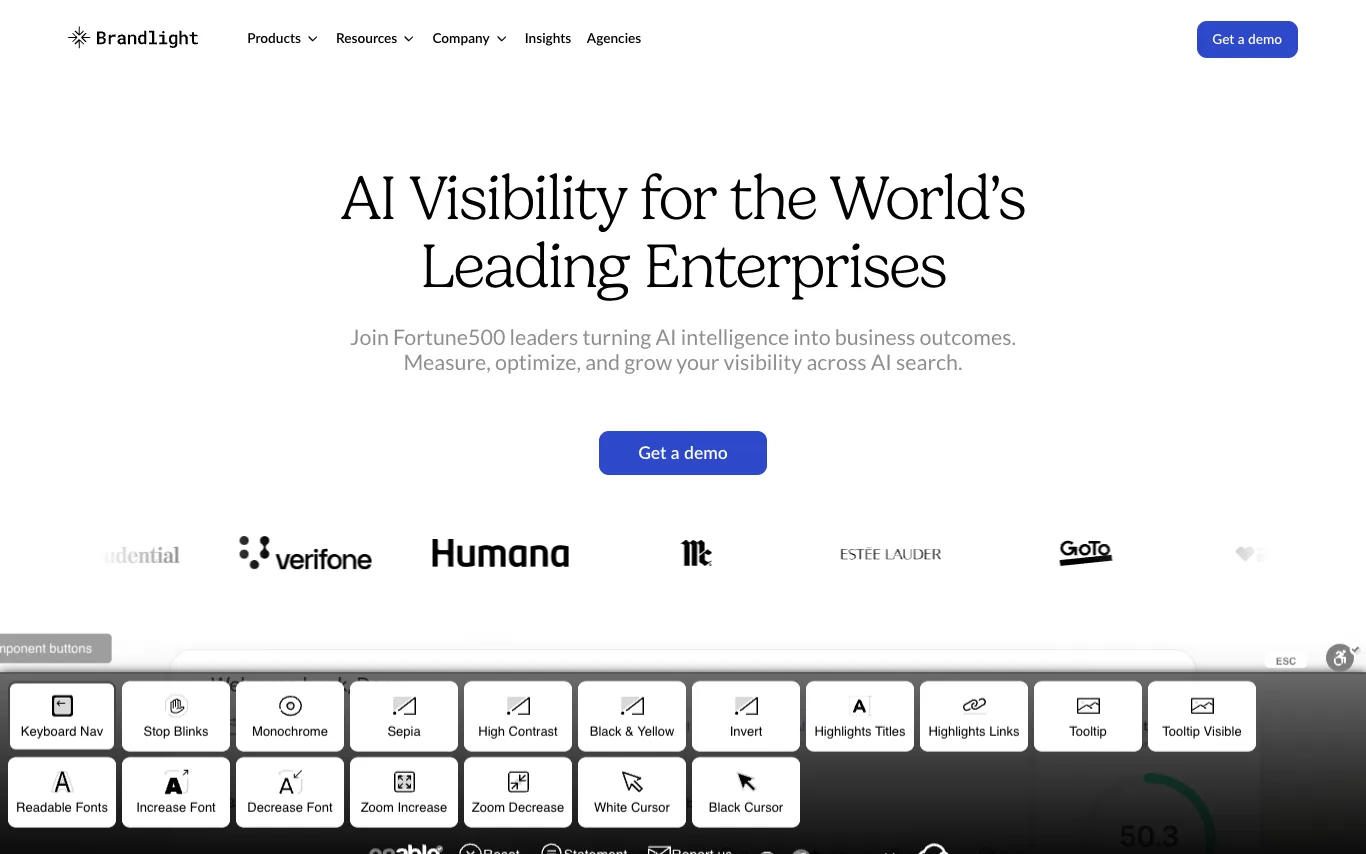

Brandlight is an enterprise platform for AI brand visibility. It helps brands measure, optimize, and grow their presence across AI search engines like ChatGPT, Gemini, and Perplexity. Trusted by Fortune 500 leaders, Brandlight provides real attribution data, visibility intelligence, and a roadmap to tie AI search directly to business outcomes. The platform is SOC 2 Type 2 compliant and offers white-glove support.
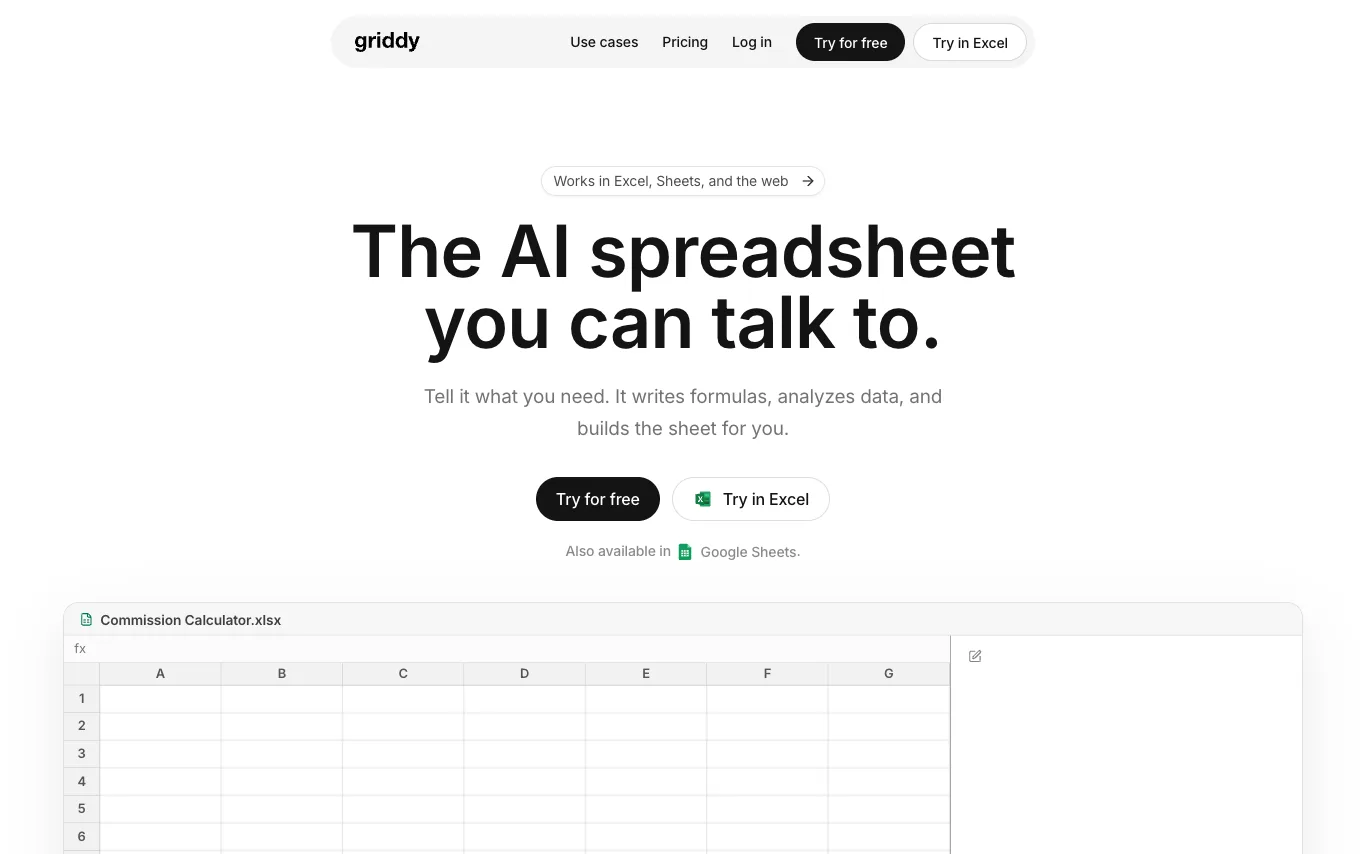

Griddy is an AI-powered spreadsheet assistant that works in Microsoft Excel, Google Sheets, and the web. Users describe what they need in plain language, and Griddy writes formulas, generates charts, cleans data, and builds reports. It is trusted by individuals at companies like Google, PwC, PepsiCo, Capgemini, Lenovo, and Amazon.
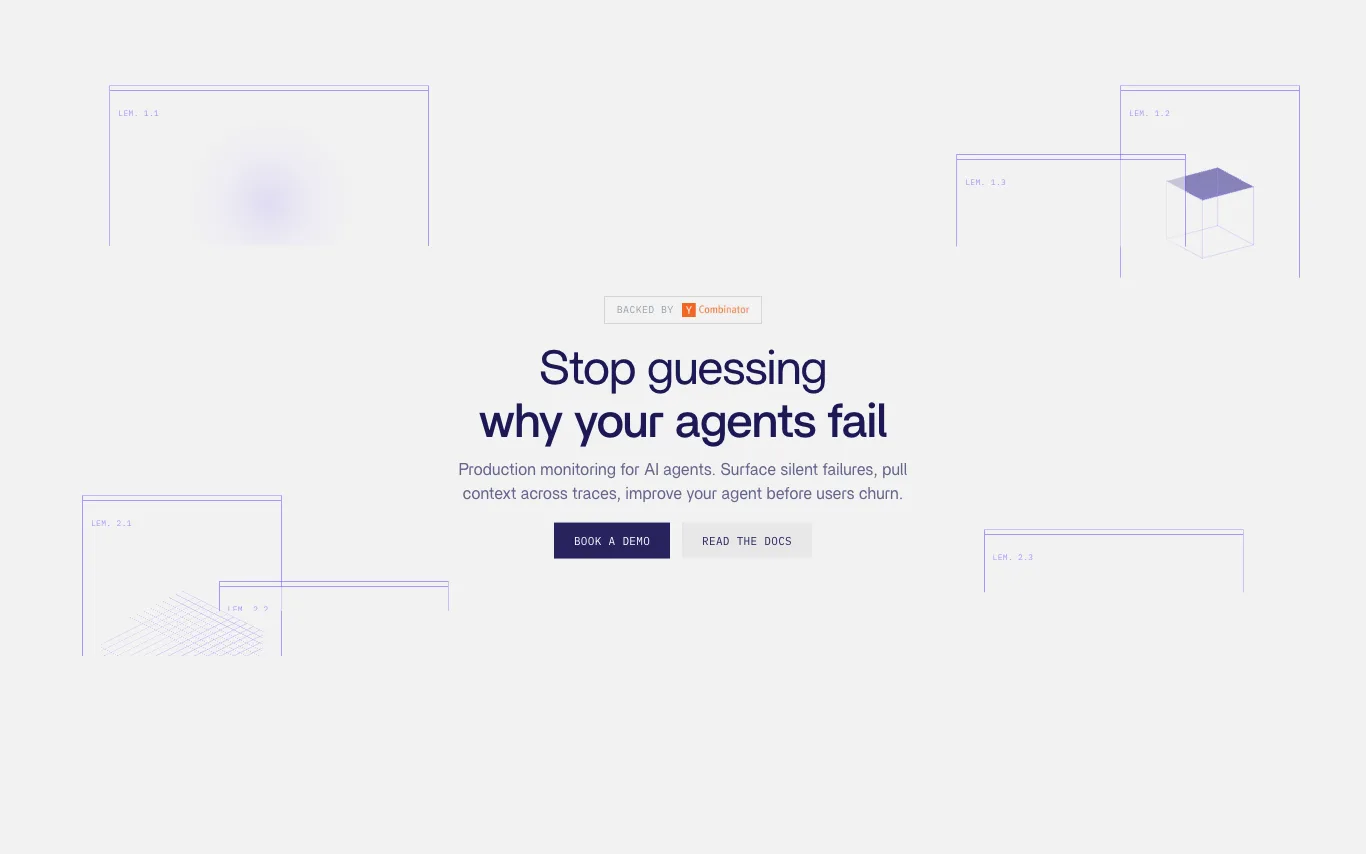

Lemma is a production monitoring platform for AI agents. It audits every trace against your agent's instructions, groups recurring failures into issues, and alerts you in Slack. With native integrations for frameworks like Vercel, OpenAI, and LangGraph, Lemma helps you fix issues in your coding agent and ship with confidence.
What is AI analytics?
AI analytics uses machine learning and natural language processing to explore data, surface insights, and answer questions in plain language instead of hand-written queries. It automates the slow parts of analysis — cleaning data, spotting patterns, flagging anomalies, and forecasting trends. Tools range from a conversational layer on top of a warehouse to full augmented-BI platforms that build the dashboards for you.
What AI analytics tools do
- Ask questions in plain language, get charts back
- Automated insight discovery across large datasets
- Anomaly detection with alerts on unusual metrics
- Forecasting and predictive models without code
- Auto-generated dashboards and narrative summaries
- Connectors to warehouses, spreadsheets, and SaaS data
Who uses AI analytics
01
Business teams self-serving data
Marketers, ops, and founders ask data questions without waiting on an analyst or writing SQL.
02
Data analysts speeding up work
Automate cleaning, exploration, and first-pass insights so analysts focus on the hard questions.
03
Product and growth monitoring
Track key metrics, catch anomalies early, and understand why the numbers moved.
04
Executives wanting plain-language reports
Get narrative summaries and forecasts from dashboards without reading raw data tables.
How AI analytics works
The tool connects to your data — a warehouse, spreadsheet, or app — and profiles it so it knows the columns and how they relate. When you ask a question, an LLM translates it into a query, runs it, and returns charts or a written answer, while statistical and ML models handle forecasting and anomaly detection. Many tools also scan data on a schedule to surface insights you never thought to ask for.