

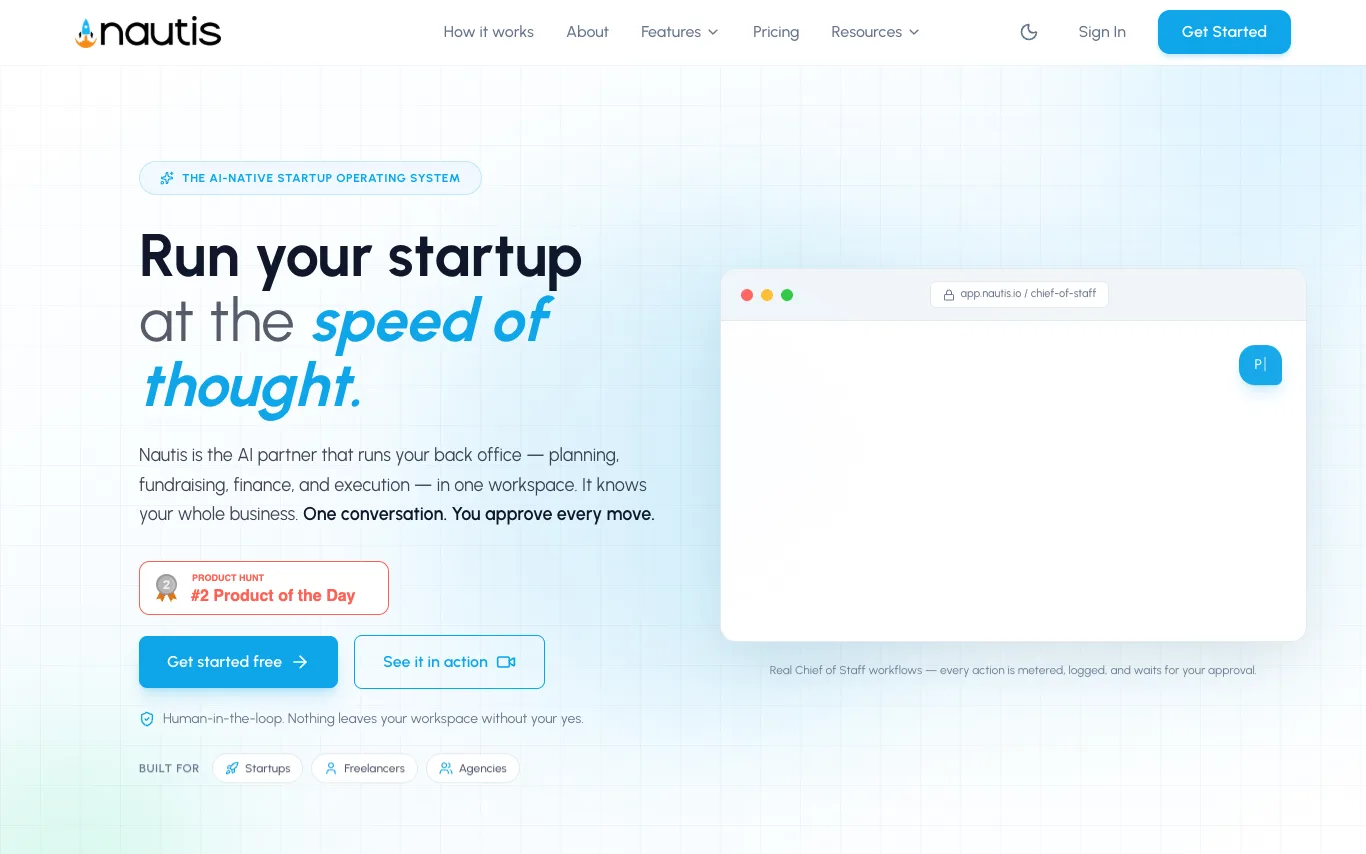

Nautis is an AI-native startup operating system that unifies planning, fundraising, finance, and execution in one workspace. It acts as an AI business partner with full business context, reading every document, deal, number, and thread. It performs real work across modules like CRM, data rooms, and finance, but always requires human approval before any external action. Designed for startups, freelancers, and agencies, Nautis aims to reduce tool sprawl and provide a single, intelligent workspace.
AI Analytics · 52 tools
Best AI Analytics Tools (2026)
Compare AI analytics tools for natural-language data queries, automated dashboards, insight discovery, anomaly detection, forecasting, and conversational BI.
All AI Analytics tools
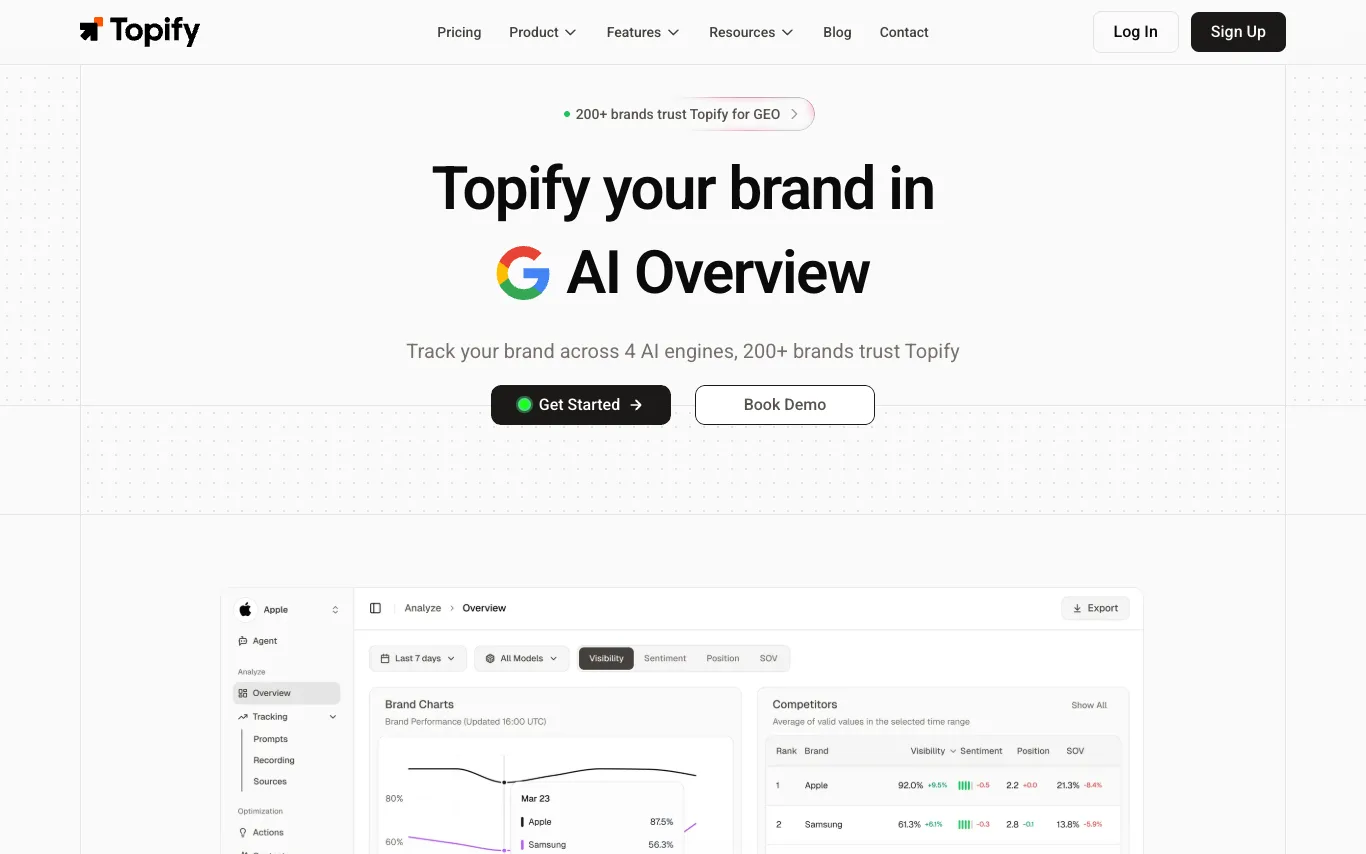

Topify is a Generative Engine Optimization (GEO) platform that helps brands get recommended by AI search engines like ChatGPT, Gemini, and Perplexity. It tracks brand mentions, citations, and competitor presence across four AI engines. The platform provides analytics, prompt discovery, and execution tools to improve AI visibility. Trusted by over 200 brands, Topify offers a dashboard for monitoring and optimizing AI search presence.

XHawk is a multiplayer AI platform for human-agent collaboration. It enables teams to operate with a shared company brain, coordinating specialized agents across product, analytics, and engineering. Agents run 24x7, execute tasks in batch mode, and every action is audited and remembered, building a compounding knowledge layer.

Bluesminds is an enterprise AI intelligence platform that connects data, applies AI, and enables decision-making. It deploys autonomous AI agents for complex tasks, offers decision intelligence, and operates a sovereign, air-gappable network across 29 regions. Trusted by 500+ enterprise organizations, it powers 2.4B+ decisions with 99.99% uptime.
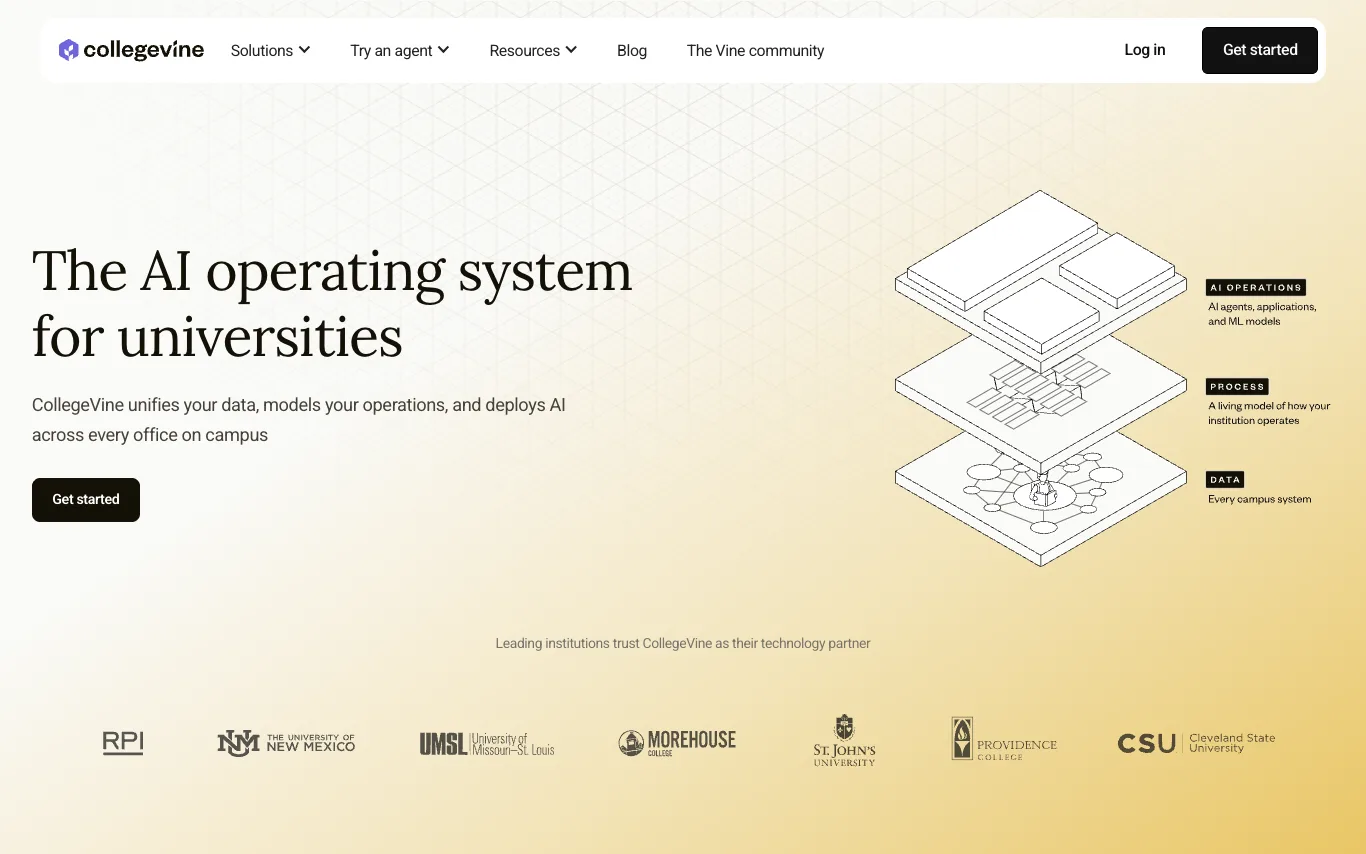

CollegeVine is an AI operating system for universities that unifies data, models operations, and deploys AI across every office on campus. It provides an operational intelligence platform with three layers: data, process, and AI operations. The platform enables institutions to launch transformational AI initiatives within days, with security and permissions enforced at every layer.


Lium is a workflow automation platform that enables users to connect and analyze their data. It provides a chat-based interface where users can ask questions about their data and receive insights. The platform includes pre-built workflows for various domains such as weather, utilities, logistics, and finance, allowing users to quickly access specialized analyses.

screenpipe is a screen record app that captures screen and audio, making everything searchable and automating workflows. It provides a private context layer for AI agents, enabling them to search, understand, and act on your work. Local-first and private, it supports macOS, Windows, and Linux.
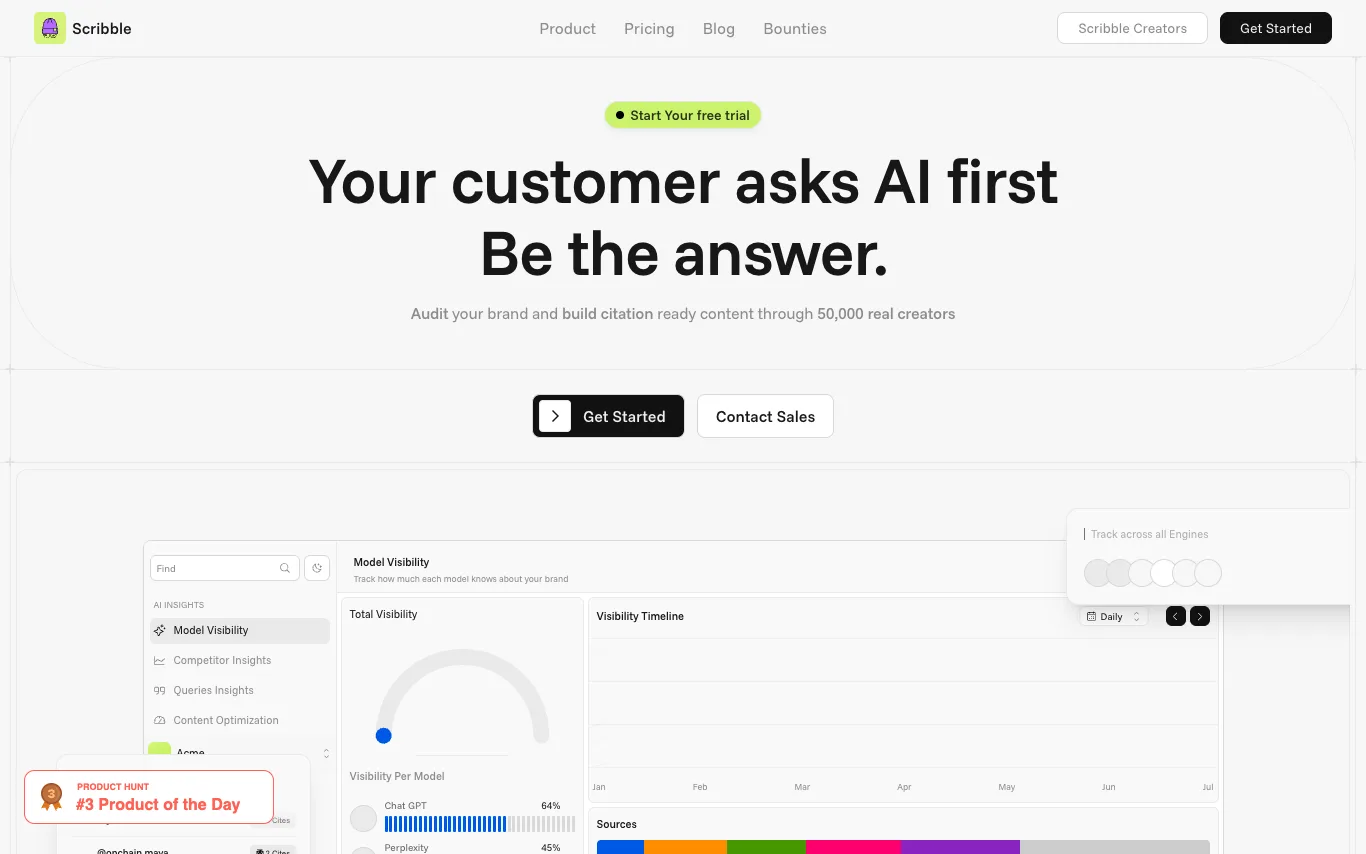

Scribble is a platform that helps brands monitor and improve their visibility in AI-powered search engines like ChatGPT, Gemini, Perplexity, Copilot, and Grok. It provides tools to audit brand presence, generate AI-optimized content, and amplify reach through a network of 50,000 real creators. The platform tracks citation share across models, offers competitor benchmarking, and uses creator bounties to get brands cited in AI answers. Scribble aims to turn citation gaps into actionable campaigns, helping brands become the answer when customers ask AI first.

Siftly helps brands get discovered and recommended across AI search engines like ChatGPT, Claude, Perplexity, and Google AI Overviews. It tracks how AI describes your brand, identifies content gaps, and measures the revenue driven from AI search. With Siftly, you can benchmark competitors, reverse-engineer winning strategies, and connect AI visibility to real traffic and leads.
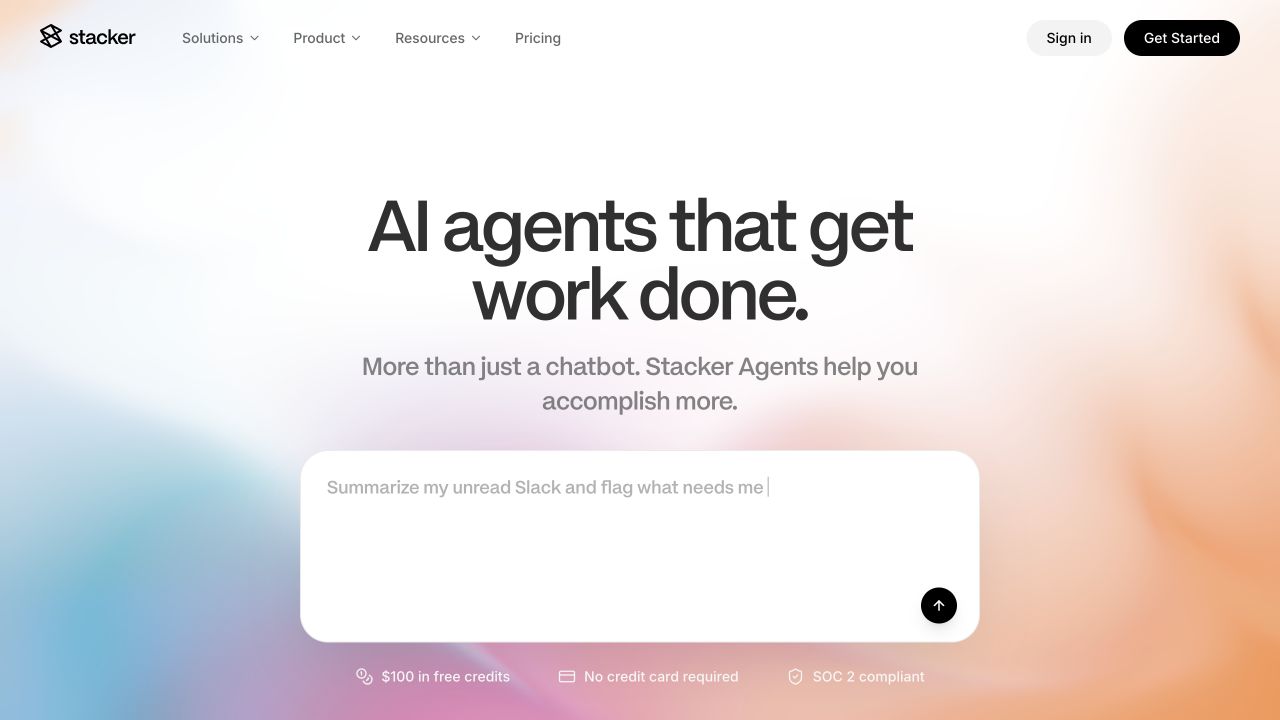

Stacker is an AI-native application platform that enables teams to build internal tools, CRMs, and dashboards. It provides AI agents that can connect to existing tools, automate workflows, and generate content. The platform offers features like computer use, media generation, and integrations with popular services. Stacker is SOC 2 Type II certified and offers a free tier with $100 in credits.
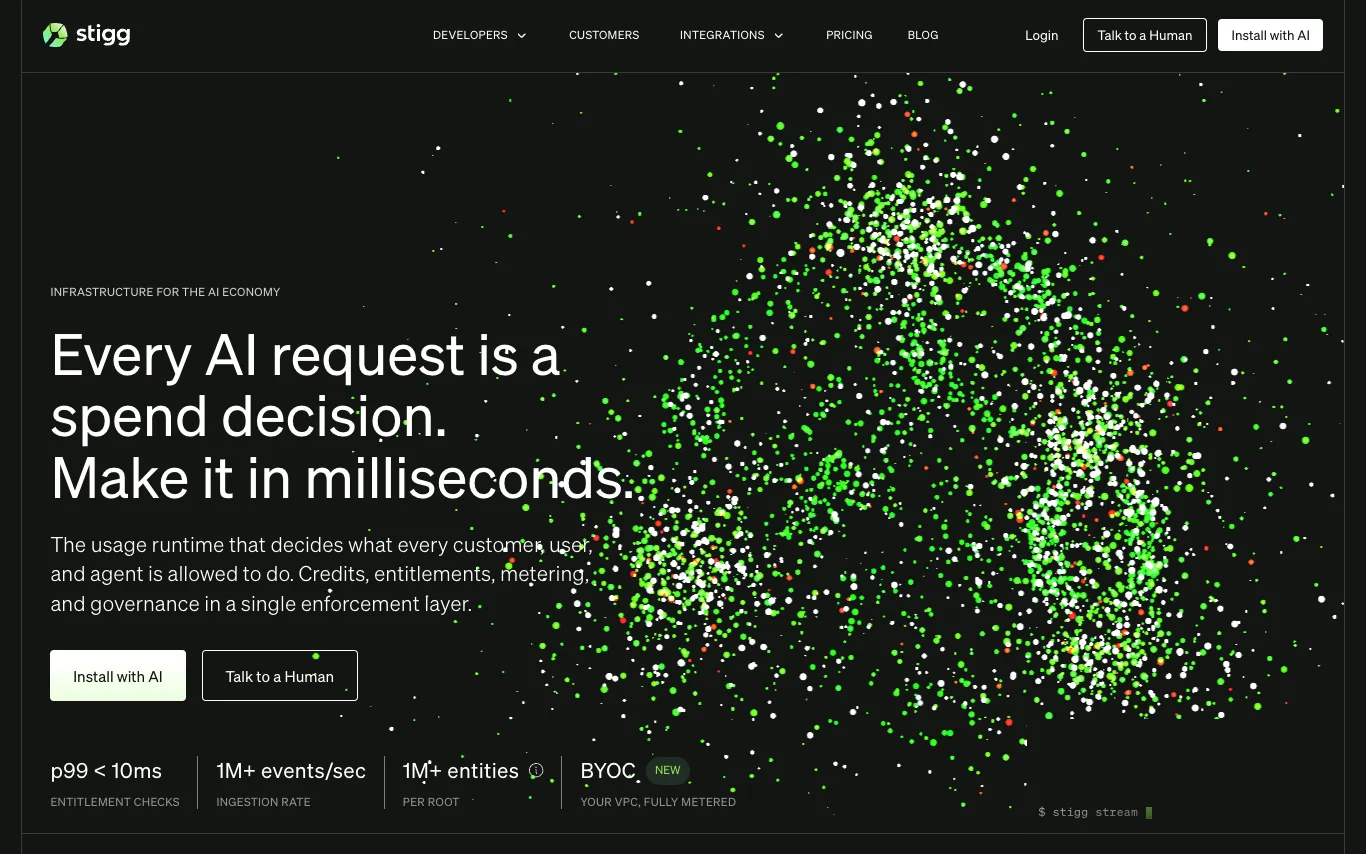

Stigg is a usage runtime for AI products. It meters usage, manages entitlements, and monetizes AI features in real time, without building billing infrastructure. It provides a single enforcement layer for credits, entitlements, metering, and governance. Stigg is trusted by engineering teams operating at scale and complexity.
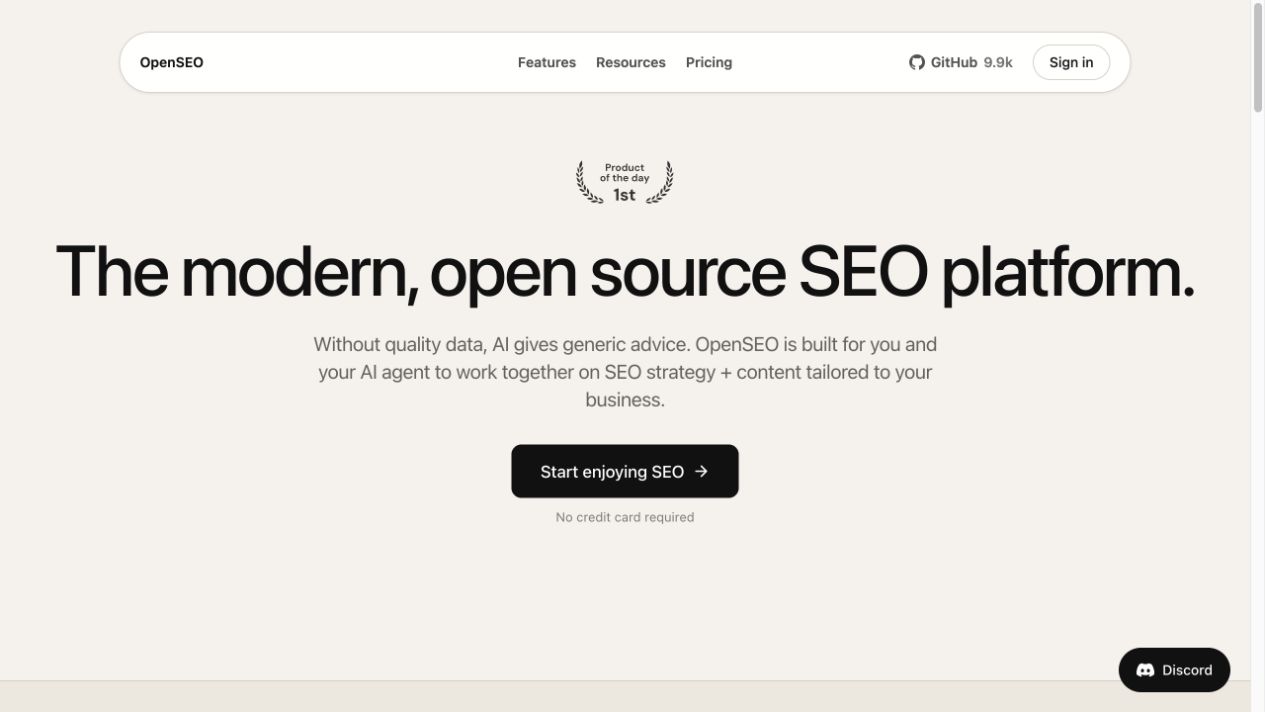

OpenSEO is an open source SEO platform offering keyword research, backlinks, rank tracking, and site audits. It is a cost-effective alternative to Ahrefs and Semrush, with usage-based pricing. Users can self-host for free or connect AI agents via MCP. It provides real SEO data to enhance AI-driven strategies.
What is AI analytics?
AI analytics uses machine learning and natural language processing to explore data, surface insights, and answer questions in plain language instead of hand-written queries. It automates the slow parts of analysis — cleaning data, spotting patterns, flagging anomalies, and forecasting trends. Tools range from a conversational layer on top of a warehouse to full augmented-BI platforms that build the dashboards for you.
What AI analytics tools do
- Ask questions in plain language, get charts back
- Automated insight discovery across large datasets
- Anomaly detection with alerts on unusual metrics
- Forecasting and predictive models without code
- Auto-generated dashboards and narrative summaries
- Connectors to warehouses, spreadsheets, and SaaS data
Who uses AI analytics
01
Business teams self-serving data
Marketers, ops, and founders ask data questions without waiting on an analyst or writing SQL.
02
Data analysts speeding up work
Automate cleaning, exploration, and first-pass insights so analysts focus on the hard questions.
03
Product and growth monitoring
Track key metrics, catch anomalies early, and understand why the numbers moved.
04
Executives wanting plain-language reports
Get narrative summaries and forecasts from dashboards without reading raw data tables.
How AI analytics works
The tool connects to your data — a warehouse, spreadsheet, or app — and profiles it so it knows the columns and how they relate. When you ask a question, an LLM translates it into a query, runs it, and returns charts or a written answer, while statistical and ML models handle forecasting and anomaly detection. Many tools also scan data on a schedule to surface insights you never thought to ask for.